What a Papillon Rescue Charges
Bringing a new Papillon into your home is an incredibly exciting prospect, but if you're looking at rescues, you might be wondering about the financial side of things. There's often a misconception that adopting from a rescue is "free" or incredibly cheap, which isn't usually the case. Rescue organizations have significant expenses in caring for these wonderful dogs, and understanding what a Papillon rescue typically charges will help you budget effectively for your new family member. This guide will walk you through the various components of adoption fees and other initial costs to expect.
Understanding Papillon Rescue Organizations and Their Mission
When you choose to adopt a Papillon from a rescue, you're not just getting a dog; you're supporting an entire operation dedicated to saving lives and finding forever homes. These organizations are driven by passion, not profit, and their fees are a crucial part of keeping their doors (or foster homes) open.
The Philosophy Behind Rescue Fees
It’s easy to look at an adoption fee and think it's just a price tag, but for a rescue, it's far more profound than that. Rescue organizations are almost universally non-profit entities, meaning every single dollar they receive, including adoption fees, goes directly back into the care of their animals. These fees are the lifeblood that allows them to continue their vital work. They’re covering the costs of vet visits, food, shelter, and sometimes even specialized training or rehabilitation. Many people don't realize the sheer dedication and financial commitment involved in rescuing a dog, especially a specific breed like a Papillon, which can sometimes have unique health needs.
Think about it: volunteers spend countless hours coordinating transport, processing applications, conducting home visits, and providing daily care. These passionate individuals aren't drawing salaries from adoption fees; they're often donating their own money and time. The fee you pay helps to offset the significant expenses incurred for the dogs that came before your new companion and ensures there will be resources available for the Papillons who still need help in the future. It’s a collective effort to improve the welfare of these delicate, intelligent little dogs.
Different Types of Rescue Models
The structure and scale of a Papillon rescue can also influence its operational costs and, by extension, its adoption fees. You'll typically encounter two main models: breed-specific rescues and all-breed shelters.
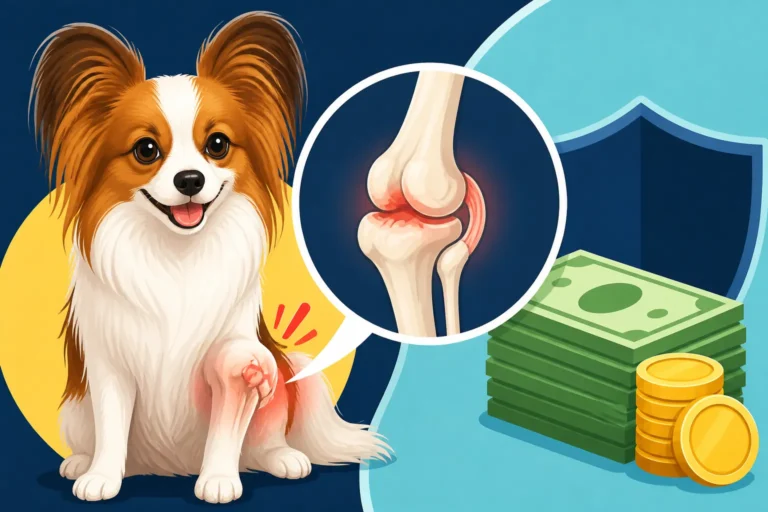
Breed-specific Papillon rescues, as the name implies, focus solely on Papillons and sometimes Phalenes (the drop-eared variant). These rescues often have an incredible depth of knowledge about the breed's temperament, health predispositions, and grooming needs. This specialized expertise means they can provide targeted care, but it might also mean higher costs for specialized veterinary consultations or breed-specific diagnostics. For example, they are keenly aware of issues like Patellar Luxation Is the Papillon Problem You Will Actually Meet or genetic eye conditions and will often ensure thorough screening.
On the other hand, all-breed shelters will take in any dog that needs help. While they do amazing work, they might not have the same breed-specific insights, and a Papillon might receive more general care. Many rescues, whether breed-specific or all-breed, operate on a foster-based model. This means dogs live in volunteer homes until they're adopted, which significantly reduces overheads compared to a large facility with staff, utilities, and constant maintenance. However, foster homes still rely on the rescue to cover food, vet bills, and supplies. Facility-based rescues, with their higher operational costs, may have fees that reflect those ongoing expenses. Regardless of the model, these organizations are committed to the well-being of the dogs, and the fee contributes to that mission.
The Core Components of a Papillon Adoption Fee
So, what exactly does that adoption fee cover? It’s far more than just "buying" a dog. It’s an investment in a dog’s past, present, and future well-being, providing a foundation of care that would be much more expensive if you had to arrange it all yourself.
Pre-Adoption Medical Care
This is often the largest single expense absorbed by rescues, and it’s where a significant portion of your adoption fee goes. Every Papillon coming into a reputable rescue will undergo a comprehensive veterinary examination. This isn't just a quick once-over; it's a thorough health check to ensure the dog is fit for adoption.
A standard medical protocol includes spaying or neutering, which prevents further unplanned litters and can mitigate certain health issues. They'll also receive up-to-date vaccinations, crucial for protecting them from common canine diseases. Deworming and flea/tick prevention are standard procedures, as many rescue dogs arrive with parasites. One of the most critical steps is microchipping, which provides a permanent form of identification, vastly increasing the chances of reunification if your Papillon ever gets lost. What a Papillon Breeder Should Have Tested is often part of this process.
For a small breed like a Papillon, specialized care is often needed. Many Papillons come to rescue with significant dental issues due to their delicate jaws and tendency to develop tartar early. The rescue might cover expensive dental cleanings and even extractions if necessary, which can run into a substantial amount. The Teeth in a Papillon's Small Jaw are often a point of concern. Some Papillons might also have underlying conditions like early stages of patellar luxation that require assessment, or even surgery, before they're adopted out. Consider the costs associated with anesthesia for a tiny dog, too. Anesthesia and a Five Pound Papillon is a genuine concern, and rescues take great care to ensure the procedure is safe. These costs are substantial, and the adoption fee helps ensure every Papillon gets the best possible start.
Behavioral Assessment and Rehabilitation
Beyond physical health, a good rescue will also focus heavily on the mental and emotional well-being of the Papillons in their care. Many dogs enter rescue with unknown histories, and some may have experienced neglect, trauma, or simply lacked proper socialization.
Rescues dedicate time and resources to observing and assessing each Papillon's temperament. This includes evaluating how they interact with people, other dogs, and even cats, helping them determine the best possible home environment. Some Papillons might arrive with behavioral challenges, such as anxiety, fear, or even house-training issues. The rescue will often invest in basic training, socialization, and sometimes even professional behavioral consultation to help these dogs overcome their difficulties. This might involve working with positive reinforcement trainers, providing consistent routines, and gradually exposing them to new experiences in a safe and controlled manner.
For instance, a Papillon who was previously confined might need help adjusting to walks on a leash, or one who was never handled might need patient desensitization. All this takes time, expertise, and resources, ensuring that when you welcome your new Papillon home, they’ve had the best possible chance to adapt and thrive. This effort helps to minimize surprises for the adopter and maximize the dog's chances of a successful, lifelong placement.
Operational and Administrative Costs
While medical care and behavioral support are the most visible direct costs, a rescue organization also has a multitude of ongoing operational and administrative expenses that are funded by adoption fees. These are the behind-the-scenes costs that ensure the rescue can function effectively day in and day out.
Think about the daily supplies needed for dogs in foster care or at a facility: food, bowls, beds, leashes, collars, toys, and cleaning supplies. These items add up quickly, especially when caring for multiple dogs. Then there are the costs associated with transporting dogs from shelters or less fortunate circumstances to foster homes or adoption events, which might involve long distances and fuel costs.
Administratively, rescues need to maintain websites, process applications, conduct thorough reference checks, and perform home visits to ensure suitable environments for their Papillons. There are also legal and insurance fees associated with operating a non-profit. Furthermore, many rescues provide post-adoption support, acting as a resource for adopters if questions or challenges arise after the dog has settled in. This ongoing commitment is a huge benefit to adopters and is only possible because of the fees collected. Each part of the adoption fee helps to sustain this valuable safety net for Papillons in need, making sure the next dog needing help can receive it.
What the Adoption Fee Really Covers for Your Papillon
Beyond the tangible services, the adoption fee provides invaluable benefits that go beyond simple monetary value. It’s about securing a safe, healthy, and supported start for your new family member.
Peace of Mind and a Healthier Start
When you adopt a Papillon from a reputable rescue, you're not just getting a dog; you're gaining peace of mind that your new companion has received essential care and evaluation. Unlike sourcing a dog from an unknown backyard breeder or online listing, where health and history are often a mystery, rescues provide transparency and a foundational level of care.
The adoption fee essentially covers a significant preventative health package. Imagine having to pay out-of-pocket for a full vet exam, vaccinations, deworming, microchipping, and spay/neuter surgery immediately after bringing a new dog home. These costs can be substantial, and rescues absorb them, sparing you from potentially hefty, unexpected vet bills right at the beginning of your journey together. This is particularly important for small breeds like Papillons, who can be prone to specific health issues, such as those related to their tiny teeth or delicate knees. The rescue’s upfront investment in their health means you're bringing home a dog that has been medically cleared to the best of their ability. This allows you to focus on bonding and settling in, rather than stressing about immediate veterinary needs. It's a testament to the rescue's commitment to setting both you and the Papillon up for success.
Support and Resources Beyond Adoption
One of the most underestimated benefits of adopting from a rescue is the ongoing support system that often comes with it. Rescues don't just hand you a dog and disappear; many view themselves as a lifelong resource for their adopted animals and their families.
This means if you encounter a behavioral quirk, have questions about training, or just need advice on Papillon specific care, the rescue is often just a phone call or email away. They have a wealth of experience with the breed and can offer guidance that might otherwise require expensive consultations with trainers or behaviorists. Furthermore, most reputable rescues have a clause in their adoption contract stating that if, for any reason, you are unable to keep the Papillon, they will take the dog back. This safety net is invaluable. Life happens, circumstances change, and knowing there’s a compassionate organization willing to step in prevents the dog from ending up back in a shelter system. This commitment to the dog’s welfare for its entire life is a significant part of what your adoption fee supports, fostering a responsible and sustainable model for pet ownership.
Factors Influencing the Papillon Adoption Fee
While the core services are generally consistent, several variables can cause adoption fees for Papillons to fluctuate. It’s not a one-size-fits-all situation, and understanding these factors can help manage your expectations.
Age, Health, and Breed Purity
The age and health status of a Papillon often play a significant role in determining its adoption fee. Puppies and young adult Papillons, especially those perceived as "purebred" and healthy, typically command higher fees. This is partly due to demand – everyone loves a cute puppy! – but also because puppies require a series of vaccinations and often more intensive initial vet care. They are often less of a "known quantity" behaviorally, requiring more socialization work from the adopter, which some people prefer.
Conversely, senior Papillons or those with chronic medical conditions, known disabilities, or special needs might have reduced adoption fees. This isn't because they are less worthy, but rather an incentive to help these often-overlooked dogs find homes. Rescues understand that adopting an older dog or one with health issues often means higher ongoing veterinary costs for the adopter. For example, Caring for a Papillon Past Eleven can involve more frequent vet visits or daily medications. Sometimes, fees are reduced to encourage compassionate adopters to open their hearts to these special dogs. While a Papillon with a severe, known health issue (like needing major surgery, even if already performed by the rescue) might still have a standard fee to cover some of the costs, some rescues do offer "senior discounts" or "special needs" rates.
Location and Regional Costs
Just like human living expenses, the cost of operating an animal rescue can vary significantly depending on its geographical location. Rescues located in major metropolitan areas or regions with a higher cost of living often face greater expenses, which can be reflected in their adoption fees.
Consider the cost of veterinary services, rent for a facility (if applicable), utilities, and even staff salaries (if they have paid staff) in a bustling city compared to a more rural setting. These overheads are a fundamental part of the rescue's operational budget. Additionally, some regions might have different legal requirements or standards for animal care, which can also influence costs. For example, stricter spay/neuter laws or more comprehensive vaccination protocols could impact fees. Furthermore, if a Papillon is being transported from a high-kill shelter in one state to a foster home in another with higher adoption demand, the associated transport costs (fuel, health certificates, overnight stays) might be factored into the fee or charged separately. It's a complex web of interconnected expenses, and your adoption fee contributes to keeping that safety net viable wherever the rescue operates.
Beyond the Adoption Fee: Other Initial Costs to Expect
While the adoption fee covers a lot, it’s crucial to remember that it’s just the first step in your financial commitment to your new Papillon. Bringing any new dog home comes with a list of immediate and ongoing expenses you’ll need to budget for.
Essential Supplies and Setup
When your Papillon arrives, they'll need more than just love and affection – they’ll need a whole new setup to feel safe and comfortable in their new home. You'll need to purchase a few key items right away to ensure a smooth transition.
First on the list is food. While the rescue might send you home with a small supply of what your Papillon has been eating, you’ll need to invest in a full bag. You might choose to stick with the rescue's recommendation or transition them to a high-quality brand you prefer, perhaps even a fresh food option like Ollie. You'll also need food and water bowls, ideally stainless steel or ceramic, that are easy to clean. A collar and leash are essential for walks, and for a small breed like a Papillon, a well-fitting harness is often recommended to protect their delicate trachea and neck. Whether a Papillon Should Wear a Harness Instead of a Collar is a common consideration.
A cozy bed What a Bed for a Papillon Costs and a appropriately-sized crate What a Crate for a Papillon Costs will provide them with their own safe space. Toys are a must for mental stimulation and bonding, and it’s always fun to pick out a variety of chew toys, squeaky toys, and puzzle toys. Don't forget grooming essentials like a soft brush, a comb, and perhaps some dog-specific shampoo and conditioner. You'll also need cleanup supplies, like enzymatic cleaners, just in case of accidents during house-training. These initial supplies can add up, so it's a good idea to factor them into your budget. Sites like Chewy can be a great resource for getting all these essentials delivered right to your door.
Ongoing Veterinary Care and Insurance
Even though your rescue Papillon will come to you fully vetted, their veterinary needs don't end there. Just like humans, dogs require ongoing healthcare throughout their lives, and planning for these expenses is a crucial part of responsible pet ownership.
Your Papillon will need annual wellness exams, which include a thorough physical check-up, booster vaccinations, and parasite prevention (heartworm, flea, and tick medications). These routine visits are vital for catching any potential health issues early. As Papillons have a long lifespan, these costs will recur year after year. Beyond routine care, there's always the possibility of unexpected illnesses or accidents. A Papillon, despite its small size, is still susceptible to various conditions, some breed-specific, others common to all dogs. This is where pet insurance can be a real lifesaver. Companies like Healthy Paws offer various plans that can help cover a significant portion of unexpected veterinary bills, providing immense peace of mind. While it's an additional monthly cost, it can prevent a financially devastating situation if your Papillon needs emergency surgery or long-term treatment. Considering that issues like Whether a Papillon Is Worth the Knee Risk or extensive dental work can be costly, pet insurance can be a very sensible investment for a Papillon owner.
Training and Socialization
While rescues often provide basic behavioral assessments and sometimes even initial training, the journey of training and socialization continues long after your Papillon comes home. Investing in further training can strengthen your bond, build your dog's confidence, and ensure they are well-behaved and happy members of your family.
Even for a smart breed like the Papillon, who often ranks very high in intelligence The Papillon Is the Smartest Toy Breed There Is, consistent training is key. Group puppy classes or basic obedience courses are fantastic for continued socialization with other dogs and people in a controlled environment. These classes also teach you valuable handling skills and help you understand how your Papillon learns best. If your Papillon has specific behavioral challenges, or you want to pursue more advanced skills, private training sessions or specialized workshops might be a beneficial investment. What Puppy Class Costs for a Papillon can vary, but the benefits often far outweigh the expense in terms of a well-adjusted dog.
Beyond formal classes, daily socialization and mental stimulation are vital. This includes regular walks to new places, positive introductions to different people and animals, and engaging them with puzzle toys or short training sessions at home. A well-socialized and well-trained Papillon is a joy to live with, and the initial investment in their continued education will pay dividends in a happy, harmonious relationship for years to come.
Saving Money While Adopting a Papillon
Adopting a Papillon doesn't have to break the bank if you approach it strategically. There are several ways to be a responsible pet parent while also keeping an eye on your budget.
Seeking Out "Sponsor a Senior" Programs
If you have a heart for older dogs, looking into "sponsor a senior" or reduced-fee programs can be a fantastic way to welcome a Papillon into your home while saving on the initial adoption cost. Many rescues offer significantly reduced or even waived adoption fees for senior dogs.
Why do they do this? Senior dogs, despite their loving nature, are often overlooked in favor of puppies and younger adults. Rescues understand that older Papillons, while wonderful companions, may come with increased ongoing veterinary needs due to age, such as arthritis, dental issues, or other age-related conditions. The Age a Papillon Is Considered Senior is often where these considerations begin. By reducing or eliminating the adoption fee, rescues encourage adopters to consider these dogs, knowing that the adopter's long-term financial commitment will likely be focused on medical care. Adopting a senior Papillon can be incredibly rewarding. They often come pre-trained, calmer, and are content to be a loving lap companion. While you might face more vet visits down the road, the initial saving on the adoption fee can help offset some of those future expenses, making it a win-win for both you and a deserving older dog.
Leveraging Second-Hand Supplies
Setting up a new Papillon's living space can involve a lot of new purchases, but you don't necessarily have to buy everything brand new. Leveraging second-hand supplies can significantly cut down on your initial costs.
Many items like crates, dog beds, and even certain toys can be purchased gently used from online marketplaces, local pet groups, or thrift stores. For instance, a quality wire crate can be quite an investment new, but a clean, pre-owned one can function just as well for a fraction of the cost. The same goes for dog beds – just ensure they are clean and washable. Always check items thoroughly for damage or excessive wear before purchasing, and sanitize anything you bring home. While some items, like food and certain medications, must be new, being smart about where you source your initial gear can leave more room in your budget for ongoing care. Sites like Chewy are excellent for new items, but remember that a quick search in your local community might unearth some fantastic, budget-friendly finds on gently used pet essentials. This approach allows you to provide a comfortable and well-equipped home for your Papillon without overspending.
DIY Grooming and Basic Care
For a Papillon, whose long, flowing coat is a hallmark of the breed, professional grooming could become a regular expense. However, with a little dedication and the right tools, much of their grooming and basic care can be handled at home, leading to significant savings over their lifetime.
A Papillon’s single coat, while beautiful, requires regular brushing to prevent mats, especially in their lovely ear fringes, chest frills, and culottes. Learning to brush your Papillon effectively a few times a week and keeping their nails trimmed can save you from frequent trips to a professional groomer. Whether Grooming a Papillon at Home Is Realistic is a question many Papillon owners ask, and the answer is a resounding yes! Investing in a good pin brush, a metal comb, and a pair of nail clippers or a dremel will be a one-time cost that pays off quickly.
Beyond grooming, proactive dental care at home is paramount for Papillons. Their small mouths are prone to dental disease, which can lead to costly veterinary cleanings and extractions. Daily tooth brushing, even for a few minutes, can make a huge difference in their long-term oral health. Brushing a Papillon's Teeth in a Very Small Mouth is a critical habit to establish early. These daily habits not only save money but also provide wonderful bonding opportunities with your Papillon, ensuring they stay healthy and happy for years to come.
Here's a quick overview of what your adoption fee typically covers and what additional initial costs you'll need to budget for:
| Category | Covered by Adoption Fee (Typically) | Additional Initial Costs (To Budget For) |
|---|---|---|
| Medical Care | Spay/Neuter, Vaccinations, Microchip, Deworming, Initial Vet Exam, Often Dental Work, Basic Health Screenings | Annual Wellness Exams, Preventative Meds (Heartworm, Flea/Tick), Pet Insurance Premiums, Specialist Consults (if needed), Unexpected Illness/Injury Treatment |
| Behavior & Training | Initial Temperament Assessment, Basic Socialization, Some Rehabilitation Efforts | Puppy/Obedience Classes, Private Training, Specialized Behavioral Support (if needed), Training Treats, Puzzle Toys |
| Supplies | (Limited) Often a small bag of current food, collar/tag (if available) | Food, Bowls, Collar, Leash, Harness, Crate, Bed, Toys, Grooming Tools, Cleaning Supplies, Gates/Baby-proofing |
| Support | Post-Adoption Advice, Return Policy | Professional Advice (Vet/Trainer) beyond rescue's scope, Emergency Fund |
Disclaimer
This article is for general informational purposes only and does not constitute professional advice. Laws, prices and regulations vary by location and change over time. Consult a qualified professional for guidance on your specific situation.