Whether Home Brushing Cuts a Papillon’s Dental Bill
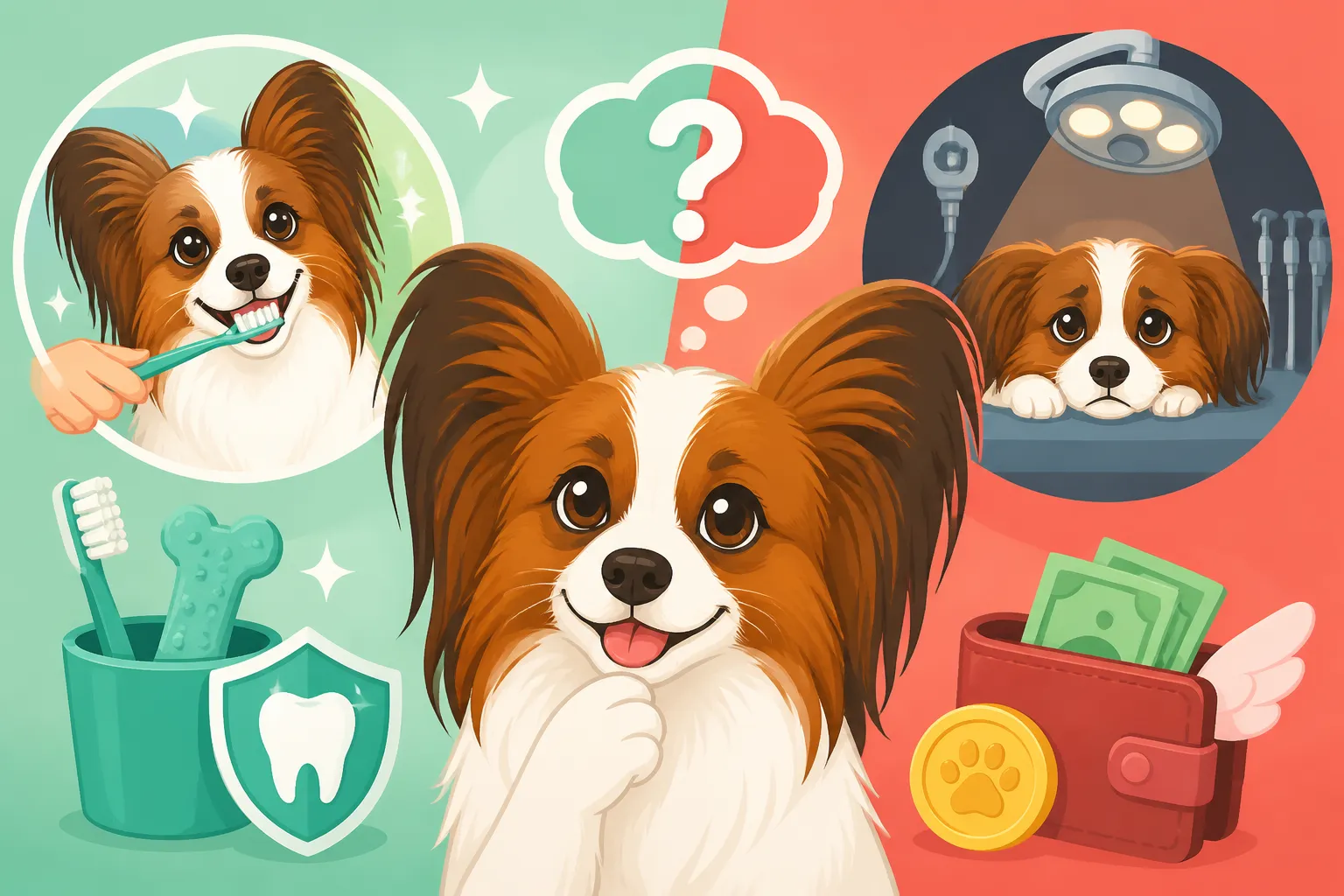
Oh, the eternal struggle of the Papillon owner, isn't it? You adore those beautiful butterfly ears and that spirited personality, but then you open their tiny mouth, take a whiff, and your heart sinks a little. Dental care for our little winged wonders can feel like a never-ending battle, and the veterinary bills for cleanings and extractions can certainly make your wallet feel lighter than a Papillon on a jump course. This guide is here to tackle that head-on, exploring whether consistent home brushing can genuinely help you keep those pearly whites healthy and, yes, actually cut down on those sometimes astronomical dental bills.
The Harsh Reality of Papillon Dental Health (and the Bills That Come With It)
Let's just be honest from the start: Papillons are predisposed to dental issues. It's not a reflection of your care; it's just part of their genetic lottery. Many Papillon owners, myself included, have looked into our sweet dog's mouth and sighed, knowing what's likely coming down the road. It can be incredibly frustrating to feel like you're constantly fighting a losing battle against plaque and tartar, especially when you consider how diligent you try to be with their overall health.
Why Papillons Are Prone to Dental Issues
The biggest culprit here is often their adorable, tiny jaws. While perfectly proportioned for their delicate faces, these small mouths often mean that their teeth are crowded together. Imagine trying to fit a full set of adult human teeth into a child's mouth—that's a bit like what's happening with many small breeds, including our Papillons. When teeth are packed tightly, there's less space for the natural cleansing action of saliva, and food particles can get trapped more easily, creating perfect little havens for bacteria to thrive.
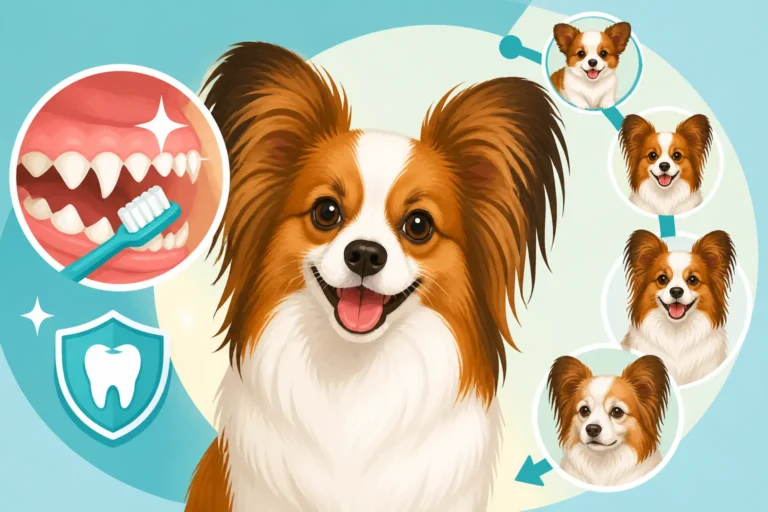
This crowding, combined with genetic factors, means that plaque (that sticky film of bacteria) can build up incredibly quickly on a Papillon's teeth. If not removed, this plaque hardens into tartar, a cement-like substance that can't be brushed away. And trust me, once tartar sets in, it’s a downhill slide. It irritates the gums, leading to gingivitis, which can progress to periodontal disease, a painful infection that attacks the bone and ligaments supporting the teeth. It's a silent threat that can start much earlier than you might think; you might notice How Early Tartar Appears on a Papillon. This isn't just about bad breath; it's about chronic pain, infection that can spread to other organs, and ultimately, tooth loss.
The Costly Cycle of Professional Dental Cleanings
So, what happens when plaque turns to tartar and your Papillon's breath could knock a buzzard off a garbage truck? You end up at the vet, of course, for a professional dental cleaning. And this is where the bills start to climb. Unlike us, dogs don't just sit there with their mouths open while a hygienist scrapes away. Professional dental cleanings for dogs require general anesthesia. This isn't just for convenience; it's essential for the vet to thoroughly examine the mouth, probe for pockets under the gum line, scale away tartar both above and below the gum, and polish the teeth to smooth out any microscopic etches that could attract new plaque.
The cost factors into this are numerous: the pre-anesthetic bloodwork to ensure your Papillon is healthy enough for the procedure, the anesthesia itself, the monitoring equipment and staff, the actual cleaning, and any necessary extractions. It's a whole process, and it's not cheap. For a small dog like a Papillon, anesthesia can be a particular concern, as discussed in Anesthesia and a Five Pound Papillon. Many owners are taken aback by What a Papillon's Dental Costs, and it's completely understandable. While completely necessary to maintain their health and comfort, these cleanings can become a recurring expense over a Papillon's long lifespan. You might find yourself wondering How Often a Papillon Needs Dental Work just to keep up.
Recognizing the Signs Your Papillon Needs Dental Attention
Before you even get to the vet's office, there are some pretty clear signals your Papillon might be sending that their dental health needs a closer look. The most obvious, of course, is that tell-tale "doggy breath." While a little dog breath is normal, a truly foul, rotting odor is a major red flag that bacteria are having a party in their mouth. Don't just dismiss it as "normal dog smell"—it's usually a sign of infection.
Beyond the smell, take a peek at their gums. Healthy gums should be a nice salmon pink color. If you see redness, swelling, or bleeding when they chew on a toy, that's gingivitis rearing its ugly head. You might also notice a yellow or brown crust of tartar building up, especially on the outside surfaces of the molars and canines. Sometimes, a Papillon might show reluctance to chew hard kibble or toys, drop food from their mouth, or paw at their face. These are all indicators of pain or discomfort. It’s important to address these issues promptly, as dental disease doesn't just stay in the mouth; the bacteria can travel through the bloodstream and affect vital organs, which is a scary thought for any pet parent.
How Home Brushing Actually Makes a Difference
So, given this daunting picture, where does home brushing fit in? Can it really move the needle against those dental bills? The resounding answer is yes, absolutely! It’s not a miracle cure, but it’s the single most effective thing you can do at home to proactively manage your Papillon’s oral health and, by extension, reduce the frequency and intensity of those costly vet visits. It’s about being proactive instead of reactive, and trust me, your future self (and your wallet) will thank you.
The Mechanics: What Brushing Achieves
Think of it this way: brushing your Papillon’s teeth works on the exact same principle as brushing your own. The bristles physically disrupt and remove plaque from the tooth surfaces and just under the gum line. Plaque is soft and sticky, and it's relatively easy to remove with a brush. The critical window here is before that plaque has a chance to mineralize and harden into tartar. Once it's tartar, brushing won't touch it.
This is why daily brushing, or at least every other day, is so crucial for Papillons. Consistent mechanical removal of plaque means there's less material available to turn into tartar. If you can significantly slow down the rate of tartar accumulation, you're directly impacting how often your vet will recommend a professional cleaning. Instead of needing a cleaning every year or two, you might stretch that out to three, four, or even five years. Over a Papillon's impressive lifespan, which can be quite long as explored in How Long a Papillon Lives, those delayed cleanings add up to significant savings and, more importantly, a healthier, happier dog.
The Ripple Effect: Preventing Serious Dental Disease
The benefits of home brushing go far beyond just saving money on cleanings. By keeping plaque and tartar at bay, you're actively preventing the progression of periodontal disease. Fewer bacteria mean less inflammation, healthier gums, and stronger support for those tiny teeth. This directly translates to:
- Fewer Extractions: The biggest factor driving up the cost of a professional dental cleaning is often extractions. Pulling teeth is invasive, requires more anesthesia time, and often involves pain medication afterward. If you can prevent teeth from rotting or becoming severely diseased, you dramatically reduce the likelihood of needing them pulled. This also saves your Papillon from unnecessary pain and recovery time. Many Papillons already have The Teeth in a Papillon's Small Jaw with little root structure, making them more vulnerable.
- Reduced Anesthesia Risk: While anesthesia is generally safe for modern veterinary medicine, it always carries some degree of risk, especially for small, senior, or health-compromised dogs. By prolonging the time between necessary anesthetic procedures, you're minimizing that exposure for your beloved pet. Whether a Papillon Is Sensitive to Anesthesia is a real concern for many owners.
- Overall Health Improvement: Chronic dental infection isn't just confined to the mouth. The bacteria can enter the bloodstream and travel to organs like the heart, kidneys, and liver, potentially contributing to more serious health issues down the line. Good oral hygiene supports their entire systemic health. So, brushing isn't just about their teeth; it's about their whole well-being.
It’s about chipping away at the problem, literally, before it becomes a monumental task. The cost of daily enzymatic toothpaste is pennies compared to the hundreds or thousands a single complex dental procedure can cost.
It's More Than Just Brushing: Holistic Home Care
While brushing is the cornerstone, a truly holistic approach to home dental care for your Papillon involves a few other helpful pieces of the puzzle. These can amplify your efforts and provide additional benefits, though none replace the physical act of brushing.
- Dental Chews and Treats: Not all dental chews are created equal, so do your research. Look for VOHC (Veterinary Oral Health Council) approved products, which means they've been proven to reduce plaque and/or tartar. Chews like Greenies or similar products can help mechanically scrape some plaque off the teeth as your Papillon chews. However, they don't reach all tooth surfaces, especially the inside ones, and are never a substitute for brushing. Brands available through retailers like Chewy often provide good selection and information.
- Water Additives: These can contain enzymes or antibacterial agents designed to reduce bacteria in the mouth. While they won't remove existing plaque or tartar, they can help slow down new buildup. They're an easy addition to your Papillon's daily routine.
- Appropriate Diet: Feeding a high-quality diet plays a role in overall health, which indirectly supports dental health. Some kibbles are designed with a larger, more abrasive texture to help scrape teeth, though their effectiveness can vary greatly for small mouths like a Papillon's. Consider brands that prioritize wholesome ingredients, like Ollie, which some owners find beneficial for their pets' overall health. While not a direct dental solution, a healthier dog is often a dog with fewer problems all around.
- Regular At-Home Mouth Checks: Get into the habit of routinely lifting your Papillon's lips to inspect their teeth and gums. This isn't just about spotting trouble; it also gets them used to having their mouth handled, making brushing easier. You'll become familiar with what healthy gums look like and be able to spot subtle changes early on.
Realistic Expectations and Potential Savings
Let's be clear-eyed about this: home brushing, even when done diligently, isn't a magical force field that will entirely eliminate professional dental cleanings for your Papillon. Just like you still go to the dentist for routine check-ups and cleanings, your Papillon will still need a vet's skilled eye and tools periodically. However, the difference it can make in the frequency and complexity of those cleanings is where the real value and savings lie.
Brushing Isn't a Magic Bullet (But It's Close!)
Think of home brushing as your primary defense. It's the daily patrol that keeps the enemy (plaque and bacteria) from establishing a stronghold. But sometimes, despite your best efforts, a little bit of tartar can still sneak in, especially in those hard-to-reach crevices or behind tightly packed teeth. That's where the veterinary cleaning comes in – it's the deep clean, the reset button that tackles what home care can't.
What home brushing can do, though, is dramatically extend the intervals between those professional cleanings. Instead of a cleaning every 1-2 years, you might find your vet suggesting one every 3-4 years. Or, if your Papillon typically needs annual cleanings with extractions, consistent brushing might mean they only need a cleaning every two years, and perhaps without any extractions at all. This translates directly to fewer anesthesia events for your small dog and less money out of your pocket. It's about damage control and prevention, making each professional cleaning more minor and less costly.
Calculating the Potential Savings Over a Lifetime
Let's imagine two hypothetical Papillons, both living long, happy lives.
Scenario A: "The Hands-Off Henry"
Henry's owner loves him dearly but doesn't manage to brush his teeth regularly. Henry develops significant plaque and tartar rapidly.
- By age 2, Henry needs his first professional dental cleaning.
- By age 4, he needs another, with a few small extractions.
- By age 6, more severe periodontal disease means a cleaning with multiple extractions.
- This pattern continues, with cleanings and extractions every 1.5-2 years.
Over his lifetime, Henry likely undergoes many expensive dental procedures, often with the added cost of extractions and pain management.
Scenario B: "Brushing Betty"
Betty's owner commits to daily brushing, making it a positive experience from puppyhood.
- Betty has her first professional dental cleaning around age 4, and it's a relatively simple scale and polish, with no extractions needed.
- Her next cleaning isn't until age 8, again, mostly preventative.
- Perhaps a minor cleaning at age 12 with one or two small extractions.
Betty's owner invests in quality toothbrushes and enzymatic toothpaste, but the overall cost for those supplies over the years is minimal. The significant savings come from the reduced frequency of expensive vet procedures and the fewer extractions needed.
While I can't give you exact figures (prices vary wildly!), the shape of the savings is clear. Fewer procedures means less spent on pre-anesthetic bloodwork, anesthesia, scaling, polishing, and especially extractions. Over a Papillon's potential 15+ year lifespan, this difference can easily amount to thousands of dollars. It's not just about cost, it's about quality of life. Betty likely experiences less oral pain throughout her life compared to Henry.
| Factor | "Hands-Off Henry" (No Home Brushing) | "Brushing Betty" (Consistent Home Brushing) |
|---|---|---|
| Professional Cleanings | Frequent (every 1.5-2 years) | Less Frequent (every 3-4+ years) |
| Extractions | High likelihood, often multiple | Low likelihood, potentially few to none |
| Anesthesia Exposure | Frequent, with associated risks | Less frequent, reducing overall exposure |
| Overall Oral Health | Prone to chronic periodontal disease, pain | Generally good, less pain |
| Lifetime Cost | Significantly higher due to frequent procedures | Substantially lower due to preventative care |
| Quality of Life | May suffer from undetected pain | Improved, healthier mouth |
When Professional Care is Still Non-Negotiable
It's vital to understand that home brushing is preventative and maintenance care. It is not a treatment for existing advanced dental disease. If your Papillon already has significant tartar buildup, red and bleeding gums, or obviously painful teeth, home brushing isn't going to fix it. At that point, a professional cleaning under anesthesia is absolutely essential to remove the hardened tartar, address infections below the gum line, and extract any teeth that are beyond saving. Waiting only exacerbates the problem, leading to more pain for your dog and a more complex, expensive procedure down the road.
Your vet might also recommend What a Papillon's Pre Dental Bloodwork Costs to ensure your dog is healthy enough for anesthesia. Sometimes, even with diligent brushing, genetics or unusual chewing habits can lead to problems. This is why regular veterinary check-ups are also non-negotiable. Your vet can spot issues you might miss and recommend professional interventions when needed. Also, if your Papillon suffers from conditions like Von Willebrand Disease and a Papillon That Will Not Stop Bleeding, any dental procedure becomes more complex and requires careful planning with your veterinarian. Even with the best home care, it's always wise to have a financial buffer, as outlined in What a Papillon's Emergency Fund Should Hold, or consider pet insurance from providers like Healthy Paws for unexpected health issues, dental or otherwise.
Making Home Brushing a Manageable Reality
So, you're convinced that home brushing is the way to go, but now the practical side sets in. "My Papillon won't sit still for that!" you might be thinking. Or, "Their mouth is so tiny, how do I even get in there?" These are totally valid concerns, but with the right approach and a hefty dose of patience, it's a routine you absolutely can establish. The key is to make it a positive experience for your Papillon, not a wrestling match.
Essential Tools for Tiny Papillon Mouths
You don't need a huge arsenal of equipment, but choosing the right tools makes all the difference for a small breed like a Papillon.
- Dog-Specific Toothpaste: This is non-negotiable. Never use human toothpaste on your dog. It contains fluoride, xylitol, and other ingredients that are toxic if swallowed. Dog toothpastes come in appealing flavors like poultry, beef, or peanut butter, which can make the experience much more palatable for your Papillon. Many are enzymatic, meaning they contain enzymes that help break down plaque even with minimal brushing action.
- Small Dog Toothbrush: Forget the big brushes. You need something tiny!
- Finger Brushes: These slip over your finger and have soft bristles. They're great for puppies or dogs new to brushing because they allow you to feel exactly what you're doing and offer a more natural touch.
- Small-Headed Pet Toothbrushes: Look for brushes specifically designed for toy breeds. They'll have a small head and soft bristles. Sometimes, a child's toothbrush with extra-soft bristles can also work in a pinch.
- Gauze Pad: If your Papillon absolutely refuses a brush, you can wrap a piece of gauze around your finger, apply toothpaste, and gently rub the teeth. It's not as effective as bristles but is better than nothing.
Getting them used to this kind of handling from a young age is key; for more on puppy care, see The First Year With a Papillon Puppy.
Step-by-Step: Brushing Your Papillon's Teeth
Patience, positive reinforcement, and short sessions are your best friends here. Don't expect perfection on day one.
- Introduce the Paste: Start by letting your Papillon lick a tiny bit of dog toothpaste off your finger. Make it a tasty treat. Do this for a few days until they associate the paste with something yummy.
- Introduce Your Finger: Once they're happy with the paste, put a tiny dab on your finger and gently rub it on their canine teeth (the long pointy ones) or a few front teeth. Don't try to open their mouth; just lift their lip. Praise them lavishly!
- Introduce the Brush (or Finger Brush): After a few days of finger-rubbing, switch to the finger brush or a tiny toothbrush with toothpaste. Again, just focus on the outside surfaces of a few teeth at first. Lift the lip and gently brush in a circular motion. Aim for the gum line where plaque accumulates most.
- Gradually Increase Duration: Over several days or weeks, slowly work your way up to brushing more teeth and for longer periods. You primarily want to focus on the outside surfaces of the back teeth, as these are usually the most problematic. You might not get every tooth perfectly every time, and that's okay. Consistency is more important than perfection.
- Make it a Routine: Pick a consistent time each day, perhaps after their last meal or before bed. This helps them anticipate it and makes it less of a surprise. Keep the sessions short and sweet—even 30 seconds to a minute of effective brushing is incredibly beneficial.
- Positive Reinforcement is KEY: Follow every brushing session with enthusiastic praise, a small, high-value treat, or a favorite toy. You want them to think, "Oh, good, brushing time means good things happen!" This is critical to building a lasting, positive association. It's truly amazing what a Papillon will do for the right motivation, as discussed in What Motivates a Papillon.
Remember, you're building a habit. Some days will be better than others. Don't get discouraged! Why a Papillon's Teeth Need Brushing Daily is a marathon, not a sprint.
Overcoming Common Challenges and Sticking With It
It's easy to get frustrated if your Papillon squirms, tries to lick the paste off the brush, or just generally makes brushing difficult. Here are some tips to help you overcome those hurdles:
- Start Early: If you have a Papillon puppy, start desensitizing them to mouth handling and introducing the brush as early as possible. This makes it much easier as they grow.
- Short and Sweet: Seriously, keep it brief. A minute of calm, effective brushing is far better than a five-minute struggle that leaves both of you stressed.
- Pick Your Battles: If your Papillon absolutely hates having the inside surfaces of their teeth brushed, focus on the outsides. The outsides are where most plaque and tartar accumulate anyway.
- Experiment with Toothpaste Flavors: Just like people, dogs have preferences. Try a different flavor if they're not keen on the first one.
- Gentle Restraint: For very squirmy dogs, a gentle hold (e.g., cradling them in your lap, with their head slightly tilted up) can help, but avoid making it feel like punishment. You want cooperation, not force.
- Be Patient: It can take weeks or even months to establish a comfortable brushing routine. Don't give up! Every little bit helps. Your consistency will pay off in the long run.
- Seek Vet Guidance: If you're truly struggling, ask your vet or a vet technician for a demonstration. They can often provide tips tailored to your dog's specific temperament. They might also suggest other dental care adjuncts that could help in the interim.
- Consider Insurance: Even with the most diligent home care, unforeseen issues can arise. Pet insurance plans, like those offered by Healthy Paws, can provide peace of mind by covering a portion of unexpected veterinary bills, including some dental issues, ensuring you can always provide the best care without financial strain. For an overview of overall costs, you might find Fifteen Years of a Papillon, Priced Out interesting.
Home brushing is an act of love for your Papillon. It’s a commitment to their long-term health and comfort, and yes, it truly can make a noticeable difference in their breath, their overall oral health, and the health of your bank account by reducing those inevitable dental bills over their happy, long lives.
Disclaimer
This article is for general informational purposes only and does not constitute professional advice. Laws, prices and regulations vary by location and change over time. Consult a qualified professional for guidance on your specific situation.