What Puppy Class Costs for a Papillon
Bringing home a Papillon puppy is such an exciting time, filled with boundless joy and adorable floof. But amidst all the puppy cuddles and play, the practicalities of raising a well-adjusted companion start to emerge, and for many new owners, the question of puppy class—and what it actually costs—can feel a bit overwhelming. You might be wondering if it's truly necessary or just another expense in a long line of new puppy supplies. This guide is here to demystify the world of puppy classes for your intelligent little butterfly, breaking down what to expect, why it’s invaluable, the typical costs involved, and how to choose the best option for your new best friend.
Why Puppy Class Is a Foundational Step for Your Papillon
It's easy to assume that because Papillons are small, they don't need the same rigorous training or socialization as a larger breed. This couldn't be further from the truth! In fact, their keen intelligence and sometimes delicate stature make early and positive experiences even more critical. Puppy class isn't just about teaching "sit"; it's about building a confident, well-behaved dog and a strong bond with you.
Essential Socialization Beyond the Home
One of the absolute biggest benefits of puppy class for a Papillon, or any puppy for that matter, is guided socialization. Your home, no matter how bustling, simply can't replicate the diverse experiences your puppy needs to become well-adjusted to the wider world. In a structured class environment, your little one will be exposed to a variety of new sights, sounds, smells, and, most importantly, other puppies of different breeds and sizes. This helps prevent the development of fear or aggression towards other dogs later in life, which can sometimes manifest in smaller breeds as "small dog syndrome"—that overly yappy, defensive behavior some little dogs display.
Imagine your Papillon, accustomed only to your quiet living room, suddenly encountering a boisterous Labrador puppy. Without prior positive experiences, this could be genuinely frightening for them. Puppy class provides a safe, controlled setting for these interactions, often with different sized puppies sectioned off or carefully supervised to ensure positive play experiences. This early exposure helps them learn appropriate dog-to-dog communication and builds their confidence in various social settings. It’s not just about other dogs, either; a good class will also introduce them to different people, noises, and even surfaces, all crucial for preventing future anxieties.
Building Basic Obedience Skills
Beyond the crucial socialization aspect, puppy class lays the groundwork for basic obedience, which is essential for any dog, big or small. Commands like "sit," "stay," "come," and "leave it" aren't just parlor tricks; they're vital for safety and managing everyday life. Think about how many times a reliable "come" could save your Papillon from a dangerous situation, or how a solid "stay" can keep them safe while you open the front door. Papillons are renowned for their intelligence, often ranking incredibly high in canine intelligence studies, which means they soak up new information like sponges. This makes them fantastic students in a puppy class environment.
A good instructor will guide you through positive reinforcement techniques, showing you how to motivate your Papillon without resorting to harsh corrections that can easily overwhelm such a sensitive breed. You'll learn how to use treats – perhaps some high-value options you picked up from Chewy – and praise to make learning fun and rewarding. These early lessons also include vital skills like polite leash walking, discouraging nipping, and even helping with house-training routines. The structured nature of class, with its dedicated practice time, can be incredibly beneficial for establishing these habits, often making the process quicker than trying to figure it all out on your own. It's often during these classes that owners realize just how much their Papillon puppy knows, or is capable of learning, in a very short session. How Short a Papillon's Training Session Should Be explores this in more detail.
Owner Education and Support
One of the most overlooked benefits of puppy class is the education it provides for you, the owner. Many first-time (and even experienced) dog owners are surprised by the nuances of puppy behavior and training. Puppy class instructors are a wealth of knowledge, offering advice on everything from crate training and nipping to jumping and house-training woes. How Long House Training a Papillon Takes is a common concern that instructors can help address with practical tips. You're not just dropping your dog off; you're actively participating and learning how to effectively communicate with your Papillon.
This direct access to an experienced trainer means you can ask specific questions about challenges you're facing at home. Maybe your Papillon is a particularly enthusiastic nipper, or you're struggling with leash manners despite their small size. The instructor can offer tailored advice and demonstrations. Furthermore, you're surrounded by other puppy owners who are likely experiencing similar joys and frustrations. This shared experience can be incredibly validating and create a supportive community. It's a chance to learn from others, share tips, and realize you're not alone in those moments when your adorable Papillon is testing every ounce of your patience.
Understanding the Costs Behind Puppy Training
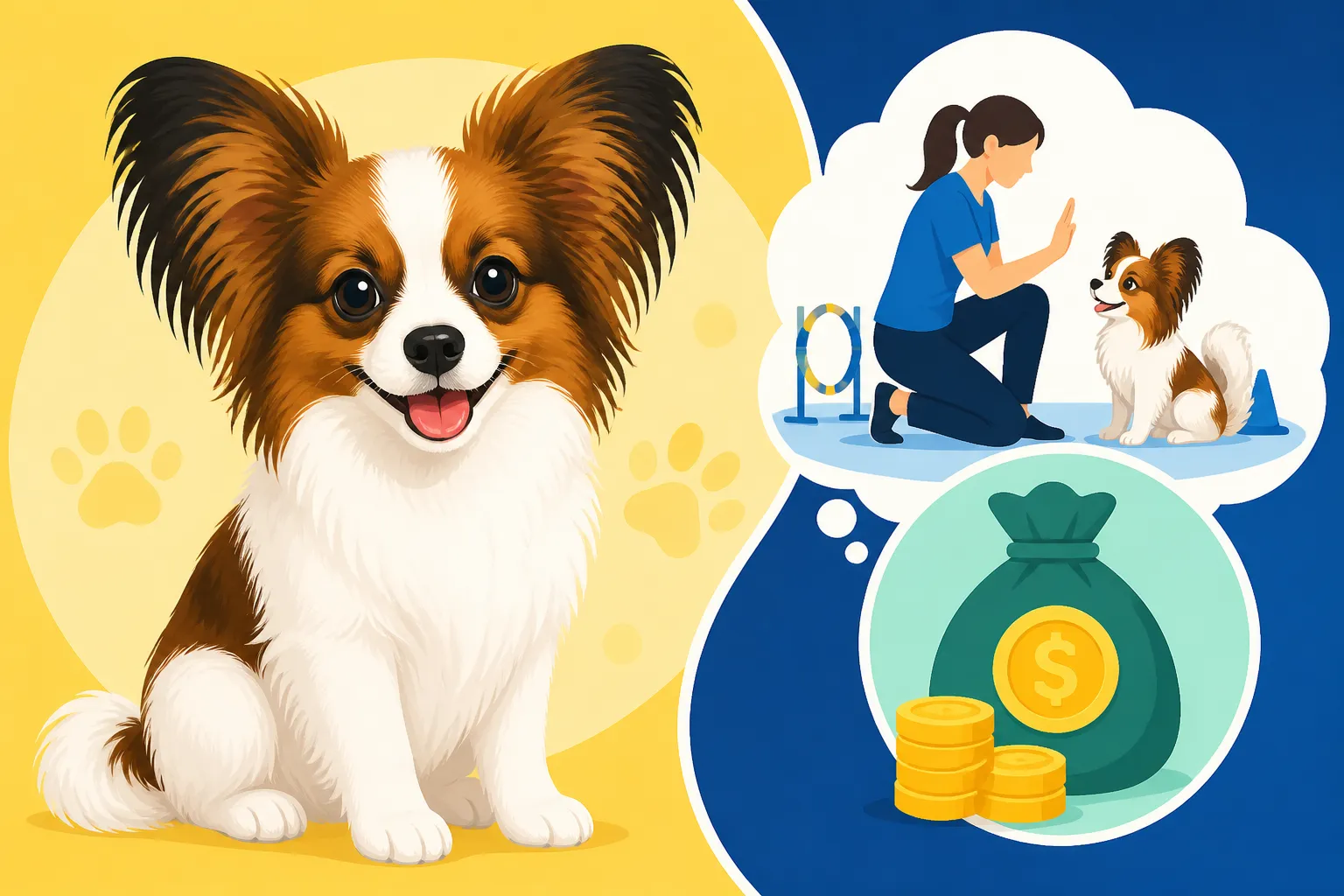
Now, let's talk about the practical side: the cost. Puppy class isn't typically a one-off payment; it's usually a course spread over several weeks. The overall fee can vary quite a bit depending on where you live, the type of class you choose, and the reputation of the training facility. It's an investment, but one that many Papillon owners find pays dividends in the form of a well-behaved companion and fewer behavioral headaches down the line.
Factors Influencing Class Fees
Several elements contribute to the final price tag of a puppy class. Location is a big one: classes in a bustling city center often carry higher price points than those in more rural areas, reflecting the general cost of living and overhead for the facility. The qualifications and experience of the instructors also play a significant role. Highly certified, experienced trainers who use modern, positive reinforcement methods might charge more, but their expertise can be invaluable. Don't be afraid to ask about an instructor's credentials!
The duration and frequency of the classes are other considerations. Most puppy classes run for 4 to 8 weeks, with one session per week, usually lasting about an hour. Shorter, more intensive courses or longer programs will naturally have different costs. Class size can also be a factor; a class with a smaller student-to-instructor ratio might cost more but could offer more individualized attention for your Papillon. Finally, some facilities offer bundled packages, perhaps including a basic obedience class after puppy class, or even private sessions, which might offer a discount compared to booking everything separately. When you're looking at your overall budget, consider What the First Year With a Papillon Costs as a whole, including these valuable training expenses.
Group Classes vs. Private Sessions
When budgeting for puppy training, you typically have two main avenues: group classes or private one-on-one sessions. Group classes are generally the most common and often the most cost-effective option. They provide fantastic opportunities for socialization, as your Papillon puppy gets to interact with other dogs and people in a supervised setting. The group dynamic also helps puppies learn to focus despite distractions, which is a real-world skill they'll need. These classes usually have a set curriculum and schedule, fostering a sense of community among participants.
| Feature | Group Puppy Class | Private Puppy Training Session |
|---|---|---|
| Cost | Lower per session | Higher per session, but might be fewer sessions overall |
| Socialization | Excellent opportunity with diverse puppies | Limited organic puppy-to-puppy interaction |
| Curriculum | Standardized, covers common puppy issues | Customized to your Papillon's specific needs |
| Flexibility | Fixed schedule, less flexible | Highly flexible scheduling |
| Distraction Prep | Teaches focus amidst other dogs and people | Focus is solely on you and your dog, less real-world distraction practice |
| Owner Support | Peer support, general Q&A with instructor | Direct, personalized attention for specific problems |
| Location | Dedicated training facility | Your home or chosen location |
Private sessions, on the other hand, offer highly personalized attention. They are often more expensive per session, but you might need fewer of them to address specific behavioral issues or to fast-track certain skills. Private training is ideal if your Papillon has particular challenges (like extreme shyness or specific fear triggers) that might be overwhelming in a group setting, or if your schedule doesn't align with available group classes. The trainer can come to your home, which can be great for addressing house-specific behaviors, but it means you'll need to seek out other avenues for structured socialization. Some owners choose a hybrid approach, starting with a few private sessions to get a strong foundation, and then transitioning to a group class for the socialization benefits.
Maximizing the Benefits: What You Get for Your Investment
When you look at the price tag for puppy class, it’s natural to weigh it against other expenses. However, viewing puppy class as an investment rather than just an expense can change your perspective entirely. The returns on this investment are immeasurable, leading to a happier, healthier Papillon and a more harmonious home life.
Preventing Future Behavioral Problems
The old adage "an ounce of prevention is worth a pound of cure" is incredibly true when it comes to puppy training. The skills and experiences gained in puppy class can drastically reduce the likelihood of developing costly and frustrating behavioral problems down the road. Unsocialized dogs might develop anxiety, aggression, or reactivity, which can require extensive and expensive behavioral modification from specialists later on. A Papillon that isn't house-trained can lead to ruined carpets and ongoing stress. A dog that doesn't come when called could run into traffic.
By investing in early training, you're building a foundation of good behavior and preventing many common issues before they even start. This isn't just about saving money on future trainers or damaged furniture; it's about avoiding the heartache and stress that comes with a dog struggling with behavioral challenges. A well-adjusted Papillon is a joy to live with, and that peace of mind is truly priceless. Whether Puppy Class Is Enough for a Papillon explores how this early foundation can set your dog up for lifelong success.
Enhanced Bond and Communication
Training is a language, and puppy class teaches you how to speak it with your Papillon. When you learn to effectively communicate through positive reinforcement, cues, and body language, your bond with your dog deepens significantly. Your Papillon learns to trust you, understand your expectations, and view you as a source of safety and guidance. This mutual understanding leads to a much more satisfying relationship for both of you.
Think about the joy of being able to take your Papillon to new places, knowing they'll be well-behaved and comfortable. Or the satisfaction of seeing them confidently greet new people and dogs, thanks to their early socialization. This strong foundation of communication extends beyond basic commands; it builds a partnership where you both understand each other's needs and signals. This isn't just about avoiding problems, but actively enhancing the positive experiences you share with your dog, making every day richer.
Long-Term Health and Safety
While puppy class might not directly focus on physical health, the behavioral benefits contribute significantly to your Papillon's overall well-being and safety. A puppy that knows "leave it" is less likely to ingest something harmful on a walk. A dog with a reliable recall is safer off-leash in appropriate areas. Proper leash manners reduce strain on their delicate neck and trachea, something to consider for smaller breeds. Good socialization reduces stress, which can positively impact their physical health.
Furthermore, a well-trained Papillon is often more comfortable with vet visits and grooming sessions because they've been introduced to handling and restraint in a positive way during training. This can make routine health care less stressful for everyone involved. While we hope our dogs never face serious health issues, having pet insurance like Healthy Paws in place early on can offer peace of mind for unexpected accidents or illnesses that might arise, but good training contributes to accident prevention. Understanding The Vaccination Schedule a Papillon Puppy Needs is also crucial for their overall health before and during puppy classes.
Choosing the Right Puppy Class for Your Tiny Scholar
Finding the perfect puppy class for your Papillon requires a little research, but it's well worth the effort to ensure a positive and effective learning experience. Not all classes are created equal, and what works for a Great Dane might not be the best fit for your delicate, intelligent Papillon.
Researching Local Options
Start by looking for local training facilities or independent trainers in your area. Ask for recommendations from your veterinarian, reputable Papillon breeders (they often have great insights into local trainers who understand toy breeds), or other dog owners in your community. Online reviews can also be helpful, but try to find detailed feedback rather than just star ratings. Many facilities have websites detailing their philosophy, instructor bios, and class schedules.
When researching, pay close attention to the training methods employed. Modern, science-based positive reinforcement is the gold standard. Avoid any trainers who advocate for harsh corrections, dominance theory, or punitive tools like choke chains or shock collars, especially for a sensitive breed like a Papillon. A good facility will emphasize reward-based training using treats, toys, and praise – perhaps using some delicious, high-value treats from Ollie or Chewy. Don't hesitate to call facilities and ask questions about their approach, class structure, and instructor qualifications.
What to Look For in a Class
Once you've narrowed down your options, here are some key things to look for that will make a particular class a good fit for your Papillon:
- Positive Reinforcement: This is non-negotiable. The class should focus on rewarding desired behaviors, not punishing mistakes. This builds confidence and trust.
- Small Class Sizes: For a Papillon, a smaller class size (ideally 6-8 puppies) means more individualized attention from the instructor and less overwhelm for your small dog.
- Age-Appropriate Curriculum: A true "puppy class" should be for puppies generally between 8-16 weeks of age, focusing on basic manners, bite inhibition, and most importantly, positive socialization.
- Emphasis on Socialization: Ensure there are dedicated, supervised playtimes with other puppies. Ask how they manage different sizes and temperaments of puppies to ensure everyone has a safe, positive experience. This is crucial for your Papillon's development.
- Clean and Safe Environment: The facility should be clean, well-lit, and free of hazards. Ask about their vaccination requirements for attending puppies; this is vital for your young Papillon's health.
- Owner Participation: You should be actively involved in the training process, learning how to work with your puppy. A good class teaches you as much as it teaches your dog.
- Experienced Instructors: Look for instructors with certifications from recognized organizations or extensive experience with small breeds.
Attending a Trial or Observation Session
Before committing to a full course, many reputable training facilities will allow prospective students to observe a class without their dog, or sometimes even offer a single trial session. This is an excellent opportunity to see the instructor in action, gauge the atmosphere of the class, and determine if it feels like a good fit for you and your Papillon. Pay attention to how the instructor manages the class, how they interact with the puppies and owners, and if the puppies seem engaged and happy.
If a trial isn't offered, you can still gain valuable insight by speaking to other owners who have taken classes there. Ask them about their experiences, whether they felt supported, and if their puppy made progress. Investing time in this initial research will ensure that the money you spend on puppy class for your Papillon is a wise one, setting both of you up for a lifetime of happy companionship. Remember, a good start makes all the difference for your precious little dog. What a Papillon Breeder Should Have Tested and other health considerations should also be factored into your decision-making process when bringing home a puppy.
Disclaimer
This article is for general informational purposes only and does not constitute professional advice. Laws, prices and regulations vary by location and change over time. Consult a qualified professional for guidance on your specific situation.