Von Willebrand Disease and a Papillon That Will Not Stop Bleeding
It’s a truly terrifying moment for any dog owner: you find your beloved Papillon bleeding, and no matter what you do, it just doesn't seem to stop. Whether it's a persistent nosebleed, gum bleeding after a minor chew, or prolonged oozing after a routine nail trim, the fear that your tiny companion is losing too much blood is a gut-wrenching experience. This comprehensive guide is here to shed light on Von Willebrand Disease (vWD) in Papillons, explaining what it is, how to recognize its signs, what to expect during diagnosis, and how to manage and live a full life with a Papillon affected by this bleeding disorder.
Understanding Von Willebrand Disease in Papillons
Von Willebrand Disease, or vWD, is the most common inherited bleeding disorder found in both humans and dogs. While it might sound intimidating, breaking down what it actually means for your Papillon can help you feel more prepared and in control. It's not a death sentence, but it certainly requires careful management and an understanding of its nuances.
What Exactly Is Von Willebrand Disease?
At its core, Von Willebrand Disease is a genetic disorder that impacts the blood's ability to clot effectively. Our bodies, and our dogs' bodies, have an incredible mechanism for stopping bleeding, involving a complex cascade of proteins and cells. A key player in this process is a protein called von Willebrand factor (vWF). Think of vWF as a crucial glue that helps platelets (tiny blood cells that initiate clotting) stick to the site of an injury and also acts as a carrier for another important clotting factor, Factor VIII.
When a dog has vWD, their body either produces insufficient amounts of vWF, or the vWF they do produce isn't functioning correctly. This deficiency or dysfunction means that when an injury occurs, the initial plug of platelets struggles to form, and the subsequent clotting cascade is hampered, leading to prolonged or excessive bleeding. There are three main types of vWD, categorized by the nature of the vWF deficiency:
- Type 1 vWD: This is the most common form, and it's characterized by a reduced amount of normal vWF in the blood. The vWF that is present works correctly, there just isn't enough of it. Many breeds, including Papillons, are susceptible to Type 1. This type usually results in mild to moderate bleeding symptoms, though severe cases can occur.
- Type 2 vWD: This type is rarer and more severe. Dogs with Type 2 vWD have normal or near-normal levels of vWF, but the vWF itself is abnormal and doesn't function correctly. This typically leads to more serious bleeding episodes.
- Type 3 vWD: This is the most severe form, where dogs produce virtually no vWF. These dogs often experience spontaneous and life-threatening hemorrhages, even from minor traumas. Fortunately, Type 3 is much less common in most breeds and is rarely seen in Papillons.
For Papillons, Type 1 vWD is the primary concern. It's important to remember that not all dogs with vWD will bleed profusely; some might go through their entire lives with only minor issues, while others could face significant challenges.
How Does vWD Specifically Affect Papillons?
While Von Willebrand Disease can affect many breeds, including Doberman Pinschers, Shetland Sheepdogs, and Golden Retrievers, Papillons are indeed one of the breeds known to carry the genetic mutation for Type 1 vWD. This doesn't mean every Papillon will have it, but it does mean that if you own or are considering getting a Papillon, it's a health concern worth understanding.
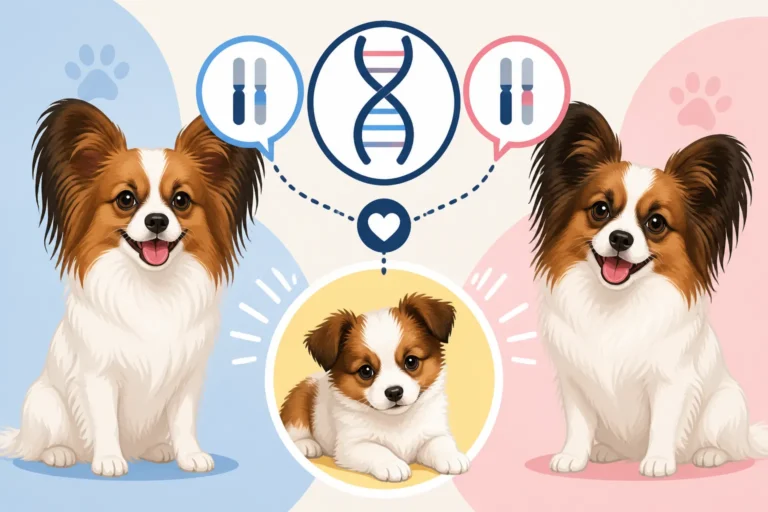
The genetic basis for Type 1 vWD in Papillons is autosomal recessive, which means a puppy must inherit two copies of the affected gene (one from each parent) to be clinically affected. Dogs that inherit only one copy are considered carriers; they typically don't show symptoms themselves but can pass the gene on to their offspring. This is a critical point for breeders, which we’ll delve into later.
For an affected Papillon, the implications of reduced vWF mean that their blood won't clot as efficiently as a non-affected dog's. This might manifest as increased bruising from everyday bumps, nosebleeds that seem to come out of nowhere and are difficult to stop, or excessive bleeding after routine procedures like nail trims, puppy tooth extractions, or spaying/neutering. A Papillon’s small size, while endearing, can make these bleeding episodes even more concerning, as a small amount of blood loss can be more impactful on their overall health compared to a larger dog. The thought of your tiny Papillon bleeding uncontrollably is enough to make any owner's heart race.
Distinguishing vWD from Other Bleeding Disorders
It's easy to jump to conclusions when you see your dog bleeding, especially if it's unusual. However, it's crucial to understand that not all bleeding disorders are vWD. There are several other conditions that can cause a Papillon to bleed excessively, and your veterinarian will need to rule these out during diagnosis.
For instance, low platelet counts (thrombocytopenia) or poorly functioning platelets can lead to similar symptoms. These can be caused by various underlying issues, such as autoimmune diseases, certain medications, tick-borne illnesses, or even some cancers. Liver disease can also impair clotting, as many clotting factors are produced in the liver. Additionally, certain toxins, like rodenticides, can cause severe bleeding by interfering with Vitamin K, which is vital for clotting.
Even something as simple as a local trauma or an infection can lead to persistent bleeding in a specific area. If your Papillon has ever had a particularly stubborn bleed after a dental cleaning, you might have wondered if it was vWD, but it could also be due to gum inflammation or a different clotting issue. It’s why getting a proper diagnosis from your vet is so important rather than trying to self-diagnose based on symptoms alone. A thorough workup will help identify the exact cause and ensure your Papillon receives the correct treatment plan.
Recognizing the Signs of Von Willebrand Disease in Your Papillon
Spotting the signs of vWD in your Papillon can be tricky because the symptoms can range from subtle to overtly alarming. The severity often depends on the type and extent of the vWF deficiency. As an owner, becoming familiar with both the obvious and the more nuanced indicators is crucial for getting your dog the care they need promptly.
Common Symptoms of Excessive Bleeding
These are the signs that will most likely grab your attention and send you rushing to the vet. They’re usually a direct result of impaired clotting.
- Easy Bruising or Hematomas: You might notice unexplained bruises on your Papillon's skin, especially in areas with less fur, like their belly or inner thighs. These bruises, or hematomas (larger blood collections under the skin), can appear after even minor bumps or jostles that wouldn’t typically cause an issue in a healthy dog. Imagine your playful Papillon bumping into a coffee table leg, and instead of just a yelp, you find a discolored patch of skin hours later. This isn't normal.
- Nosebleeds (Epistaxis): A spontaneous nosebleed can be particularly frightening. While occasional nosebleeds can happen for various reasons, a Papillon with vWD might experience frequent, prolonged, or heavy nosebleeds that are difficult to stop with simple pressure. You might find streaks of blood on their bedding or see them pawing at their nose.
- Gum Bleeding: Even brushing your Papillon’s teeth, or offering a chew toy, might lead to more bleeding than you'd expect. Persistent oozing from the gums, especially after eating or playing, is a red flag. If your Papillon needs a routine dental cleaning, you might find that the post-procedure bleeding is much harder to control. This is a common situation where vWD often gets diagnosed.
- Prolonged Bleeding After Minor Cuts or Scrapes: That tiny cut from a thorn on a walk or a small scrape from playful tumbling should stop bleeding within a few minutes. If your Papillon continues to ooze blood for an extended period, or if the wound re-opens and bleeds again, it’s a strong indicator of a clotting issue.
- Excessive Bleeding After Surgery or Trauma: This is often where vWD is first definitively diagnosed. After a spay/neuter, a dewclaw removal, or even a dental extraction, a Papillon with vWD might bleed excessively, sometimes requiring additional veterinary intervention. Similarly, if they experience an accident, even a relatively minor one, the resulting hemorrhage could be much more severe than anticipated.
- Blood in Urine or Stool: Seeing blood in your Papillon's urine (hematuria) or stool (hematochezia or melena if digested blood) is always a cause for concern and warrants immediate veterinary attention. While it can be caused by many conditions, a bleeding disorder is one possibility. Fresh red blood often indicates lower gastrointestinal bleeding, while dark, tarry stools (melena) suggest bleeding higher up in the digestive tract.
Subtler Signs That Might Go Unnoticed
Sometimes, the signs of vWD aren't as dramatic as a gushing nosebleed. These subtler indicators require keen observation and an owner who knows their Papillon’s normal behavior well.
- Pale Gums or Mucous Membranes: If your Papillon is experiencing slow, chronic blood loss, you might notice that their gums, inner eyelids, or other mucous membranes appear paler than usual. This is a sign of anemia, which can develop over time due to persistent bleeding. A healthy Papillon typically has bright pink gums.
- Lethargy or Weakness: Anemia, whether acute or chronic, can lead to your Papillon seeming unusually tired, less energetic, or generally weak. They might not want to play as much, be slow on walks, or spend more time sleeping. This symptom is non-specific, meaning many conditions can cause it, but in conjunction with any other bleeding signs, it's worth noting.
- Lameness or Swelling in Joints: In more severe cases of vWD, or after a specific injury, bleeding can occur into joints (hemarthrosis) or muscles. This internal bleeding can cause pain, swelling, and lameness. Your Papillon might limp, refuse to put weight on a limb, or show discomfort when the affected area is touched.
- Bleeding During Heat Cycles or After Whelping: For intact female Papillons, unusually heavy or prolonged bleeding during their heat cycle, or excessive bleeding after giving birth (whelping), could point to vWD. This is a less common presentation but a serious one if it occurs.
- Prolonged Heat Cycles: Some anecdotal evidence suggests that dogs with vWD might experience slightly longer or more drawn-out heat cycles due to slower clotting in the reproductive tract, although this is not a primary diagnostic indicator.
It’s often these subtler signs that might make you think something just "isn't quite right" with your Papillon, prompting a vet visit before a major bleeding crisis occurs.
When to Seek Immediate Veterinary Attention
While any suspected bleeding issue warrants a vet visit, certain situations are emergencies and require immediate professional help. Don't hesitate if you observe any of the following:
- Uncontrollable Bleeding: If your Papillon is actively bleeding from a wound, their nose, or gums, and you cannot stop it with direct pressure within 5-10 minutes.
- Signs of Significant Blood Loss: This includes extreme lethargy, collapse, very pale or white gums, rapid breathing, or a rapid heart rate. These are indicators that your Papillon is in hypovolemic shock due to severe blood loss.
- Distended Abdomen or Severe Swelling: A swollen or painful abdomen could indicate internal bleeding, which is a life-threatening emergency. Likewise, rapid, unexplained swelling in a limb or joint should be treated as urgent.
- Vomiting Blood or Passing Large Amounts of Blood in Stool/Urine: These are clear signs of internal hemorrhage that need immediate medical intervention.
Remember, a Papillon's small size means they have less blood volume to spare. What might be a moderate bleed for a larger dog could be life-threatening for a tiny Papillon. Always err on the side of caution and contact your veterinarian or an emergency animal hospital if you have any concerns. This isn't a situation where you "wait and see." Many clinics, like those supported by Healthy Paws pet insurance plans, are well-equipped to handle such emergencies, giving you peace of mind during a stressful time.
Diagnosing Von Willebrand Disease in Papillons
Getting a definitive diagnosis for Von Willebrand Disease in your Papillon can feel like a maze of tests and waiting, but it's a critical step. A clear diagnosis allows you and your vet to create a tailored management plan, ensuring your dog lives the happiest, healthiest life possible. It also gives breeders the information they need to make responsible choices.
The Importance of a Thorough Veterinary Examination
When you first bring your Papillon to the vet with concerns about excessive bleeding, the veterinarian won't immediately jump to a vWD test. Instead, they'll start with a comprehensive physical examination and gather a detailed history. This initial step is vital for ruling out other potential causes of bleeding and getting a complete picture of your dog's health.
Your vet will ask you about:
- Your Papillon's Medical History: Have they had any past surgeries? What was the outcome? Have they been on any medications recently?
- Recent Symptoms: When did you first notice the bleeding? How severe was it? How long did it last? Were there any triggers?
- Breed Specifics: Knowing you have a Papillon immediately flags vWD as a possibility, as it’s a known breed concern.
- Diet and Environment: Are there any potential toxins they could have ingested, like rodenticides?
During the physical exam, your vet will look for signs of anemia (pale gums), bruising, swelling, or any active bleeding. They'll check your Papillon's heart rate, respiratory rate, and overall demeanor. Based on this initial assessment, they can start to narrow down the possibilities. For instance, if your Papillon also has a fever and seems unwell, they might consider an infection or an immune-mediated condition rather than solely a clotting disorder. This thorough approach is the bedrock of good veterinary care.
Specific Blood Tests for vWD
Once other general health issues are ruled out, your vet will likely recommend specific tests to assess your Papillon’s clotting ability. These tests help determine if there's a problem with the clotting cascade and, if so, where the issue lies.
- Complete Blood Count (CBC): This basic blood test measures red blood cells, white blood cells, and platelets. It can detect anemia (low red blood cells) if your Papillon has lost a significant amount of blood, and it will also check the platelet count. If platelet numbers are low, it could point to a different bleeding disorder or an underlying condition causing platelet destruction.
- Coagulation Panel: This panel usually includes several tests that assess different parts of the clotting process:
- Prothrombin Time (PT): Measures the time it takes for blood to clot via one specific pathway (the extrinsic pathway).
- Activated Partial Thromboplastin Time (aPTT): Measures the time it takes for blood to clot via another pathway (the intrinsic pathway).
- Platelet Count and Function: While a CBC gives the count, sometimes a specialized test might be needed to assess how well the platelets are actually working.
- Buccal Mucosal Bleeding Time (BMBT): This is a simple, in-clinic screening test. Your vet will make a small, standardized incision on your Papillon's inner lip and measure how long it takes for the bleeding to stop. Dogs with vWD often have a prolonged BMBT, meaning it takes longer for the initial platelet plug to form. It's a quick, practical indicator but not a definitive diagnostic tool on its own.
- von Willebrand Factor Antigen (vWF:Ag) Test: This is the most crucial diagnostic test for vWD. It directly measures the amount of von Willebrand factor protein in your Papillon’s blood. The results are usually expressed as a percentage of normal.
- Dogs with Type 1 vWD will have reduced but detectable levels of vWF:Ag (typically between 1% and 60% of normal).
- Dogs with Type 3 vWD will have undetectable levels (less than 1%).
- Type 2 vWD is more complex to diagnose, often requiring additional tests to assess the functionality of the vWF, not just its quantity.
Interpreting these results correctly is key. Your vet will consider all the test findings in conjunction with your Papillon's clinical signs and breed predisposition to arrive at a diagnosis. It's important to note that stress, certain medications, or even being in heat can sometimes temporarily alter vWF levels, so repeat testing might be recommended to confirm the diagnosis.
Genetic Testing and Its Role in Diagnosis and Breeding
Beyond the vWF:Ag test, genetic testing has revolutionized the diagnosis and management of inherited diseases like vWD. For Papillons, a specific DNA test is available to identify the mutation responsible for Type 1 vWD. This test is incredibly valuable for several reasons:
- Definitive Diagnosis: The DNA test can definitively tell you if your Papillon is clear, a carrier, or affected by Type 1 vWD. This is a genetic certainty, unlike the vWF:Ag test which measures protein levels that can sometimes fluctuate.
- Pre-symptomatic Identification: You don't have to wait for your Papillon to have a bleeding episode to get a diagnosis. Puppies can be tested as soon as a cheek swab or blood sample can be collected. This is a huge benefit, especially for planning future surgeries or activities.
- Breeding Decisions: For responsible Papillon breeders, genetic testing is absolutely essential. It allows them to:
- Identify Carriers: Dogs that are carriers (having one copy of the affected gene) typically don't show symptoms themselves, but they can pass the gene to their offspring. Without genetic testing, a breeder might unknowingly breed two carriers, producing affected puppies.
- Avoid Producing Affected Puppies: By knowing the genetic status of their breeding stock, breeders can make informed decisions to ensure they only produce "clear" or "carrier" offspring, eliminating the risk of affected puppies. This directly improves the long-term health of the breed. You might want to ask your breeder about What a Papillon Breeder Should Have Tested before you bring your puppy home.
- Diversify the Gene Pool: In the past, some breeders might have removed carriers from their breeding programs entirely. However, if carriers are otherwise excellent examples of the breed, responsible breeding practices now often involve breeding carriers to clear dogs to maintain genetic diversity while still avoiding affected offspring.
There are several reputable laboratories that offer genetic testing for vWD in Papillons. Your veterinarian can guide you on where to send a sample (often a simple cheek swab). If you're considering a Papillon puppy, don't be afraid to ask the breeder if they conduct The DNA Test for Papillon Retinal Atrophy and vWD on their breeding dogs and to see the results. It's a hallmark of a responsible breeder committed to the health of their lines. Understanding the genetic implications is also vital for understanding How PRA1 Is Inherited in Papillons, another serious condition.
Managing a Papillon with Von Willebrand Disease
Receiving a diagnosis of Von Willebrand Disease for your Papillon can feel overwhelming, but it's important to remember that many dogs with vWD lead full, happy lives with proper management. The key is to be proactive, understand the risks, and work closely with your veterinary team.
Emergency Treatment for Active Bleeding Episodes
When an active bleeding episode occurs, whether it’s a sudden nosebleed or prolonged oozing from an injury, rapid and effective intervention is crucial.
- Direct Pressure: For external wounds or nosebleeds, applying firm, direct pressure with a clean cloth or gauze for at least 5-10 minutes is the first and most immediate step. Avoid peeking too often, as this disrupts clot formation. For a nosebleed, applying a cold compress to the bridge of the nose can also help constrict blood vessels. Keep your Papillon calm, as excitement can increase blood pressure and worsen bleeding.
- Veterinary Intervention for Severe Bleeding: If bleeding is profuse, doesn't stop with pressure, or your Papillon shows signs of significant blood loss (like extreme paleness, weakness, or collapse), it's an emergency. At the veterinary clinic, several treatments might be employed:
- Blood Transfusion: This is the most effective way to provide immediate vWF and other clotting factors. Your Papillon might receive fresh whole blood, fresh frozen plasma (FFP), or cryoprecipitate (a concentrated source of vWF and other clotting factors). Transfusions can quickly stabilize your dog and stop the bleeding.
- Desmopressin (DDAVP): This synthetic hormone is often used in dogs with Type 1 vWD. It works by stimulating the release of stored vWF from the endothelial cells lining blood vessels. It can be given intravenously or subcutaneously and often helps improve clotting ability for several hours. It's frequently used as a pre-treatment before scheduled surgeries for vWD-affected dogs.
- Antifibrinolytic Drugs: Medications like aminocaproic acid can help stabilize existing clots and prevent their premature breakdown. These might be used in conjunction with other therapies.
- Supportive Care: This includes intravenous fluids to maintain hydration and blood pressure, and pain medication if there's internal bleeding causing discomfort.
Having an emergency plan in place is vital. Know the location and contact number of the nearest 24-hour emergency veterinary clinic. Discuss with your vet what steps you should take at home for minor bleeds and when to immediately seek professional help.
Proactive Strategies for Daily Living
Living with a Papillon with vWD means incorporating some thoughtful precautions into your daily routine to minimize the risk of bleeding episodes.
- Environmental Safety: Your home is your Papillon’s castle, but it can also present hazards. Consider padding sharp corners of furniture, especially at your Papillon’s eye level. If your Papillon is prone to jumping off furniture, consider providing ramps or steps to prevent impact injuries that could lead to internal bruising or bleeding. Remember, Whether a Papillon Should Be Stopped From Jumping Off Furniture is a good idea for any Papillon, but especially one with vWD.
- Supervised Play and Exercise: While Papillons are energetic and love to play, roughhousing with larger dogs or engaging in activities where they could easily get bumped, scratched, or stepped on might need to be limited. Supervised play with other small, gentle dogs is usually fine. On walks, keep your Papillon on a leash to prevent them from darting into dangerous situations or encountering unseen hazards that could cause cuts or trauma.
- Gentle Grooming Practices: Nail trims are a common source of bleeding, even in healthy dogs. For a Papillon with vWD, a quicked nail can lead to prolonged bleeding. Use sharp clippers or a dremel, and always have styptic powder or cornstarch readily available. Consider very frequent, tiny trims to keep the quick recessed. When it comes to dental care, Brushing a Papillon's Teeth in a Very Small Mouth daily is paramount to prevent gum disease and inflammation, which can increase the risk of bleeding. If professional grooming is needed, inform your groomer about your Papillon's condition.
- Regular Veterinary Check-ups: Maintaining regular wellness exams is essential. Your vet can monitor your Papillon’s overall health, assess for any subtle signs of anemia, and help you stay ahead of potential issues. They can also provide guidance on preventative care.
- Identification: Consider having your Papillon wear a collar tag or carry a card that states they have Von Willebrand Disease, especially if they are frequently with pet sitters or go to doggy daycare. In an emergency, this information could be life-saving.
Being mindful of these strategies won't take away from your Papillon's joy, but rather help ensure their safety and well-being.
Medications and Supplements That Can Help or Harm
When managing a Papillon with vWD, certain medications and supplements need careful consideration, as some can worsen bleeding, while others may offer benefits.
- Avoid NSAIDs and Aspirin: Non-steroidal anti-inflammatory drugs (NSAIDs) like ibuprofen or aspirin can inhibit platelet function and increase the risk of bleeding. Never administer these to your Papillon without specific veterinary instruction. Even over-the-counter human medications can be incredibly dangerous. Always inform any vet or specialist about your Papillon's vWD status before they prescribe any pain relief or anti-inflammatory drugs.
- Caution with Certain Supplements: Some supplements, such as high doses of Vitamin E or fish oils (omega-3 fatty acids), can have mild anti-platelet effects. While generally beneficial for many dogs, discuss their use with your veterinarian, especially if your Papillon has moderate to severe vWD. The goal is always to balance potential benefits with the risk of increased bleeding.
- Desmopressin (DDAVP) for Planned Procedures: As mentioned, desmopressin can be a valuable tool for vWD-affected dogs. Your vet might recommend administering DDAVP prior to any scheduled invasive procedures, like a dental cleaning or minor surgery, to temporarily boost vWF levels and reduce bleeding risk.
- Supplements for General Health: Focus on supplements that support overall health without impacting clotting. Glucosamine and chondroitin, for example, are often recommended for joint health in aging Papillons, especially given the breed's predisposition to Patellar Luxation Is the Papillon Problem You Will Actually Meet. These typically do not pose a bleeding risk and can improve quality of life. Always consult your vet before introducing any new supplement into your Papillon's routine.
It's a fine balance, and constant communication with your vet is key. They will know which medications are safe and effective for your individual Papillon, helping you navigate their healthcare confidently. Pet insurance, like plans offered by Healthy Paws, can be a lifesaver for managing the ongoing costs associated with vWD care, including emergency treatments and specialized medications.
Surgical and Dental Considerations for Papillons with vWD
One of the most anxiety-inducing aspects of having a Papillon with Von Willebrand Disease is facing the prospect of surgery or even a routine dental cleaning. These procedures, which might be straightforward for a healthy dog, carry elevated risks for a vWD-affected Papillon. However, with careful planning and communication with your veterinary team, these procedures can be done safely.
Pre-surgical Screening and Preparation
Preparation is paramount when a Papillon with vWD needs surgery. This isn't just about a standard pre-anesthetic blood panel; it involves specific steps to mitigate bleeding risks.
- Confirming vWD Status: If your Papillon's vWD status isn't definitively known, or if there's any doubt, your vet will likely recommend a vWF:Ag test and/or a DNA test well in advance of any planned procedure. Knowing the exact status (clear, carrier, or affected) and the severity of the deficiency (if affected) is the first critical step. This also applies to understanding Whether a Papillon Should Be Tested Before Surgery for other clotting issues.
- Comprehensive Clotting Panel: Beyond the vWF:Ag test, a full coagulation profile (PT, aPTT, platelet count and function) will be performed close to the surgery date to assess all aspects of your Papillon's clotting ability. These tests provide a current snapshot of their clotting status.
- Desmopressin (DDAVP) Prophylaxis: For Papillons with Type 1 vWD, your vet will almost certainly recommend administering desmopressin intravenously about 30-60 minutes before the incision is made. As discussed, DDAVP stimulates the release of stored vWF, temporarily improving clotting factor levels and significantly reducing the risk of excessive bleeding during and immediately after surgery.
- Blood Product Availability: Before any invasive procedure, your veterinary clinic should ensure that appropriate blood products (such as fresh frozen plasma or cryoprecipitate) are readily available. In case of unexpected bleeding, having these on hand for an immediate transfusion can be life-saving. Discussing this with your vet beforehand is a must.
- Avoiding Anti-Platelet Medications: Ensure your Papillon hasn't received any medications that inhibit platelet function (like NSAIDs or aspirin) for at least 7-10 days prior to the planned surgery. Your vet will provide clear instructions on this.
This level of meticulous preparation might seem excessive, but for a vWD-affected Papillon, it's a necessary safeguard to ensure the safest possible outcome.
Anesthesia and Surgical Risks
Anesthesia itself is a concern for any small dog, and a Papillon is no exception, but the added complication of vWD amplifies the risks during surgery.
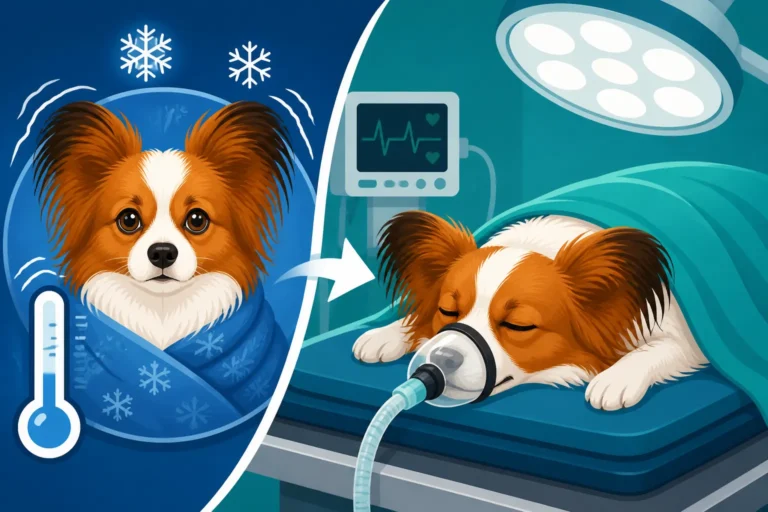
- Anesthesia Protocol: Your veterinary team will choose an anesthesia protocol designed to minimize stress and maintain stable blood pressure, as fluctuations can exacerbate bleeding. They will also pay close attention to keeping your Papillon warm under anesthesia, as hypothermia can impair clotting. You might want to review Anesthesia and a Five Pound Papillon for more general information on this.
- Intraoperative Monitoring: During surgery, your Papillon will be closely monitored for any signs of bleeding. This includes careful observation of the surgical site, monitoring blood pressure, heart rate, and oxygen levels. The surgical team will use meticulous techniques to minimize tissue trauma and control any bleeding as it occurs.
- Fluid Support: Intravenous fluids will be administered throughout the procedure to help maintain blood pressure and hydrate your Papillon, which is especially important if any blood loss occurs.
- Specialist Consideration: For complex surgeries or if your Papillon has a severe form of vWD, your vet might recommend consulting with a board-certified veterinary surgeon or internal medicine specialist. These specialists have advanced training and experience in managing high-risk patients. For a condition like Patellar Luxation Is the Papillon Problem You Will Actually Meet, which might require surgery, a specialist could be a wise choice.
The aim is to create an environment where the surgical procedure can be performed as safely as possible, minimizing the chances of significant bleeding complications.
Managing Post-Operative Bleeding
The period immediately following surgery is also critical for a Papillon with vWD, as delayed bleeding can still occur.
- Careful Observation: Your Papillon will need intensive post-operative monitoring. Veterinary staff will closely watch the incision site for any excessive oozing or swelling, and your Papillon’s gums will be regularly checked for pallor, indicating potential internal bleeding. They will also monitor for signs of pain or discomfort, which could mask bleeding.
- Pain Management: Pain control is vital for a comfortable recovery, but choosing the right medications for a vWD-affected Papillon requires careful thought. Your vet will select pain relievers that do not interfere with clotting, often opting for opioid-based medications rather than NSAIDs.
- Restricted Activity: For days to weeks post-surgery, your Papillon will need strict rest and activity restriction. This means no jumping, no running, and keeping them calm to prevent any strain on the surgical site that could lead to re-bleeding. This is where a comfortable crate or a small, enclosed space comes in handy.
- At-Home Monitoring: Once your Papillon is discharged, you'll need to continue careful monitoring at home. Your vet will give you specific instructions on what to look for, such as signs of swelling, redness, discharge, or any behavioral changes indicating discomfort or internal bleeding. You should have clear guidelines on when to contact the clinic immediately.
- Follow-up Appointments: Regular follow-up appointments will be scheduled to check on your Papillon's healing progress and ensure there are no delayed complications. This collaborative effort between you and your vet is crucial for a successful recovery.
While it's a daunting prospect, with diligent preparation and expert veterinary care, a Papillon with vWD can successfully undergo necessary surgeries and dental procedures. This is another area where a comprehensive pet insurance plan from a provider like Healthy Paws can significantly reduce the financial burden of specialized care, allowing you to focus on your Papillon's recovery rather than the veterinary bills.
Breeding Responsibly with Von Willebrand Disease in Mind
For those involved in breeding Papillons, Von Willebrand Disease presents a significant ethical and practical challenge. Responsible breeding practices are paramount to reduce the incidence of this inherited disorder and ensure the long-term health of the breed. It requires a deep understanding of genetics and a commitment to health testing.
Understanding Inheritance Patterns in Papillons
As mentioned earlier, Type 1 vWD in Papillons follows an autosomal recessive inheritance pattern. This means:
- Clear (N/N): A Papillon that inherits two normal copies of the gene is "clear." They do not have vWD and cannot pass the gene on to their offspring.
- Carrier (N/vWD): A Papillon that inherits one normal copy and one affected copy of the gene is a "carrier." These dogs typically do not show clinical signs of vWD because the single normal gene is usually sufficient to produce enough functional vWF. However, they can pass the affected gene to 50% of their offspring, on average.
- Affected (vWD/vWD): A Papillon that inherits two affected copies of the gene (one from each parent) is "affected." These dogs will have a deficiency in vWF and are at risk of experiencing bleeding episodes. The severity of their symptoms can vary, but they will pass an affected gene to all of their offspring.
Understanding these patterns is crucial for making informed breeding decisions. If two carriers are bred together, there's a 25% chance with each puppy that it will be affected, a 50% chance it will be a carrier, and a 25% chance it will be clear. This is why breeding two carriers together is generally discouraged. This principle of recessive inheritance is also vital for understanding conditions like The Papillon Type of Progressive Retinal Atrophy and the CNGB1 Gene.
The Role of DNA Testing for Breeders
Genetic DNA testing for Type 1 vWD is the single most powerful tool a Papillon breeder has to combat this disease. It provides irrefutable information about a dog's genetic status, allowing for strategic breeding plans that minimize the risk of producing affected puppies.
- Screening Breeding Stock: All Papillons intended for breeding should be DNA tested for vWD. This should be a standard health test, just like screening for patellar luxation or eye conditions. Which Health Tests a Papillon Breeder Should Run should always include vWD.
- Informed Mating Choices:
- Clear x Clear: This is the ideal pairing. All offspring will be genetically clear of vWD (N/N) and will not carry or be affected by the disease.
- Clear x Carrier: This pairing will produce approximately 50% clear offspring and 50% carrier offspring. No affected puppies will be born. This is often a responsible choice if the carrier parent possesses other exceptional qualities important for the breed's improvement, allowing their genetics to be passed on without producing affected dogs. The carrier offspring can then be DNA tested to inform their future breeding suitability.
- Clear x Affected: This pairing will produce 100% carrier offspring. While no affected puppies are born, all puppies will be carriers and would need to be DNA tested before any future breeding. This mating is less common but might be considered if the affected dog is otherwise outstanding and a valuable addition to the gene pool.
- Carrier x Carrier: This pairing carries a 25% risk of producing affected puppies and is generally not recommended by responsible breeders and breed clubs.
- Carrier x Affected: This pairing carries a 50% risk of producing affected puppies and 50% carrier puppies. This is generally not recommended.
- Affected x Affected: This pairing will produce 100% affected puppies and is never recommended.
- Eliminating Guesswork: DNA testing removes all uncertainty. A breeder no longer has to wonder if a seemingly healthy dog is a carrier. This precision allows for targeted breeding that preserves genetic diversity while systematically reducing the prevalence of vWD.
Breeders who consistently test their breeding stock and share their results openly are demonstrating a strong commitment to the health of the Papillon breed. Prospective puppy buyers should always ask to see proof of these health clearances. Whether Papillon Breeders Publish PRA Results and vWD results is a good indicator of their transparency.
Ethical Considerations for Breeding Affected or Carrier Papillons
The ethical landscape of breeding with inherited diseases can be complex, especially when considering the balance between health and preserving valuable genetic traits.
- Minimizing Affected Offspring: The primary ethical responsibility of a breeder is to avoid producing puppies that will suffer from genetic diseases. Therefore, matings that can produce affected puppies (e.g., carrier x carrier, carrier x affected, affected x anything other than clear) should be avoided.
- Preserving Genetic Diversity: Sometimes, a carrier Papillon might be an exceptional example of the breed in terms of temperament, conformation, or performance ability, possessing traits that are valuable to the breed's overall health and future. Completely removing all carriers from the breeding pool could inadvertently narrow the gene pool too much, leading to other genetic problems. In such cases, breeding a carrier to a clear dog, as outlined above, is a responsible strategy. This allows desirable traits to be passed on, but with the understanding that offspring from such a pairing will need to be tested if they are considered for future breeding.
- Transparency with Buyers: Any breeder selling a carrier puppy must inform the buyer of the puppy's genetic status and explain the implications, especially if the puppy is being sold with breeding rights. Most companion puppies (not intended for breeding) from a clear x carrier mating would still be DNA tested or assumed to be carriers, with buyers being informed. Often, these puppies are sold on limited registration to prevent them from being bred.
- Breed Club Guidelines: Reputable breed clubs, such as the Papillon Club of America, often have guidelines or recommendations for health testing and breeding practices. Adhering to these guidelines is a strong indicator of an ethical breeder.
Responsible breeding, aided by modern DNA testing, offers a clear path to reducing and eventually eliminating Von Willebrand Disease from the Papillon population without unduly compromising genetic diversity. It's a testament to how far veterinary science and responsible dog husbandry have come.
Living a Full Life with a Papillon Affected by vWD
A diagnosis of Von Willebrand Disease for your Papillon doesn't mean a life of constant worry or limitations. With proactive care, environmental adjustments, and a strong partnership with your veterinarian, many Papillons with vWD can enjoy a rich and fulfilling life. It's all about understanding their needs and adapting to them.
Adapting Your Home Environment for Safety
Just like you might childproof a home for a toddler, you can "dog-proof" your living space to minimize risks for a vWD-affected Papillon. The goal is to reduce opportunities for bumps, falls, or cuts that could trigger a bleeding episode.
- Soft Landings and Flooring: If you have hard floors (tile, hardwood, laminate), consider placing rugs or runners in high-traffic areas where your Papillon runs and plays. This can provide better traction and soften any potential falls. A hard landing after slipping could lead to bruising or internal trauma.
- Ramps and Steps: Papillons are known for their love of furniture and jumping. However, repeated jumping up and down from sofas, chairs, or beds can put stress on their joints and increase the risk of an awkward landing that results in a bruise or injury. Providing pet ramps or steps, especially near their favorite lounging spots, can significantly reduce this risk. You might find Whether a Papillon Should Be Lifted Down From the Bed to be a helpful read.
- Protective Barriers: Identify any sharp edges on furniture or hearths that are at your Papillon's level. You can use corner guards, similar to those for baby-proofing, to cover these hazards. Even a playful bump could cause a cut or bruise that bleeds excessively.
- Designated Safe Spaces: Ensure your Papillon has a comfortable, quiet space where they can rest without interruption. A cozy crate or a soft dog bed in a low-traffic area can be a sanctuary, especially after an active play session or if they need to recover from a minor incident.
- Outdoor Area Checks: Before letting your Papillon out into a yard, quickly scan for any sharp objects, broken branches, or anything they could cut themselves on. While a fully "safe" yard is impossible, minimizing obvious hazards is helpful.
These adjustments are often simple but can make a big difference in reducing your Papillon's exposure to potential injury and thus, potential bleeding episodes.
Exercise and Play Considerations
An affected Papillon still needs exercise and mental stimulation, but the type and intensity of activity might need some modification to ensure their safety.
- Controlled Play Sessions: Supervise all play sessions, especially if your Papillon plays with other dogs. While Papillons are often confident and will stand their ground even against larger dogs, rough play with bigger, clumsier canines could lead to accidental injury. Opt for playdates with gentle, small-breed dogs who understand boundaries.
- Leash Walking: Consistent leash walking is generally safe and encouraged. It provides exercise, mental stimulation from new smells, and social interaction. Use a comfortable harness instead of a collar to avoid any neck or tracheal trauma, which could lead to bruising or internal bleeding in that sensitive area. You might be interested in Whether a Papillon Should Wear a Harness Instead of a Collar.
- Low-Impact Activities: Activities like scent work, puzzle toys, and short training sessions are excellent ways to engage your Papillon mentally without putting physical stress on their body. Many Papillons excel at learning tricks, which can be a fantastic, low-impact way to bond and provide enrichment. Remember, How Much Exercise a Papillon Needs often includes mental stimulation as much as physical.
- Avoid High-Impact Sports (with caution): While Papillons are agility stars, high-impact activities like competitive agility (especially with jumps and weave poles) might carry a higher risk of injury for a vWD-affected dog. Even if your Papillon loves agility, consult with your vet and a canine sports medicine specialist before participating. They can help you weigh the risks and benefits, and potentially suggest modifications or alternative dog sports that are less strenuous. Some Papillons, even with a Grade One Knee, can compete, so it’s about careful management. Whether a Papillon With a Grade One Knee Can Compete depends on many factors.
- Monitor for Fatigue: Always monitor your Papillon for signs of fatigue or discomfort during and after exercise. If they seem unusually tired, limp, or show any new bruising, cut the activity short and investigate the cause.
The goal is to provide a balanced life that keeps your Papillon happy and active without unnecessarily increasing their risk of bleeding.
Partnering with Your Veterinarian for Long-Term Care
Your veterinarian is your most important ally in managing your Papillon’s Von Willebrand Disease. A strong, ongoing partnership is essential for their long-term health and well-being.
- Regular Consultations: Schedule regular check-ups, even when your Papillon seems perfectly healthy. These visits allow your vet to monitor their overall condition, assess for any subtle signs of chronic blood loss or developing issues, and update their medical records.
- Open Communication: Don't hesitate to contact your vet with any questions or concerns, no matter how small they seem. It's better to ask than to guess. Keep a detailed record of any bleeding episodes, including dates, severity, and how they were managed, as this information is invaluable for your vet.
- Emergency Protocol Development: Work with your vet to establish a clear emergency protocol. This should include:
- What constitutes an emergency requiring immediate veterinary attention.
- The best way to reach your vet or the emergency clinic after hours.
- Any specific instructions for at-home first aid during a bleeding episode.
- Information about where your Papillon’s medical records (including their vWD status) are kept.
- Medication Review: Before administering any new medication or supplement, always check with your vet. This includes over-the-counter remedies. They can advise you on potential interactions or contraindications related to vWD.
- Financial Planning and Pet Insurance: Managing an inherited condition like vWD can involve significant veterinary costs, especially if transfusions or specialist care are needed. Investigating pet insurance plans, like those offered by Healthy Paws, early in your Papillon’s life can provide a financial safety net. Be aware that most insurance plans consider genetic conditions like vWD pre-existing if diagnosed before coverage starts, so securing a policy early is key. They might also cover conditions related to Papillon's dental health, which is a major concern. How Common Dental Disease Is in Papillons is very high.
Living with a Papillon with vWD is a journey, not a sprint. By understanding the condition, taking proactive steps, and maintaining open communication with your vet, you can ensure your beloved butterfly dog continues to flutter through life with joy and confidence, despite their unique health considerations.
Table: Key Differences in vWD Types & Symptoms
| Feature | Type 1 vWD | Type 2 vWD | Type 3 vWD |
|---|---|---|---|
| vWF Level | Reduced amount of normal vWF (1-60% of normal) | Normal/near-normal amount of abnormal vWF | Virtually no vWF (<1% of normal) |
| vWF Function | Normal | Abnormal | Absent |
| Severity of Bleeding | Mild to moderate; can be severe | Moderate to severe | Severe, spontaneous, life-threatening |
| Common Symptoms | Bruising, nosebleeds, gum bleeding, prolonged post-surgical bleeding | Similar to Type 1, but often more severe and spontaneous | Spontaneous hemorrhages into joints, muscles, body cavities, life-threatening |
| Breeds Affected | Papillon, Doberman Pinscher, Golden Retriever, Shetland Sheepdog, etc. | German Shorthaired Pointer, German Wirehaired Pointer, Large Munsterlander | Scottish Terrier, Shetland Sheepdog, Chesapeake Bay Retriever, etc. |
| Inheritance Pattern | Autosomal Recessive | Autosomal Recessive or Dominant (breed dependent) | Autosomal Recessive |
| Desmopressin Response | Often positive | Usually poor or no response | No response |
| Diagnosis | vWF:Ag test, DNA test | vWF:Ag test, vWF multimer analysis | vWF:Ag test, DNA test |
Disclaimer
The information provided in this guide is for general informational purposes only and does not constitute veterinary advice. Always consult with a qualified veterinarian for any health concerns or before making any decisions related to your Papillon's care, diet, or treatment.