What a Papillon’s Pre Dental Bloodwork Costs
It's a familiar knot of anxiety many Papillon owners feel: the vet mentions a dental cleaning, and immediately your mind jumps to the anesthesia. You worry about your tiny butterfly dog going under, and then you start thinking about the cascade of costs that comes with it, particularly that pre-dental bloodwork. It can feel like just another hurdle, another expense, when all you want is for your sweet companion to have a healthy mouth. This guide is here to walk you through exactly what that pre-dental bloodwork entails, why it's so vital for a small breed like the Papillon, and what factors might influence the cost, helping you feel more prepared and less overwhelmed.
The Absolute Necessity of Pre-Dental Bloodwork for Your Papillon
Let's be honest, nobody loves unexpected vet bills, and the cost of diagnostic tests can sometimes feel like a surprise. But when it comes to your Papillon's dental procedure, pre-anesthetic bloodwork isn't just an optional add-on; it's a critical safety measure. Imagine putting your beloved little dog, perhaps a delicate five-pound bundle of joy, under anesthesia without knowing how their internal organs are functioning. It's like embarking on a long road trip without checking the oil, tires, or brakes – you just wouldn't do it with something so precious.
Papillons, like many toy breeds, can be particularly sensitive to anesthesia. Their small size means their bodies process medications differently, and what might be a minor issue in a larger dog could become a significant risk for them. This is why veterinarians are so insistent on these preliminary tests. The bloodwork provides a snapshot of your dog's current health, revealing potential underlying conditions that might not be obvious during a physical exam. It allows your vet to tailor the anesthesia protocol specifically for your Papillon, making the procedure as safe as possible. Neglecting this step could expose your little one to unnecessary risks, which, for any loving pet parent, is simply not an option. It's all about peace of mind for you, and paramount safety for them. You can delve more into this specific concern in our article, Whether a Papillon Is Sensitive to Anesthesia.
Why Small Dogs Have Unique Anesthesia Risks
You might wonder why a little Papillon needs such scrutiny compared to, say, a Labrador. It largely comes down to physiology. Smaller dogs have a higher surface area to volume ratio, meaning they lose body heat more quickly, which can be a concern under anesthesia. Their tiny blood vessels and organs can also be more susceptible to medication effects. A small fluctuation in blood sugar or a slightly overworked liver can have a much more pronounced and dangerous impact on a five-pound Papillon than on a fifty-pound dog.
Beyond just size, Papillons are also prone to certain genetic predispositions, just like any other breed. While the bloodwork itself isn't a genetic test, it can detect the effects of conditions that might be more prevalent in smaller breeds. For example, certain liver or kidney issues, or even subtle clotting abnormalities, could pose a serious threat during surgery. The pre-dental bloodwork is designed to catch these red flags before the anesthesia even begins, allowing your veterinary team to make informed decisions and adjustments. It's an investment in your Papillon's health and longevity, especially considering Dental Work Over a Papillon's Long Life is often a recurring necessity.
Catching Hidden Problems Before They Become Crises
The true value of pre-dental bloodwork often lies in uncovering problems you had no idea existed. Your Papillon might seem perfectly healthy on the outside, full of boundless energy and charm. But internally, things could be amiss. Early kidney disease, for instance, often shows no outward symptoms until it's quite advanced. The same goes for certain liver conditions. These organs are crucial for processing and eliminating anesthetic drugs from the body. If they aren't functioning optimally, the drugs can build up, leading to serious, even fatal, complications.
Think of the bloodwork as a preventative health screening that runs deeper than just a physical exam. It's looking at the invisible. Perhaps your Papillon has a slightly elevated kidney enzyme that suggests early renal stress. With this information, your vet can choose a different anesthetic agent, administer IV fluids more aggressively to support kidney function, or even postpone the dental procedure to address the underlying issue first. It's all about proactive care, ensuring that the dental cleaning, which is vital for your Papillon's overall health and comfort, doesn't inadvertently trigger a more severe health crisis. Many vets will strongly advise this bloodwork, and you can learn more about general diagnostics in What a Papillon's Yearly Bloodwork Should Cover.
What Tests Are Included in Your Papillon's Pre-Dental Bloodwork
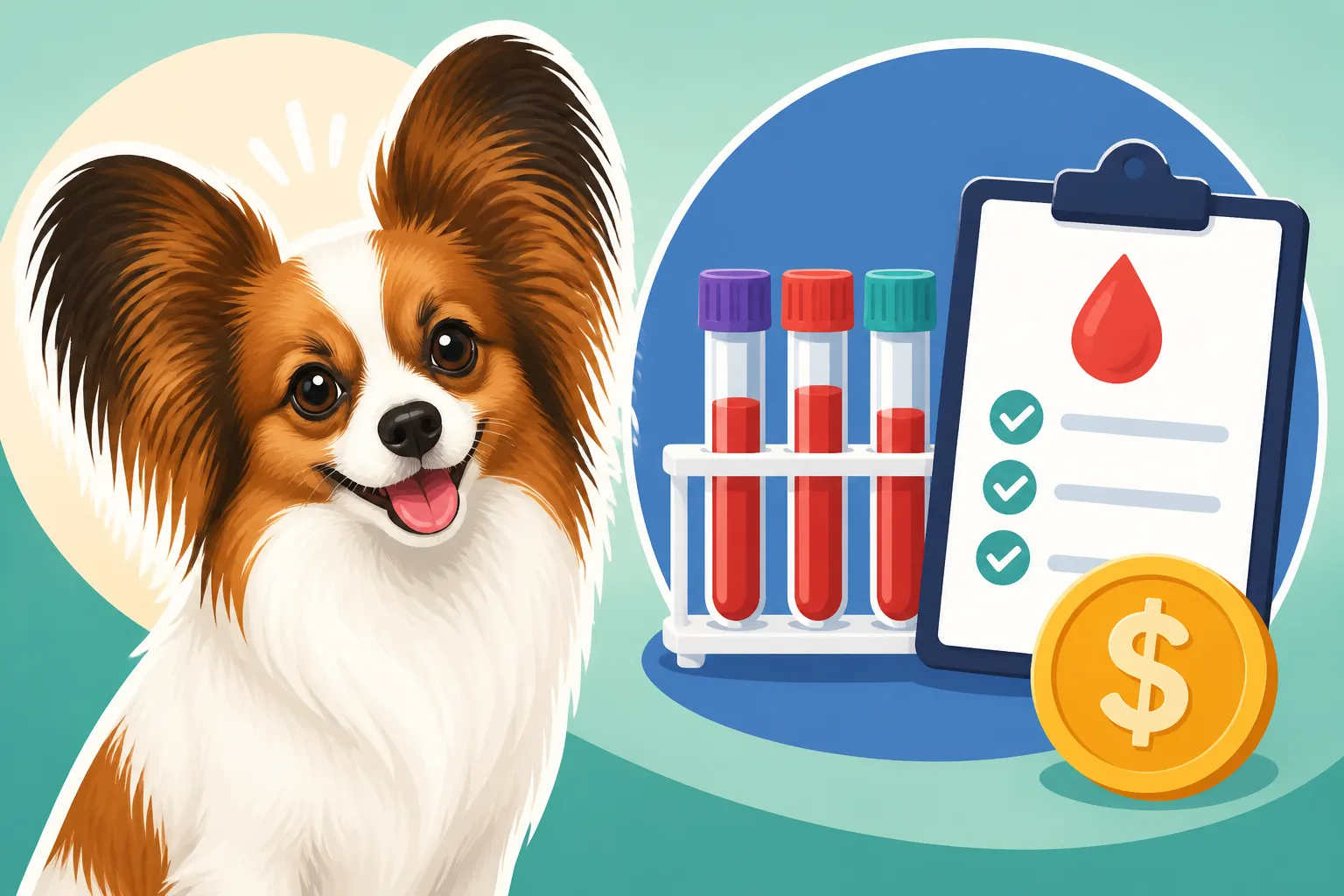
When your vet talks about pre-dental bloodwork, they're typically referring to a panel of tests designed to give a comprehensive overview of your Papillon's vital organ function and general health. This isn't just one single test; it's a collection of tests, each providing a piece of the puzzle. Understanding what each component is looking for can help you appreciate why these tests are so important and why they contribute to the overall cost. The goal is to ensure that your Papillon's body is robust enough to handle the stress of anesthesia and the procedure itself.
Complete Blood Count (CBC): The Body's Basic Health Snapshot
The Complete Blood Count, or CBC, is one of the most fundamental tests included in pre-dental bloodwork. It gives your vet a detailed look at the different cells circulating in your Papillon's blood. This includes red blood cells, white blood cells, and platelets.
- Red Blood Cells: These carry oxygen throughout the body. If your Papillon has a low red blood cell count (anemia), it could mean they might struggle with oxygen delivery during anesthesia, making the procedure riskier. Conversely, a high count could indicate dehydration.
- White Blood Cells: These are your dog's immune system fighters. An elevated white blood cell count can signal an infection or inflammation, which might be particularly relevant if your Papillon has severe dental disease, as oral bacteria can spread throughout the body. A low count could indicate a compromised immune system.
- Platelets: These are essential for blood clotting. If your Papillon has a low platelet count or issues with platelet function, they could be at a higher risk of excessive bleeding during or after the dental procedure. This is especially important for a procedure that involves gum work or extractions. Knowing this beforehand allows the vet to take precautions or even delay the procedure if the risk is too high.
The CBC offers crucial insights into your Papillon's ability to heal and fight off infection, both of which are paramount for a successful dental cleaning.
Chemistry Panel: Assessing Organ Function and Metabolism
The chemistry panel is another cornerstone of pre-dental bloodwork, focusing on the health and function of your Papillon's internal organs, primarily the liver and kidneys, but also providing information on blood sugar, electrolytes, and protein levels.
- Liver Enzymes (e.g., ALT, ALP): The liver is responsible for metabolizing many drugs, including anesthetics. Elevated liver enzymes can indicate liver damage or disease, which means your Papillon might have trouble processing the anesthetic agents, leading to prolonged recovery or even toxicity.
- Kidney Values (e.g., BUN, Creatinine): The kidneys filter waste products from the blood and are vital for maintaining fluid balance. Impaired kidney function can make anesthesia risky because the kidneys might not effectively excrete the anesthetic drugs or maintain proper hydration.
- Glucose (Blood Sugar): Papillon puppies, in particular, can be prone to hypoglycemia (low blood sugar), but even adult Papillons can experience fluctuations. Anesthetic drugs can also affect blood sugar levels. Knowing your dog's baseline glucose helps the vet manage this during the procedure, especially for little ones who might struggle to regulate their blood sugar during fasting or stress.
- Proteins (e.g., Albumin, Globulin): These values can reflect hydration status, inflammation, and even underlying diseases affecting the liver or kidneys.
A comprehensive chemistry panel helps ensure that your Papillon's internal systems are ready to handle the stress of anesthesia. If abnormalities are found, your vet can implement supportive care, such as IV fluids, or adjust the anesthetic protocol.
Optional or Additional Tests: Tailoring the Diagnostics
While a CBC and chemistry panel are standard, your veterinarian might recommend additional tests based on your Papillon's age, medical history, or specific concerns.
- Thyroid Panel: For older Papillons, a thyroid test (T4) might be included. Hypothyroidism, while more common in larger breeds, can affect metabolism and organ function, potentially influencing how a dog responds to anesthesia. If your Papillon is Caring for a Papillon Past Eleven, this might be a particularly relevant addition.
- Urinalysis: This test provides information about kidney function and hydration, and can detect urinary tract infections that might complicate recovery or indicate broader systemic issues.
- Clotting Profile (Coagulation Panel): If there's any suspicion of a bleeding disorder, such as Von Willebrand Disease (which some toy breeds can carry, though it's less common in Papillons), a clotting panel might be recommended. This is crucial to ensure your Papillon's blood clots effectively, especially if extractions are anticipated. You might consider this a good idea if you know your Papillon will undergo extensive dental work. Our article Whether a Papillon Should Be Tested Before Surgery goes into more detail on this.
These additional tests aren't always necessary for every dental, but they highlight the customizable nature of pre-dental diagnostics, allowing your vet to create the safest plan possible for your individual dog.
Factors Influencing the Cost of Papillon Pre-Dental Bloodwork
The price tag on your Papillon's pre-dental bloodwork isn't a fixed figure you'll find plastered on a wall. It's influenced by a range of factors, from where you live to the specific clinic you choose, and even the urgency of the situation. Understanding these variables can help you anticipate the cost and have a more informed conversation with your veterinary team. It's rarely about nickel-and-diming; it's about providing the best, safest care possible for your tiny companion.
Geographical Location and Clinic Type
Just like human healthcare, veterinary costs can vary significantly based on your geographical location. A vet clinic in a bustling urban center, where overheads like rent and staffing are higher, will generally charge more for services than a clinic in a rural area. Similarly, a state-of-the-art veterinary hospital with specialized equipment and emergency services might have different pricing than a smaller, independent general practice.
The type of clinic also plays a role. Emergency veterinary clinics, for instance, often have higher prices for diagnostics due to the immediate availability of staff and equipment, even if the tests are the same. For routine pre-dental bloodwork, most Papillon owners will go to their regular veterinarian. However, if your Papillon has an acute issue discovered during a dental consultation, you might be referred to a specialist or an emergency facility, which would impact costs. It's always a good idea to get a detailed estimate from your specific clinic.
The Scope of Tests Performed
As we discussed, pre-dental bloodwork isn't just one test. The final cost will directly reflect the breadth of the diagnostic panel performed. A basic screening might include a CBC and a small chemistry panel, which would naturally be less expensive than a more extensive panel that includes a thyroid check, a full electrolyte profile, or a clotting panel.
Your Papillon's age and health history are key determinants here. A young, healthy Papillon with no known issues might only require a basic panel. However, an older Papillon, especially one with a history of heart murmurs, kidney issues, or other chronic conditions, will almost certainly require a more comprehensive workup. The vet is trying to mitigate risk, and older dogs simply carry more potential risks. Don't be surprised if the recommendations change as your Papillon ages; a procedure that was simple at five might require more extensive diagnostics at twelve. Our article The Age a Papillon Is Considered Senior might offer more context on this.
Internal vs. External Lab Costs
Some veterinary clinics have in-house laboratory equipment that allows them to run many blood tests on-site, providing results quickly. This can be very convenient, especially if rapid results are needed for scheduling purposes. Other clinics might send all or some of their bloodwork samples to an external veterinary reference laboratory.
There can be differences in pricing between these two methods. In-house labs might have a slightly different cost structure due to equipment maintenance and reagents, while external labs have their own processing fees. Often, external labs can offer a wider range of specialized tests and even more detailed analyses. Most vets absorb shipping costs, but the lab fee itself is part of the overall cost. Regardless of whether the test is run in-house or sent out, the crucial thing is that you're getting accurate results to ensure your Papillon's safety.
Other Contributing Factors
Beyond the primary factors, a few other elements can subtly influence the final cost:
- Pre-Anesthetic Exam Fee: Often, the blood draw itself is accompanied by a brief pre-anesthetic physical exam. This ensures your Papillon is still healthy on the day of the procedure and that no new issues have arisen since the initial consultation. This exam fee might be bundled or listed separately.
- Emergency vs. Routine: If bloodwork needs to be rushed due to an emergency or a sudden change in health, some clinics might charge an expedited fee for immediate processing or stat lab requests. For a routine dental, this is usually not an issue, as tests are scheduled in advance.
- Sedation for Blood Draw: For some particularly anxious or feisty Papillons, a mild sedative might be necessary to get a clean blood sample, ensuring the safety of both the dog and the veterinary staff. This would be an additional small cost.
- Clinic Mark-up: Clinics generally add a small mark-up to the cost of external lab tests to cover their administrative time, handling, and interpretation of results. This is standard practice across the industry.
It's always best to ask for a detailed estimate outlining all charges related to the pre-dental bloodwork, so you know exactly what you're paying for.
Managing the Cost of Your Papillon's Pre-Dental Bloodwork
The cost of pre-dental bloodwork, while necessary, can sometimes add up, especially when combined with the dental cleaning itself. No one wants to feel blindsided by expenses, particularly when it concerns their beloved Papillon's health. Fortunately, there are several strategies and resources available to help make these costs more manageable, ensuring your furry friend gets the care they need without breaking the bank.
Pet Insurance: A Financial Safety Net
Pet insurance can be a fantastic way to mitigate unexpected veterinary costs, including diagnostic tests like pre-dental bloodwork. However, it's crucial to understand your policy's specifics. Many comprehensive pet insurance plans, like those offered by Healthy Paws, will cover the cost of pre-anesthetic bloodwork if it's deemed medically necessary for a covered dental procedure. What isn't usually covered are routine preventative cleanings without a medical reason (like existing dental disease).
Here's what to look for:
- Wellness vs. Accident/Illness Plans: Basic accident and illness plans typically cover diagnostic tests for illness. If your Papillon needs a dental due to severe periodontal disease, and the bloodwork is part of assessing that illness, it's often covered. Wellness plans, if you have one, are designed to cover routine preventative care, which might include some diagnostic testing.
- Deductibles and Reimbursement Rates: Remember that pet insurance usually involves a deductible you must meet before coverage kicks in, and then they reimburse a percentage of the remaining cost (e.g., 80% or 90%).
- Waiting Periods and Pre-existing Conditions: Be aware of waiting periods before coverage for certain conditions begins, and understand how your policy handles pre-existing conditions. If your Papillon already has a diagnosed health issue that necessitates a more extensive blood panel, ensure your policy will cover it. If you're considering pet insurance for your Papillon, it's always best to enroll them when they're young and healthy, before any conditions arise.
Preventative Care and Early Intervention
One of the best long-term strategies for managing dental care costs for your Papillon, including the associated bloodwork, is diligent preventative care. Regular tooth brushing at home can significantly reduce the frequency and severity of dental disease. Papillons are notoriously prone to dental issues due to their small jaws and crowded teeth, so daily brushing is paramount. Our guides Brushing a Papillon's Teeth in a Very Small Mouth and How Early Tartar Appears on a Papillon offer detailed advice.
By keeping your Papillon's teeth clean, you can often push back the need for professional dental cleanings, or at least reduce the extent of the work required when they do go in. Fewer extractions or less severe periodontal disease means a less complicated procedure, potentially reducing the need for the most extensive (and thus most expensive) pre-anesthetic blood panels. Early intervention, catching dental issues when they're minor, saves money and stress in the long run. Good nutrition also plays a role in overall health, supporting your Papillon's immune system and organ function. Many owners find brands like Ollie, with its fresh, human-grade ingredients, appealing for their pet's health.
Exploring Payment Options and Financial Assistance
If you find yourself facing a substantial bill for your Papillon's dental work and bloodwork, don't hesitate to speak openly with your veterinary clinic about payment options. Many practices understand the financial strain of pet care and are willing to work with you.
- Payment Plans: Some clinics offer in-house payment plans, allowing you to pay the total cost over several installments.
- Third-Party Credit: There are also dedicated third-party credit services designed specifically for veterinary expenses. These often offer deferred interest options if paid within a certain timeframe, acting like a medical credit card for your pet.
- Veterinary Care Funds: In some areas, there are local or national charitable organizations that offer financial assistance for pet owners who cannot afford necessary veterinary care. Ask your vet if they know of any such programs in your community.
- Saving and Budgeting: Proactively setting aside a small amount each month into a dedicated "pet fund" can cushion the blow of unexpected veterinary expenses. This foresight can be invaluable, especially for a breed like the Papillon that often requires Dental Work Over a Papillon's Long Life. Websites like Chewy also often have sections for pet health advice, sometimes linking to resources for managing care costs.
Here's a quick comparison of general cost-management strategies for dental bloodwork:
| Strategy | Benefits | Considerations |
|---|---|---|
| Pet Insurance | Covers significant portions of unexpected costs; broad coverage for illness. | Waiting periods; deductibles; pre-existing clauses; monthly premiums. |
| Preventative Care | Reduces frequency/severity of dental issues; saves money long-term. | Requires daily commitment (brushing); doesn't eliminate all risk. |
| Veterinary Payment Plans | Breaks large costs into manageable installments. | Not all clinics offer them; interest may apply; requires good credit. |
| Emergency Fund | Immediate access to funds; no interest/premiums. | Requires discipline to save; may not cover all major expenses. |
Ultimately, ensuring your Papillon receives pre-dental bloodwork is a crucial step in responsible pet ownership. It's about protecting their tiny body from the inherent risks of anesthesia and giving them the best chance for a smooth procedure and quick recovery. While the cost is a factor, the peace of mind and improved safety it provides are truly priceless.
Disclaimer
This article is for general informational purposes only and does not constitute professional advice. Laws, prices and regulations vary by location and change over time. Consult a qualified professional for guidance on your specific situation.