Which Kibble a Papillon Can Actually Pick Up
If you've ever watched your adorable Papillon trying to manage a piece of kibble that looks like a boulder in their tiny mouth, you know the struggle is real. It's not just about them being dainty; sometimes, the wrong kibble size or shape can make eating a chore, lead to frustration, or even cause them to choke or leave food behind. This guide is here to help you navigate the world of dog food and find the perfect kibble that your Papillon can actually pick up and enjoy, ensuring they get all the nutrition they need without the mealtime wrestling match.
Understanding Your Papillon's Unique Eating Needs
Papillons are delightful little dogs, but their small size, particularly their delicate jaws and tiny teeth, means they have very specific considerations when it comes to their food. It’s not just a matter of scaling down a big dog's meal; their entire oral structure is different, making certain kibble types much more suitable than others.
The Anatomy of a Papillon's Mouth
Imagine trying to eat a full-sized pretzel with a child's mouth – that's often what we ask our Papillons to do with standard kibble. Their jaws are slender and their muzzles are fine, not broad and deep like a Labrador's. This means they can't open their mouths as wide, nor do they have the powerful crushing force in their molars to break down large, dense pieces of food. Their teeth, while plentiful, are also smaller and can be prone to crowding, which can make it even harder for them to grasp and chew effectively. When you combine their small jaw with a piece of kibble that's too large, it often results in them trying to pick it up multiple times, pushing it around the bowl, or simply giving up on pieces they can't manage.
Beyond just the size, the shape of their jaw means they might struggle with kibble that is thick or has sharp, angular edges. They need something that can easily fit between their front teeth to be scooped up, or something small enough to be moved directly to their back molars for a quick crunch. Ignoring these anatomical facts can lead to your Papillon becoming a "picky eater" when, in reality, they're just physically unable to eat what's offered.
Why Kibble Size and Shape Matter for Papillons
The choice of kibble goes far beyond just getting food into their tummies; it directly impacts their enjoyment of mealtime, their dental health, and their overall digestion. A Papillon struggling with oversized kibble might gulp it down whole, leading to digestive upset or even a choking hazard. Conversely, if they're forced to chew excessively on hard, large pieces, it can put undue stress on their small teeth and jaw, potentially contributing to dental problems later on.
Think about it this way: if your dog isn't efficiently picking up and chewing their food, they might not be eating enough, or they might be swallowing too much air, which can cause gas or discomfort. Optimal kibble facilitates proper chewing, which is the first step in the digestive process. It allows their saliva to mix thoroughly with the food, breaking it down into smaller particles before it reaches the stomach. This ease of eating makes mealtime a positive experience, rather than a frustrating one, and helps them absorb nutrients more effectively. Plus, let's be honest, it's just nicer to watch them eat without all the fuss!
Key Characteristics of Papillon-Friendly Kibble
Finding the right kibble for your Papillon doesn't have to be a guessing game. By focusing on a few key characteristics, you can narrow down the options and choose a food that's perfectly suited for their unique needs.
Small and Manageable Size
This is perhaps the most critical factor. For a Papillon, "small breed kibble" usually means pieces that are significantly smaller than what you'd find in a typical adult dog food bag. We're talking about pieces no bigger than a pea, and often even smaller. When you're standing in the pet store aisle, resist the urge to just eyeball it. Really examine the kibble, or look for descriptions online that specify "tiny bites" or "extra small." Some brands even specifically market to toy breeds, which is a good indicator.
Consider how your Papillon actually eats. Do they delicately pick up each piece, or do they try to scoop a mouthful? Small, consistent sizes make both approaches easier. If the pieces are too varied in size, they'll still struggle with the larger ones, defeating the purpose. A good rule of thumb is that the kibble should be able to fit comfortably in the widest part of their mouth without forcing them to stretch their jaw. This small size also means they can more easily move the kibble to their molars for proper chewing, rather than trying to swallow it whole.
Optimal Shape and Texture
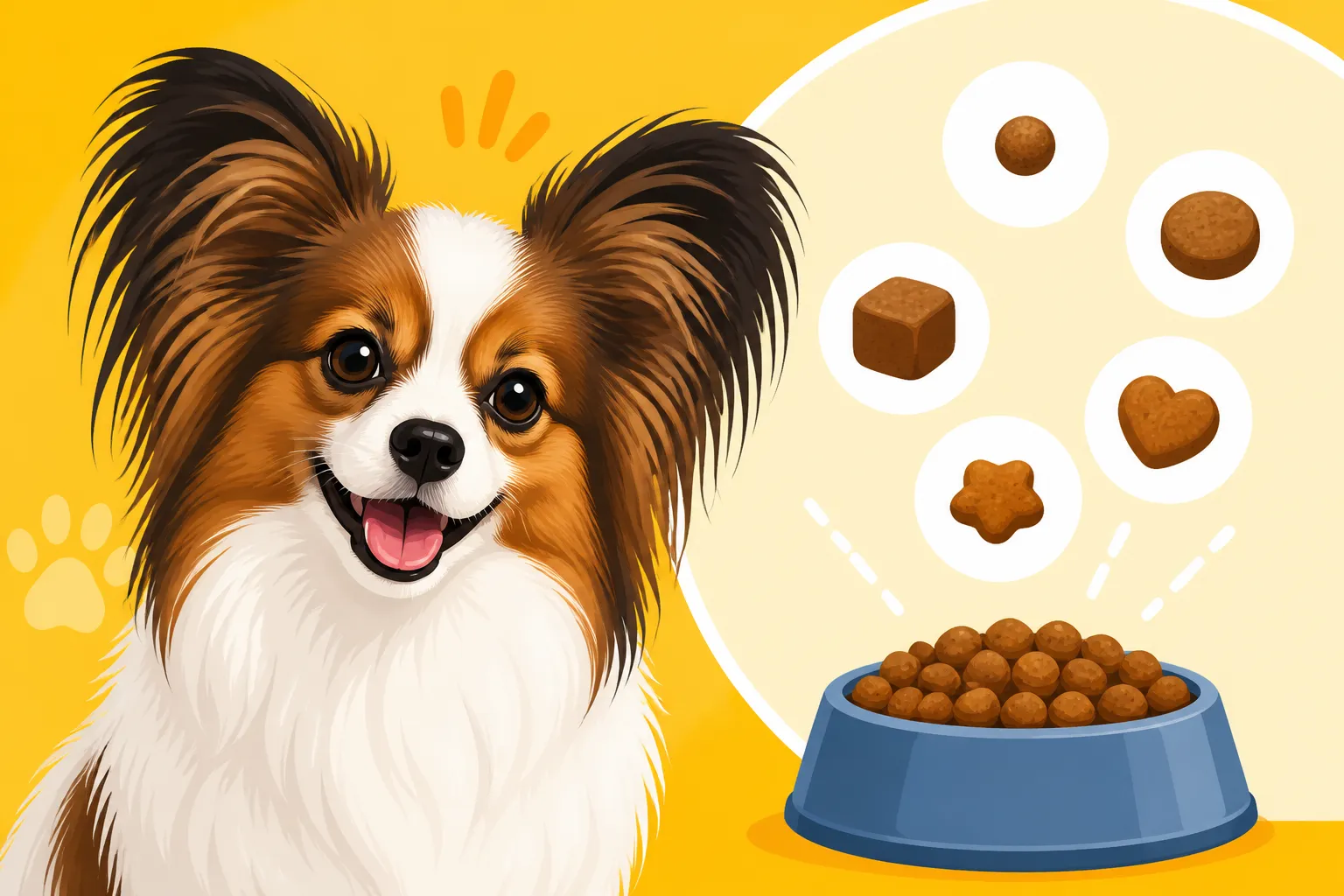
Beyond just size, the shape and texture of the kibble play a huge role. Flat, round, or disc-shaped kibble often works very well for Papillons, as these shapes are easier to grasp with their front teeth and manipulate in their mouth. Avoid overly complicated shapes, stars, or cubes that might have sharp edges or be difficult to scoop. A slightly irregular shape can sometimes provide a bit of grip for their teeth, but the primary goal is ease of pick-up.
Texture is also important. While all kibble is dry, some can be incredibly hard and dense. For a Papillon with a delicate jaw, a slightly less dense, more porous kibble can be easier to crunch. However, you don't want it so crumbly that it turns to dust in the bag or creates a huge mess. A good balance allows for a satisfying crunch without requiring excessive force. Some owners even slightly moisten their Papillon's kibble with a little warm water or a low-sodium broth, which can soften it just enough to make it easier to chew, especially for older dogs or those with The Teeth in a Papillon's Small Jaw.
Here's a quick look at kibble characteristics:
| Characteristic | Ideal for Papillons | Less Ideal for Papillons |
|---|---|---|
| Size | Very small (pea-sized or smaller), consistent | Large, varied sizes, large nuggets |
| Shape | Flat, round, disc, slightly irregular for grip | Thick cubes, stars, highly angular shapes |
| Texture | Moderately dense, not overly hard, slightly porous | Very hard, overly dense, excessively crumbly |
| Weight | Lightweight, easy to pick up | Heavy, dense pieces that roll away easily |
Popular Small Breed Kibble Brands to Explore
Many reputable pet food companies understand the needs of smaller breeds and formulate specific "small breed" or "toy breed" options. When you're searching, look for brands that highlight these distinctions. Online retailers like Chewy and Amazon are fantastic resources because you can often filter by "small breed" or "toy breed" and read reviews from other Papillon owners or owners of similarly small dogs.
Brands such as Royal Canin, Hill's Science Diet, Eukanuba, and Merrick often have excellent small-breed specific formulas with kibble designed for tiny mouths. Don't be afraid to read the ingredient list to ensure it’s a high-quality food with appropriate protein and nutrient levels, but also pay close attention to the actual kibble shape and size described (and sometimes pictured) on the packaging. Some owners even find that boutique or fresh-food delivery services, like Ollie, offer small, easily chewable portions that work wonderfully for their Papillons, though these often come at a different price point. It might take a little trial and error, but finding the right fit is well worth it for your furry friend's health and happiness.
Beyond Kibble Shape: Other Nutritional Considerations
While kibble size and shape are paramount for a Papillon's eating mechanics, they're part of a larger picture of proper nutrition and care. A well-rounded approach ensures your dog thrives, not just eats.
Addressing Picky Eating Habits
Papillons can sometimes develop a reputation for being picky eaters, but often, this pickiness stems from physical difficulty with their food or other underlying issues. If your Papillon is turning their nose up at perfectly good small kibble, it might be worth investigating if there's a medical reason, such as dental pain. Papillons are prone to How Common Dental Disease Is in Papillons, and a sore tooth can make even the most appealing food undesirable. A vet check-up is always a good first step if fussiness is sudden or persistent.
Once medical causes are ruled out, consider environmental factors. Are they stressed? Are they being offered too many treats throughout the day, diminishing their appetite for actual meals? Sometimes, simply establishing a consistent feeding schedule and limiting access to food between meals can encourage better eating habits. For a deep dive into this, you might find valuable insights in Getting a Picky Papillon to Eat or Why a Papillon Holds Out for Something Better. Remember, their small stomachs mean they don't need a huge volume of food, so even a few skipped bites can make a difference.
The Link Between Kibble and Dental Health
It's a common misconception that hard kibble "cleans" a dog's teeth. While some specialized dental diets are designed with unique textures to scrape plaque, most regular kibble does very little to combat dental disease, especially in breeds prone to it like the Papillon. In fact, kibble that's too hard or improperly sized can exacerbate issues by causing discomfort or making it difficult for them to chew properly, leading to food residue building up.
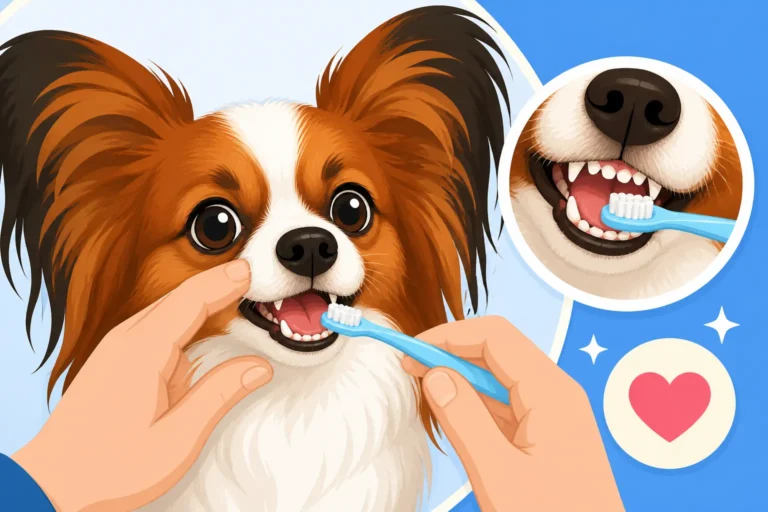
For Papillons, consistent dental care is crucial. Brushing their teeth daily with a pet-specific toothpaste is the gold standard, as discussed in Brushing a Papillon's Teeth in a Very Small Mouth. Dental chews designed for tiny mouths can help, but they are never a substitute for brushing. Even with the perfect kibble, regular vet check-ups and professional dental cleanings will likely be a part of your Papillon's long-term care plan to prevent problems like tooth loss or gum disease.
Feeding Schedule and Portions for Optimal Health
Papillons, especially puppies, can be prone to hypoglycemia (low blood sugar) due to their tiny size and fast metabolisms. This means consistent, appropriately sized meals are vital. For puppies, this might mean feeding them three or four times a day, as detailed in How Often a Papillon Puppy Must Eat to Stay Safe. As they mature, two meals a day is typical for most adult Papillons.
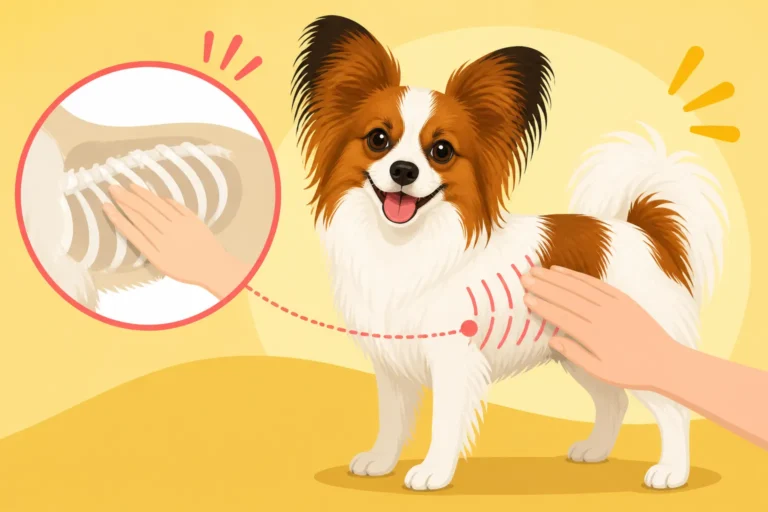
Portion control is equally important. While they are active little dogs, Papillons don't need a lot of calories. Obesity can put unnecessary strain on their delicate joints, especially their knees, which are prone to Patellar Luxation Is the Papillon Problem You Will Actually Meet. Always follow the guidelines on your chosen dog food packaging, but remember these are just starting points. Your Papillon's individual metabolism, activity level, and age will dictate their precise caloric needs. Monitor their weight and body condition regularly; you should be able to feel their ribs easily without seeing them, and they should have a discernible waist. Adjust their food intake as needed to maintain a healthy weight.
Observing and Adjusting Your Papillon's Mealtime Experience
Even after you've chosen what you believe is the perfect kibble, the real test is how your individual Papillon responds. Every dog is unique, and subtle cues from your furry friend can tell you a lot about their satisfaction and comfort during meals.
What to Look For During Mealtime
Pay close attention when your Papillon is eating. Do they approach their bowl eagerly, or hesitantly? Are they able to pick up the kibble easily on the first try, or do they repeatedly nudge it with their nose or paw? A Papillon that's having trouble might pick up a piece, drop it, and try again, or push it around the bowl trying to get a better angle. This can indicate the kibble is still too large or awkwardly shaped.
Also, observe how quickly they eat. If they're gulping large pieces without chewing, it's a red flag. On the other hand, if they are comfortably crunching each piece, that's a good sign. Watch for any signs of discomfort during or after eating, such as pawing at their mouth, excessive drooling, or reluctance to finish their meal. These could signal dental pain or a kibble that's still too hard for them. Their eating style can be very telling, whether they're daintily nibbling or enthusiastically chomping.
Troubleshooting Common Kibble Challenges
Sometimes, even with the right kibble, issues can arise. If your Papillon is still struggling, consider these troubleshooting steps:
- Elevated Bowls: For some small dogs, an elevated bowl can make eating more comfortable by reducing the strain on their neck and back. This can be especially helpful for older dogs or those with joint issues.
- Wetting the Kibble: As mentioned before, adding a small amount of warm water or low-sodium broth can soften the kibble and make it easier to chew, particularly for dogs with sensitive teeth or those who are Feeding a Papillon With Few Teeth. Start with just a tablespoon or two and see if it makes a difference.
- Slow Feeder Bowls: If your Papillon is still gulping their food, a slow feeder bowl designed for small breeds can help them pace themselves and encourage more chewing. These bowls have ridges or obstacles that make them work a little harder to get each piece, which can also aid digestion.
- Rotation of Foods: While consistency is generally good, some Papillons thrive on a little variety. Occasionally rotating between two or three high-quality, small-breed kibbles can keep mealtime interesting and prevent them from becoming bored or overly fixated on one texture. Just be sure to introduce new foods gradually to avoid digestive upset.
When to Consult Your Veterinarian
While many feeding issues can be resolved with changes to kibble or feeding methods, there are times when professional advice is necessary. If your Papillon suddenly stops eating, shows significant weight loss or gain, exhibits signs of pain while eating, or consistently experiences digestive issues like vomiting or diarrhea, it's time to consult your veterinarian. These could be symptoms of underlying health problems that require medical attention, such as Whether a Papillon Gets a Liver Shunt or issues related to The Teeth in a Papillon's Small Jaw.
Your vet can assess your Papillon's overall health, perform dental checks, and provide tailored nutritional advice based on their specific needs, age, and any existing health conditions. They can also help rule out more serious issues and guide you toward the best long-term feeding strategy for your beloved companion. Remember, you are your Papillon's best advocate, and proactive care ensures they live a long, happy, and well-fed life.
Disclaimer
This article is for general informational purposes only and does not constitute professional advice. Laws, prices and regulations vary by location and change over time. Consult a qualified professional for guidance on your specific situation.