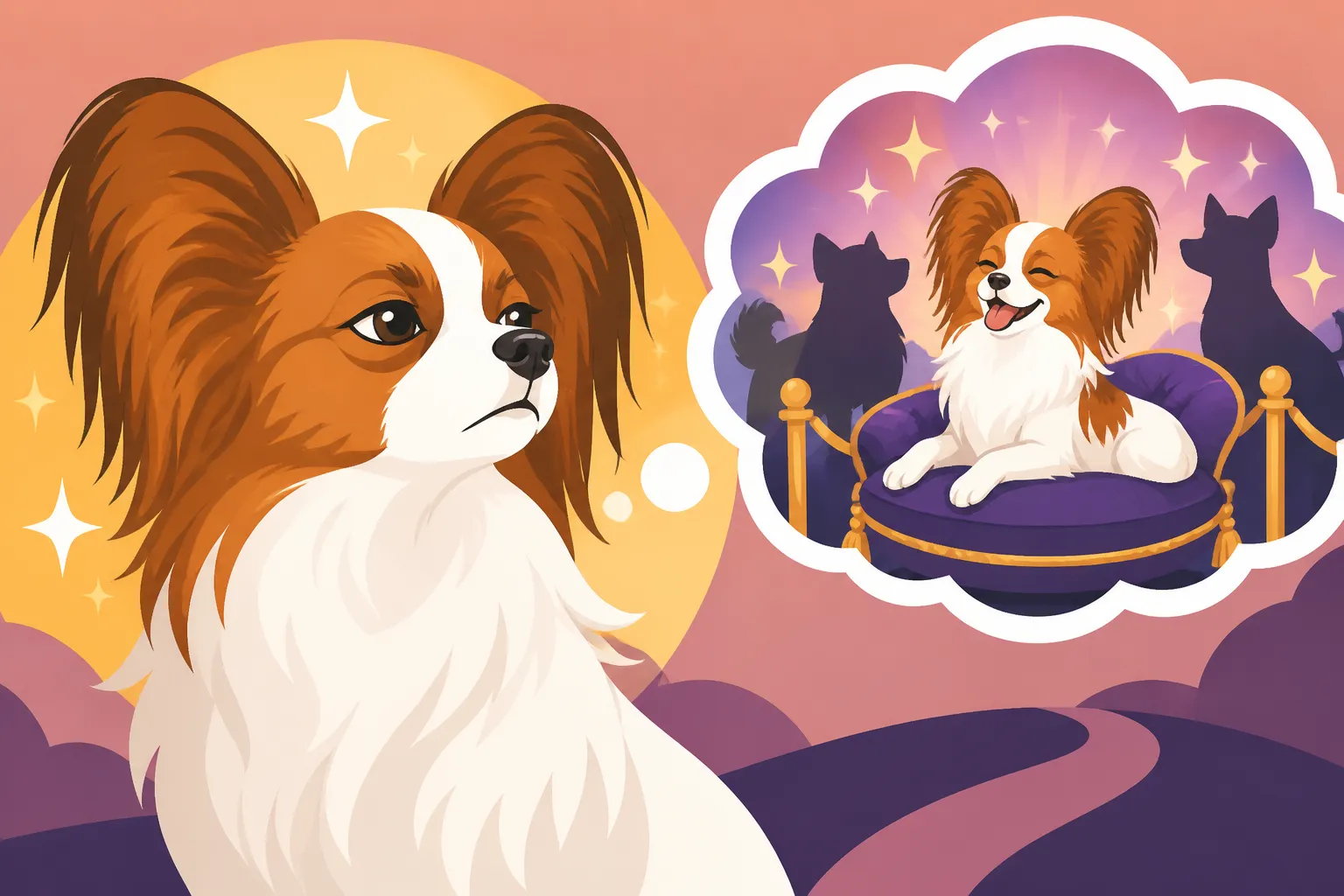
Why a Papillon Holds Out for Something Better
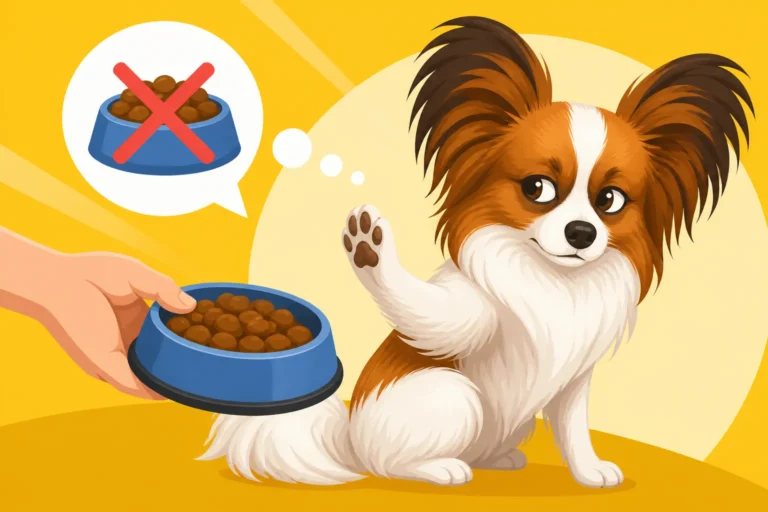
It's incredibly frustrating, isn't it, when you pour out a bowl of what you think is delicious, nutritious food for your beloved Papillon, only for them to sniff it disdainfully and walk away? You stand there, bowl in hand, wondering if you've done something wrong or if your little companion has suddenly decided they're too good for mere kibble. This guide is here to shed some light on why your Papillon might be "holding out for something better" and offer practical strategies to navigate their often-picky eating habits, ensuring they get the sustenance they need without turning every meal into a negotiation.
Understanding the Papillon's Picky Eating Tendencies
Papillons, for all their delicate appearance, are brimming with personality and intelligence. This often translates directly into their relationship with food, making them quite the discerning diners. It's not always about defiance; sometimes, their unique traits play a big role.
The Intelligence Factor and Food
You might already know that Papillons are consistently ranked among the most intelligent dog breeds. This isn't just for learning tricks or agility courses; it extends to their critical thinking, even when it comes to dinner. A smart dog can quickly learn patterns and understand cause and effect. If your Papillon consistently gets something tastier after refusing their regular meal – whether it's a piece of your dinner, a high-value treat, or a completely different type of dog food – they're learning that holding out can be a very effective strategy.
Think of it from their perspective: why eat the same old boring kibble when, with a little patience and a sad-eyed stare, a much more appealing option might appear? This isn't manipulation in a malicious sense; it's simply a clever dog optimizing their resources. They've figured out the system, and sometimes, that system involves waiting for the good stuff. It's a testament to their smarts, even if it drives us crazy.
Their intelligence also means they notice subtle changes. A new bag of the "same" food might have a slightly different smell or texture, and a Papillon could pick up on that and decide it's not up to snuff. They're not just eating; they're experiencing their food with all their senses, and any deviation from what they deem perfect can lead to a refusal.
Small Stomachs and Energy Needs
One crucial thing to remember about Papillons is their small size. A little dog has a little stomach, and their caloric needs are significantly different from, say, a Labrador. This means they often feel full much faster and don't need to consume a huge volume of food in one sitting. What looks like "pickiness" to us might simply be a Papillon knowing their own body.
You might be used to seeing larger dogs devour their meals in minutes, but a Papillon often grazes or eats smaller portions over time. If your Papillon eats a few bites and then walks away, they might genuinely be satisfied for the moment, especially if they’ve had a few treats throughout the day or even some crumbs from your floor (we know they’re quick!). Overfeeding, even slightly, can easily make them less enthusiastic about their next meal.
It's a fine balance, because while they have small stomachs, their high metabolism means they do need regular, energy-dense meals to avoid issues like low blood sugar, especially as puppies. Whether a Papillon Puppy Gets Hypoglycemia as a Puppy is a real concern. Understanding that they might not "wolf down" a large meal like other breeds can help manage expectations and reduce stress around their eating habits.
Early Experiences and Food Preferences
Just like people, Papillons can develop strong food preferences based on their early life experiences. A puppy raised on a specific type of food, or one that was frequently offered table scraps by well-meaning owners, might develop a discerning palate that's hard to shift later on. If a breeder fed a certain brand or type of food, your Papillon might genuinely prefer it, simply out of familiarity and comfort.
Think about how you developed your own food tastes; childhood meals often hold a special place. For a Papillon, those foundational tastes and textures can become their baseline for what "good food" truly is. If they were introduced to a variety of foods, they might be more adventurous, but if they were raised on one bland kibble and then suddenly offered gourmet wet food, they might still prefer the familiar.
This also ties into any negative experiences. Perhaps a food once made them feel sick, even if it was unrelated to the food itself. A Papillon's memory is sharp, and they might associate that food with discomfort, leading to a lasting aversion. It's not a conscious boycott; it's a learned response. When considering new foods or trying to transition them, remembering their past culinary journey can provide valuable insight.
Common Reasons Your Papillon Might Be a Food Snob
Beyond their inherent nature, there are very specific, everyday reasons your Papillon might turn up their nose at their dinner. It’s rarely malicious; more often, it’s a confluence of factors that make their regular food less appealing.
The Lure of 'People Food' and Treats
Let's be honest, we've all been there. Those big, soulful Papillon eyes staring up at you while you eat dinner are incredibly hard to resist. A small piece of chicken, a little bit of cheese, a crumb that "accidentally" falls – these seem harmless, right? The problem is, to a Papillon, these "people foods" and even standard dog treats are often far more palatable and exciting than their regular kibble. They contain different flavors, textures, and smells that are designed to appeal to our senses, and dogs are no different.
When your Papillon consistently gets even tiny portions of your food or a steady stream of high-value treats throughout the day, their normal dog food pales in comparison. Why bother with the dry stuff when there's a good chance something infinitely more delicious might be coming from your plate? They're smart enough to hold out. This isn't to say you can never give treats or an occasional, safe human food morsel, but understand that every time you do, you're potentially reinforcing the idea that better options exist if they just wait.
It's a classic case of supply and demand, with your Papillon dictating the terms. If you consistently provide "premium" options outside of their bowl, the "standard" option inside it loses its appeal. This can quickly spiral into a cycle where they refuse their food, you worry, and then you offer something they will eat, inadvertently strengthening their pickiness. What an Aging Papillon Needs Softer Food might be a consideration, but even then, the soft food needs to be their primary, appropriate diet, not just a desperate measure.
Medical Reasons for Appetite Loss
Sometimes, what appears to be pickiness isn't behavioral at all; it's a signal that something is medically amiss. A sudden change in appetite or a prolonged refusal to eat should always raise a red flag and warrant a vet visit. Papillons, like all small breeds, can be prone to certain health issues that might affect their appetite.
Dental problems are a prime suspect. Papillons have small mouths that are prone to crowding, making them highly susceptible to dental disease. The Teeth in a Papillon's Small Jaw are often a source of trouble. A painful tooth, an abscess, or inflamed gums can make chewing dry kibble agonizing. Even softer foods might be uncomfortable if the pain is severe. If your Papillon hesitates to eat, drops food, or prefers softer textures, a dental check-up should be a priority.
Other medical conditions, such as gastrointestinal upset, parasites, kidney or liver issues, or even a simple tummy ache, can manifest as a loss of appetite. Sometimes, even feeling a little under the weather, like a mild cold, can dampen their desire to eat. Don't dismiss persistent food refusal as just pickiness; it's always best to rule out underlying health concerns with your veterinarian. A good vet will look at factors like What a Papillon's Yearly Bloodwork Should Cover to get a full picture.
Stress, Environment, and Mealtime Routine
A Papillon's sensitive and intelligent nature means they are highly attuned to their environment and routine. Changes or stress can significantly impact their appetite. They thrive on predictability, and disruptions can easily make them feel unsettled, leading to food refusal.
Consider if there have been any recent changes in your household: a new pet, a move, a change in your work schedule, or even loud construction outside. These stressors, which might seem minor to us, can be quite impactful for a Papillon. A stressed dog might not feel safe or calm enough to eat, especially if their eating area is near a high-traffic zone or a noisy appliance. Even the type of bowl can matter – some dogs dislike metal bowls because of the reflection or noise, while others prefer elevated bowls.
The mealtime routine itself plays a big role. Do you leave food down all day, allowing them to graze whenever they please? While this works for some, it can also lead to disinterest. If the food is always there, there's no urgency to eat. Conversely, if mealtimes are chaotic, with other pets vying for attention or a lot of hustle and bustle, a sensitive Papillon might feel too anxious to settle down and eat properly. Establishing a calm, consistent feeding routine can make a world of difference.
Strategies to Encourage Your Papillon to Eat Consistently
Tackling a picky Papillon's eating habits requires a consistent, patient approach. It's about setting boundaries, making food appealing (but not too appealing at the wrong times), and creating a positive mealtime experience.
Establishing a Routine and Sticking to It
One of the most effective strategies for a picky Papillon is to implement a strict feeding schedule. Instead of leaving food out all day, offer meals at specific times – typically twice a day for adults. Put the food down for a set period, say 15-20 minutes. If your Papillon doesn't eat it within that window, pick the bowl up and don't offer any more food until the next scheduled mealtime. This technique creates a sense of scarcity and teaches them that food isn't always available on demand.
It might feel harsh at first, especially if you're worried about them going hungry. However, a healthy Papillon will not starve themselves. They will quickly learn that the opportunity to eat is finite. This method removes the power dynamic of them "holding out" for something better, as there is no better option coming until the next meal. Consistency is key here; everyone in the household needs to be on board with this schedule.
Make sure their eating area is quiet and free from distractions. A designated spot, away from foot traffic or other pets, can help them feel more secure and focused on their meal. This structured approach helps regulate their digestive system and can significantly improve their appetite over time, turning mealtime into a predictable and positive event rather than a constant battle.
Making Mealtime an Event, Not a Negotiation
Instead of treating mealtime as a battleground, try to make it a positive, low-stress experience. This means avoiding coaxing, begging, or offering alternatives immediately if they refuse their food. When you offer their food, present it calmly and then walk away, allowing them to eat in peace. If they don't eat, remember the "15-20 minute rule" mentioned above.
You can also enhance their interest without resorting to unhealthy treats. Try adding a little warm water to their kibble to release the aroma, or a tiny spoonful of plain, unsweetened pumpkin or unseasoned chicken broth. These small additions can make their regular food more appealing without becoming a whole new meal. Some dogs enjoy food puzzles or slow feeder bowls, which turn eating into a mental exercise. Whether Puzzle Toys Satisfy a Papillon can be a useful read here!
Remember, you are in charge of the food. If they learn that refusing food leads to a tastier option, they will continue to refuse. By staying firm but kind, and making their regular food the only option presented at mealtime, you teach them that this is what's on offer, and it's good. Celebrate when they eat, but don't over-fuss if they don't; simply remove the food until next time.
Exploring Different Food Options and Presentation
If your Papillon's pickiness persists despite a good routine, it might be time to evaluate their actual food. Not all dog foods are created equal, and what one Papillon loves, another might despise. Don't be afraid to explore different brands, protein sources, or food types, but always introduce new foods gradually to avoid upsetting their stomach.
Consider the texture and size of the kibble. Some Papillons, with their delicate jaws, might find large, hard kibble difficult or uncomfortable to chew. Small breed formulas, like those available from brands on Chewy or Amazon, often have smaller kibble designed specifically for tiny mouths. Sometimes, switching to a high-quality wet food or a fresh food diet, like those offered by Ollie, can make a huge difference, as these often have stronger aromas and more appealing textures.
| Food Type | Pros | Cons | Considerations |
|---|---|---|---|
| Dry Kibble | Economical, good for dental health, easy to store | Can be less palatable, harder to chew for some | Choose small-breed specific kibble; add warm water to enhance aroma |
| Wet Food | Highly palatable, high moisture content, softer | More expensive, can stick in long fringe, dental issues if fed exclusively | Good for picky eaters or those with dental issues; watch for sticking in A Papillon's Coat Is All Fringe and No Undercoat |
| Fresh/Cooked | Very palatable, human-grade ingredients, customizable | Most expensive, requires careful nutritional balancing | Consult vet or veterinary nutritionist; can be good for extreme pickiness |
| Freeze-Dried Raw | Highly palatable, easy to store, nutritionally dense | Expensive, some prefer rehydrated | Can be a good topper or full meal; check rehydration instructions |
You can also experiment with different bowls or feeding surfaces. Some dogs prefer ceramic over metal, or even eating from a flat plate if they have a very flat face or sensitive whiskers. A little bit of variety in presentation, within the bounds of their regular food, can spark their interest. Just be mindful of How Much an Adult Papillon Eats to avoid overfeeding, even with appealing options.
When to Worry and Seek Veterinary Advice
While many Papillons are just delightfully stubborn when it comes to food, there are times when persistent pickiness or appetite loss needs immediate professional attention. It's about distinguishing between a fussy eater and a sick one.
Signs That Pickiness Is a Symptom
It’s one thing for your Papillon to be a bit choosy, but it’s another for them to completely refuse food for an extended period, or show other concerning symptoms. If your Papillon hasn't eaten anything for 24 hours, or only eats very tiny amounts, it’s time to call the vet. For very small puppies, even missing one or two meals can be cause for concern due to their risk of hypoglycemia.
Beyond just not eating, look for accompanying signs. Is your Papillon lethargic, withdrawn, or unusually quiet? Are they vomiting, having diarrhea, or straining to urinate or defecate? Are they drinking excessively or not at all? Are there any signs of pain, like limping or sensitivity to touch? Any of these symptoms combined with food refusal indicate a potential health issue that needs professional diagnosis and treatment.
Sudden changes in eating habits, especially in an older Papillon, can also signal underlying problems. Caring for a Papillon Past Eleven often means being extra vigilant about their health, as seniors can be more susceptible to various ailments. Don't play guessing games; a vet visit is the safest course of action to ensure your Papillon isn't suffering in silence.
The Importance of Regular Vet Check-ups
Even if your Papillon seems perfectly healthy, routine veterinary check-ups are paramount, especially when dealing with a dog that might be prone to pickiness. Your vet can monitor their weight, assess their overall health, and catch potential issues like dental disease or organ problems before they become severe enough to cause a complete loss of appetite. How Often a Papillon Needs a Wellness Exam is typically yearly for adults, and more frequently for puppies and seniors.
During these visits, you can discuss your Papillon's eating habits with your vet. They can help you determine if their pickiness is truly behavioral or if there's a subtle underlying medical cause that you might be missing. They can also offer guidance on appropriate food choices, portion sizes, and strategies for encouraging a healthy appetite based on your dog's individual needs, age, and activity level.
Remember, you are your Papillon's primary advocate. If your gut tells you something is off, trust it. Early intervention is always best for addressing health concerns, and ensuring your tiny companion receives proper nutrition is fundamental to their long-term health and happiness. A Papillon might be small, but they deserve a full, healthy life, even if they make you work a little for their dinner!
Disclaimer
This article is for general informational purposes only and does not constitute professional advice. Laws, prices and regulations vary by location and change over time. Consult a qualified professional for guidance on your specific situation.