How Often a Papillon Puppy Must Eat to Stay Safe
Bringing home a tiny Papillon puppy is an absolute joy, but it can also come with a knot of worry, especially when you realize just how small and delicate these little bundles of fluff are. One of the biggest concerns, and frankly, one that keeps many new Papillon parents up at night, is ensuring they're eating enough. It's not just about avoiding hunger; it's about safeguarding them from a very real and dangerous condition called hypoglycemia, or critically low blood sugar, which these little ones are particularly susceptible to. This guide will walk you through exactly how often your precious Papillon puppy needs to eat to stay happy, healthy, and most importantly, safe, while addressing all those anxieties you might have.
The Tiny Tummy Problem: Why Papillon Puppies Need Frequent Meals
Let's be honest, those adorable, petite bodies of Papillon puppies are part of their charm, but they also come with a unique set of physiological challenges. Unlike larger breeds, Papillons don't have the same internal reserves, making them far more vulnerable to dips in blood sugar. It's a constant balancing act, and understanding why they need to eat so often is the first step in ensuring their well-being.
What Makes Papillon Puppies Prone to Hypoglycemia?
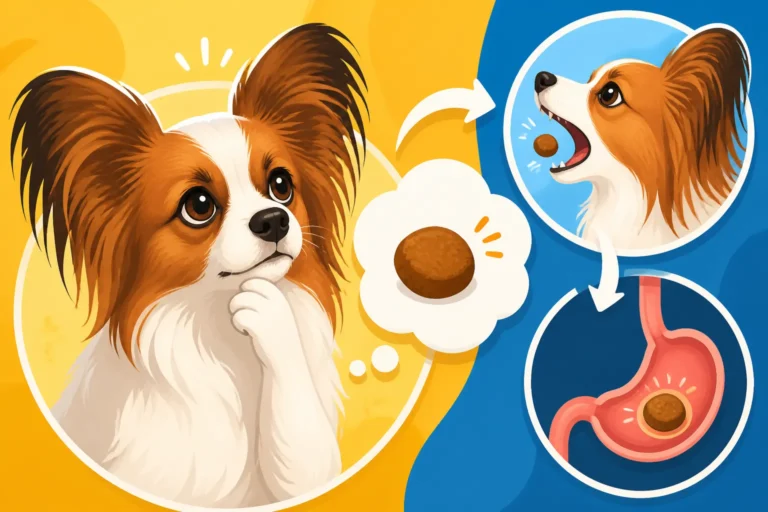
Imagine a tiny, high-revving engine in a very small car. That's essentially your Papillon puppy. Their small body mass means they have very little stored fat, which is what the body typically converts into glucose (sugar) for energy when food isn't readily available. Couple that with a super-fast metabolism – they burn through calories at an incredible rate – and a still-developing liver that isn't yet efficient at regulating blood sugar, and you have a recipe for potential trouble.
A human baby, for example, has a relatively large liver for its body size compared to a tiny puppy. This larger organ has more capacity to store glycogen, which is the body's emergency sugar supply. Papillon puppies, however, simply don't have that robust storage system. Their demand for energy is constant and high, but their supply mechanism is limited. This is why even a few hours without food can quickly deplete their glucose levels and trigger a hypoglycemic episode. It's not about them being 'fussy eaters' but about a biological imperative.
The Dangers of Skipping a Meal
The consequences of a Papillon puppy missing a meal can be far more serious than just a grumbling tummy. A significant drop in blood sugar can lead to a cascade of concerning symptoms, starting with lethargy and weakness. You might notice your puppy seems unusually quiet, less playful, or even a bit wobbly when they try to walk. As the blood sugar continues to fall, their neurological functions can be affected. They might start drooling excessively, become disoriented, or even stumble as if they're drunk.
In severe cases, and this is where it gets truly frightening for owners, hypoglycemia can escalate to seizures. These aren't just scary to witness; they can cause lasting neurological damage or, tragically, even be fatal if not addressed immediately. It's a stark reminder that consistent, frequent feeding is not just good practice, but a critical life-saving measure for these tiny pups. This is especially important for very young puppies, say, under 12-16 weeks. They rely entirely on their guardians to maintain that crucial energy balance.
Crafting the Perfect Feeding Schedule for Your Papillon Puppy
So, knowing the risks, how do you practically manage a feeding schedule that keeps your Papillon puppy safe and thriving? It's all about consistency, vigilance, and understanding that their needs will change as they grow. There's a bit of an art to it, but once you get into the rhythm, it becomes second nature.
The Golden Rule: How Often to Feed
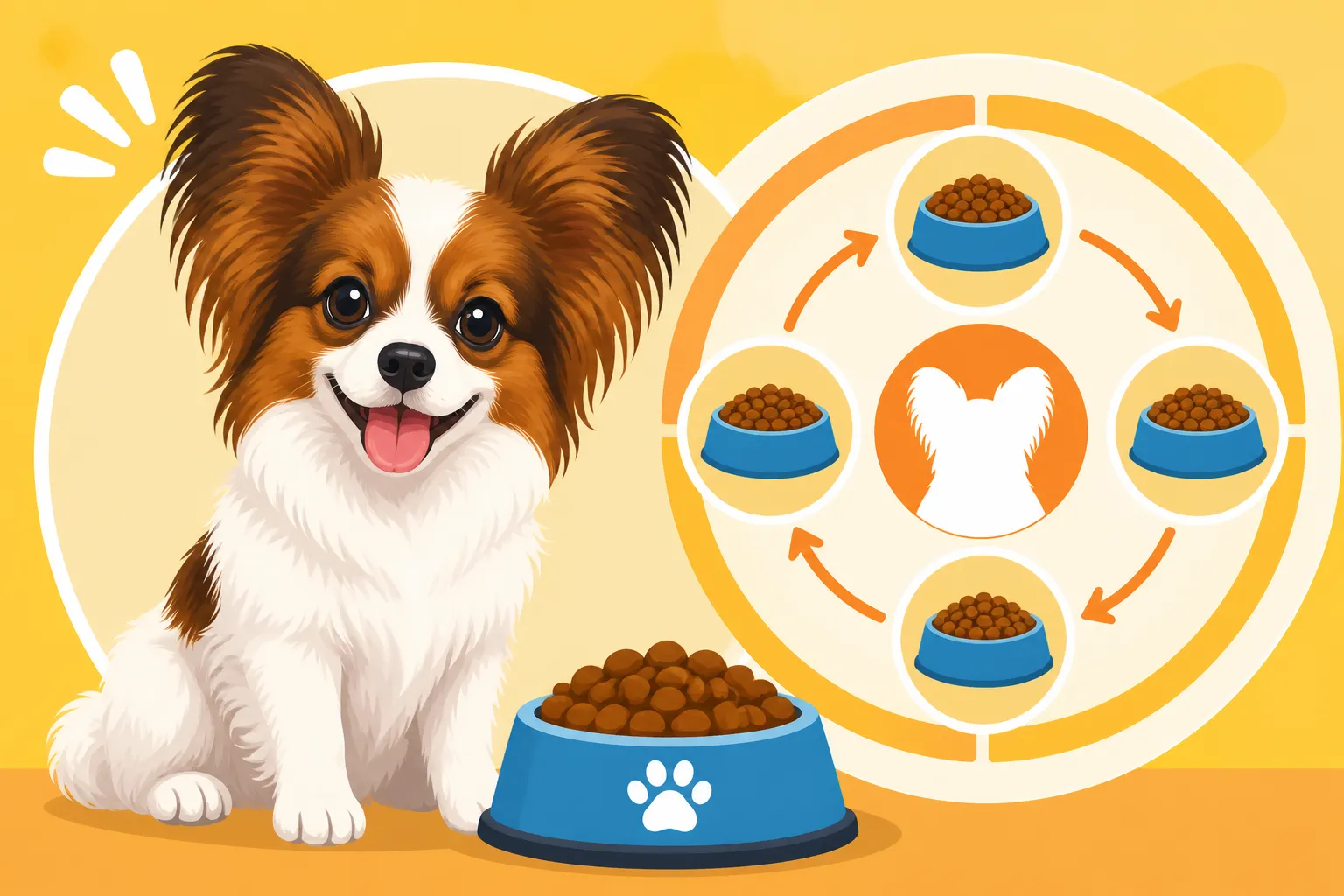
For a Papillon puppy, especially one under four or five months old, the golden rule is frequent, small meals. We're talking every 2 to 4 hours during the day. Yes, you read that right – it might feel like you're constantly refilling the bowl, but it's absolutely vital. Think of it less as 'meal times' and more as continuous grazing opportunities. Their tiny stomachs can't hold a lot of food, but their bodies demand a steady influx of calories.
This means if you wake up at 7 AM, your puppy should have breakfast. Then again around 9:30 AM or 10 AM, then lunch around noon, another small meal at 2:30 PM, dinner at 5 PM, and a final small snack right before bed, say at 9 PM. If your puppy is particularly small or prone to drops, you might even consider an extra feeding somewhere in between those. This kind of schedule ensures a consistent energy supply, preventing those dangerous blood sugar dips. It's far better to offer a tiny bit too often than to risk a gap that's too long. For more specific details on recognizing trouble, check out Signs a Papillon Puppy Has Low Blood Sugar.
Adjusting the Schedule as They Grow
Thankfully, this intense feeding schedule isn't forever! As your Papillon puppy matures, their liver becomes more efficient, their metabolism stabilizes a bit, and they develop more fat reserves. Typically, by around 4 to 6 months of age, you can start to gradually extend the time between meals.
The transition should be slow and observed carefully. You might move from 5-6 meals a day to 4 meals a day. Then, by about 6-8 months, many Papillons can happily manage on three meals a day. Finally, as adults, most Papillons thrive on two meals a day, morning and evening. This isn't a hard and fast rule, as every dog is an individual. Always observe your puppy for signs of hunger or low energy before making big changes. A little food journal can be incredibly helpful during this transition, noting meal times, amounts, and your puppy's energy levels. If you're wondering The Age a Papillon Outgrows Hypoglycemia, it's generally when they hit that more mature metabolic stage.
Overnight Feeding: Is It Necessary?
This is a big one that often sparks debate among new puppy owners. For very young Papillon puppies, particularly those under 12 weeks or those on the smaller side (think 3-4 pounds at full adult weight), overnight feeding is absolutely a necessity to prevent dangerous hypoglycemia. Their tiny systems simply cannot go 8-10 hours without food.
What does this look like? It means setting an alarm for once or even twice during the night to offer a small, palatable meal. This might be a teaspoon or two of their regular kibble, possibly moistened, or a bit of wet food. You don't want them to fill up, just to get enough calories to tide them over. As they get a bit older, say 12-16 weeks, and you see them maintaining good energy throughout the day, you can try extending the overnight period. Again, observe carefully. If they wake up sluggish, trembling, or disoriented, they likely still need that overnight boost. This is directly related to Whether a Papillon Puppy Should Be Fed Overnight, and for very small pups, the answer is often yes.
Recognizing and Responding to Hypoglycemia in Your Papillon Puppy
Even with the most diligent feeding schedule, sometimes things happen. A puppy might have a sudden growth spurt, burn more calories playing than usual, or simply be stressed by a new environment. Knowing the signs of hypoglycemia and how to respond quickly can be a lifesaver. This isn't just about feeding frequency; it's about being prepared for any eventuality.
Early Warning Signs You Can't Miss
Catching hypoglycemia early is key to a quick recovery. Don't wait for extreme symptoms. Keep a keen eye on your Papillon puppy, especially in the hours between meals. Early signs can be subtle:
- Lethargy: Your normally playful pup suddenly seems uninterested in toys, naps more than usual, or moves very slowly.
- Weakness or unsteadiness: They might walk with a wobbly gait, struggle to stand, or fall over easily. Their legs might feel a bit like jelly.
- Trembling or shivering: This isn't always from cold; it can be a sign their body is struggling to regulate itself.
- Disorientation: They might stare blankly, seem confused, or not respond to their name.
- Excessive drooling: An unusual amount of saliva can indicate neurological distress.
- Lack of interest in food: Ironically, a severely hypoglycemic puppy might be too weak or disoriented to eat, even though food is what they desperately need.
If you see any of these signs, don't delay. Act immediately. For a comprehensive overview of these symptoms, refer to Signs a Papillon Puppy Has Low Blood Sugar.
Emergency Protocol: What to Do Immediately
If you suspect your Papillon puppy is experiencing hypoglycemia, you need to act fast. This is not a "wait and see" situation.
- Administer a sugar source: The goal is to get sugar into their system as quickly as possible. This could be corn syrup (Karo syrup is a common go-to), honey, or even a tiny bit of sugar dissolved in water. You'll want to rub a small amount (think a pea-sized dab for a tiny puppy) on their gums, being careful not to let them choke. Don't try to force liquid down their throat if they're too weak to swallow, as it could go into their lungs. The sugar is absorbed through the mucous membranes in their mouth.
- Offer a small meal: Once they start to perk up a little (which should happen within minutes of the sugar administration), immediately offer a small, appealing meal. This could be their regular puppy kibble, a bit of wet food, or even some boiled chicken. The sugar provides an immediate boost, but food offers sustained energy.
- Contact your vet: Even if your puppy seems to recover quickly, it's crucial to contact your veterinarian immediately. Hypoglycemia can be a symptom of an underlying issue, and your vet can advise on next steps, confirm recovery, and help you refine your feeding plan. They might also suggest tests if this is a recurring issue. What to do if your Papillon puppy crashes is detailed in What to Do When a Papillon Puppy Crashes.
Preventative Measures Beyond Feeding
While frequent feeding is paramount, there are other preventative measures you can take to keep your Papillon puppy safe from hypoglycemia:
- Maintain warmth: Small puppies lose body heat quickly. Keep them in a warm environment, especially if they're sleeping. A chilled puppy will burn more calories trying to stay warm, increasing their risk of low blood sugar.
- Reduce stress: Stress, even from simple things like a new home or a loud environment, can cause a puppy to burn through energy faster. Provide a calm, consistent routine.
- Limit unsupervised playtime: While playtime is important, excessive, unsupervised play can lead to overexertion and rapid calorie depletion. Keep play sessions short and ensure they have quiet time afterward.
- Regular vet checks: Ensure your puppy has all their necessary vet check-ups. Your vet can monitor their growth and development and identify any potential underlying health issues that might predispose them to hypoglycemia. Regularly weighing your puppy, perhaps weekly, as suggested in Weighing a Papillon Puppy Every Week, helps you track growth and general health.
Choosing the Right Food and Portions for Your Growing Papillon
Beyond how often, what you feed your Papillon puppy and how much you give them at each sitting also plays a crucial role in preventing hypoglycemia and promoting healthy growth. It's not just about filling their belly; it's about providing the right fuel.
Selecting a High-Quality Puppy Food
When it comes to your Papillon puppy, quality really does matter. Look for a reputable brand of puppy food specifically formulated for small breeds. These formulas are typically more calorie-dense and have smaller kibble sizes, which are easier for tiny mouths to chew and digest. Brands like Purina Pro Plan Small Breed Puppy, Royal Canin X-Small Puppy, or even a higher-quality fresh food option like Ollie (if appropriate for puppies, always check with your vet) can be excellent choices.
Avoid generic or "all life stages" foods, as they often don't provide the precise nutritional balance a growing small breed puppy needs. Read the ingredient list: you want a named meat source (chicken, lamb, beef) as the first ingredient, not vague "meat meal" or excessive fillers. High-quality fats are also essential for sustained energy. If you're pondering Which Kibble a Papillon Can Actually Pick Up, remember that tiny, disc-shaped kibble is often easier for their delicate jaws than large, irregular pieces. You can find a wide variety of suitable foods on platforms like Chewy or Amazon, allowing you to compare ingredients and reviews.
Measuring Portions Accurately
Underfeeding can lead to hypoglycemia, but overfeeding can lead to obesity, which brings its own set of health problems, including strain on delicate joints like their knees. Precision is key. Don't eyeball it. Use a kitchen scale or a dedicated measuring cup specifically for pet food. The feeding guidelines on the food bag are a good starting point, but they are just that – guidelines. Your puppy's individual metabolism, activity level, and growth rate will dictate their exact needs.
It's better to divide their total daily recommended intake into those small, frequent meals we discussed earlier. For example, if the bag says 1/2 cup per day, and you're feeding five times a day, each meal would be about 1/10th of a cup. This might seem like a minuscule amount, but remember, they're tiny and eating constantly. Your vet is the best resource for fine-tuning portion sizes based on your puppy's specific growth curve and energy levels. If you're concerned your puppy isn't thriving, accurate portioning is one step in identifying issues, alongside monitoring Signs a Papillon Puppy Is Not Thriving.
The Role of Treats and Supplements
Treats can be wonderful for training and bonding, and Papillons are incredibly smart and eager to learn new things, often with food as a motivator. However, with a small puppy, treats need to be factored into their daily calorie intake. Too many treats, especially high-calorie ones, can throw off their nutritional balance or lead to weight gain. Choose small, soft treats that are easy to chew and swallow. Look for single-ingredient options or those specifically designed for puppies.
Supplements, like joint support or multivitamins, generally aren't necessary for a puppy on a high-quality, balanced diet unless recommended by your veterinarian. If your puppy is facing specific health challenges or dietary deficiencies, your vet might suggest a supplement. However, for a healthy, growing Papillon puppy, their food should provide everything they need. Always consult your vet before adding any supplements to their regimen, as too much of a good thing can sometimes be harmful, particularly for such small dogs.
By being mindful of how often you feed, what you feed, and how much you feed, you're setting your Papillon puppy up for a lifetime of health and happiness. It's a commitment, but the reward of a thriving, energetic little butterfly dog is immeasurable. Remember, The First Year With a Papillon Puppy is crucial for their development, and proper nutrition is a cornerstone of that.
Disclaimer
This article is for general informational purposes only and does not constitute professional advice. Laws, prices and regulations vary by location and change over time. Consult a qualified professional for guidance on your specific situation.