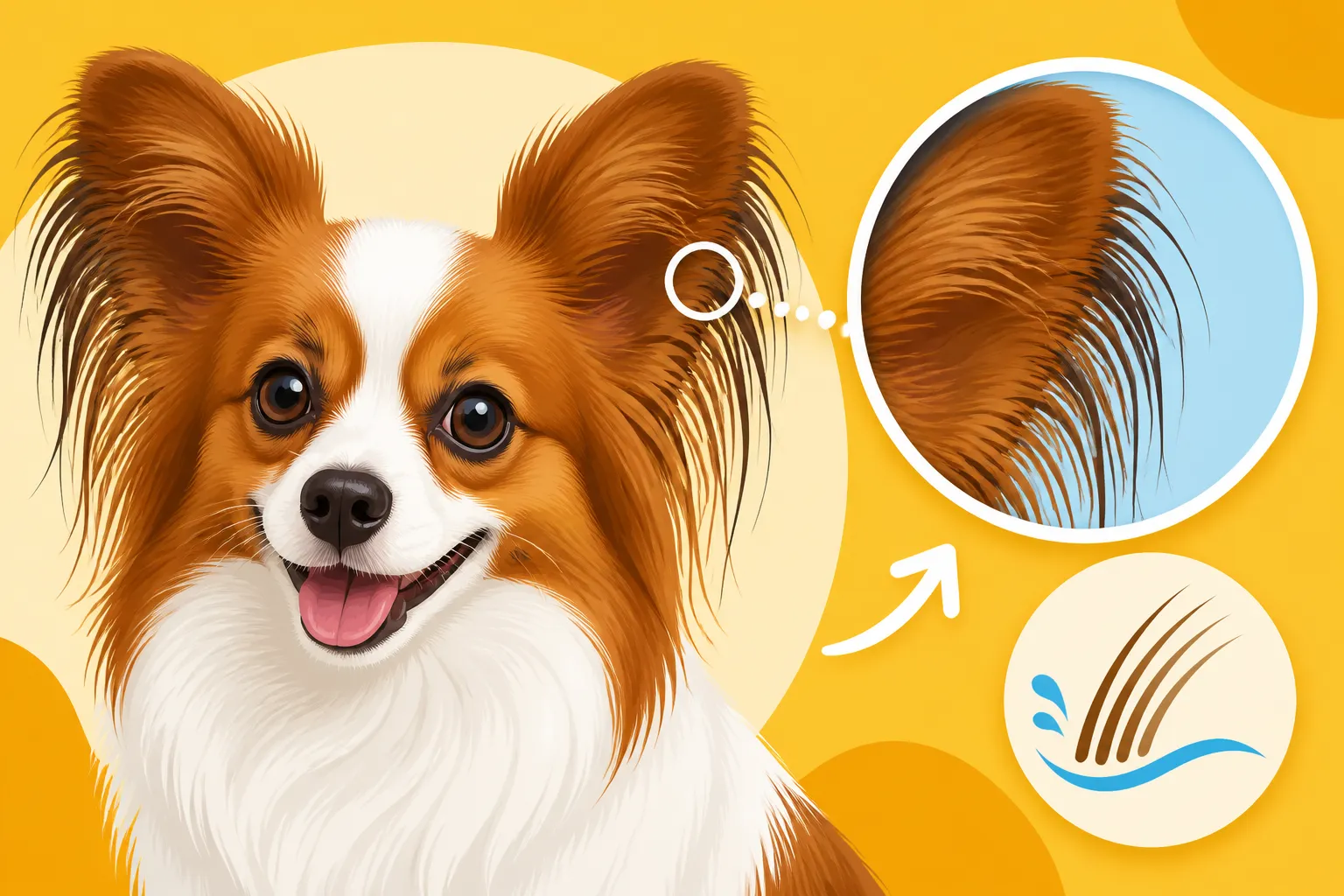
Why a Papillon’s Ear Fringe Is Thin
It can be so disappointing when you've envisioned your Papillon with those magnificent, flowing "butterfly" ears, only to find their fringe looking a bit sparse or thin. Many owners wonder if they're doing something wrong or if it's a sign of a deeper issue. This guide will walk you through the various reasons why your Papillon's ear fringe might be thinner than you expect, from genetics to grooming, and what steps you can take to encourage a fuller, healthier coat.
The Genetics Behind That Magnificent Fringe
Let's be honest, the Papillon's signature feature is those glorious, fringed ears that give them their butterfly name. When we see photos of show dogs or perfectly coiffed pups, it's easy to assume every Papillon will have that same lavish plumage. However, just like with people and their hair, genetics play a huge role, and not every Papillon is blessed with an abundance of fringe.
Breed Standard Expectations
The official breed standard for Papillons does call for a long, silky, flowing coat with profuse ear fringe. It describes the ears as being "well fringed, carried obliquely, giving a butterfly appearance." This sets a high bar and creates an ideal image. But standards describe the ideal, not necessarily the average. Many perfectly wonderful Papillons, even those from reputable lines, might have fringe that is somewhat less dense or takes longer to develop than what's described in the standard. This doesn't make them any less of a Papillon; it just means they're not a carbon copy of the show ring archetype.
It's common for a young Papillon puppy to have very little ear fringe, with it gradually growing in as they mature. You might compare your pup to others and feel a pang of worry, but often, it just needs time. The Age a Papillon's Adult Coat Arrives can vary, and what looks sparse at six months might be quite respectable by two years. Patience really is a virtue when waiting for that full fringe to develop.
Inherited Traits and Breeding
Coat density, including the thickness of the ear fringe, is an inherited trait. This means that if your Papillon's parents or grandparents had thinner ear fringe, your pup is more likely to inherit that same characteristic. Responsible breeders strive to produce dogs that meet the breed standard in all aspects, including coat, but even in carefully planned litters, there can be variation.
Sometimes, a particular line might simply carry genes for a slightly less profuse coat. It's not necessarily a fault or a sign of poor health, just a natural genetic predisposition. If you've ever wondered Whether a Papillon Puppy's Coat Predicts the Adult, the answer is often "somewhat," but it's not a guarantee. Puppy coats can be misleadingly fluffy or sparse, and the adult coat's true nature often doesn't fully reveal itself until the dog is well past a year old. When looking for a puppy, asking to see photos of the parents' and even grandparents' ear fringe can give you a good indication of what to expect.
Common Causes of Thinning or Damage
Beyond genetics, several environmental and health factors can contribute to a Papillon's ear fringe appearing thin or becoming damaged over time. It's not always about what they're born with; sometimes it's about what happens to those delicate strands throughout their lives.
Nutritional Deficiencies
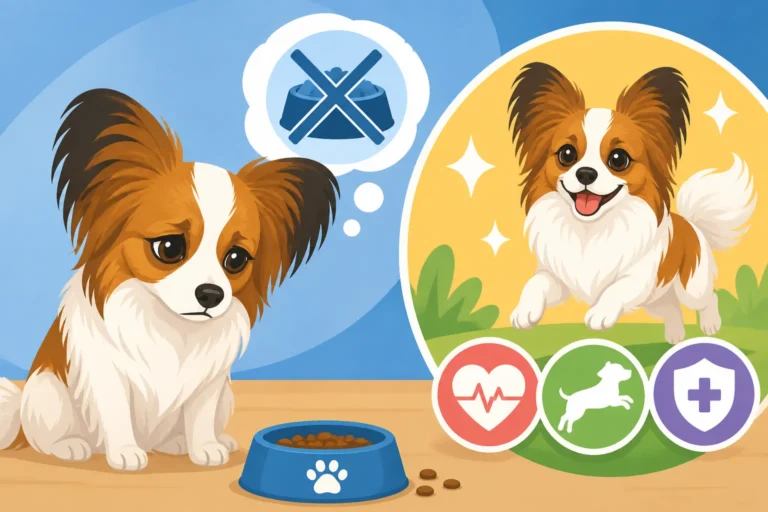
A dog's coat is a direct reflection of their overall health and nutrition. If your Papillon isn't getting a balanced diet rich in essential nutrients, vitamins, and fatty acids, their coat quality can suffer, leading to thinner, duller, or even brittle hair, including the ear fringe. Think of it like your own hair – if you're not eating well, your hair often looks it.
High-quality protein is crucial for hair growth, as hair is primarily made of protein. Essential fatty acids, particularly omega-3s and omega-6s, are also vital for skin and coat health, helping to keep hair strong, shiny, and less prone to breakage. If your Papillon is a bit of a picky eater, which some can be, and you find yourself struggling with Getting a Picky Papillon to Eat, it might be harder to ensure they're getting all the necessary nutrients, inadvertently impacting their coat. Even an apparently healthy diet can sometimes be lacking in the specific nutrients needed for optimal coat health if the ingredients aren't top-notch.
Grooming Mistakes and Mechanical Damage
Believe it or not, our well-intentioned grooming efforts can sometimes backfire. While regular brushing is essential for a Papillon's long coat, improper techniques or tools can cause damage. Using a brush that's too harsh, pulling through tangles instead of gently working them out, or over-brushing dry hair can lead to breakage and hair loss, making the fringe appear thinner.
Mats are another huge culprit. Papillon ears, with their delicate, fine hair, are prone to matting, especially behind the ears and where they rub against the collar or harness. Where a Papillon Mats frequently includes these areas. When mats form, they can pull on the skin and, if not carefully removed, can cause significant amounts of hair to come out when brushed or cut, leaving noticeable thin spots. Also, simply rubbing against furniture, repeatedly getting caught on thorns during walks, or even another pet playing too roughly can cause mechanical damage over time.
Environmental Factors and Wear and Tear
Life happens, and sometimes a Papillon's fringe bears the brunt of it. Imagine your Papillon exploring the backyard, running through bushes, or even just having a good scratch behind the ears. All these normal activities can cause wear and tear on the delicate ear hair. If your dog frequently rubs their ears on the carpet, their bed, or even your legs, this constant friction can thin the hair over time.
Young Papillons, particularly, might chew on their own ear fringe, especially if they are bored, anxious, or have an itch they can't quite get at. This self-inflicted damage can create noticeable thinning. Even simple things like a poorly fitting harness that constantly rubs against the chest frill or behind the ears can cause friction and lead to localized hair loss or breakage, which then makes the fringe look thinner. Environmental factors, such as extreme weather, can also play a role, making hair more brittle in dry air or prone to tangles in wet conditions.
Underlying Health Issues
Sometimes, a thinning ear fringe can be a subtle indicator of an underlying health problem. It's not always just a cosmetic issue. Various medical conditions can affect a dog's coat quality and lead to hair loss, including in the ear fringe.
- Allergies: Environmental allergies (pollen, dust mites), food allergies, or flea allergies can cause intense itching, leading your Papillon to scratch, rub, or shake their head excessively. This constant irritation and scratching can physically pull out or break the delicate ear hair, resulting in thin patches. If you suspect Whether a Papillon Gets Skin Allergies, a vet visit is crucial.
- Parasites: Mites (like Sarcoptes or Demodex), fleas, or even ringworm (a fungal infection) can cause itching, skin irritation, and localized hair loss. The ears are a common spot for some of these pesky invaders.
- Hormonal Imbalances: Conditions like hypothyroidism, where the thyroid gland doesn't produce enough hormones, can manifest as a dull, dry coat and symmetrical hair loss. While it's often seen on the body, it can certainly impact the ear fringe as well. Whether a Papillon Gets Hypothyroidism is a valid concern for any dog experiencing unexplained coat changes.
- Skin Infections: Bacterial or yeast infections on the skin, often secondary to allergies or other irritations, can lead to inflammation, itching, and subsequent hair loss.
If you notice sudden or severe thinning, redness, scabs, or your Papillon is constantly scratching their ears, it's always best to consult your veterinarian to rule out any medical conditions.
What You Can Do to Encourage Fuller Fringe
While you can't change genetics, there are definitely steps you can take to promote healthy hair growth and protect the delicate fringe your Papillon does have. It's all about providing the best possible environment for their coat to thrive.
Optimizing Diet and Supplements
Start with the foundation: a high-quality diet. Choose a dog food that lists a named meat source (like chicken, lamb, or salmon) as the first ingredient, rather than generic "meat meal." Look for formulas that are rich in omega-3 and omega-6 fatty acids, often derived from fish oil, flaxseed, or chicken fat. These healthy fats are essential for skin hydration and a lustrous coat. Brands like Ollie, known for their fresh, human-grade ingredients, can provide excellent nutrition that supports overall health, including coat quality.
If your Papillon's diet is already good but the fringe is still lackluster, consider adding a supplement. Fish oil (salmon, sardine, or anchovy oil) is an excellent source of omega-3s and can do wonders for coat health. Biotin, zinc, and vitamin E are other supplements sometimes recommended for skin and coat issues. Before adding any new supplement, though, it's always wise to chat with your veterinarian to ensure it's appropriate for your individual dog and won't interact with any existing medications or conditions. You can often find a wide variety of reputable supplements on sites like Chewy or Amazon.
Gentle Grooming Practices
Regular, gentle grooming is key to maintaining healthy ear fringe and preventing damage.
- Brushing: Aim to brush your Papillon's ears several times a week, or even daily if they're particularly prone to tangles. Use a high-quality pin brush with rounded tips and a fine-toothed metal comb. Which Brush a Papillon Needs is crucial – avoid harsh slicker brushes on delicate fringe unless absolutely necessary for a mat, and then use it very carefully. Always spray the ear fringe lightly with a detangling spray or conditioning mist before brushing to minimize breakage. This helps the brush glide through the hair and prevents static. If you are wondering Whether a Papillon Should Be Brushed Damp, the answer is usually yes, a slightly damp or conditioned coat is less prone to breaking.
- Mat Prevention & Removal: This is probably the most critical aspect. Gently check your Papillon's ears daily for any small knots. If you find one, work it out carefully with your fingers, then use the tip of a comb. If it's a stubborn mat, apply a conditioning spray and try to separate the hairs bit by bit. Only as a last resort should you consider carefully cutting out a mat, and if you do, ensure you use blunt-nosed scissors and always have a comb between the scissors and the skin to prevent accidental nicks.
- Washing: Don't over-bathe the ear fringe, as this can strip natural oils. Use a gentle, moisturizing dog shampoo and conditioner. Rinse thoroughly to prevent residue that can irritate the skin. Pat the ears dry rather than rubbing vigorously. Remember, How Often a Papillon Needs Brushing is usually more frequent than how often they need a full bath.
Vet Check-ups and Addressing Health Concerns
If you've optimized diet and grooming and your Papillon's ear fringe is still thin, or if you notice any other concerning symptoms, a visit to your veterinarian is the next step. They can perform a thorough examination to rule out underlying health issues.
Your vet might recommend diagnostic tests such as blood work to check for hormonal imbalances like hypothyroidism, or skin scrapes/fungal cultures to look for parasites or infections. They can also discuss allergy management strategies if allergies are suspected. Early diagnosis and treatment of any health condition can often significantly improve coat quality. For example, if your Papillon does have hypothyroidism, appropriate medication can often lead to a noticeable improvement in coat density and health over time. What a Papillon's Yearly Bloodwork Should Cover will often include a thyroid panel, which is an excellent proactive measure to take.
Realistic Expectations and Loving Your Papillon Anyway
It's completely natural to want your Papillon to look their absolute best, especially when their beautiful ears are such a defining characteristic. However, it's also important to manage expectations and remember that every dog is an individual.
Accepting Natural Variation
Even with the best care, some Papillons simply won't have the incredibly long, dense ear fringe you might see in breed books or on champion dogs. This can be due to their specific genetic makeup. Just like some people have thick hair and others have fine hair, there's a natural spectrum of coat types within the Papillon breed. Trying to force a coat type that isn't naturally there can lead to frustration for you and potentially discomfort for your dog if it involves harsh grooming.
Focus on the overall health and quality of their coat. If it's soft, shiny, and free of tangles and skin issues, then it's a healthy coat, regardless of its ultimate length or density. The true measure of a Papillon's beauty isn't just about the fringe, but about their bright eyes, intelligent expression, and joyful personality.
The Beauty of Every Papillon
At the end of the day, your Papillon's thin ear fringe doesn't diminish their worth or their ability to be a wonderful companion. They are still the same intelligent, spirited, and loving dog that captures your heart every day. The Papillon breed is renowned for its vivacious personality and eagerness to learn, making them incredible partners for everything from agility to simply cuddling on the sofa. The Papillon Is the Smartest Toy Breed There Is – and that intelligence and charm have nothing to do with ear hair.
Instead of focusing on what might be perceived as a "flaw," celebrate their unique beauty and characteristics. That little bit of thinner fringe might be part of what makes your Papillon your Papillon. What matters most is their health, happiness, and the bond you share. A Papillon with slightly less fringe but a wagging tail and bright eyes is a far more beautiful sight than a dog with perfect ears but an unhappy disposition. Embrace their individuality, provide them with excellent care, and cherish the joy they bring into your life.
| Factor Affecting Ear Fringe Thinness | Potential Cause | What You Can Do |
|---|---|---|
| Genetics | Inherited predisposition for less dense coat | Accept natural variation; choose breeders carefully |
| Nutrition | Lack of essential proteins, fatty acids, vitamins | Feed high-quality food; consider vet-approved supplements |
| Grooming Damage | Harsh brushing, pulling mats, infrequent care | Use gentle tools, detangler, brush frequently and softly |
| Mechanical Wear | Rubbing, scratching, chewing, rough play | Identify and reduce friction points; provide distraction toys |
| Health Issues | Allergies, parasites, hormonal imbalances, infection | Consult vet for diagnosis and treatment; regular check-ups |
Disclaimer
This article is for general informational purposes only and does not constitute professional advice. Laws, prices and regulations vary by location and change over time. Consult a qualified professional for guidance on your specific situation.