Whether a Papillon’s Coat Is Hair or Fur
It's one of those questions that seems so simple on the surface, but can lead to endless debates among dog owners and even create confusion for those of us trying to understand our beloved Papillons: does a Papillon have hair or fur? Many people assume "fur" for dogs and "hair" for humans, but for a breed like the Papillon with its flowing, silky coat, that distinction often feels a bit fuzzy. This guide is here to clear up that common misunderstanding and delve into what makes your Papillon's coat so unique, how it grows, what that means for shedding, and most importantly, how to best care for it.
The Age-Old Question: Hair Versus Fur in Dogs
When you first bring home a Papillon, or even just admire one at the park, their elegant, flowing coat immediately stands out. It's often described as silky, fine, and almost human-like, which naturally leads to the question: is it hair or fur? The truth is, it's a bit of a trick question in a scientific sense, but in practical terms, the distinction can really help us understand our dogs better.
The Scientific Angle: Biologically, It's All Hair
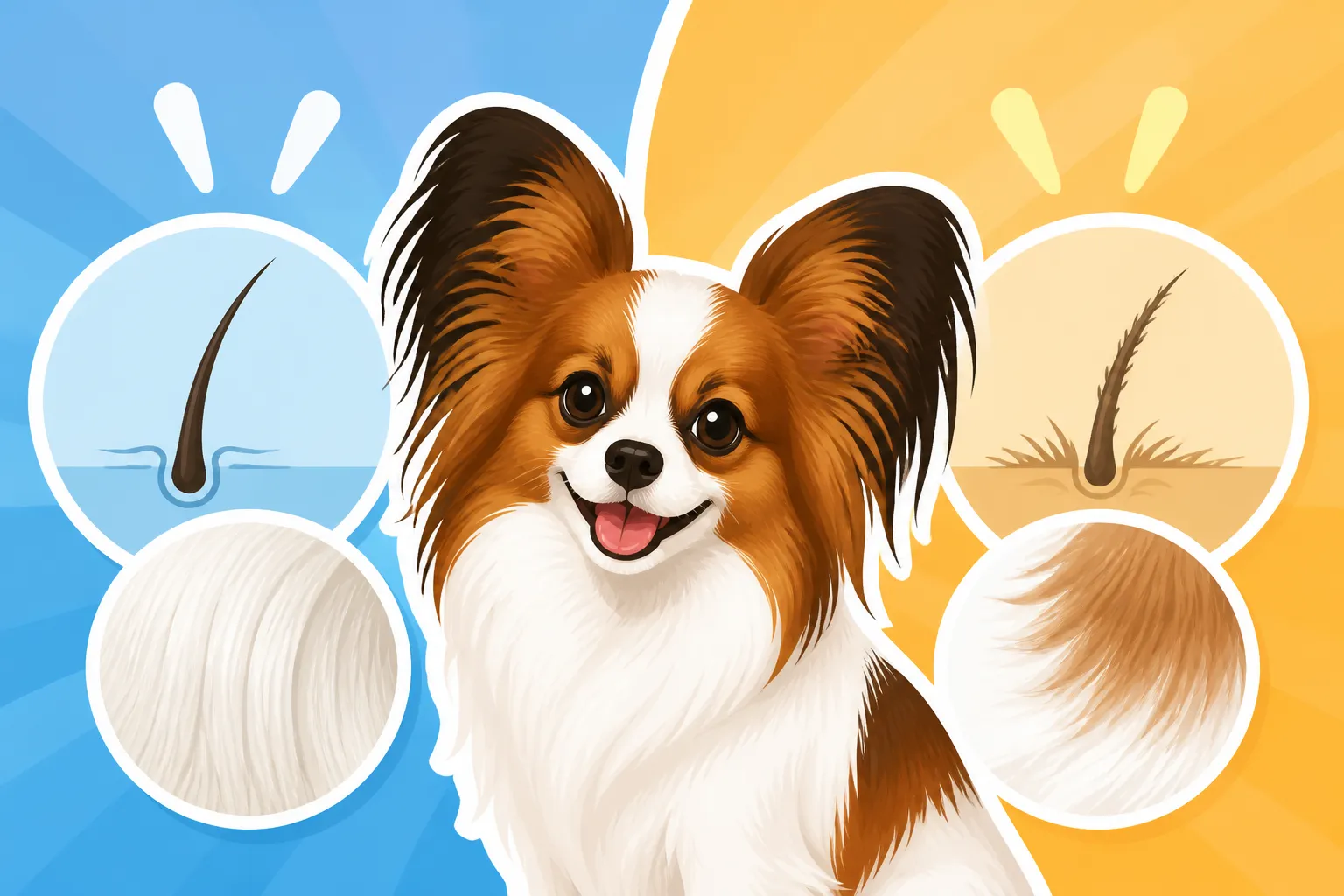
From a purely biological standpoint, there's no real difference between what we call "hair" and what we call "fur." Both are composed of keratin, a protein, and they grow from follicles in the skin. The structure, function, and growth cycle are essentially the same whether you're talking about a human's locks or a dog's coat. The terms "hair" and "fur" are largely cultural and descriptive, rather than scientific classifications.
Think about it: a poodle has what's often referred to as hair, a Labrador has fur. But both are still mammalian coats designed to protect the animal. The perceived differences come down to characteristics like texture, length, growth cycle, and the presence or absence of an undercoat. When people ask if a Papillon has hair or fur, they're usually trying to understand these practical differences, especially concerning things like allergies or shedding.
Why Papillons Are Often Said to Have "Hair"
The reason people typically describe a Papillon's coat as "hair" rather than "fur" boils down to several key characteristics that mimic human hair more closely than the dense coats of many other dog breeds. This isn't just a casual observation; it reflects real physiological traits of the breed's coat.
Firstly, Papillons are what we call "single-coated" dogs. This means they lack the dense, woolly undercoat that many double-coated breeds, like German Shepherds or Huskies, possess. That undercoat is what often gives a dog's coat a "furry" feel and is responsible for much of the heavy seasonal shedding. Without it, the Papillon's coat feels much lighter and more delicate. You'll notice it when you pet them – it's soft and smooth, not thick and plush. What a Papillon's Coat Is Made Of
Secondly, a Papillon's coat typically has a longer anagen phase, which is the active growth stage of the hair follicle. This extended growth phase means their hair grows for a longer period before resting and shedding, much like human hair. This contributes to the impressive length of their ear fringes, tail plume, and culottes. Because the hair is continuously growing rather than shedding heavily in seasonal bursts, it tends to be less noticeable around the house. This continuous growth is a big reason why Papillon owners often feel like their dogs have "hair."
Unpacking the Papillon's Distinctive Coat Structure
Understanding the unique makeup of a Papillon's coat is key to appreciating its beauty and knowing how to care for it. It's not just "pretty"; its structure impacts everything from grooming needs to how they handle different temperatures.
The Single-Coated Advantage: No Undercoat, Less Shedding
As we touched upon, one of the defining features of a Papillon's coat is its single-layer construction. Unlike many breeds that boast a dense, insulating undercoat beneath a coarser outer layer (the guard hairs), the Papillon has only the latter. This lack of an undercoat has several significant advantages for owners.
For starters, it means significantly less shedding. While no dog is truly non-shedding, Papillons do shed considerably less than their double-coated cousins. You won't find tumbleweeds of fur rolling across your floors or clogging your vacuum cleaner daily. Instead, the shedding is typically minimal and more consistent year-round, rather than heavy seasonal "blow-outs." This is a huge relief for many owners who have dealt with the endless battle against shedding from other breeds. Less hair also means fewer mats, particularly if you maintain a regular brushing schedule. It's truly a blessing for keeping your home cleaner. Why a Papillon Has No Undercoat
However, the absence of an undercoat also means Papillons have less natural insulation. This is something to keep in mind, especially in colder climates. While their flowing coat offers some protection, they can get chilly more easily than a husky! Conversely, in hot weather, their single coat helps them regulate temperature better than a thick, double-coated dog, provided they aren't left out in direct sun too long.
Growth Cycles and What It Means for Shedding
All hair—whether it's on a human head or a dog's body—goes through a growth cycle. There's an active growth phase (anagen), a transitional phase (catagen), and a resting phase (telogen), followed by shedding. The length of these phases varies greatly between species and even between breeds.
For many dogs, particularly double-coated breeds, the anagen phase is relatively short, and the telogen phase is long, leading to heavy, seasonal shedding as the undercoat "blows out" to make way for new growth. This is when you see massive amounts of fur coming off, often twice a year.
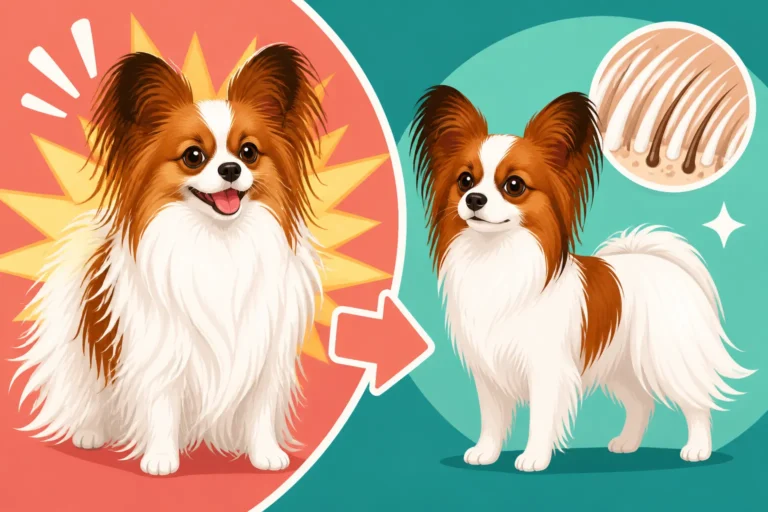
Papillons, however, have a much longer anagen phase for their outer coat. This means their hair continues to grow for a considerable amount of time before it eventually enters the resting and shedding phases. This extended growth is precisely what allows their beautiful ear fringes, tail plumes, and "culottes" (the long feathering on their hind legs) to reach such impressive lengths. Because the shedding is more spread out and gradual, it's far less noticeable than the dramatic shedding of breeds with dense undercoats. You'll still find some stray hairs, of course, but it's rarely overwhelming. This consistent, slow shedding is a hallmark of "hair" type coats. When a Papillon Sheds Most
This characteristic also means their coat doesn't change drastically with the seasons like many other dogs. While some slight thickening or thinning might occur, it's not the dramatic coat change seen in breeds adapted to extreme temperatures.
Practical Implications for Papillon Owners
Understanding that your Papillon's coat is more akin to "hair" has tangible benefits and specific care requirements. It influences everything from how often you groom to how you might address potential allergies.
Grooming Your "Hair-Coated" Papillon
While Papillons don't have a dense undercoat to shed, their long, silky outer coat still requires regular attention to keep it looking its best and prevent matting. Many new Papillon owners are pleasantly surprised by how manageable their grooming actually is, despite the sophisticated appearance.
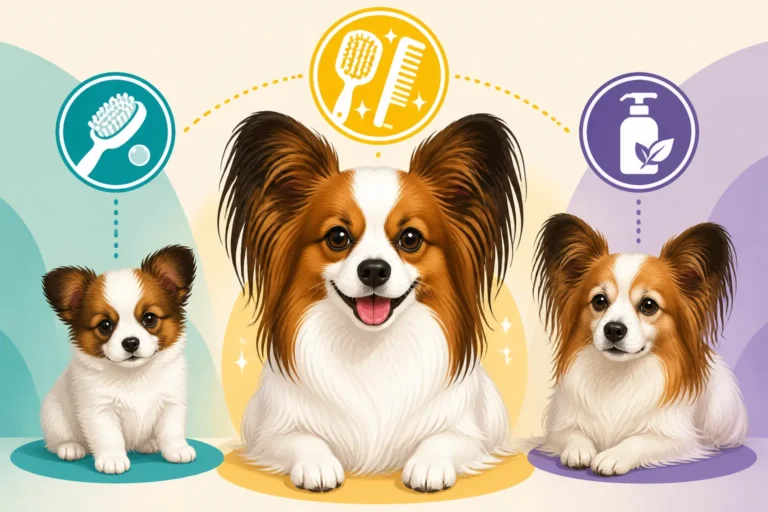
The key is consistency. Aim for brushing your Papillon at least two to three times a week, or even daily if their coat is particularly long or they've been playing outdoors. A good quality pin brush and a metal comb are your best friends here. Focus on areas prone to matting, like behind the ears, under the "armpits," and in their beautiful culottes and tail plume. Even though they don't have an undercoat, tangles can still form, especially where their coat rubs against itself or collects debris. Brands like Chewy and Amazon offer a wide selection of grooming tools specifically designed for long-haired breeds, making it easy to find what you need. How Often a Papillon Needs Brushing
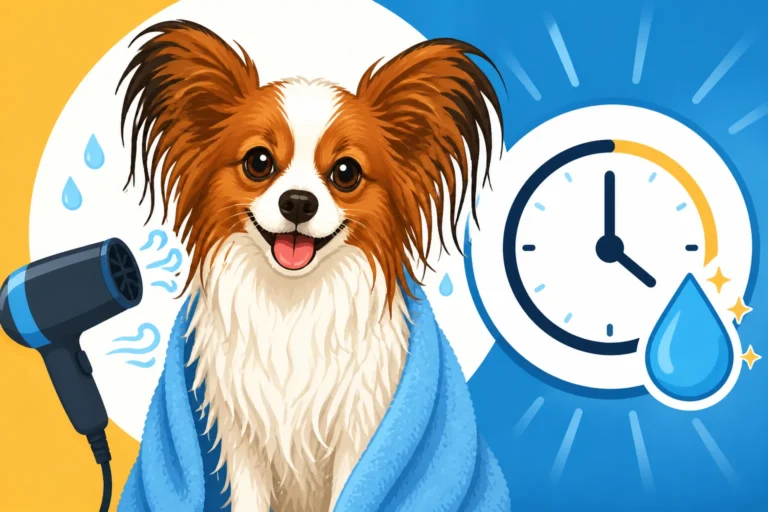
Bathing your Papillon can be done as needed, typically every few weeks to once a month, depending on how quickly they get dirty. Use a gentle dog shampoo and conditioner to maintain the silkiness of their coat. Always make sure to thoroughly rinse out all product to prevent skin irritation. After a bath, towel dry them well and then use a hairdryer on a low, cool setting while brushing to ensure their coat dries straight and tangle-free. This also helps to reduce any potential matting as the coat dries. Which Brush a Papillon Needs
Don't forget nail trims and ear cleaning too! Long nails can cause discomfort and affect their gait, potentially putting strain on their delicate joints. Their erect ears, while beautiful, can still collect dust and debris, so a gentle wipe with a dog-safe ear cleaner every week or two is a good habit.
Allergy Considerations: The "Hypoallergenic" Myth
It's a common misconception that "hair" means a dog is hypoallergenic, or that breeds like the Papillon don't cause allergies. Unfortunately, there's no such thing as a truly 100% hypoallergenic dog. All dogs produce dander (tiny flakes of skin), saliva, and urine, and it's these proteins, not the hair itself, that trigger allergic reactions in sensitive individuals.
However, breeds like the Papillon are often better tolerated by allergy sufferers, and here's why: because they have a single coat and shed less than double-coated breeds, they release less dander and hair into the environment. Less airborne dander means fewer potential allergens floating around your home. This can make a significant difference for someone with mild to moderate dog allergies.
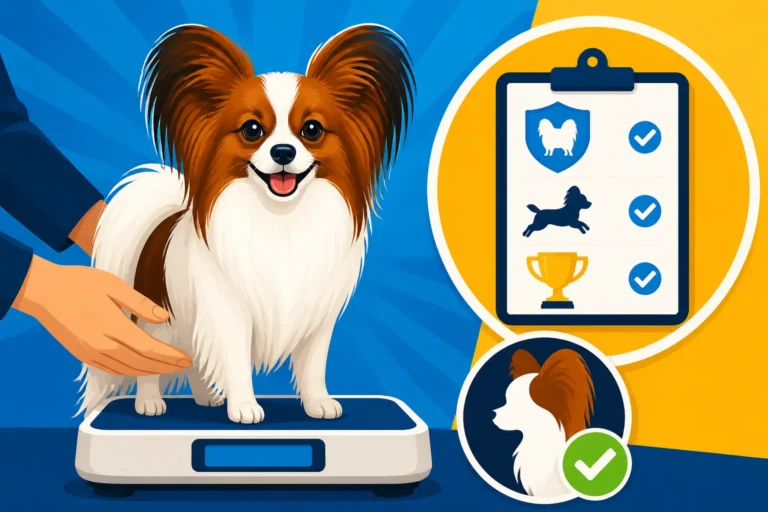
If you or a family member has allergies, spending time with a Papillon before committing to bringing one home is always a wise idea. Some people with severe allergies might still react, even to low-shedding breeds. However, for many, the Papillon's "hair-like" coat makes them a much more feasible companion. Whether a Papillon Suits an Allergy Household Regular bathing and grooming, as well as frequent cleaning of your home, can further help manage allergens.
Keeping the Coat Healthy: Nutrition and Lifestyle
A beautiful, shiny coat isn't just about brushing; it's a reflection of your Papillon's overall health, and nutrition plays a huge role. Just like human hair, a dog's coat needs the right nutrients to thrive.
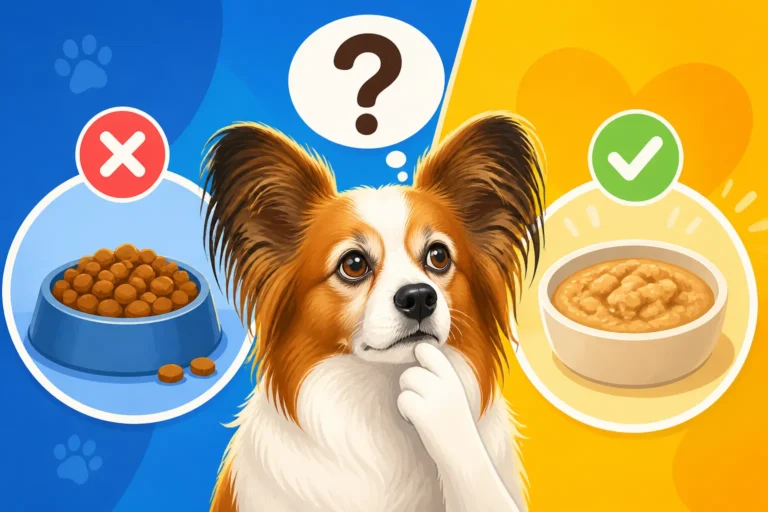
Ensuring your Papillon is on a high-quality diet, rich in essential fatty acids like Omega-3s and Omega-6s, is paramount. Look for dog foods that list real meat as the first ingredient and avoid excessive fillers. Good fats contribute to skin health, which in turn leads to a healthier, shinier coat. Some owners even supplement their dog's diet with a little fish oil, but always consult your vet before adding supplements. High-quality fresh food options, such as those offered by Ollie, can make a noticeable difference in coat luster and skin health for many Papillons. For a wide variety of trusted dog food brands and supplements, platforms like Chewy and Amazon offer numerous choices to fit your Papillon's specific needs and your budget. Feeding a Papillon That Weighs Seven Pounds
Beyond diet, general health practices contribute to coat quality. Regular vet check-ups ensure any underlying health issues that might affect their coat (like skin conditions or hormonal imbalances) are caught early. Adequate exercise and mental stimulation keep them happy and reduce stress, which can also impact coat health. A happy, healthy Papillon will naturally have a more vibrant and well-maintained coat. Remember that grooming isn't just aesthetic; it's a critical part of their overall wellness, impacting everything from skin health to joint comfort by preventing painful mats.
Addressing Common Myths and Misconceptions
There's a lot of information floating around about dog coats, and it's easy to get caught up in common myths. Let's tackle a couple that specifically relate to the "hair or fur" debate for Papillons.
The Myth of the "No-Shedding" Dog
While we've established that Papillons are low-shedding, it's crucial to bust the myth that any dog is truly "no-shedding." All dogs, just like humans, shed hair. It's a natural part of the hair growth cycle. The difference lies in the amount and frequency of shedding.
A Papillon will still shed, but it's typically a fine, almost imperceptible shedding that's nothing like the constant fluff storms from double-coated breeds. You might find a few stray hairs on your clothes or furniture, but you're unlikely to be filling your vacuum cleaner canister after every sweep. The continuous growth cycle means old hairs are replaced gradually, not in large batches. So, if you're looking for a dog that won't leave any hair behind, you'll be disappointed. But if you're looking for a dog that makes shedding a minor household chore rather than a major battle, the Papillon fits the bill perfectly.
This subtle shedding is part of why their coat is often considered "hair." It behaves more like human hair that needs to be brushed out of a comb, rather than coming off in thick tufts.
Does "Hair" Mean No Grooming Is Needed?
Absolutely not! This is another misconception that can lead to problems for Papillon owners. Just because their coat is "hair-like" and doesn't shed profusely doesn't mean it's maintenance-free. In fact, due to its length and fine texture, a Papillon's coat requires regular grooming to prevent tangles and mats.
Imagine neglecting to brush long human hair – it quickly becomes a knotted mess, right? The same applies to your Papillon. Those beautiful fringes and plume are particularly susceptible to matting if not brushed regularly. Mats can be incredibly painful for a dog, pulling at their skin, and in severe cases, can lead to skin infections or necessitate shaving the affected areas.
Regular brushing not only prevents mats but also distributes natural oils, keeping the coat healthy and shiny. It's also a wonderful bonding experience between you and your dog. Think of it as a small, consistent investment of your time that pays off in a happy, comfortable, and gorgeous-looking Papillon. Don't let the ease of minimal shedding fool you into thinking you can skip the brush and comb! How Long a Papillon Takes to Brush Consistency is far more important than intensity when it comes to keeping a Papillon's coat in prime condition throughout its long lifespan. What Changes in an Aging Papillon's Care
Here's a quick comparison of typical "fur" vs. Papillon "hair":
| Feature | Typical "Fur" Coat (e.g., Labrador) | Papillon "Hair" Coat |
|---|---|---|
| Layers | Double-coated (dense undercoat, guard hairs) | Single-coated (no undercoat) |
| Texture | Often coarser, thicker, denser, woolly | Silky, fine, flowing, softer |
| Growth Cycle | Shorter anagen phase, pronounced seasonal shedding | Longer anagen phase, continuous growth |
| Shedding | Heavy, seasonal "blow-outs," noticeable | Minimal, consistent year-round, subtle |
| Matting Tendency | Undercoat can mat if not brushed | Outer coat can tangle/mat if not brushed |
| Insulation | High, provides warmth in cold conditions | Lower, less natural insulation |
| Allergy Impact | More dander/hair release, higher allergen load | Less dander/hair release, often better tolerated |
In conclusion, while scientifically all dog coats are "hair," in the practical world of dog ownership, the Papillon's coat absolutely leans into the "hair" category due to its single layer, continuous growth, and minimal shedding. This makes them a joy to groom and a wonderful companion for many.
Disclaimer
This article is for general informational purposes only and does not constitute professional advice. Laws, prices and regulations vary by location and change over time. Consult a qualified professional for guidance on your specific situation.