Why a Papillon With No Undercoat Still Sheds
One common frustration many Papillon owners, or those considering bringing one of these delightful little butterfly dogs into their lives, face is the lingering misconception that they don't shed. You hear things like, "Oh, they have a single coat, so they're low shed," or "No undercoat means no hair everywhere." The reality, however, can be quite different, leaving you wondering why your seemingly non-shedding Papillon is, in fact, leaving little wisps of hair around your home. This guide aims to clear up that confusion, diving deep into why your Papillon, despite its elegant single coat, still sheds, and what you can realistically expect and do about it.
Understanding the Papillon's Unique Coat
Let's get straight to the heart of the matter. The Papillon's coat is often described as being single-layered, lacking the dense undercoat found in many double-coated breeds like German Shepherds or Huskies. This characteristic is frequently, and mistakenly, equated with being non-shedding or hypoallergenic. While it's true they don't "blow" their coat in massive clumps twice a year like some of their furry cousins, saying they don't shed at all is a stretch of the truth that can lead to some unexpected surprises for new owners.
The Myth of the "Non-Shedding" Papillon
The term "non-shedding" is one that causes a lot of confusion and, frankly, disappointment in the dog world. There are very few truly non-shedding dog breeds, and those that are often have hair more akin to human hair, growing continuously and requiring regular trimming, like Poodles or some Terriers. Papillons, while having a finer, silkier texture, still have hair that grows to a certain length, reaches the end of its life cycle, and then falls out. It's a natural biological process, and no dog with hair is exempt from it entirely.
The myth likely stems from the fact that their shedding is generally less dramatic and easier to manage than that of a double-coated breed. You won't find tumbleweeds of fur rolling across your floor after a Papillon sheds, but you will find individual hairs. For someone used to a heavy-shedding breed, the Papillon's shedding might feel negligible, but it's important to set accurate expectations for those unfamiliar with various coat types. It's a matter of degree, not absence.
What Exactly Is a Papillon's Coat Made Of?
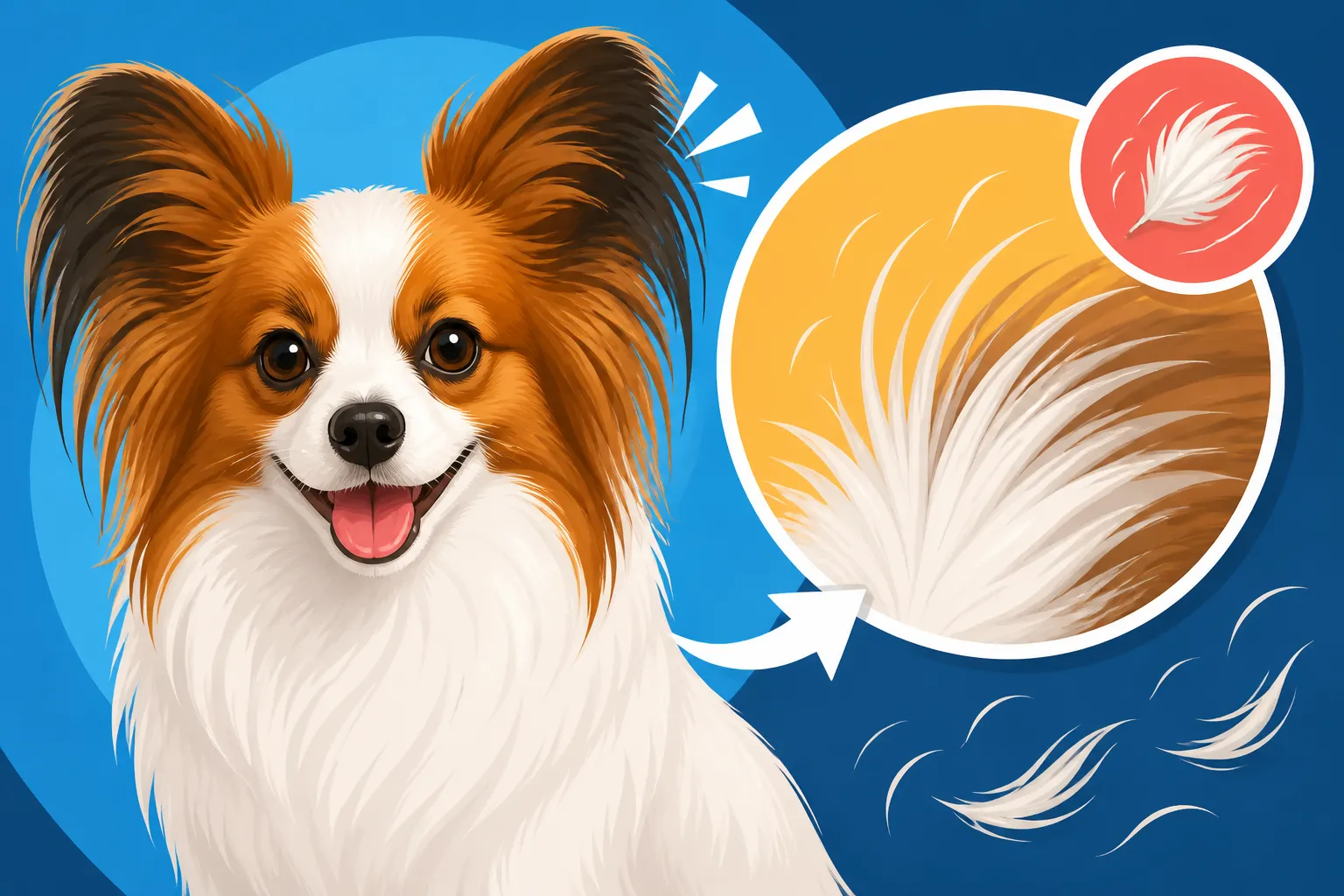
So, if a Papillon doesn't have an undercoat, what does it have? The Papillon's coat is characterized by its long, flowing, fine, single layer of hair. It feels soft and silky to the touch, and it lies flat against the body, creating those beautiful fringes on their ears, tail, and legs that give them their distinctive elegant appearance. This single layer is what truly defines A Papillon's Coat Is All Fringe and No Undercoat. Unlike dogs with a plush undercoat designed for insulation, the Papillon's coat is primarily for protection from the elements and certainly contributes to their aesthetic.
Think of it like human hair. We don't have an undercoat, but our hair still sheds daily. Each strand goes through a growth cycle, and when it reaches the end, it detaches. A Papillon's coat functions in a very similar way. The hair follicles produce these delicate strands, they grow, they rest, and then they release, making way for new growth. This natural turnover means that shedding is an inevitable part of owning a Papillon, regardless of the absence of an undercoat. Understanding What a Papillon's Coat Is Made Of is key to appreciating why this process occurs.
The Science Behind Papillon Shedding
Shedding isn't just about making extra work for us with the vacuum cleaner; it's a fundamental biological process. Every hair follicle on a dog's body goes through a cycle of growth, rest, and shedding. For a single-coated breed like the Papillon, this cycle is present and active, even without the insulating underlayer.
The Hair Growth Cycle in a Single Coat
Every single strand of your Papillon's beautiful hair goes through three main phases: anagen (growth), catagen (transition/rest), and telogen (shedding). During the anagen phase, the hair actively grows from the follicle. This is why Papillons have such long, flowing coats – their anagen phase is relatively long. Once a hair reaches its predetermined length, it enters the catagen phase, where growth stops, and the follicle prepares for renewal. Finally, the hair moves into the telogen phase, where it becomes inactive and eventually falls out, making space for a new hair to begin its anagen phase.
Because Papillons lack an undercoat, the shedding of these individual "guard hairs" can sometimes be more noticeable. When a double-coated dog sheds its guard hairs, they often get caught up in the dense undercoat, only to be released in larger clumps when the undercoat itself is shed or brushed out. With a single coat, there's nothing to hold those individual hairs in place once they've entered the telogen phase, so they simply fall out and tend to settle wherever your Papillon has been. This continuous, albeit light, shedding is normal and healthy for Why a Papillon Has No Undercoat.
Factors That Influence Shedding in Papillons
While shedding is natural, several factors can influence the amount of hair your Papillon sheds. These aren't necessarily signs of a problem, but rather normal variations.
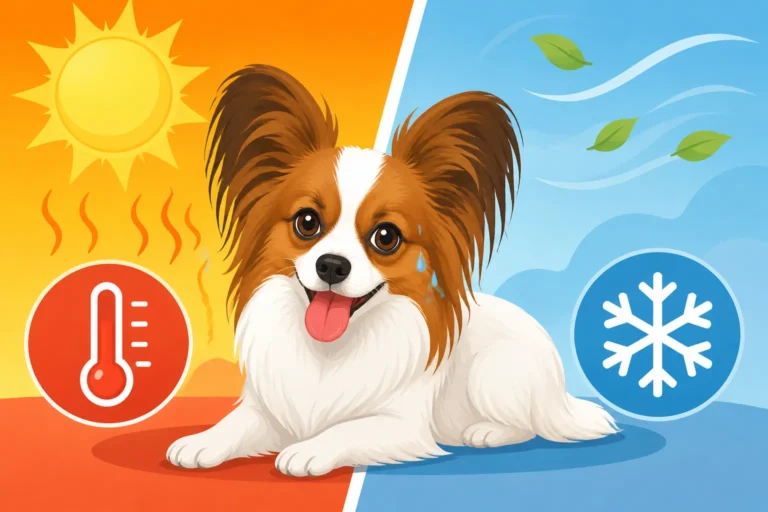
Firstly, seasonal changes play a big role. Just like many other animals, dogs adapt their coats to the weather. In warmer months, they might shed a bit more of their older hair to feel cooler, and in colder months, they might hold onto it more. Although they don't grow a super-thick winter coat like a husky, their body still responds to light and temperature cues. Think about how your own hair might feel different in summer versus winter.
Secondly, diet and nutrition are paramount for coat health. A Papillon receiving a high-quality diet, rich in essential fatty acids like Omega-3 and Omega-6, will generally have a healthier, stronger coat and less excessive shedding. Poor nutrition, on the other hand, can lead to brittle hair that breaks easily and sheds more frequently. Brands like Ollie, known for their fresh, human-grade food, often highlight the benefits for coat health, and a balanced kibble from reputable brands available at Chewy can also make a big difference.
Thirdly, stress or anxiety can sometimes contribute to increased shedding. Just as humans can lose hair due to stress, dogs can too. A dog undergoing significant changes in its environment, or one that experiences chronic anxiety, might shed more than usual. This is often a temporary response, but it's worth noting. Lastly, underlying health issues can manifest as unusual shedding. Skin allergies, hormonal imbalances, parasites, or other medical conditions can all lead to excessive hair loss or poor coat quality. If you notice a sudden, dramatic increase in shedding, bald patches, or skin irritation, it's always best to consult your veterinarian.
Managing Papillon Shedding Effectively
Understanding why your Papillon sheds is the first step; the next is learning how to manage it. While you can't stop a natural process, you can certainly minimize the impact of shedding on your home and keep your Papillon's coat looking its best. It's all about consistency and the right tools.
Establishing a Regular Grooming Routine
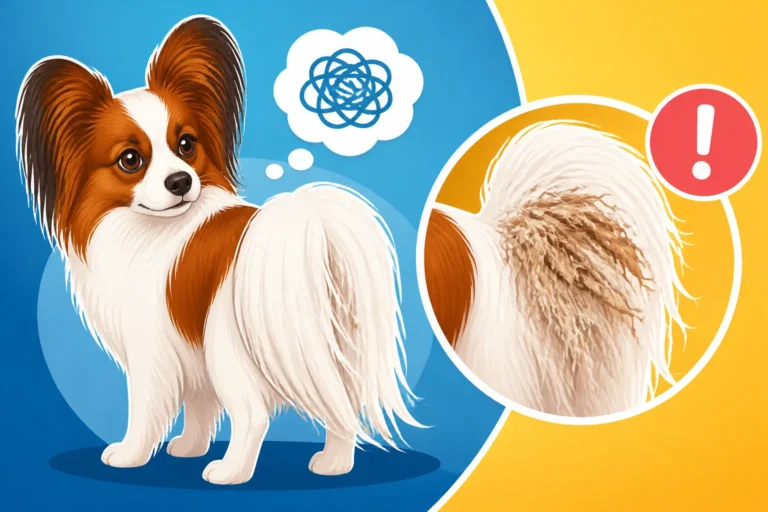
This is probably the single most effective way to control Papillon shedding. Regular brushing is your best friend. Because their hair is fine and long, it can tangle and mat if left unchecked, and brushing helps to remove those loose hairs before they have a chance to settle on your furniture. Aim for at least 2-3 times a week, though daily brushing is ideal for keeping their coat in pristine condition, especially the long ear fringes and tail plume. How Often a Papillon Needs Brushing really depends on how much hair you want to find elsewhere!
When it comes to tools, a good quality pin brush and a metal comb are usually all you need. The pin brush helps to gently detangle and remove loose hair, while the comb is excellent for working through the longer fringes and ensuring there are no hidden mats. You can find a wide selection of these on Amazon or Chewy. Brushing shouldn't be a chore; make it a positive experience with treats and praise, and your Papillon will learn to love their grooming sessions. This regular interaction also gives you a chance to inspect their skin for any issues and strengthens your bond. For more detail, refer to Which Brush a Papillon Needs.
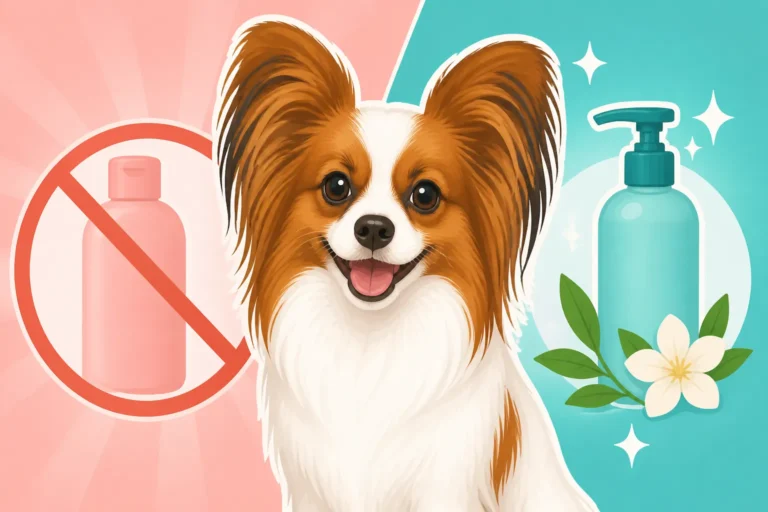
Beyond brushing, occasional bathing also helps remove dead hair and keep the coat clean and healthy. Just be sure to use a dog-specific shampoo and conditioner that won't strip their natural oils. After bathing, thoroughly dry and brush them to prevent matting. Which Shampoo Suits a Papillon's Coat and How Often a Papillon Should Be Bathed are excellent resources to guide you in this.
Nutritional Support for a Healthy Coat
As mentioned earlier, diet plays a significant role in coat health and, by extension, shedding. A Papillon's beautiful, silky coat is a direct reflection of their internal health. Feeding a high-quality, balanced diet provides the necessary nutrients for strong, healthy hair follicles. Look for dog foods where a named meat source is the first ingredient, and which contain a good balance of protein, fats, and carbohydrates.
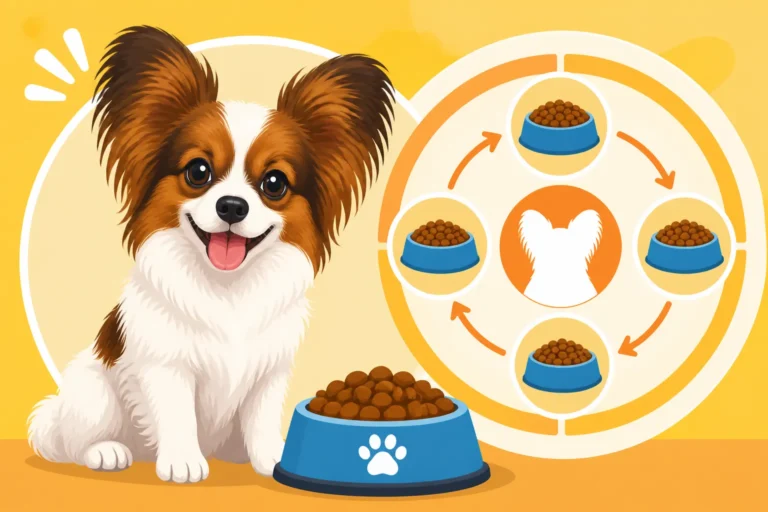
Essential fatty acids, particularly Omega-3 and Omega-6, are superstars for skin and coat health. These can be found in fish oils (like salmon oil), flaxseed, and often supplemented directly in high-quality dog foods. A healthy dose of these fats can lead to a shinier coat, reduced dryness, and stronger hair strands, meaning less breakage and potentially less shedding. If your Papillon is a picky eater, you might find that fresher food options, like those from Ollie, or simply adding a salmon oil supplement to their regular kibble can make a noticeable difference in their coat quality. Don't forget, What a Papillon Eats in a Month can vary, but investing in good food is worth it for their overall health and coat.
Sometimes, a veterinarian might recommend specific supplements if your Papillon has particularly dry skin or a dull coat. Never start supplements without consulting your vet, but many general health supplements can contribute positively to skin and coat condition, helping to mitigate excessive shedding.
Realistic Expectations and Living with Papillon Hair
Even with the best grooming and nutrition, your Papillon will still shed. It's a natural function of having hair. The goal isn't to eliminate shedding entirely, but to manage it and live comfortably with your furry companion. Setting realistic expectations is crucial for a happy home.
Seasonal Shedding and Environmental Impact
While Papillons don't experience the dramatic seasonal "blow-outs" of double-coated breeds, you will likely notice periods of slightly increased shedding. This often occurs in spring as they lighten their coat for warmer weather, and again in the fall as they prepare for winter. These subtle shifts are normal and are simply their body adjusting to environmental changes in temperature and daylight hours.
During these times, you might find yourself needing to brush your Papillon a little more frequently or running the vacuum cleaner more often. It's not a cause for alarm, just a signal that nature is taking its course. Maintaining a consistent grooming routine throughout the year will help smooth out these seasonal fluctuations, preventing them from becoming overwhelming. Knowing when When a Papillon Sheds Most helps you prepare.
Maintaining a Clean Home with a Shedding Papillon
Living with a shedding Papillon doesn't mean your home has to be covered in hair. With a few practical habits, you can keep things tidy. Firstly, stick to that regular brushing schedule; most loose hair will come out on the brush, not on your sofa. Secondly, consider dog beds and blankets that are easy to wash. Placing these in your Papillon's favorite resting spots can concentrate shed hair to an easily cleanable area.
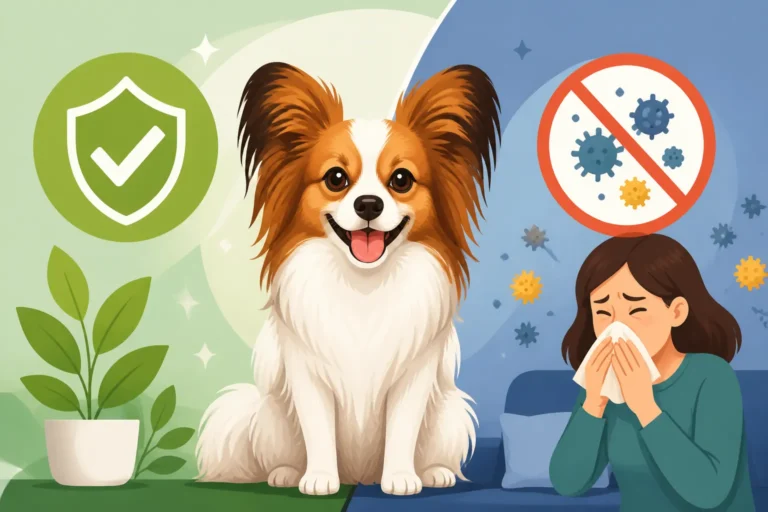
For furniture, a lint roller or a damp cloth can work wonders for quick clean-ups. For floors, a good vacuum cleaner with attachments for pet hair will be your ally. Some owners also swear by specific pet hair removal tools for carpets and upholstery, available on Amazon. Whether a Papillon Suits an Allergy Household is often asked, and while no dog is truly hypoallergenic, managing shedding helps immensely. Regularly washing pet bedding, using washable couch covers, and implementing a consistent cleaning schedule for your home will help keep those stray Papillon hairs in check, allowing you to enjoy your charming companion without excessive worry about the mess.
Shedding Management Checklist
| Action Item | Frequency | Tools Needed | Benefits |
|---|---|---|---|
| Brushing | 2-3 times/week | Pin brush, metal comb | Removes loose hair, prevents mats, improves circulation |
| Bathing | Every 4-6 weeks | Dog shampoo & conditioner | Cleans coat, removes dead hair, maintains skin health |
| Diet Check | Daily | High-quality kibble/fresh food | Stronger hair, less breakage, healthier skin |
| Hydration | Daily | Fresh water bowl | Supports overall health, including skin and coat |
| Vet Check-ups | Annually/as needed | Veterinarian | Rules out underlying health issues causing shedding |
| Home Cleaning | As needed | Vacuum, lint roller, washable covers | Keeps home tidy, reduces accumulated hair |
Disclaimer
This article is for general informational purposes only and does not constitute professional advice. Laws, prices and regulations vary by location and change over time. Consult a qualified professional for guidance on your specific situation.