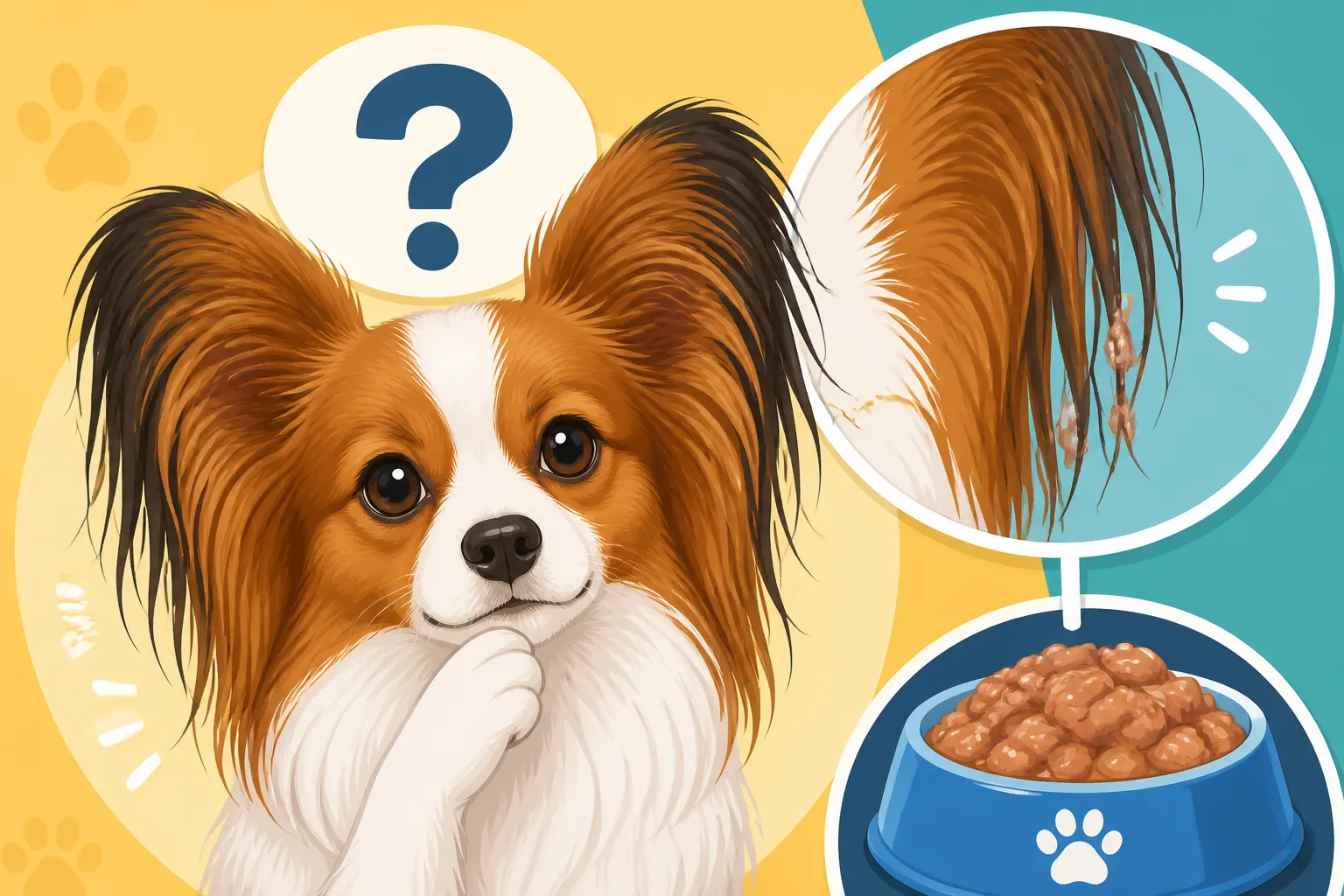
Whether Wet Food Sticks in a Papillon’s Fringe
Anyone who has shared their home with a gorgeous Papillon knows the sheer joy and, let's be honest, the occasional exasperation that comes with their stunning, expressive ears and delicate facial feathering. One of the most common, albeit charming, messy moments is mealtime, particularly when wet food is involved. This guide is here to walk you through the undeniable truth: yes, wet food absolutely loves to cling to a Papillon's fringe, why it happens, and what you can do about it, from prevention to clean-up.
The Inevitable Mess: Why Papillon Fringes Attract Wet Food
It’s not just your imagination, and it's certainly not a reflection of your dog's table manners. The exquisite long hair around a Papillon's ears and muzzle, which gives them their distinctive "butterfly" look, is almost custom-designed to collect anything liquid or sticky. It's a daily battle for many of us, but understanding the mechanics behind it can help us combat the mess more effectively.
The Delicate Structure of Papillon Ear and Muzzle Hair
A Papillon's coat is a single layer, without an undercoat, making it wonderfully silky and flowing. This beautiful texture, however, is also its Achilles' heel when it comes to wet food. Unlike breeds with coarser or shorter hair, the Papillon's fine, long strands act like a natural mop or brush, sweeping up moisture and particles with ease. The ear fringe, often referred to as "butterfly wings," cascades down past their cheeks, putting it directly in the splash zone during enthusiastic eating. Similarly, the longer hairs around their muzzle and chin, sometimes called a "beard" or "whiskers" by owners, are perfectly positioned to collect stray bits of kibble and gravy. It's a cruel irony that their most defining feature is also a prime mess-collector. You might also find that this unique coat structure requires specific care, as discussed in Why a Papillon's Long Coat Takes Twenty Minutes a Week.
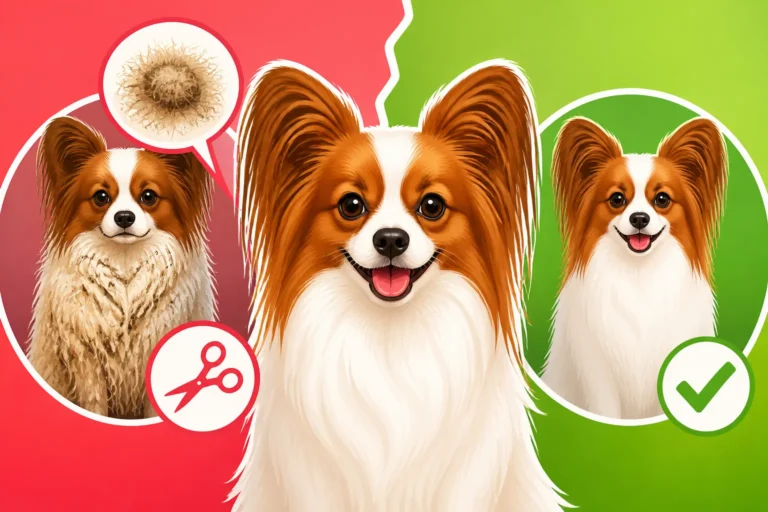
Imagine dipping a fine paintbrush into a bowl of gravy – that's essentially what happens to your Papillon's ear fringe when they dive into their dinner. The individual strands are so fine that they don't repel moisture; they absorb it and allow food particles to cling. This is especially true of thicker, pâté-style wet foods, which can become deeply embedded. Even seemingly less messy, gravy-rich foods can coat the strands, leading to a sticky, matted mess once it dries. This delicate hair can also be prone to matting in other areas, like behind the ears, making general care something to pay close attention to.
How Papillons Approach Mealtime
Let's be real: most Papillons aren't exactly prim and proper when it comes to dinner. They're often enthusiastic eaters, diving head-first into their bowls with gusto. Their small size means their faces are usually very close to, or even inside, the bowl. This combination of an eager eating style and their physical dimensions practically guarantees contact between delicious wet food and their lovely ear and muzzle feathering. They aren't consciously trying to get messy; they're simply focused on the amazing meal in front of them, blissfully unaware that their beautiful fringes are becoming a Jackson Pollock painting.
Their small jaws and eager lapping or nibbling motions can also contribute. They might push food around with their noses, sending bits of soft food flying just enough to land on those tempting ear fringes. And once a bit of food is on the hair, it's very difficult for them to dislodge it themselves without making it worse. This often results in them rubbing their faces on their beds or the carpet, further embedding the food and spreading the mess.
Different Types of Wet Food and Their Stickiness Factor
Not all wet foods are created equal when it comes to their potential for mess. The consistency of the food plays a huge role in how much of it ends up adorning your Papillon's face rather than going into their tummy.
- Pâté-style foods: These smooth, dense foods are often the biggest culprits. Their thick, paste-like texture means they adhere readily to fine hair and are incredibly difficult to wipe off once dry. They can create a hardened, crusty mess that pulls at the delicate fringe.
- Chunky or stew-style foods with gravy: While the chunks might be easier for your Papillon to pick up, the accompanying gravy or broth is a significant source of splatter. The liquid can wick up the fine hair, leaving a sticky residue. When the chunks are very soft, they can also get mashed into the fur.
- Shredded or minced foods: These can be a middle-ground. The individual strands of meat might not cling as badly as pâté, but if they come in a lot of sauce, you're back to the gravy issue.
It’s worth paying attention to the texture of the food you’re choosing. While brands like Ollie offer fresh food options that can vary in consistency, many traditional canned foods from places like Chewy also come in a wide array of textures. Understanding these differences can inform your feeding strategy.
Prevention is Key: Keeping Those Beautiful Ears Clean at Mealtime
We all want our Papillons to enjoy their meals without turning into a culinary disaster zone. Thankfully, there are several practical steps you can take to minimize the amount of wet food that ends up clinging to their fringe. A little proactive effort can save you a lot of clean-up time and keep your dog's beautiful coat pristine.
Strategies Before the Meal
Getting ahead of the mess often starts before the food even hits the bowl. Simple interventions can make a world of difference.
- Ear Snoods: These fabric tubes are perhaps the most effective tool. A snood slips over your Papillon's head, holding their ears gently back and away from the food bowl. It acts as a protective barrier, preventing their delicate fringe from dipping into their dinner. You can find these online on sites like Amazon or even make one yourself from an old sock. They come in various sizes, so make sure to get one that fits snugly but comfortably, without being too tight. Introduce it gradually and positively, perhaps with a treat, so your Papillon associates it with good things like mealtime.
- Tying Up Ears (Gently!): For some Papillons, especially those with very long fringes, you might gently gather the ear hair and secure it with a soft, non-damaging hair tie or scrunchie, similar to how you might secure a child's hair. This must be done with extreme care to avoid pulling or breaking the delicate hair, and never leave your dog unsupervised with anything tied to their fur, as it could get caught or cause discomfort.
- Using Smaller, Deeper Bowls: The shape and size of the food bowl can impact the mess. A narrower, deeper bowl can encourage your Papillon to eat more centrally, reducing the spread of food to the sides where their fringes might droop. Some owners find ceramic or stainless steel bowls easier to clean than plastic ones, should food get on the outside.
Choosing the Right Food Consistency
As we discussed, food texture matters. If wet food mess is a constant struggle, reconsidering the type of wet food might be beneficial.
- Gravy vs. Pâté: If your Papillon tolerates it, a less liquidy, more solid type of wet food, or even mixing a small amount of wet food with dry kibble, can reduce the amount of "splash." Pâté can be tricky, but if it's their favorite, you might try a very shallow layer at the bottom of the bowl. Brands like Chewy often provide detailed descriptions of food textures, which can help you choose.
- Mixing with Kibble: Combining a small dollop of wet food with dry kibble can reduce the overall wetness, making it less likely to cling. The dry kibble can also act as a buffer, absorbing some of the moisture before it reaches the fringe. This is a popular strategy for owners whose Papillons are picky eaters but still need some wet food to entice them.
- Consider Fresh Food Options: Some fresh food diets, like those offered by Ollie, come in different consistencies. While some might be soft and moist, others can be more crumbly or chunky, which might be easier for your Papillon to eat cleanly. Experimenting with these can reveal a less messy alternative.
Training for Tidy Eating
While it might sound ambitious, you can actually encourage your Papillon to eat more neatly. This isn't about scolding them for being messy, but rather setting them up for success.
- Supervised Meals: Always supervise your Papillon during mealtime. This allows you to intervene with a quick wipe if food starts to accumulate, preventing it from drying and becoming a hardened crust.
- "Place" Training: Teach your Papillon to eat in a specific spot, perhaps on a mat that is easy to clean. This confines any mess to one area.
- Patience and Calm: Encourage a calm eating environment. If your Papillon is too excited, they might eat more frantically. A relaxed dog is often a neater eater.
- Post-Meal Routine: Immediately after they finish eating, before they have a chance to rub their face, gently wipe their muzzle and ears. This reinforces the idea that mealtime is followed by a quick clean-up.
By combining these strategies, you can significantly reduce the amount of wet food that ends up stuck in your Papillon's beautiful fringe, making mealtime a more pleasant experience for both of you.
Post-Meal Cleanup: When the Fringe Gets Messy
Despite our best efforts, sometimes wet food still finds its way into those lovely ear and muzzle fringes. It's not the end of the world, but timely and correct clean-up is crucial to prevent matting, skin irritation, and unpleasant odors. Don't despair; a little patience goes a long way.
Immediate Action: Gentle Wiping
The golden rule of wet food on fringe is: clean it now, before it dries. Once it hardens, it becomes exponentially more difficult to remove without pulling on your dog's delicate hair, which can be painful.
- Soft, Damp Cloth: Keep a soft, damp cloth or paper towel handy near your Papillon's eating area. As soon as they finish eating, gently wipe their muzzle and the underside of their ears. Focus on blotting and wiping away from the face.
- Pet-Safe Wipes: For convenience, many owners keep pet-safe grooming wipes on hand. These are formulated to be gentle on your dog's skin and fur. You can find a wide variety of these wipes available on platforms like Chewy or Amazon. Make sure they are unscented and alcohol-free to avoid irritation. Gently wipe away any visible food particles, being careful not to rub too harshly or spread the mess further into the fur.
- Comb First if Dry: If the food has unfortunately dried and hardened, resist the urge to pull or brush it out immediately. This will likely hurt your Papillon and break their delicate hair. Instead, gently try to flake off any larger, loose pieces with your fingers. Then, very carefully, use a fine-toothed comb to separate the strands around the dried food, gently working from the ends of the hair towards the root.
Deeper Cleaning for Stubborn Messes
Sometimes, a quick wipe isn't enough, especially if the food has dried and become quite embedded. This calls for a more targeted cleaning approach.
- Targeted Washing: You don't necessarily need to give your entire Papillon a bath every time their ears get messy. You can perform a "spot wash." Wet a small section of the ear fringe with warm water. Apply a tiny amount of a gentle, dog-specific shampoo (human shampoo is too harsh and can irritate their skin). Lather very gently with your fingertips, focusing on dissolving the dried food.
- Rinsing Thoroughly: This step is crucial. Rinse the shampooed area thoroughly with warm water, making sure no residue is left behind. Shampoo residue can cause skin irritation or make the hair sticky, attracting more dirt. You can use a small cup or a damp washcloth to rinse the area.
- Gentle Drying: After rinsing, gently blot the wet area with a clean towel. Avoid vigorous rubbing, which can tangle the hair. Follow up with a cool setting on a hairdryer, holding it a safe distance away and continually moving it to prevent burning their delicate skin. Brush the hair gently with a Which Brush a Papillon Needs as it dries to ensure it's tangle-free. This meticulous drying process is essential for maintaining the health and beauty of their long coat, as discussed in How to Dry a Papillon.
Preventing Staining and Odors
Leaving food residue in your Papillon's fringe isn't just unsightly; it can lead to more serious issues.
- Staining: Certain foods, especially those with dyes or rich colors, can stain lighter-colored Papillon fringes. Regular, immediate cleaning is the best defense against this discoloration.
- Odor: Dried food can develop an unpleasant smell, particularly if it's left for hours or days. This can make cuddle time less enjoyable and indicates a build-up of bacteria.
- Matting and Skin Issues: Food residue acts as a sticky trap, collecting dirt, dust, and environmental debris. This accelerates matting, which can pull on the skin and be quite painful. Prolonged dampness or irritation from food can also lead to skin infections or hot spots. Regular grooming, including checking for mats behind the ears and in the "culottes" (the long fur on their hindquarters), is part of overall coat health.
Consistent, gentle clean-up is the best way to keep your Papillon's fringe looking and smelling fresh, ensuring their comfort and health.
| Food Consistency | Mess Potential | Ease of Cleanup (if immediate) | Common Issues (if left) |
|---|---|---|---|
| Pâté | High | Moderate | Crusty, hard mats, difficult to comb out |
| Chunks in Gravy | Moderate-High | Easy (gravy), Moderate (chunks) | Sticky residue, matting, staining (from gravy) |
| Shredded/Minced | Moderate | Easy | Minor stickiness, some tangles |
| Broth/Soupy | Low-Moderate | Very Easy | Light stickiness, dampness |
Long-Term Management: Integrating Fringe Care into Routine Grooming
Dealing with wet food in a Papillon's fringe isn't just a one-off event; it's a recurring aspect of living with this elegant breed. By incorporating specific fringe care into your regular grooming routine, you can keep their beautiful ears healthy, clean, and free from the constant battle against sticky remnants of dinner.
Incorporating Fringe Care into Daily Grooming
Just like humans need to brush their teeth daily (and Papillons need their tiny teeth brushed too, as discussed in Brushing a Papillon's Teeth in a Very Small Mouth), regular, gentle care for their ear and muzzle fringe is paramount.
- Daily Brushing: Even if there's no visible food, a quick, gentle brush of the ear and muzzle feathering daily helps prevent tangles and remove any microscopic debris. Use a pin brush or a fine-toothed metal comb, working slowly and carefully to avoid pulling. This also helps distribute natural oils, keeping the hair healthy. For specific guidance on how to manage their beautiful ear hair, you might find Whether a Papillon's Ears Should Be Brushed Separately a helpful read.
- Checking for Residue: Before and after brushing, run your fingers through their fringe. You might find tiny, dried food particles that weren't immediately visible, or small tangles forming from a previous meal. Catching these early makes them much easier to remove.
- Regular Wiping: Consider making a quick wipe of the muzzle and ears a non-negotiable part of your Papillon's post-meal ritual. Even if they ate cleanly, a pass with a damp cloth or a pet-safe wipe helps remove environmental dust or saliva, contributing to overall hygiene. This consistent effort prevents minor issues from escalating into major matting problems.
The Role of Professional Grooming
While daily home care is incredibly important, there are times when a professional groomer can offer invaluable assistance, especially when dealing with complex mats or when you simply want to ensure your Papillon's coat is in top condition.
- Mat Removal: If a wet food incident has led to a stubborn, hardened mat that you can't safely remove at home, a professional groomer has the tools and expertise to carefully detangle or, if necessary, humanely shave out the mat without hurting your dog. Attempting to force out a mat at home can be painful and traumatic for your Papillon, potentially leading to fear of grooming.
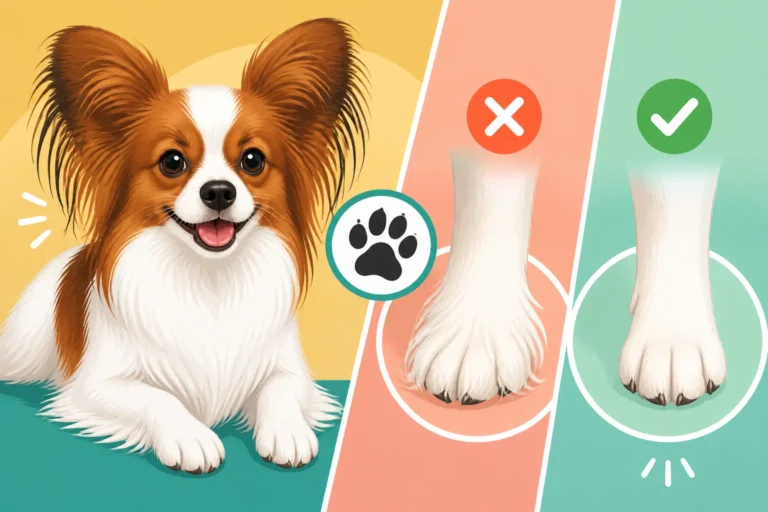
- Sanitary Trims: Groomers can perform subtle trims around the muzzle and the underside of the ears to reduce the amount of hair that comes into contact with food and water. These are not drastic cuts that alter the Papillon's iconic look but strategic trims to improve hygiene and reduce maintenance. They can also trim the hair between their paw pads, as discussed in Whether a Papillon's Feet Need Trimming.
- Full Bath and Blowout: Every few weeks or months, depending on your Papillon's activity level and coat condition, a full professional bath and blowout can ensure their entire coat, including the fringe, is thoroughly cleaned, conditioned, and dried to perfection. This helps prevent static, breakage, and keeps their coat flowing beautifully.
Broader Papillon Grooming Considerations
Managing wet food in the fringe is just one facet of caring for a Papillon's luxurious coat. It's a testament to the breed's beauty that their grooming needs, while seemingly high-maintenance, are actually quite manageable with the right routine.
- Overall Coat Health: A healthy coat is less prone to matting and easier to clean. Ensure your Papillon is on a high-quality diet, as nutrition plays a vital role in skin and coat health. A shiny, resilient coat will repel minor messes better than a dry, brittle one. You might be interested in How Much an Adult Papillon Eats to understand their dietary needs.
- Regular Checks: Beyond food, routinely check your Papillon's ears for any signs of irritation, redness, or odor, which could indicate an ear infection. Their long ear fringe can sometimes hide these issues, making regular inspection key.
- Patience and Positive Reinforcement: Grooming, including fringe care, should always be a positive experience for your Papillon. Use praise, gentle handling, and treats to create a pleasant association. A Papillon that trusts you during grooming will be much more cooperative, making the entire process easier for both of you.
By embracing these strategies for long-term management, you'll ensure your Papillon's magnificent ear and muzzle fringes remain a source of joy and beauty, not a constant grooming challenge.
Disclaimer
This article is for general informational purposes only and does not constitute professional advice. Laws, prices and regulations vary by location and change over time. Consult a qualified professional for guidance on your specific situation.