How to Dry a Papillon
After a delightful bath, perhaps using a gentle shampoo that really suits your Papillon's delicate coat, you're faced with the next crucial step: getting your little butterfly dry. It might seem straightforward, but if you've ever battled damp ear fringes or perpetually moist culottes, you know that drying a Papillon properly can be more of an art than a science. This guide is here to walk you through the process, ensuring your furry friend is not only dry but also comfortable, healthy, and looking their absolute best, without any frustrating matting or lingering dampness.
Why Proper Drying is Crucial for Your Papillon's Health
You might think a quick towel rub and letting them air dry is good enough, especially for such a small dog. But for a Papillon, whose long, silky single coat and distinctive fringes are their crowning glory, proper drying is absolutely paramount. Skipping or rushing this step can lead to a whole host of uncomfortable and even unhealthy issues that no loving owner wants for their pet. It's not just about aesthetics; it's about their well-being.
Preventing Mats and Tangles
One of the biggest frustrations for Papillon owners is dealing with mats, especially in those beautiful, flowing areas like behind the ears, under the legs, and on their tails. When a Papillon's coat is left to air dry, especially if it's not thoroughly brushed during the process, the hairs can tangle and knot as they dry. This is exacerbated by any residual dampness, which acts like glue, binding the fine strands together. A small mat can quickly grow into a painful, pelt-like mass if not addressed, pulling on their skin and causing discomfort.
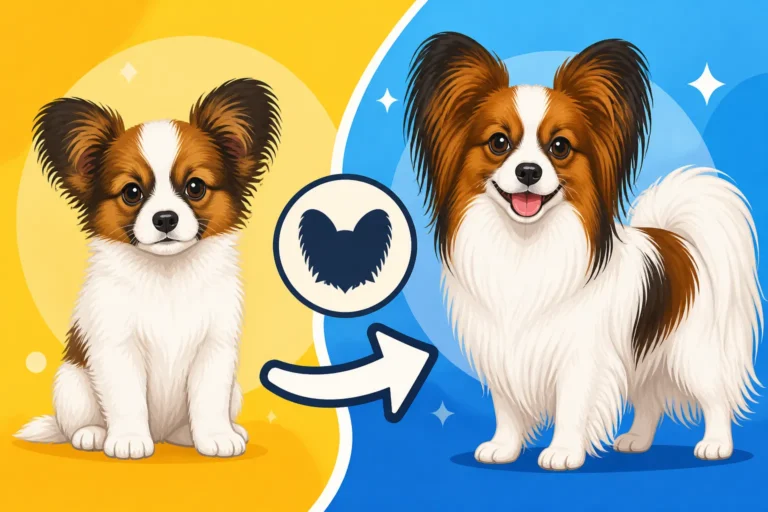
Imagine your Papillon, fresh from their bath, shaking off excess water. If you don't then carefully and systematically dry and brush that damp coat, those loose hairs and any existing tangles will simply lock into place. It becomes a nightmare to brush out later, often requiring painful de-matting or even shaving. Proper drying is your first line of defense against these stubborn knots, ensuring their A Papillon's Coat Is All Fringe and No Undercoat stays smooth and manageable.
Avoiding Skin Irritations and Hot Spots
Beyond mats, leaving a Papillon damp, especially in thicker areas or in folds of skin, creates a perfect breeding ground for bacteria and yeast. This can lead to nasty skin irritations, redness, itchiness, and even hot spots. Hot spots are particularly unpleasant: they are raw, weeping lesions that dogs will obsessively lick and chew, making the problem worse and often requiring veterinary intervention. Because Papillons are relatively fine-boned and often have delicate skin, they are particularly susceptible to these kinds of issues.
Think about how uncomfortable it is for you to wear damp clothes for too long. For your Papillon, it's exponentially worse. The prolonged moisture against their skin can disrupt the natural skin barrier, making it vulnerable to opportunistic infections. Paying close attention to getting every part of their body completely dry, especially areas that don't get much airflow like their armpits and groin, is essential for maintaining healthy skin.
Keeping Your Papillon Comfortable and Healthy
Finally, a damp Papillon can simply get cold, especially if it's not a warm day or if they are prone to chills. Their single coat, while long, doesn't offer the same insulating properties as a double-coated breed. This is particularly true for older Papillons or puppies, who might have a harder time regulating their body temperature. You want your Papillon to feel cozy and pampered after a bath, not shivering and miserable.
Moreover, a thoroughly dry coat feels light, clean, and smells wonderful. It prevents that "damp dog" odor that can permeate your home. By ensuring your Papillon is completely dry, you're not just preventing problems, you're actively contributing to their overall comfort, hygiene, and happiness. It's an act of care that shows your little companion they're truly cherished.
Tools of the Trade: What You'll Need for Drying
Trying to dry a Papillon effectively without the right tools is like trying to bake a cake without an oven – you're just making things harder on yourself. Having the correct equipment at hand before you even start the bath will make the entire process smoother, less stressful for your dog, and yield far better results. Don't underestimate the impact of good quality tools when it comes to grooming your Papillon's distinctive coat.
Absorbent Towels and Microfiber Options
Your first line of defense against soaking wet fur will always be a good towel. Standard bath towels are okay, but they can quickly become saturated. This is where microfiber towels truly shine. They are designed to absorb significantly more water than traditional cotton towels and wick moisture away from the coat much more efficiently. Having a couple of these on hand allows you to get most of the surface water off before even thinking about a dryer.
When using towels, the technique is key. Instead of vigorously rubbing, which can create tangles, gently squeeze and blot the coat. Wrap your Papillon snugly in a towel, patting and squeezing the water out, especially from the ears, legs, and tail. You'll be amazed at how much water these specialized towels can remove, cutting down your overall drying time and making the subsequent steps much easier. You can often find excellent microfiber dog towels on platforms like Amazon or Chewy.
The Right Dryer for a Papillon's Coat
This is where many owners get tripped up. Human hairdryers are often too hot and can damage your Papillon's delicate skin and coat. The intense heat can also be alarming for a small dog. What you need is a pet-specific dryer, ideally a force dryer or a stand dryer, but a good quality human hairdryer on a cool or low heat setting can work in a pinch if held far enough away. Force dryers, even small, quiet ones designed for toy breeds, are incredibly efficient at blowing water off the coat rather than just evaporating it. They also typically have adjustable speeds and temperatures.
If a force dryer is too much for your Papillon, or if you prefer a gentler approach, a stand dryer allows you to have both hands free to brush your dog while drying. This is particularly useful for achieving that flowing, mat-free finish. When choosing, look for models with multiple heat settings, including a "cool" or "no heat" option, and a quieter motor to avoid frightening your sensitive Papillon. Remember, the goal is to dry the hair, not to bake your dog!
Here's a quick comparison of popular dryer types:
| Dryer Type | Pros | Cons | Best For |
|---|---|---|---|
| Force Dryer | Fast, removes water efficiently, reduces drying time. | Can be noisy, may intimidate sensitive dogs, requires practice to use. | Quickly drying dense or long coats, blowing out undercoat (not for Paps). |
| Stand Dryer | Hands-free operation, adjustable height/angle, controlled airflow. | Can be expensive, takes up space, less powerful than a force dryer. | Owners who want to brush while drying, smaller breeds, show grooming. |
| Human Hairdryer | Readily available, inexpensive. | Can get too hot, often noisy, requires constant monitoring of temperature. | Emergency use only, on lowest/coolest setting, held far from dog. |
Brushes and Combs for Post-Bath Grooming
Drying isn't just about removing water; it's also a critical time for detangling and smoothing the coat. You'll need a couple of key brushing tools. A good quality pin brush, with smooth, rounded pins, is excellent for gently working through the longer fringes and body coat without snagging. It helps to separate the strands as they dry, ensuring air circulates and preventing mats from forming.
For those super fine areas and to check for any missed tangles, a metal greyhound comb is indispensable. The fine and medium teeth allow you to systematically comb through the ear fringes, tail plume, and culottes, making sure every last knot is addressed before it has a chance to set in. Remember, you want to use the brush while you're drying, not just afterwards. This concurrent brushing and drying technique is what truly helps achieve that perfectly smooth, flowing Papillon coat. For more details on what brushes work best, you might want to read Which Brushes a Papillon Owner Has to Buy.
The Step-by-Step Drying Process
Okay, you've got your freshly bathed Papillon and your arsenal of drying tools. Now for the actual technique! The key here is patience and a methodical approach. Rushing through this will only lead to frustration for both of you, and potentially a less-than-perfectly-dry dog. Think of this as a pampering session, a bonding experience, rather than a chore.
Towel Drying: The Gentle First Step
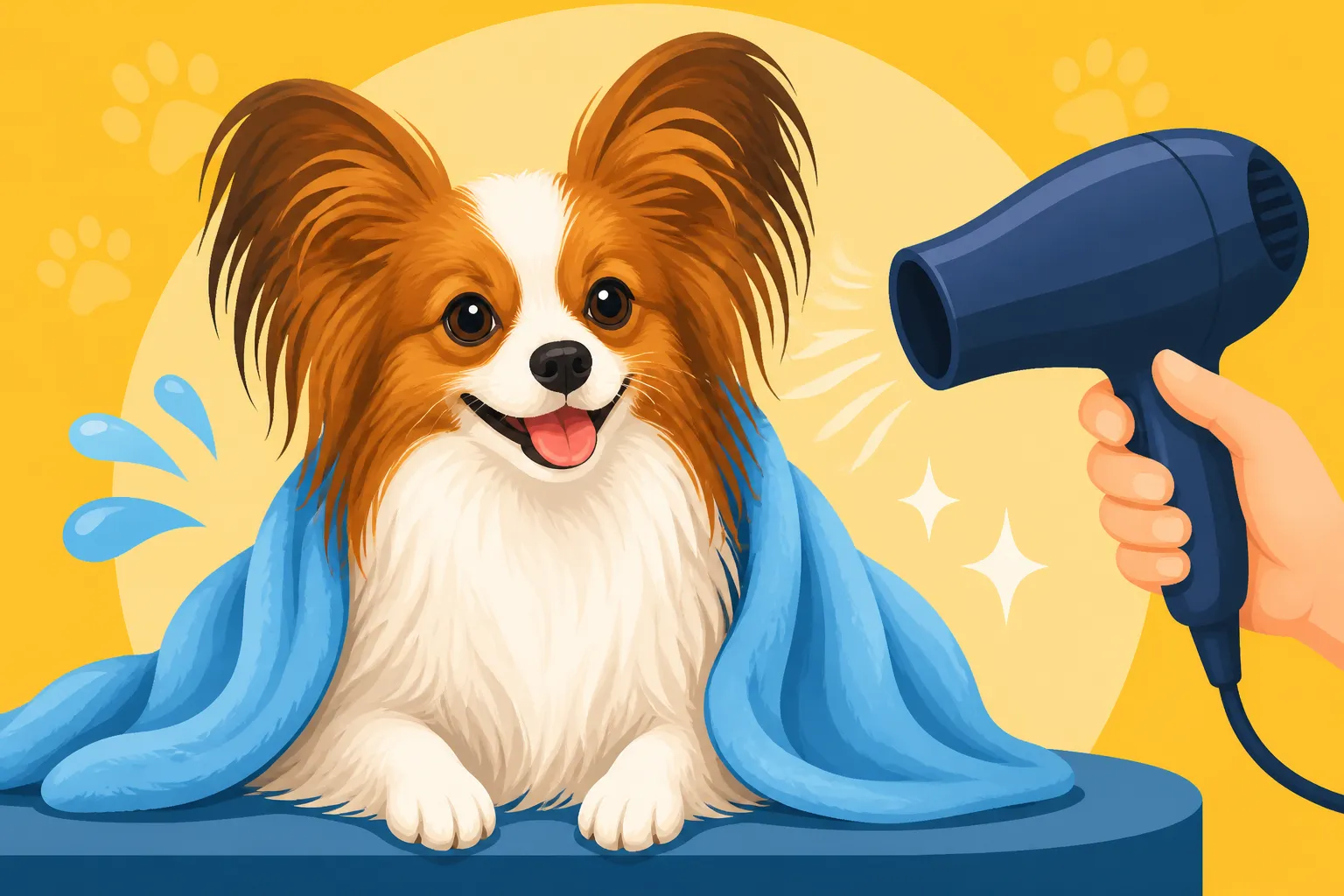
Immediately after rinsing off all the shampoo and conditioner, gently squeeze excess water from your Papillon's coat while they are still in the tub or wash basin. Then, lift them out and wrap them in a highly absorbent towel, preferably a microfiber one. Avoid harsh rubbing, which can create knots and static. Instead, gently blot and squeeze the water out of the coat. You can even massage the towel into their fur, particularly on the ears, legs, and tail, allowing the microfiber to draw out as much moisture as possible.
Once the initial towel is quite damp, swap it for a fresh, dry one. You want to get your Papillon to the point where they are just damp, not dripping. This pre-drying stage is critical because it significantly reduces the amount of time you'll need to use the dryer, which is generally less stressful for your dog and better for their coat and skin. It’s also a good time to give them a quick, all-over pat-down to check for any residual debris from the bath, or any tangles that might have formed despite your Whether a Papillon Should Be Brushed Before Bathing efforts.
Introducing the Dryer: Low Heat and Patience
Now it's time for the dryer. If you're using a pet-specific dryer, start on the lowest speed and a cool or low heat setting. If it's a human hairdryer, only use the cool setting and keep it moving constantly, holding it at least 8-12 inches away from your dog's skin. The goal is gentle airflow, not intense heat. Many Papillons are sensitive to noise, so a quiet dryer is a huge plus. Introduce the sound gradually and offer treats to create a positive association.
Start drying the body first, working from the neck down to the tail. Use your free hand to gently lift sections of the coat, allowing the air to reach the roots. Keep the dryer moving in slow, even strokes. As you dry, use your pin brush to slowly and gently brush through the sections of hair. This concurrent brushing and drying is what helps straighten the coat, prevent tangles, and ensure every strand gets dry. Be extra careful around the ears and face, as these areas are highly sensitive.
Focusing on the Fringes and Feathering
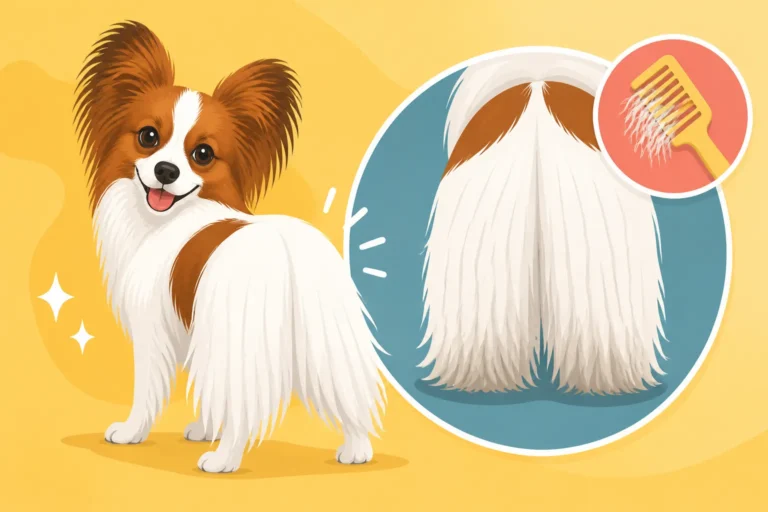
The Papillon's signature feature is its beautiful ear fringe, along with the culottes on the back of its legs and the tail plume. These areas are prone to matting and also hold moisture easily. You'll need to give them special attention during the drying process. With your dryer on a low setting, gently hold up a section of the ear fringe and direct the airflow through it while brushing. Work in small sections, from the root to the tip, ensuring the hair is completely dry and free of tangles. You want those fringes to float and fan out, just like a butterfly's wings.
Do the same for the culottes on their hind legs and the magnificent tail plume. These areas can be surprisingly thick with hair, making them difficult to dry thoroughly. Take your time, lift the hair, and brush it out as you dry. Feel for any damp spots with your fingers. This is particularly important because dampness in these areas, if left, will almost certainly lead to matting later on. Regular brushing helps to keep these areas manageable even between baths, as discussed in How Often a Papillon Needs Brushing.
The Finishing Touches: Brushing and Checking
Once you feel your Papillon is mostly dry, switch off the dryer and take a break. Allow them to shake themselves off and relax for a moment. Then, with your metal comb, go back over their entire coat, section by section. Start with the fine-toothed side of the comb on the fringes, behind the ears, and in the armpits. If the comb glides through smoothly without snagging, you know the hair is dry and tangle-free. If it catches, gently work through the tangle with your pin brush first, then re-comb.
Pay particular attention to the areas where mats commonly form, such as behind the ears, the chest frill, and the culottes. You can refer to Where a Papillon Mats for a detailed breakdown of these problem spots. Feel their skin for any dampness. A truly dry Papillon should feel light, airy, and their coat should flow beautifully. If you find any damp spots, a quick blast with the cool dryer and a brush will usually do the trick. A perfectly dry Papillon is a happy, healthy Papillon!
Common Drying Challenges and Solutions
Even with the best tools and techniques, drying your Papillon can sometimes present a few hurdles. From a dog who's terrified of the dryer to static cling making their coat unmanageable, there are common frustrations that owners face. But don't despair! With a little understanding and some clever solutions, you can overcome these challenges and make drying a much more pleasant experience for everyone.
Dealing with Dryer-Shy Papillons
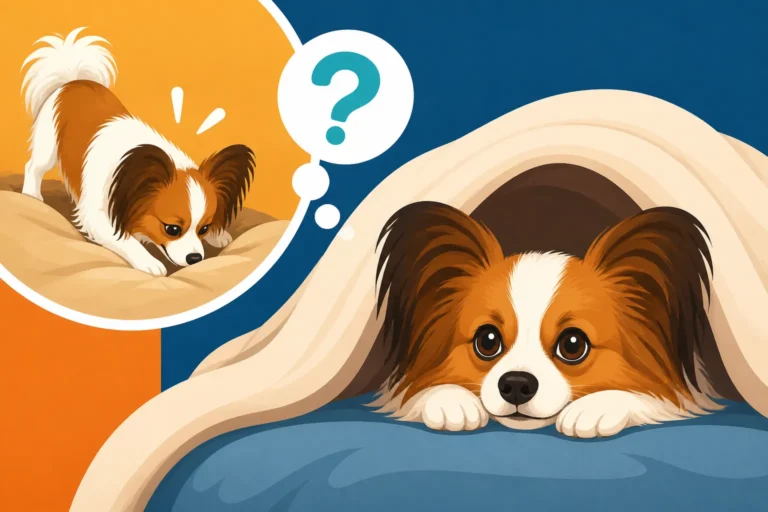
Many small dogs, including Papillons, can be quite sensitive to loud noises and strong air currents. If your Papillon shies away, trembles, or tries to escape the moment the dryer turns on, you've got a dryer-shy dog on your hands. The worst thing you can do is force the issue, as this will only intensify their fear. Instead, approach this with desensitization and positive reinforcement.
Start by simply turning the dryer on in another room, far enough away that your Papillon can barely hear it. Give them high-value treats and praise. Gradually, over several days or weeks, bring the dryer closer, always rewarding calm behavior. Let them sniff the dryer when it's off. Once they tolerate the sound, introduce the airflow from a distance, using the coolest and lowest setting. Aim the air at your hand first, then briefly at their body, constantly praising and offering treats. You can also use a "happy towel" method – wrap them snugly in a towel with a favorite treat or toy while the dryer is running in the background. Consistency and patience are key; eventually, many dryer-shy dogs learn to tolerate, if not enjoy, the process.
Combating Static Electricity and Flyaways
That beautiful, silky Papillon coat can sometimes become a static magnet, especially in dry environments or during colder months. Static electricity can make the coat stand on end, feel rough, and even make brushing difficult. It's not just an aesthetic issue; it can be uncomfortable for your dog, causing little zaps. Thankfully, there are several ways to manage this.
Firstly, ensure you're not over-drying the coat with too much heat, as this can strip natural moisture and worsen static. Using a conditioner during the bath, such as one recommended in Whether Conditioner Is Needed on a Papillon, can also help hydrate the coat and reduce static. During drying, a light spritz of an anti-static spray specifically formulated for dogs can work wonders. You can find these at most pet stores or on sites like Chewy. A humidifying room can also help, as static is less prevalent in moist air. Finally, using a pin brush with natural bristles or metal pins with rounded tips, instead of a plastic brush, can minimize static buildup.
Ensuring Full Dryness in Tricky Areas
You might think your Papillon is dry, only to find dampness lingering in those hard-to-reach or dense areas like the armpits, the groin, under the ears, or deep within the culottes. These are precisely the spots where mats form and skin issues can brew if moisture is left behind. It’s a common challenge because the top coat often dries quickly, giving a false sense of security.
To tackle this, adopt a very systematic approach. Use your fingers to part the hair and inspect the skin itself. Gently lift each leg to check the armpits. Turn your Papillon over to check their belly and groin area. Spend extra time with the dryer on a low setting, directing the airflow into these specific areas while constantly brushing and parting the hair. Don't be afraid to take five more minutes to ensure these spots are bone dry. Running a fine-toothed metal comb through these areas after you think they're dry is the ultimate test; if the comb catches, it's either a tangle or still damp. Remember, a truly dry coat is a healthy coat.
Beyond the Bath: Maintaining Coat Health Through Good Habits
Drying your Papillon correctly after a bath is a huge part of maintaining their gorgeous coat, but it's just one piece of the puzzle. The health and beauty of their famous fringes and silky body coat are also deeply influenced by daily routines and overall well-being. Thinking about the bigger picture ensures your Papillon always looks and feels their best, not just after a spa day.
Regular Brushing as a Daily Habit
A well-dried coat is easier to maintain, but regular brushing is still your daily defense against mats and dullness. Even if your Papillon hasn't had a bath, dust, dirt, and loose hairs can accumulate, leading to tangles. A quick, gentle brush-out every day or every other day, focusing on those high-friction areas like behind the ears, under the legs, and the tail, will keep their coat in pristine condition. This also distributes natural oils, making the coat shinier and healthier.
Brushing is also a fantastic bonding activity. It allows you to check for any skin irritations, lumps, or fleas that might be hiding under that luxurious fur. Think of it as preventative maintenance that keeps both of you happy and avoids the dreaded deep-dive de-matting sessions. For a detailed routine, check out How Long a Papillon Takes to Brush. The few minutes you invest each day will save you hours of work down the line and keep your Papillon comfortable.
Nutrition's Role in a Healthy Coat
You might not immediately connect what's in your Papillon's food bowl with the luster of their coat, but good nutrition plays an enormous role. A high-quality diet, rich in essential fatty acids (like Omega-3s and Omega-6s), vitamins, and minerals, directly supports skin and coat health. A healthy coat is less prone to dryness, breakage, and excessive shedding, and it's also generally easier to keep tangle-free.
Look for dog foods that list real meat as the first ingredient and contain beneficial oils like fish oil or flaxseed oil. Some owners even add supplements to their Papillon's diet, though it’s always wise to discuss this with your vet first. Brands like Ollie, known for fresh, human-grade ingredients, or high-quality kibble available on Chewy, often promote formulas designed to support a healthy skin and coat. If your Papillon has a dull coat or suffers from chronic dry skin, diet might be a significant factor.
When to Seek Professional Help
While a thorough at-home drying routine is excellent, there might be times when you need a professional groomer. If your Papillon's coat has developed severe mats that you can't safely remove at home, or if you're struggling with persistent skin issues despite your best efforts, a professional can offer much-needed expertise. They have specialized tools, techniques, and products that can tackle tough situations without causing pain to your dog.
Additionally, a professional groomer can give your Papillon a thorough check-up of their coat and skin, alerting you to any potential problems you might have missed. They can also offer advice on products and techniques specific to your dog's individual coat type. If you find yourself consistently overwhelmed by the drying process, or if your Papillon is simply too resistant to at-home drying, a regular trip to a patient, experienced groomer who understands the nuances of The Papillon Is the Smartest Toy Breed There Is can be a valuable investment in their health and your peace of mind.
Disclaimer
This article is for general informational purposes only and does not constitute professional advice. Laws, prices and regulations vary by location and change over time. Consult a qualified professional for guidance on your specific situation.