Why a Papillon Should Not Jump From a Chair
It’s a sight many Papillon owners know well: your little butterfly-eared companion eyeing that armchair or sofa, then, with surprising agility, launching themselves into the air to join you. It feels natural, almost endearing, watching them scale the heights of your furniture. But beneath that cute, determined leap lies a very real and significant risk to your Papillon’s delicate joints and overall health. This guide will walk you through exactly why those seemingly innocent jumps can be so dangerous and, more importantly, what you can do to keep your beloved little dog safe and sound.
The Hidden Dangers of High Jumps for Tiny Legs
Papillons, despite their boundless energy and surprising athleticism, are still toy breeds. Their tiny frames and delicate bone structure simply aren't designed for the repetitive impact of jumping from significant heights. What might seem like a small drop to us can be akin to a human jumping from a tall ladder for them. This impact can, over time, or even with one bad landing, lead to serious orthopedic issues that can cause chronic pain and necessitate expensive veterinary interventions.
Understanding Patellar Luxation in Papillons
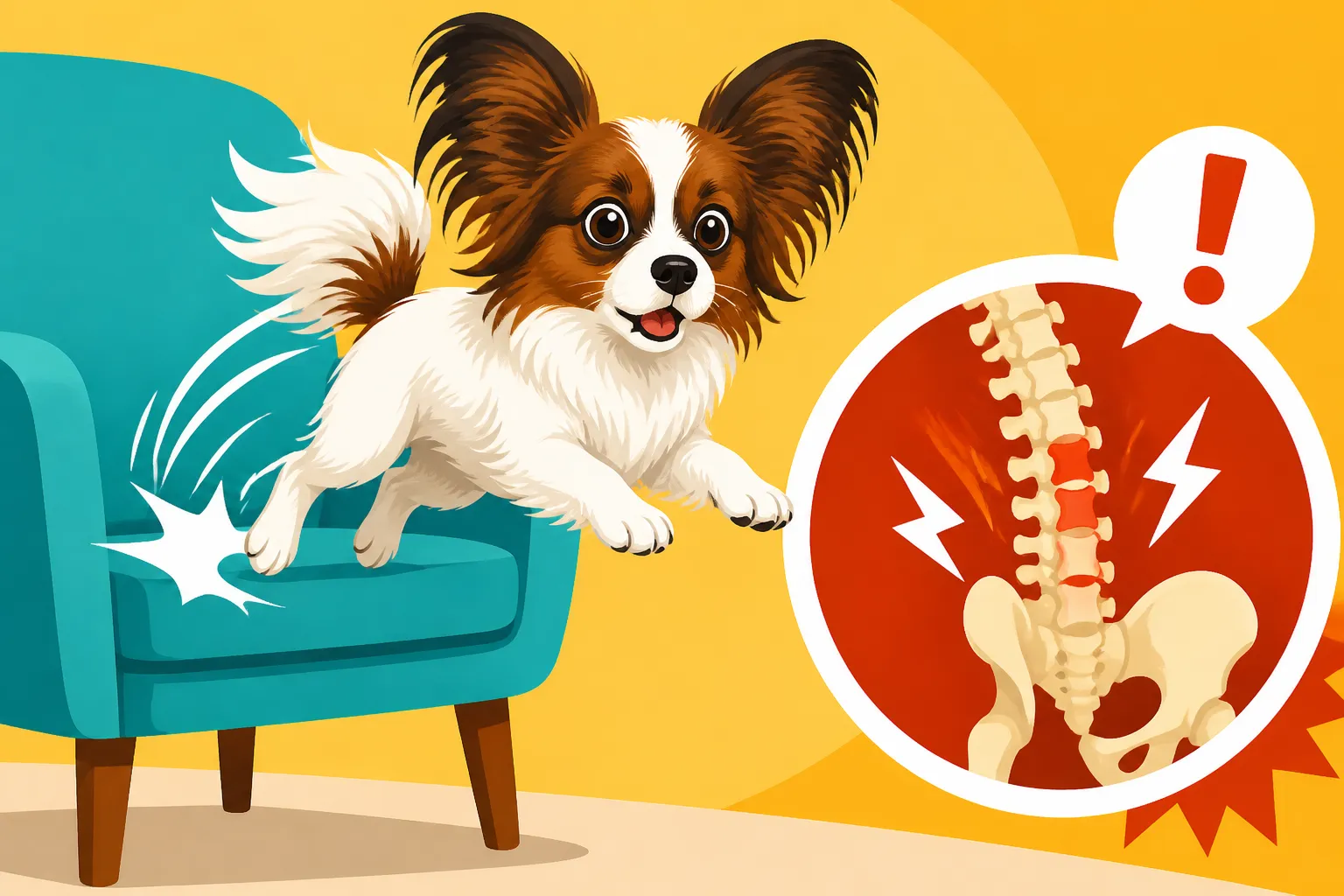
One of the most common and concerning orthopedic issues exacerbated by jumping is patellar luxation. This condition, where the kneecap (patella) dislocates or slips out of its normal groove in the thigh bone, is alarmingly prevalent in small breeds like the Papillon. When your Papillon jumps down from a chair, especially if they land awkwardly or with too much force, that sudden impact can easily cause the kneecap to slip out of place. It’s a bit like a door coming off its hinges, and it’s incredibly painful for them.
Even if your Papillon hasn't been diagnosed with patellar luxation, regular jumping can contribute to its development or worsen an existing, mild condition. Imagine the constant wear and tear on a tiny hinge that's repeatedly slammed. The ligaments supporting the kneecap can stretch and weaken over time, making it easier for the patella to pop out. It's not just a momentary discomfort; a luxating patella can lead to chronic lameness, arthritis, and a significantly reduced quality of life. What Patellar Luxation Does to a Papillon delves deeper into the specifics of how this condition impacts their mobility and comfort.
Other Skeletal and Joint Risks
Beyond patellar luxation, the repeated stress of jumping from furniture can take a toll on other parts of your Papillon's skeletal system. Their small spines are vulnerable to disc injuries, especially in the neck and lower back, which can result from a bad landing or sudden twist. The force of impact can also strain ligaments and tendons in their ankles, wrists, and elbows, leading to sprains, tears, or even fractures. These tiny bones are more fragile than you might think, and a significant fall could have devastating consequences.
Furthermore, cumulative trauma from jumping can accelerate the onset of degenerative joint disease, or arthritis. Even if a single jump doesn't cause a noticeable injury, the micro-traumas accumulate. Over years, this can lead to painful inflammation, stiffness, and reduced mobility, particularly as your Papillon ages. Protecting their joints now is an investment in their comfort and agility later in life. Whether a Papillon Gets Arthritis From a Slipping Knee explores this progression in more detail. It’s a stark reminder that what seems like playful exuberance can have long-term repercussions on their delicate bodies.
Preventing Accidents and Protecting Your Papillon
The good news is that preventing these types of injuries is largely within your control. With a few simple adjustments and consistent training, you can create an environment that encourages safe access to furniture and protects your Papillon’s precious joints. It’s all about thinking like a tiny dog and anticipating where they might encounter risks.
Creating a "Knee-Safe" Home Environment
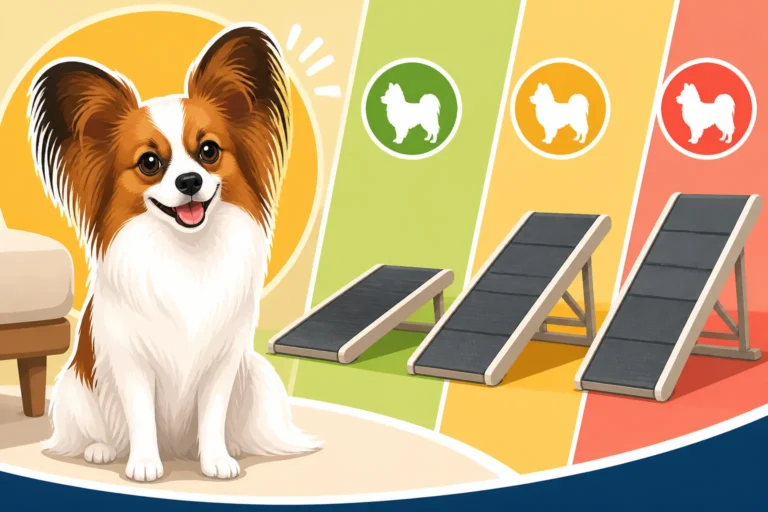
Making your home safe for a Papillon who loves to be close to you often means reimagining how they interact with elevated surfaces. The easiest and most effective solution is providing ramps or steps for all furniture your Papillon is allowed on. Instead of letting them launch themselves off the sofa, teach them to use a ramp. You can find excellent, sturdy ramps and steps on sites like Chewy or Amazon, designed specifically for small dogs. Look for options with a gentle incline and a non-slip surface to ensure they feel secure using them.
Another key consideration is your flooring. Hardwood, tile, or laminate floors, while beautiful, offer little traction and cushion. A Papillon launching off a chair onto a slick surface is at a much higher risk of injury due to slipping. Consider placing non-slip rugs or runners in high-traffic areas, especially near furniture. This provides better grip for their tiny paws and offers a softer landing surface should an accidental jump still occur. Regularly trimming their paw pad hair can also improve traction. You might also consider investing in orthopedic dog beds placed on the floor near your favorite sitting spots, offering an enticing, low-impact alternative for them to relax close to you without needing to climb.
Training and Management Strategies
Beyond physical modifications to your home, training plays a crucial role in preventing jumping injuries. Start early, teaching your Papillon puppy to use ramps or steps from the moment they show interest in getting onto furniture. Use positive reinforcement with treats and praise to make using these aids a rewarding experience. Consistency is key: always guide them to the ramp or steps, rather than letting them jump. Whether a Papillon Should Be Stopped From Jumping Off Furniture offers more insights into managing this behavior.
For existing jumpers, it requires a bit more patience. Begin by blocking access to furniture when you can't actively supervise. When you are present, gently interrupt any attempts to jump down and redirect them to the ramp. You can even practice short training sessions where you place them on the furniture and then lure them down the ramp with a treat. This helps them associate the ramp with a positive outcome. Over time, they'll learn that the ramp is the preferred and safer way to navigate heights. Remember, your Papillon wants to be with you, so make the safe option the easy and rewarding option.
Here’s a quick overview of preventative measures:
| Preventative Measure | Description | Ideal For | Where to Find Examples (Brands) |
|---|---|---|---|
| Ramps/Steps | Provide a gradual incline or step-up system for safe ascent and descent from furniture. | Sofas, beds, chairs, cars | Chewy, Amazon |
| Non-Slip Rugs/Runners | Increase traction on slick floors, reducing the risk of slips and falls, especially upon landing. | High-traffic areas, near furniture | Amazon, home goods stores |
| Orthopedic Dog Beds | Offer a comfortable, supportive resting spot at ground level, reducing the desire to jump onto human furniture. | Living room, bedroom (as an alternative to the bed) | Chewy, specialty pet stores |
| Paw Pad Trims | Trimming excess hair between paw pads improves natural grip on smooth surfaces. | All Papillons, especially those with long feathering on their feet | DIY with blunt scissors, groomer |
| Consistent Training | Positive reinforcement to teach dogs to use ramps/steps and avoid jumping. | Puppies, adult dogs needing to change habits | Trainer, consistent owner effort |
| Supervision/Redirection | Actively monitor your Papillon around furniture and gently redirect them to safe options. | All ages, especially during learning phases | Owner diligence |
When to Seek Veterinary Advice
Even with the best preventative measures, accidents can happen. It's crucial to be vigilant and recognize the signs that your Papillon might be injured or experiencing discomfort due to a fall or long-term strain. Papillons are generally stoic and may try to hide their pain, so you need to be observant.
Recognizing Signs of Injury or Discomfort
If you suspect your Papillon has injured themselves from a jump, or if you notice any unusual changes in their mobility, don't delay in contacting your veterinarian. Look for subtle cues. Is your Papillon suddenly reluctant to jump up (or even down) from low surfaces that they previously managed with ease? Are they limping, favoring a paw, or holding a leg up? You might notice a change in their gait, perhaps a skip or a wobble when they walk or run. Signs a Papillon's Kneecap Slips describes common indicators specific to patellar luxation.
Other signs of discomfort can include yelping when touched, a change in appetite or energy levels, or simply being withdrawn and less playful than usual. They might start avoiding stairs or appearing stiff after resting. Remember, because Papillons are so adept at hiding pain, these subtle changes are your most important indicators. Don't wait for obvious, dramatic lameness. Early intervention can make a significant difference in the prognosis and recovery from many orthopedic issues. How a Papillon Hides Pain provides further guidance on interpreting your dog's subtle signals.
The Role of Regular Vet Checks
Regular veterinary check-ups are paramount, especially for a breed prone to patellar luxation. During these routine visits, your vet can perform a thorough orthopedic examination, checking for any looseness in the kneecaps or other joint abnormalities. They can assess your Papillon’s gait and range of motion, often identifying issues before they become overtly symptomatic and painful. This proactive approach is invaluable for breeds susceptible to conditions like luxating patellas.
If your Papillon has already been diagnosed with a low-grade luxation, or if they are prone to joint issues, your vet might recommend specific joint supplements. While these aren't a cure-all, they can support joint health and potentially slow the progression of degenerative changes. Always discuss any supplements with your vet first to ensure they are appropriate for your dog. For aging Papillons, in particular, regular check-ups become even more critical to monitor for What Changes in an Aging Papillon's Care and manage any developing arthritis or mobility issues, ensuring they remain comfortable and happy throughout their golden years.
Disclaimer
This article is for general informational purposes only and does not constitute professional advice. Laws, prices and regulations vary by location and change over time. Consult a qualified professional for guidance on your specific situation.