Whether a Papillon’s Muzzle Fringe Gets Food In It
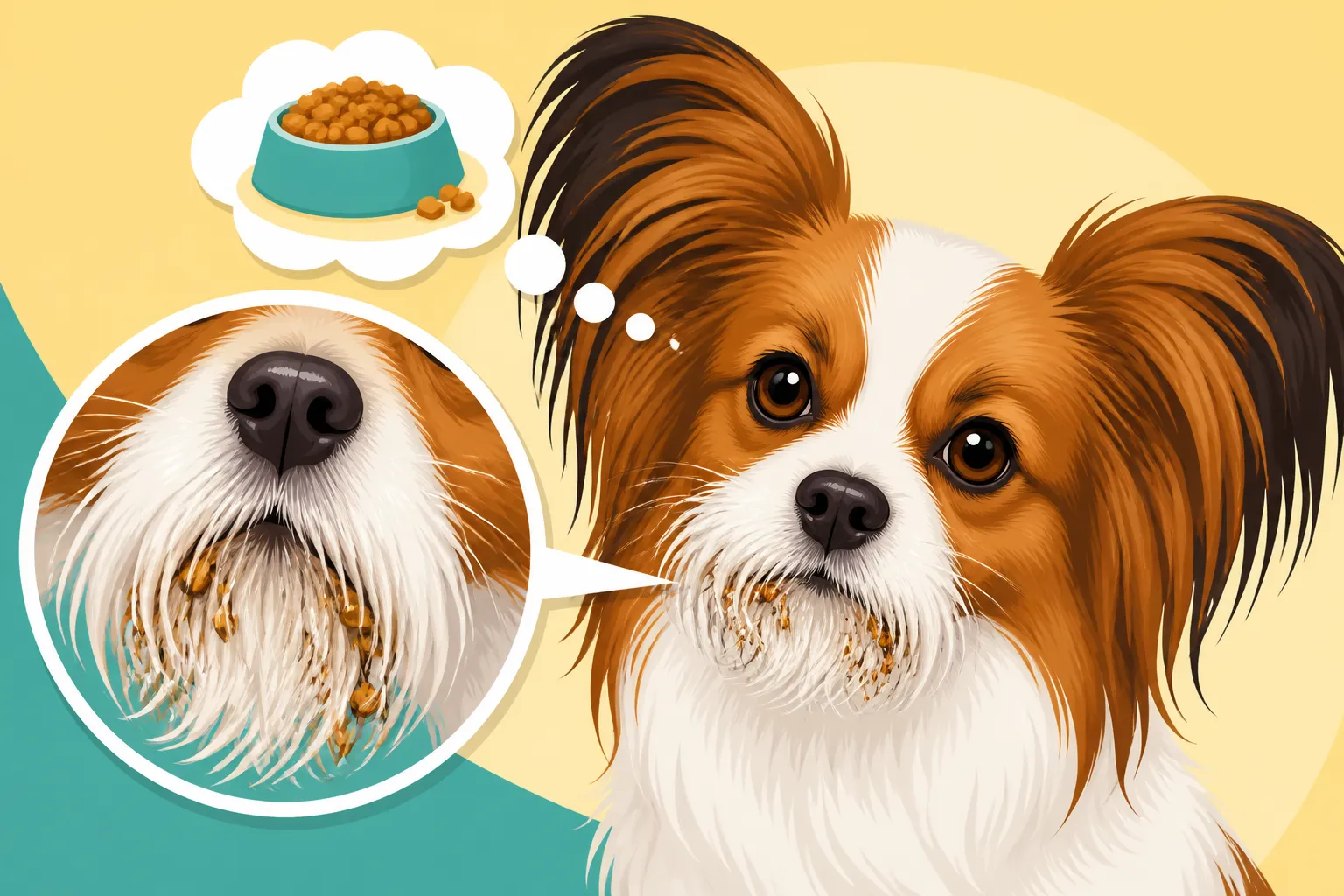
That gorgeous, flowing muzzle fringe on a Papillon is one of their most distinguishing features, isn't it? It adds to their elegant, butterfly-like appearance, but let's be real – when it comes to mealtimes, that beautiful fringe can quickly become a food magnet, leaving you wondering if you're battling a tiny beard made of kibble crumbs or wet food paste. If you've ever found yourself asking, "Does my Papillon's muzzle fringe really get food in it, and how on earth do I keep it clean?" then you're in the right place. This guide is all about navigating the delightful but sometimes messy world of Papillon mealtime hygiene, offering practical tips to keep your furry friend's face pristine.
The Inevitable Encounter: Why Food and Papillon Muzzles Collide
It’s not just a figment of your imagination or some elaborate setup for extra grooming work; your Papillon’s muzzle fringe absolutely does get food in it. It’s almost a guarantee with their exquisite, long, silky hair that frames their delicate faces. Think about it: they have these adorable, relatively tiny mouths, and their feeding style isn't exactly a lesson in neatness. Food doesn't just go into their mouths; it often brushes against the luxurious hair surrounding it.
The Anatomy of a Papillon's Mouth and Fringe
A Papillon’s muzzle is typically fine and tapers to a small, delicate nose. Framing this lovely facial structure are those long, wispy hairs that give them their distinctive charm. Unlike some short-snouted breeds or those with coarser, shorter hair, the Papillon's fringe acts like a natural net or whisk. Every time they dip their head into a food bowl, especially if they're enthusiastic eaters, that fringe becomes an unintended utensil, sweeping up crumbs, smearing paste, or collecting bits of whatever deliciousness they're consuming.
This isn't a design flaw, of course; it's simply a characteristic of their breed. Their fine bone structure and elegant features mean a more delicate approach to everything, including eating. Imagine trying to eat a bowl of spaghetti with a long, flowing scarf wrapped around your face – a bit dramatic, perhaps, but it gives you an idea of the challenge their beautiful coat presents at mealtime. The food just can't help but make contact with those lovely strands.
Which Foods Cause the Most Mess
Not all foods are created equal when it comes to Papillon fringe mess. Some are definitely bigger culprits than others, turning a quick meal into a clean-up operation.
- Wet or Canned Food: This is usually the primary offender. The soft, often sticky texture of wet food clings to everything it touches. As your Papillon eagerly laps it up, the fringe inevitably gets coated in a pasty mess that can dry hard if not attended to promptly. It's almost like a tiny, furry mustache made of pate.
- Raw or Fresh Food: Similar to wet food, raw or fresh diets, while often fantastic for their health, can be notoriously messy. Ground meats, pureed vegetables, or even chunks of raw chicken can leave residues on the muzzle fringe, becoming sticky and discolored. Brands like Ollie offer fresh food options that are excellent, but you still need to be diligent about post-meal cleanup.
- Kibble: While generally less messy than wet or raw food, kibble isn't entirely innocent. Smaller, finer kibble can get caught in the hairs, especially if your Papillon is a particularly vigorous eater. Greasy kibble can also leave an oily residue, making the hair clump and appear dirty. Larger kibble might be easier for them to pick up cleanly, but it can also present a choking hazard for their small mouths if they try to swallow it whole. This is why considering Which Kibble a Papillon Can Actually Pick Up is so important.
- Treats: Oh, the treats! Crumble-prone biscuits, chewy sticks, or even soft training treats can leave bits and smears. A Papillon might gingerly take a treat, but then they often drop it, pick it up again, or chew it with such enthusiasm that pieces fly, inevitably landing in their facial hair.
The Habits That Make It Worse
Beyond the type of food, certain eating habits can exacerbate the muzzle fringe mess. We've all seen our pups do these things, and while adorable, they certainly don't help keep things tidy.
- Fast or Enthusiastic Eating: Some Papillons, despite their dainty size, eat with the gusto of a much larger dog. They might dive head-first into their bowl, eager to get every last morsel. This rapid eating increases the chances of food scattering and becoming embedded in their fringe.
- Playing With Food: Some dogs, especially younger puppies, might "play" with their food, nudging it around the bowl, pushing pieces out, or even picking up a mouthful and carrying it to a different spot to eat. This playful behavior, while cute, is a direct route to a messy face.
- Shallow or Wide Bowls: The design of the food bowl can significantly impact how much food ends up on your Papillon's face. Shallow, wide bowls give the fringe more surface area to drag through the food as they eat, maximizing contact and potential mess.
- Drinking Water After Eating: If their face is already a bit gooey from food, a drink of water can compound the problem. The water wets the food residue, making it stickier or spreading it further into the fringe, creating a more challenging cleanup. And let's not forget the long ear fringe that can also dip into the water bowl! It's a double-whammy for keeping them looking their best. The Ear Fringe That Gives the Papillon Its Name is beautiful, but also a magnet for moisture and mess.
Preventing the Papillon Food Beard Phenomenon
The good news is that while some mess is inevitable, you can absolutely minimize the "Papillon food beard" with a few thoughtful strategies. It's all about making small adjustments that can have a big impact on keeping that lovely fringe clean.
Choosing the Right Food Consistency and Size
The battle against the messy muzzle fringe often starts before the food even hits the bowl. Being mindful of what and how you feed can make a significant difference.
- Kibble Size Matters: If you feed kibble, consider the size and shape. Very tiny, crumbly kibble might get trapped easily. Some Papillons do better with a slightly larger, yet still manageable, kibble that they can pick up individually rather than scooping up a mouthful that drags through their fringe. However, ensure it's not so large it's a choking hazard or difficult for their small jaws. Experiment to find what works best for your specific dog. You can find a wide variety of kibble sizes and formulations on sites like Chewy, making it easier to try different options.
- Less Sticky Wet Food: For those who feed wet food, look for options that are less sticky or greasy. Pate-style wet foods tend to be the biggest culprits. If your Papillon enjoys wet food, perhaps look for chunkier varieties in gravy that are less prone to smearing. Sometimes, a more solid, less gelatinous consistency can adhere less to the hair.
- Consider Softer Alternatives: If your Papillon has The Teeth in a Papillon's Small Jaw that are prone to issues, you might already be looking at softer foods. Just be aware of the consistency. Soaking kibble with a little warm water can soften it, making it easier to eat, but it also creates a stickier consistency, which can increase fringe mess. Weigh the benefits against the clean-up.
Smart Bowl Choices for Cleaner Eating
The type of food bowl your Papillon eats from can be a game-changer. It's one of the easiest and most effective ways to reduce direct contact between their fringe and their meal.
- Elevated Bowls: For some Papillons, an elevated bowl can help. By raising the bowl slightly, they don't have to bend their head down as far, which can reduce the angle at which their fringe drapes into the food. However, this isn't a guaranteed fix and might not suit every dog's eating posture. It's more about reducing strain on their neck and joints, which is especially important for breeds like Papillons who can be prone to conditions like Patellar Luxation Is the Papillon Problem You Will Actually Meet.
- Narrow, Deep Bowls: This is often the most effective solution for minimizing muzzle mess. A narrow, deeper bowl forces your Papillon to put their entire muzzle into the bowl rather than having their fringe drape over the sides. The walls of the bowl act as a barrier, keeping the long hair out of the food. There are ceramic or stainless steel options specifically designed for long-eared or long-muzzled dogs that work wonderfully.
- Slow Feeder Bowls: If your Papillon is a fast eater, a slow feeder bowl can help in two ways: it slows down their consumption, which is good for digestion, and it also makes them work a little harder to get the food, potentially reducing the frantic head-dipping that causes splashes and smears. They come in various designs, from raised ridges to maze-like patterns, and can be found on sites like Amazon.
Mealtime Strategies: Proactive Cleanliness
Even with the right food and bowls, a bit of hands-on management during and after meals can keep that fringe looking pristine.
- Supervised Eating: Whenever possible, supervise your Papillon during mealtimes. This allows you to intervene if they're making an excessive mess or to quickly wipe their face the moment they finish.
- Hair Ties or Snoods: For those extra fancy Papillons or show dogs, or just for owners who are serious about keeping the fringe spotless, a small hair tie can be used to gently pull the hair on top of their head and around their muzzle away from their face, securing it during meals. You can also use a snood – a soft, tube-like fabric head covering – to keep their ears and muzzle fringe completely out of the food. It might look a little silly, but it's incredibly effective!
- Immediate Post-Meal Wipe-Down: This is perhaps the most crucial step. As soon as your Papillon finishes eating, gently wipe their muzzle fringe with a damp cloth or a pet-safe grooming wipe. Don't let the food dry and harden, as this makes it much harder to remove without pulling or irritating their delicate skin. Make this part of their routine, and they'll quickly get used to it.
Cleaning Up the After-Dinner Fringe Fiasco
Despite all preventative measures, some days, food will still find its way into that beautiful Papillon muzzle fringe. When it does, swift and gentle action is key to preventing mats, stains, and skin irritation.
Immediate Wipes and Daily Care
Consistency is your best friend here. Making muzzle clean-up a non-negotiable part of your Papillon’s mealtime routine will save you a lot of headache in the long run.
- Damp Cloth or Pet Wipes: Keep a stack of soft, clean cloths or a container of pet-specific grooming wipes near their eating area. Immediately after they finish eating, take a moment to gently wipe their muzzle. For wet or fresh food, you'll need a more thorough wipe to remove all residue. For kibble, a quick swipe to catch any crumbs or grease is usually sufficient. Look for wipes that are fragrance-free and hypoallergenic to avoid irritating their sensitive skin.
- Warm Water Rinse (If Needed): If the mess is particularly stubborn or sticky, a quick rinse under lukewarm running water from the tap can help. Be gentle, use a very mild pet shampoo if necessary, and ensure you rinse all the shampoo out. The goal is to remove the food, not to soak their entire face. Always be careful to avoid getting water in their eyes or ears.
- Gentle Drying: After wiping or rinsing, gently pat the fringe dry with a soft towel. Leaving the hair damp can lead to skin irritation or create an environment for yeast to grow, especially if food residue is still present. This attention to detail is similar to how you care for their ears, ensuring How Often a Papillon's Ears Need Cleaning to prevent issues.
Dealing with Stubborn Stains and Mats
Sometimes, despite your best efforts, a bit of food might get missed, leading to dried-on crud or even a small mat. Don't panic, but act quickly.
- Gentle Brushing: For dried crumbs or slightly clumped hair, a small, fine-toothed comb or a soft slicker brush can work wonders. Be incredibly gentle, holding the hair at the base near the skin to avoid pulling. Work in small sections, teasing out any tangles. This is part of the broader grooming routine that includes How Often a Papillon Needs Brushing.
- Mat Breaker or Detangling Spray: If you encounter a stubborn mat of dried food and hair, never yank at it. Instead, apply a small amount of pet-safe detangling spray or a mat-breaker product. Let it sit for a minute or two to soften the mat. Then, use your fingers to gently pull the mat apart, strand by strand, before attempting to comb it out. If it’s very tight, it's better to carefully cut it out with blunt-nosed scissors, cutting away from the skin.
- Spot Cleaning Shampoos: For actual stains (like from blueberries or certain dyes in treats), a spot cleaning pet shampoo designed for facial areas can be helpful. Apply a tiny amount, lather gently, and rinse thoroughly. These products are formulated to be safe around their eyes and mouth. After cleaning, ensure the area is completely dry to prevent skin issues like Whether a Papillon Gets Dry Skin.
The Role of Regular Grooming
Beyond daily spot cleaning, regular, thorough grooming is essential for maintaining the overall health and appearance of your Papillon's muzzle fringe.
- Full Brushing Sessions: Incorporate a full body brush-out, including their face, a few times a week. This isn't just about appearance; it distributes natural oils, removes loose hair, and helps you check for any developing issues like mats or skin irritation that might have been caused by persistent food residue. It's a key part of Why a Papillon's Long Coat Takes Twenty Minutes a Week.
- Professional Grooming: While many Papillon owners handle grooming at home, a professional groomer can be an invaluable asset. They have the tools and expertise to handle stubborn mats, provide thorough cleanings, and can even offer advice on maintaining your Papillon's specific coat type. Whether a Papillon Needs a Professional Groomer is a common question, and for detailed coat care, it can be very beneficial. They can also ensure that The Plume, the Culottes and a Papillon's Chest Frill are kept in top condition.
- Routine for Brushing a Papillon's Teeth in a Very Small Mouth: While not directly about the fringe, maintaining excellent oral hygiene prevents food particles and bacteria from accumulating in their mouth, which can sometimes contribute to odors or sticky residues around the muzzle. A clean mouth contributes to a cleaner fringe overall.
| Problem | Likely Cause | Prevention Strategy | Cleaning Method |
|---|---|---|---|
| Wet Food Caked Fringe | Sticky food, fast eating | Narrow/deep bowl, snood, elevated bowl | Immediate wet wipe, warm water rinse |
| Kibble Crumbs/Grease | Small kibble, vigorous eating | Appropriate kibble size, slow feeder bowl | Dry wipe, gentle brush/comb |
| Dried Food Mats | Missed residue, lack of immediate cleanup | Consistent post-meal wiping | Detangling spray, careful cutting (last resort) |
| Stains/Discoloration | Pigmented food/treats, persistent dampness | Immediate wiping, thorough drying | Pet-safe spot cleaner, gentle shampoo |
| Irritated Skin | Constant dampness, abrasive wiping, leftover food | Thorough drying, soft wipes, gentle handling | Vet check, hypoallergenic wipes |
Long-Term Muzzle Fringe Health and Hygiene
Keeping your Papillon's muzzle fringe clean isn't just about aesthetics; it's about their long-term health and comfort. Neglected fringe can lead to skin issues, discomfort, and even infections.
Preventing Dryness and Irritation
The delicate skin under that beautiful fringe needs protection, especially with frequent cleaning.
- Moisturizing After Cleaning: If you find yourself frequently washing or wiping your Papillon’s muzzle, the skin underneath can become dry or irritated. After cleaning, you might consider applying a tiny amount of a veterinarian-approved, pet-safe moisturizer or balm, especially during dry seasons. Always ensure it's safe for ingestion in small amounts, as your Papillon will inevitably lick their face.
- Proper Drying is Paramount: We mentioned this earlier, but it bears repeating: thoroughly drying the muzzle fringe after any wetting is crucial. Dampness, especially when combined with warmth and potential food particles, creates a perfect breeding ground for yeast and bacteria, which can lead to skin infections, redness, and itching. A soft towel or even a cool setting on a hairdryer (held far away and with caution) can help ensure it's completely dry.
- Monitor for Redness or Rashes: Regularly check the skin around your Papillon's muzzle for any signs of redness, bumps, flakiness, or a foul odor. These could indicate an infection or irritation that needs attention. Your proactive daily care means you're more likely to spot these issues early.
Beyond Food: Other Things That Affect Muzzle Fringe
It's not just the dinner plate that contributes to a messy muzzle. Other environmental factors and daily habits play a role.
- Water Bowls: Just like food, water can make a mess. If your Papillon dips their entire muzzle into the water bowl, their fringe will get soaked. This can lead to a perpetually damp face, which, as we know, isn't ideal for skin health. Consider a narrow water bowl, similar to the food bowl suggestion, or even a water fountain designed to minimize splash. You'll want to address this alongside their ear fringe, as Whether a Papillon's Ear Hair Traps Moisture is another common concern.
- Outdoor Adventures: Papillons love to explore, and that beautiful fringe can pick up all sorts of things outdoors: dust, pollen, mud, leaves, and even small seeds. If your Papillon enjoys digging or nosing around in the garden, their muzzle will bear the brunt of it. A quick wipe after outdoor excursions is a good habit, especially if they've been in dusty or muddy areas.
- Allergies: Sometimes, persistent facial irritation isn't about food at all, but rather allergies. If your Papillon has environmental allergies, they might rub their face more, leading to irritation, matting, or even tear staining that exacerbates the problem around the muzzle. This is an important consideration when thinking about Whether a Papillon Gets Skin Allergies.
When to Seek Vet Advice
Most muzzle fringe issues are manageable at home with consistent grooming. However, there are times when a veterinary visit is absolutely necessary.
- Persistent Irritation or Redness: If you notice redness, swelling, or irritation that doesn't resolve with gentle cleaning and drying, it's time for a vet check. It could be a skin infection, an allergic reaction, or another underlying issue.
- Foul Odor: A persistent unpleasant odor coming from the muzzle area, even after cleaning, can indicate a bacterial or yeast infection.
- Excessive Licking or Rubbing: If your Papillon is constantly rubbing their face on furniture or excessively licking their muzzle area, they're trying to tell you something is uncomfortable or itchy.
- Hair Loss or Sores: Any patches of hair loss, open sores, or scabs on or around the muzzle fringe should prompt an immediate vet visit. These could be signs of more serious skin conditions that require professional diagnosis and treatment.
Living with a Papillon means embracing their elegance, intelligence, and yes, sometimes, their messy eating habits. By understanding why their muzzle fringe gets food in it and implementing these preventative and cleaning strategies, you can keep your beautiful butterfly dog looking their best and feeling comfortable, ensuring that their gorgeous features remain a source of joy, not a grooming headache. After all, the joy of a happy, healthy Papillon far outweighs the occasional need for a quick face wipe!
Disclaimer
This article is for general informational purposes only and does not constitute professional advice. Laws, prices and regulations vary by location and change over time. Consult a qualified professional for guidance on your specific situation.