Whether Stairs Are Safe for a Papillon
It’s a common sight: your tiny Papillon, all ears and enthusiasm, pauses at the bottom of a staircase, looking up with a mix of curiosity and perhaps a touch of trepidation. As loving owners, we often find ourselves wondering if those everyday climbs are really safe for such a delicate breed. This guide is here to unpackage the nuanced truth about Papillons and stairs, helping you understand the risks and implement practical solutions to keep your butterfly dog safe and sound.
The Hidden Dangers of Stairs for Your Papillon
While our Papillons might have boundless energy and a seemingly fearless attitude, their small stature and specific breed predispositions mean that stairs can pose more than just a minor inconvenience. There are genuine risks involved that every Papillon owner should be aware of.
The Vulnerable Joints: Patellar Luxation and Beyond
One of the most significant concerns for Papillons and stairs revolves around their joint health, particularly their kneecaps. Papillons are known to be prone to patellar luxation, a condition where the kneecap slips out of its normal groove. Imagine constantly jarring or twisting a joint that's already predisposed to slipping – that's what frequent, uncontrolled stair climbing can do. Each jump up or down a step can put undue stress on the patella, potentially exacerbating an existing mild luxation or even contributing to its development. Even if your Papillon hasn't shown signs of knee trouble yet, repetitive strain over time can lead to inflammation and pain. Patellar Luxation Is the Papillon Problem You Will Actually Meet delves into this condition in more detail.
Beyond patellar luxation, the general impact on small joints is a concern. The sudden impacts and twisting motions involved in navigating stairs aren't ideal for any dog's joints, but for a breed with such fine bones and delicate structure, the cumulative effect can be significant. Think about the mechanics: a dog takes a step, landing on its front legs, then pushes off with its hind legs to ascend. Coming down is often even more impactful, as they absorb the shock of each step. This repeated stress on hips, knees, and even elbows can contribute to early onset arthritis or other degenerative joint diseases down the line. It's not about one jump; it's about the hundreds, if not thousands, of jumps over their lifetime.
The Risk of Falls and Accidental Injuries
Beyond the chronic joint strain, there's the immediate and very real danger of falls. Papillons are agile, yes, but they are also tiny, with a low center of gravity that can sometimes work against them on uneven surfaces or steep inclines. A misstep on a smooth wooden stair, a slight bump from a curious child, or even just an unexpected distraction can send a small Papillon tumbling. The consequences of such a fall can be devastating, ranging from sprains and fractures to more serious head or internal injuries. Their skulls, while protected, are not impervious to impact, and a fall from even a few feet can be perilous.
Consider a scenario where your Papillon is enthusiastically trying to keep up with you. They might misjudge a step, especially if the stairs are carpeted and offer less definition, or if they are in a hurry. A fall isn't just a minor mishap for a Papillon; it can be a trip to the emergency vet, potentially leading to lengthy recovery times or permanent damage. Imagine the heart-stopping moment you hear a yelp and turn to see your little companion at the bottom of the stairs, still and whimpering. This is the nightmare scenario we actively try to prevent. Their fine bones are simply not built to withstand the impact of a significant fall from height.
Long-Term Wear and Tear
Even if your Papillon is a stair-climbing pro and never seems to suffer an acute injury, the sheer repetition of navigating stairs throughout their long life can lead to chronic issues. Just like a human athlete might develop knee problems after years of intense training, a Papillon's joints can experience accelerated wear and tear. This isn't just about the joints themselves; it's about the soft tissues surrounding them – the ligaments, tendons, and cartilage that provide support and cushioning. Over time, these can degrade, leading to chronic pain, stiffness, and reduced mobility.
This long-term wear is particularly concerning as Papillons age. What might be an effortless scramble for a young, fit Papillon can become a painful ordeal for a senior dog. The impact of years of stair use can manifest as Whether a Papillon Gets Arthritis From a Slipping Knee or a general decline in their ability to move comfortably. They might become hesitant, slow, or even outright refuse to use the stairs, which can be heartbreaking to watch. Our goal as owners is to ensure their golden years are as comfortable and pain-free as possible, and proactive management of stair access is a huge part of that. It's about preserving their quality of life for the entire duration of How Long a Papillon Lives.
Practical Strategies for Managing Stair Access
Given the potential risks, it's clear that unrestricted stair access for your Papillon might not be the best idea. Thankfully, there are many practical and empathetic ways to manage the situation, ensuring their safety without overly restricting their movement or joy.
Physical Barriers and Supervision
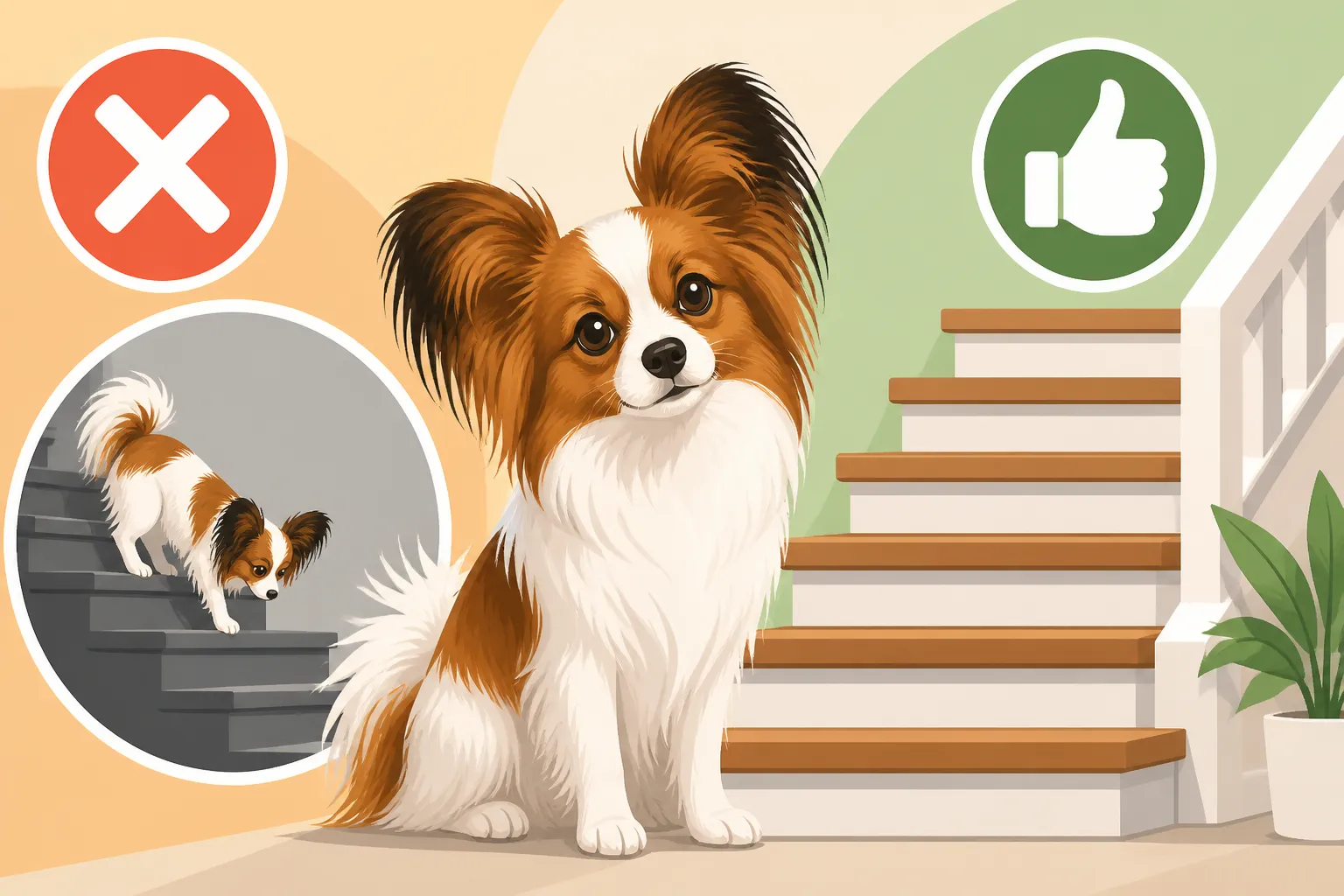
The simplest and often most effective immediate solution is to prevent unsupervised access to stairs. Baby gates are your best friend here. A sturdy baby gate, strategically placed at the top and bottom of staircases, can completely block your Papillon's access. This is especially critical during puppyhood when they are learning about their environment, or if you have an older dog whose mobility is declining. It's not about confining them, but about creating safe zones within your home.
Beyond physical barriers, supervision plays a crucial role. If gates aren't feasible in every location, or if you prefer a more open layout, then vigilant supervision is key. Whenever your Papillon is in an area with stairs, keep an eye on them. If they start to approach the stairs, gently redirect them or pick them up and carry them. Consistency is important here; if you sometimes let them go and sometimes don't, it creates confusion and can be frustrating for your dog. For some, this might mean a short training session to teach them boundaries around the stairs.
Investing in Ramps and Pet Steps
For Papillons who still need to navigate different levels of your home, or simply want to join you on furniture, investing in purpose-built ramps or pet steps can be a game-changer. These provide a gentler incline or smaller steps, significantly reducing the impact on their joints compared to full-sized human stairs. Many pet supply retailers, like Chewy or Amazon, offer a wide variety of ramps and steps made specifically for small dogs. When choosing, look for options with a non-slip surface and a stable design, ensuring they won't wobble or slide when your Papillon uses them.
The key is to introduce these new aids gradually. Place a ramp or steps next to a sofa or bed first, encouraging your Papillon to use it with treats and praise. Once they're comfortable, you can consider using a longer ramp for actual stairs, if the space allows. The goal is to make the transition as positive and stress-free as possible. This is directly related to the advice in Whether Ramps Help a Papillon's Knees, as a proper ramp can drastically reduce the strain on those tiny legs.
Here's a quick comparison of different solutions:
| Solution Type | Pros | Cons | Ideal Use Case |
|---|---|---|---|
| Carrying | Zero impact on joints, complete safety | Requires owner presence, can be inconvenient | For puppies, seniors, post-op, or high-traffic stairs |
| Baby Gates | Prevents unsupervised access, clear boundary | Can be cumbersome for humans, aesthetics | Restricting access to entire staircases |
| Pet Steps | Lower impact than full stairs, builds confidence | Still involves stepping, might not fit all stair heights | Access to sofas/beds, short flights of stairs |
| Ramps | Gentle incline, minimal joint impact | Takes up space, can be visually imposing | Access to furniture, longer staircases, outdoor decks |
| Training | Builds confidence and control | Requires time and consistency, not foolproof | Enhancing safety for unavoidable stair use |
Modifying Your Home Environment
Sometimes, it's not just about the stairs themselves, but the surrounding environment. Hardwood or tile floors at the top or bottom of stairs can be incredibly slippery, making a Papillon's approach or landing precarious. Consider placing non-slip rugs or runners at these critical junctures to provide better traction. This simple modification can make a world of difference in preventing slips and falls.
Think about the overall layout of your home, too. Are there other ways for your Papillon to get around without using stairs? Can you create a safe, comfortable space for them on one floor, especially if you spend most of your time there? Setting up cozy beds, water bowls, and toys on the main living level can reduce their perceived need to follow you up and down stairs. This holistic approach to Setting Up a House That Protects a Papillon's Knees ensures their safety is integrated into daily life.
Training and Conditioning for a Safer Stair Experience
While prevention is paramount, sometimes using stairs is unavoidable, or you want your Papillon to be able to navigate them safely when necessary. Proper training and physical conditioning can significantly reduce the risks.
Teaching Controlled Stair Use
It might sound counterintuitive given the warnings, but teaching your Papillon to use stairs properly can be a life skill. This isn't about letting them barrel up and down, but about teaching a slow, deliberate ascent and descent. Start with one or two steps, using treats and a leash for guidance. Lure them up one step, then praise and reward. Repeat this, gradually adding more steps. The key is to keep them from jumping or rushing. Teach them to place all four paws on each step, rather than leaping from step to step.
For going down, this is even more crucial. Many dogs find descending more challenging. Guide them slowly, one step at a time, making sure they don't launch themselves. Use a command like "slow" or "easy" to reinforce the desired pace. This process takes patience and consistency, but a Papillon's intelligence means they often pick it up quickly. The Papillon Is the Smartest Toy Breed There Is, so use that brainpower to your advantage! If you use positive reinforcement and make it a fun game, they'll be more likely to learn and retain the behavior.
Building Core Strength and Balance
A strong body is a more resilient body, even for a tiny Papillon. Incorporating gentle exercises that build core strength and improve balance can help your Papillon navigate stairs more safely when they must. Simple activities like walking on unstable surfaces (a thick cushion or balance disc), weaving through cones, or learning to 'sit pretty' can strengthen the muscles that support their joints. Consult with your veterinarian or a certified canine rehabilitation specialist for appropriate exercises tailored to your Papillon's age and health status.
Regular, appropriate exercise, such as short walks on varied terrain (but avoid overly strenuous activity that could strain joints), also contributes to overall fitness. A fit Papillon with good muscle tone is naturally more agile and less prone to injury than one who is sedentary. Remember, while they are small, Papillons are active dogs. Providing them with opportunities for safe, enriching physical activity helps maintain their physical prowess and reduces the risk associated with challenging activities like stair climbing.
When to Carry Your Papillon
Despite all the training and precautions, there will still be times when carrying your Papillon up or down stairs is the safest and most responsible choice. This is especially true for puppies, whose growth plates are still open and whose joints are still developing. The First Year With a Papillon Puppy is a critical time for protecting their fragile bodies. Similarly, senior Papillons, whose joints may be showing signs of wear or who might have diminished vision or balance, greatly benefit from being carried. Caring for an Aging Papillon emphasizes many considerations for their later years, including avoiding unnecessary strain.
You should also carry your Papillon if they are hesitant, tired, or recovering from any injury or surgery. It's not a sign of weakness; it's a sign of love and care. Don't feel guilty about picking them up. While they might protest a little if they're used to doing things themselves, their long-term health is far more important than their immediate preference. It's always better to err on the side of caution when it comes to their delicate structure.
Special Considerations for Papillons and Stairs Throughout Their Lives
A Papillon's relationship with stairs isn't static; it evolves as they grow from a curious puppy into a spry adult and eventually a beloved senior. Understanding these life stages helps tailor your approach.
The Papillon Puppy and Stair Introductions
Bringing home a Papillon puppy is an exciting time, but it's also when you need to be most diligent about stair safety. A tiny puppy, weighing perhaps only a pound or two, has no concept of gravity or the potential harm of a fall. Their bones are soft, their coordination is still developing, and their adventurous spirit can easily lead them into dangerous situations. For this reason, stairs should be strictly off-limits to puppies. Use baby gates consistently and carry your puppy up and down every single time.
Early positive experiences are crucial for handling and trust, too. Make carrying them a pleasant routine. Support their body fully, praise them, and ensure they feel secure in your arms. This builds a foundation of trust that will be invaluable as they grow. While you might be tempted to let them explore, resist the urge. This early protection helps prevent injuries that could have lifelong consequences, like affecting the development of their knees. Weighing a Papillon Puppy Every Week can help you monitor their growth and ensure they are thriving, but even a robust puppy needs stair protection.
Supporting Your Senior Papillon on Stairs
As our Papillons gracefully enter their golden years, typically around The Age a Papillon Is Considered Senior, their needs change significantly. What might have been an easy jaunt up the stairs in their prime can become a painful, challenging, or even impossible task. Arthritis, declining vision, muscle weakness, and a general slowing down are all factors that can make stairs treacherous. An older Papillon might misjudge a step, lose their footing, or simply not have the strength to propel themselves upwards.
For senior Papillons, it's often best to eliminate stair use entirely if possible. If you live in a multi-story home, consider setting up their main living area on one floor to minimize their need to ascend or descend. If stairs are unavoidable, carrying them becomes even more vital. Ramps and pet steps can also provide a less strenuous alternative, but always assess if your senior dog has the balance and strength to use them safely. Look for signs of hesitation, stiffness after climbing, or reluctance to use stairs. These are all indicators that the stairs are no longer safe or comfortable for them. What Changes in a Papillon After Eleven outlines other aspects of care for an aging Papillon, where stair safety is a critical component.
Post-Injury or Post-Surgery Stair Management
When a Papillon is recovering from an injury, particularly to their legs or back, or has undergone surgery (such as for patellar luxation or a fracture), stair management is non-negotiable. During the recovery period, even a single misstep can undo weeks of healing and rehabilitation. Your veterinarian will likely provide very specific instructions on restricting activity, which almost always includes avoiding stairs entirely.
This often means strict confinement to a single level, or being carried every time movement between floors is necessary. Ramps might be an option after initial healing, but only with veterinary approval and under close supervision. The goal is to allow the injured tissues to heal completely without any strain or re-injury. This phase of care often requires significant commitment from owners, but it's crucial for a full and successful recovery. You'll likely be purchasing soft bedding and maybe even some special food from Ollie, to aid in their comfort and recovery during this critical time.
Disclaimer
This article is for general informational purposes only and does not constitute professional advice. Laws, prices and regulations vary by location and change over time. Consult a qualified professional for guidance on your specific situation.