Where a Papillon’s Shed Coat Actually Ends Up
You've brought a Papillon into your home, charmed by their exquisite looks and delightful personalities, and perhaps even heard whispers that they're a "low-shed" breed. Then, a few weeks or months in, you might find yourself wondering, "Wait a minute, where is all this hair coming from?" It's a common misconception that their long, flowing coats mean endless hair everywhere. While they don't have the dense undercoat explosion of some breeds, Papillons absolutely shed, and their fine, silky hairs have a sneaky way of migrating to every corner of your life. This guide is all about demystifying where that shed Papillon coat actually ends up, and how you can manage it without losing your mind (or your pristine black sofa).
Understanding the Papillon Coat and Its Shedding Habits
The idea that Papillons don't shed much is one of those myths that gets repeated until it's almost believed. The truth is, all dogs with hair shed to some degree. What sets the Papillon apart, and why the shedding might be different from what you expect, lies in the unique structure of their glorious coats.
The Single Coat Advantage (and Disadvantage)
Unlike many breeds, especially those originating from colder climates, the Papillon boasts a single coat. This means they lack the dense, woolly undercoat that breeds like Huskies, Golden Retrievers, or Pomeranians possess. These double-coated breeds "blow their coat" twice a year, resulting in massive amounts of fluffy, insulative underfur being shed in a relatively short period. You know the kind – the tufts that come off in handfuls and create what looks like a snowstorm indoors.
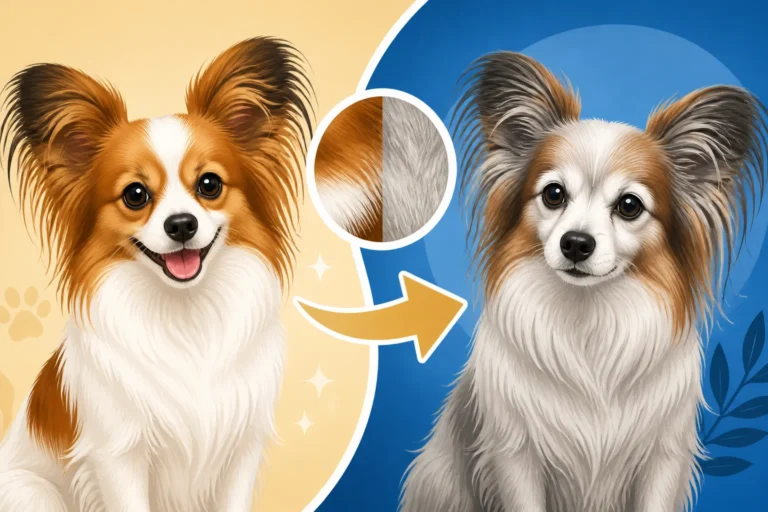
A Papillon, with its elegant single coat, doesn't do that. You won't find those dramatic seasonal explosions. Their coat is made up of long, silky guard hairs, similar to human hair, designed for beauty and a degree of protection, but not for insulation against extreme cold. This is often why they're mistakenly labeled "low-shed." However, just because they don't have an undercoat doesn't mean their hair doesn't fall out. It simply means when it falls out, it tends to be individual strands of fine, long hair, or small, wispy clumps, rather than big, thick tufts. This difference in shedding type can be a major factor in where that hair eventually settles in your home. For a deeper dive into their coat, check out A Papillon's Coat Is All Fringe and No Undercoat.
Hair Cycle and Shedding Patterns
Every single strand of your Papillon's hair goes through a life cycle: it grows, rests, and then falls out to be replaced by new growth. This is the natural process of shedding. In Papillons, this cycle tends to be more continuous than seasonal. You'll likely experience a more consistent, year-round shedding rather than two distinct "shedding seasons."
Factors like hormones (spaying or neutering can sometimes temporarily impact coat cycles), diet, and general health can influence the rate and amount of shedding. A healthy Papillon with a good diet will typically have a healthier coat that sheds less excessively, while a dog under stress or with nutritional deficiencies might shed more. Don't be surprised if you notice a slight uptick in shedding when the seasons change, even without a heavy undercoat. It’s still a natural response to environmental shifts, just on a much smaller scale. Understanding Why a Papillon With No Undercoat Still Sheds can help manage expectations.
The Visible Evidence of Papillon Shedding
So, if it's not giant clumps, where does all this fine, silky Papillon hair actually go? It has a remarkable ability to find its way into every nook and cranny of your home and life. You might not see a thick carpet of hair, but you'll certainly know it's there.
Dust Bunnies and Tumbleweeds
Forget the image of solid sheets of fur; Papillon shedding manifests more subtly. Their fine hairs, being so light and delicate, often don't just sit in one spot. Instead, they catch air currents, stick to dust, and quickly gather into small, fluffy "dust bunnies" that roll across hard floors or accumulate in corners. These aren't always big and obvious; sometimes they're just tiny, wispy collections that blend in until you notice a sudden concentration under the kitchen table or along the baseboards.
You'll find these little hair tumbleweeds congregating under furniture, particularly if your Papillon likes to explore those harder-to-reach spots. They love to snuggle into tight spaces, and as they move, they inadvertently dislodge and redistribute their loose hair. It’s a constant, low-level release, ensuring that no surface, no matter how remote, remains untouched. It’s a testament to how effectively these lightweight strands can travel!
Clothing, Furniture, and Car Upholstery
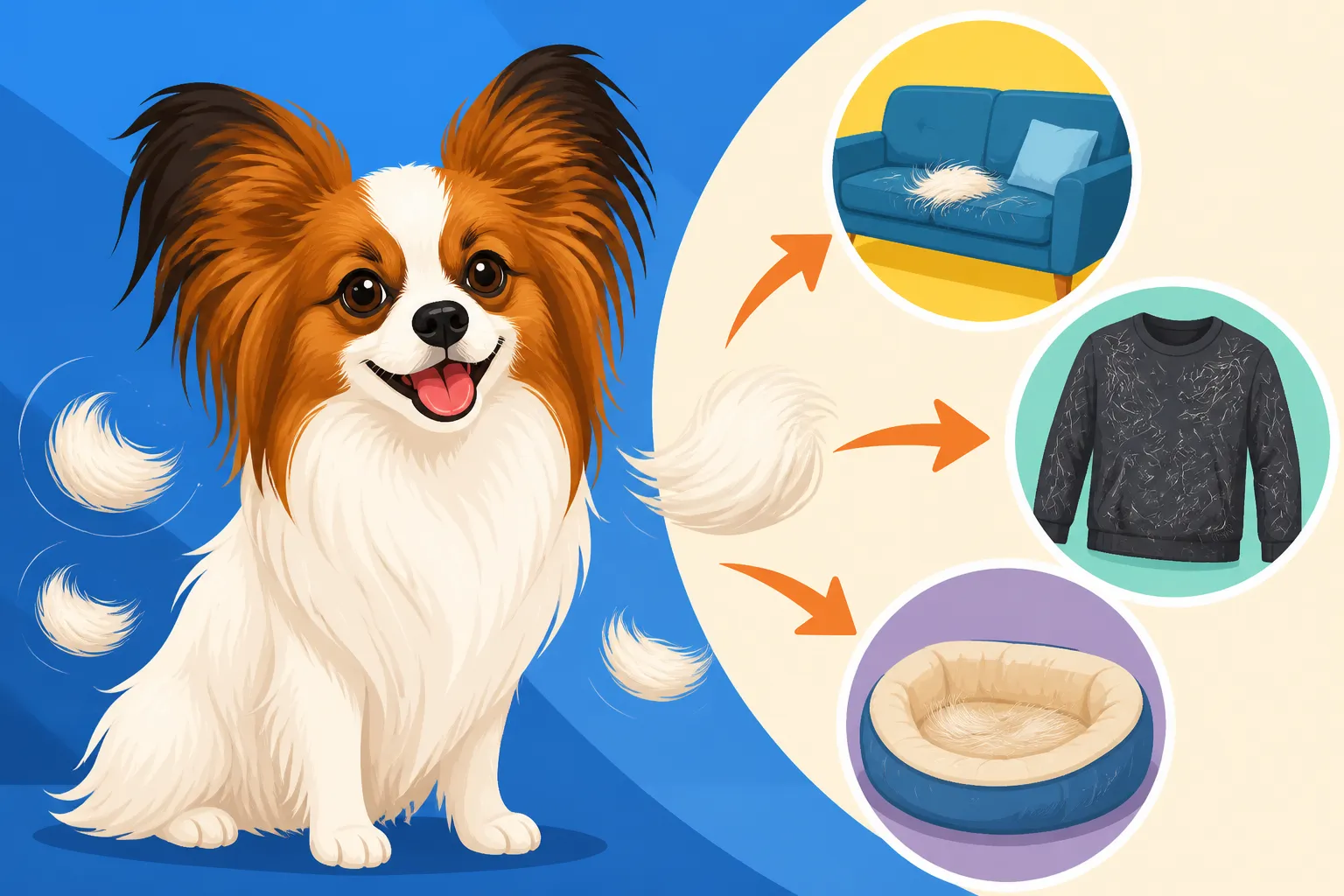
This is where many Papillon owners find the most "visible" evidence of shedding. Their fine hair has an uncanny ability to cling to fabric. That elegant black sweater you just put on? Expect a fine dusting of white, black, or tricolor Papillon hair within minutes of cuddling your furry friend. Jeans, socks, blankets – nothing is truly safe.
Your furniture, especially upholstered sofas and chairs where your Papillon loves to nap, will invariably become a magnet for loose hair. The car interior is another prime target; if your Papillon rides along regularly, their hair will weave itself into the seat fabric, making a permanent home there. Even if you try to confine them, a simple brush against a leg or a quick jump onto a lap can transfer a surprising amount of hair. You might even find a fluffy "Papillon tumbleweed" nestled right on their favorite Chewy dog bed.
The "Invisible" Shed
Perhaps the trickiest aspect of Papillon shedding is the "invisible" shed. Because their hairs are so fine and can be quite light in color, individual strands are often very hard to see against many surfaces. You might not notice it until you run your hand over a surface and feel a faint fuzz, or you catch a glimpse of it in a specific lighting condition.
This "invisible" shed isn't just cosmetic; it can also affect air quality. Those fine hairs, along with dander, become airborne. For people with sensitivities or allergies, even a "low-shed" breed like a Papillon can trigger symptoms, precisely because these tiny particles are so easily inhaled. This is a crucial point for anyone considering a Papillon who might be sensitive to pet dander. It’s worth exploring Whether a Papillon Suits an Allergy Household if you or a family member has sensitivities.
Minimizing the Spread: Grooming Strategies
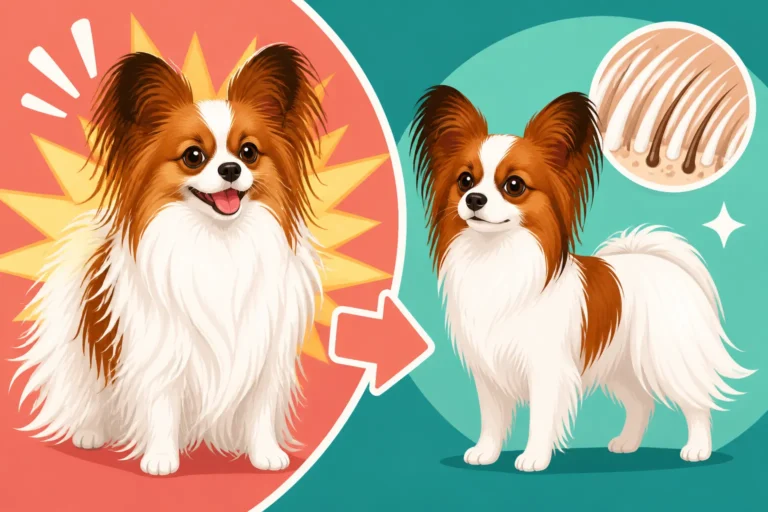
The best way to control where your Papillon's shed coat ends up is to catch it before it has a chance to roam free. Consistent grooming is your absolute best defense. Think of it as a preemptive strike against rogue hairs.
Regular Brushing as Your First Line of Defense
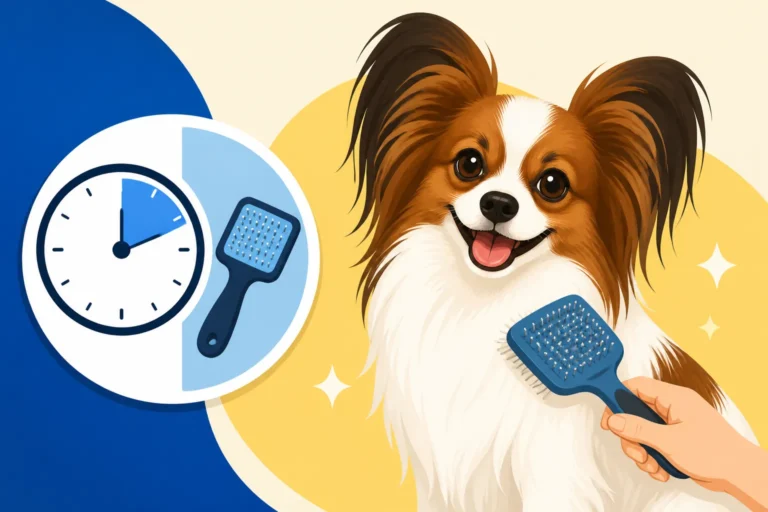
Brushing is paramount for a Papillon, not just for aesthetics but for managing shedding. A solid 15-20 minutes of thorough brushing a few times a week, or even daily during higher shedding periods, makes a world of difference. The goal is to remove all the loose, dead hair before it has a chance to fall out onto your floors and furniture. Focus on areas where mats are prone to form, like behind the ears, under the "armpits," and on the culottes and tail plume, as loose hair often gets trapped in these spots.
A good pin brush with rounded tips, followed by a metal comb to get down to the skin, is usually all you need. For many owners, a quick search on Amazon for "pet hair remover" or "slicker brush for small dogs" becomes a frequent activity, helping them find the perfect tools. How Often a Papillon Needs Brushing and Which Brush a Papillon Needs offer more specific advice on technique and tool selection. Getting into a routine early, especially with a puppy, will make it a pleasant experience for both of you, rather than a wrestling match.
Bathing for Shed Control
Regular bathing also plays a significant role in shedding management. A good bath helps loosen and wash away dead hair that brushing alone might miss. Don't worry about bathing too often; with the right shampoo and conditioner, you won't dry out their skin. Aim for a bath every 2-4 weeks, or as needed if they get particularly dirty or if you notice an increase in shedding.
The key is a thorough rinse and a good blow-dry. As you blow-dry, use your brush to gently brush through the coat, which helps to further lift and remove loose hairs. You’ll be amazed at how much hair comes off in the tub and during the drying process, preventing it from ending up on your furniture later. It's a bit of work upfront, but it pays dividends in a cleaner home. Consider reading How Often a Papillon Should Be Bathed for detailed instructions.
Tools of the Trade
Beyond basic brushes and combs, there are other tools that can be incredibly helpful in keeping your home (and your Papillon) tidy. While Papillons don't have an undercoat, a gentle deshedding tool or rake can still be effective, especially one designed for fine, silky hair, to carefully pull out dead strands without damaging the live coat.
For cleanup, a good quality vacuum cleaner with pet hair attachments is a lifesaver. Robot vacuums are also fantastic for continuous daily maintenance on hard floors, picking up those rolling hair tumbleweeds before they multiply. Lint rollers are your best friend for clothing and quick touch-ups on upholstered furniture. Keep them strategically placed by the door, in your car, and in your handbag for emergencies! Don't forget rubber gloves or damp sponges, which can effectively grab hair from fabric surfaces.
| Tool Category | Best Use for Papillon Hair | Frequency of Use | Key Benefit |
|---|---|---|---|
| Pin Brush/Slicker | Daily grooming, untangling, lifting loose hairs | Daily/Every other day | Prevents mats, removes hair at source |
| Metal Comb | Finishing brush, checking for mats, getting to skin | Daily/Every other day | Ensures thoroughness, finds hidden tangles |
| Dog Shampoo/Conditioner | Bathing, loosening dead hair | Every 2-4 weeks | Deep clean, moisturizes coat, aids in shedding release |
| Blow Dryer (Cool Setting) | Drying after bath, fluffing coat, blowing out loose hair | After bathing | Speeds drying, helps "force" loose hair out |
| Vacuum Cleaner | Floor and carpet cleaning, pet hair attachments | Daily/As needed | Collects shed hair from surfaces |
| Lint Roller | Quick clothing/furniture clean-up, car seats | As needed | Instant removal of surface hair |
| Rubber Grooming Glove | Massaging, attracting loose hair during bath or dry petting | Weekly/As needed | Gentle, effective for short bursts, boosts circulation |
Household Management and Cleaning
Even with the best grooming routine, some Papillon hair will inevitably escape and settle in your home. This is where smart household management comes into play, making cleanup easier and less overwhelming.
Floors and Surfaces
The type of flooring you have can significantly impact how noticeable Papillon hair is and how easy it is to clean. On hardwood, tile, or laminate, those delicate hairs tend to form little "tumbleweeds" that are easily swept or vacuumed up. A quick daily sweep or a run with a robot vacuum can keep things remarkably tidy. On carpets, especially plush ones, the fine hair can weave itself deep into the fibers, making it harder to remove. Regular, powerful vacuuming with a machine designed for pet hair is essential in carpeted areas.
Consider placing washable rugs in high-traffic areas or where your Papillon spends a lot of time. These can be easily shaken out outdoors or thrown in the washing machine, trapping hair before it spreads to less manageable surfaces. Regular dusting of furniture and surfaces is also important, as fine dog hair loves to cling to static-charged objects.
Fabric Care
Your clothing and soft furnishings will be the biggest magnets for Papillon hair. For clothes, a strong lint roller is indispensable, as mentioned earlier. For machine-washable items like blankets, dog beds, and removable furniture covers, a pre-wash cycle or a good shake outdoors can help remove a lot of the hair before it clogs your washing machine filter. Some washing machines even have a "pet hair" cycle or filter specifically designed for this.
For non-washable upholstered furniture, try a damp rubber glove or a slightly damp sponge. The moisture and friction help to gather the hair into clumps that can then be easily picked off. Pet-specific upholstery brushes, often found online through retailers like Amazon, can also work wonders. Placing throws or designated pet blankets on your Papillon's favorite sleeping spots on the sofa can act as a barrier, collecting most of the hair and making cleanup much simpler.
Air Quality and Allergies
The fine nature of Papillon hair means it can stay airborne longer than heavier, thicker fur. This isn't just an aesthetic concern; it can directly impact indoor air quality. If you or someone in your household has allergies, even a low-shedding dog like a Papillon can pose challenges. The dander (microscopic flakes of skin) that all dogs shed, often travels with the hair.
To combat this, consider investing in a good air purifier with a HEPA filter. Placing one in the rooms where your Papillon spends the most time, especially bedrooms, can help capture airborne hair and dander, significantly improving air quality. Regular cleaning of air vents and changing HVAC filters frequently will also contribute to a cleaner, healthier environment. While their coat typically doesn't hide significant weight loss as easily as a double-coated dog might, managing coat health is still crucial for overall well-being.
The Psychological Impact of Shedding
Living with a dog means living with some amount of hair, no matter the breed. It’s a part of the package, and honestly, a small price to pay for the joy they bring. But it's okay to feel a bit overwhelmed by it sometimes!
Managing Expectations
One of the biggest hurdles for new Papillon owners is managing their expectations about shedding. Many come into the breed believing they are getting a truly non-shedding dog. When reality sets in, it can be a little frustrating. It's important to understand that no dog is 100% non-shedding. Even "hypoallergenic" breeds shed, just typically less or with a different hair texture that produces less dander.
Embrace the fact that you will find Papillon hair. It will be on your clothes, in your car, and occasionally floating gracefully across your kitchen floor. Once you accept this, the battle becomes less about elimination and more about management. Focus on your regular grooming routine and consistent cleaning habits, and you'll find it's a perfectly manageable amount of hair.
Acceptance and Love
Ultimately, the small amount of shedding from a Papillon is a minor inconvenience compared to the immense love, companionship, and entertainment these wonderful dogs bring into our lives. Their intelligence, agility, and affectionate nature far outweigh the need for an extra vacuuming session or a quick lint-roll before heading out the door.
Think of each stray hair not as a nuisance, but as a tiny reminder of the joyful, mischievous, and ever-present butterfly dog who shares your home and heart. You'll likely find, as many Papillon owners do, that you wouldn't trade their silky ear fringes and plumed tails for a hairless existence for anything. It’s all part of the unique charm of living with a Papillon.
Disclaimer
This article is for general informational purposes only and does not constitute professional advice. Laws, prices and regulations vary by location and change over time. Consult a qualified professional for guidance on your specific situation.