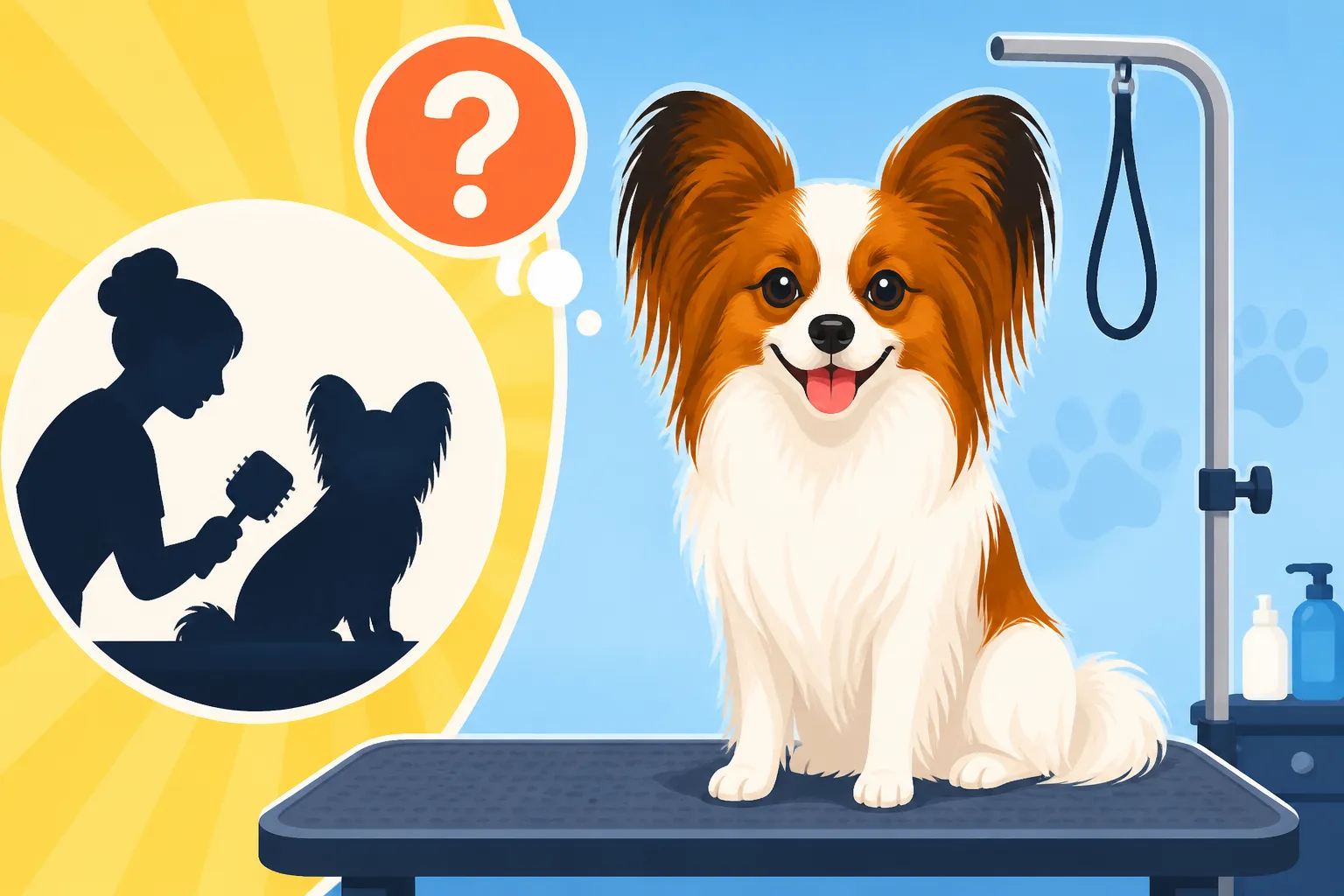
Whether a Papillon Will Sit for a Full Groom
Oh, the Papillon! Those beautiful, expressive butterfly ears and a coat that looks like it should be tangled into a hundred knots, but often isn't. Many Papillon parents wonder if their little dynamo will ever actually sit still for a full grooming session. The truth is, while their intelligence and often busy nature can make it a challenge, it's absolutely achievable with the right approach, patience, and a sprinkle of understanding for their unique personality. This guide will walk you through making full grooming a positive experience, from head to tail, even for the most spirited of these tiny athletes.
Understanding Your Papillon's Grooming Personality
Before we even talk about brushes and clippers, let's chat about what makes a Papillon tick, especially when it comes to something as invasive as grooming. These aren't just pretty faces; they're incredibly smart, active, and can be quite opinionated little creatures. Understanding their inherent traits is the first step to a calm grooming experience.
The Papillon's Energetic Nature and Attention Span
If you've spent any time with a Papillon, you know they're not exactly couch potatoes. They're often described as big dogs in small bodies, full of zest and curiosity. This means that expecting them to stand perfectly still for an hour-long grooming session right out of the gate is simply unrealistic, especially for a puppy or a dog new to grooming. Their minds are constantly buzzing, and their bodies want to be on the move, exploring or playing.
Their intelligence, while a huge asset in training, also means they can get bored quickly if something isn't stimulating or rewarding. A long, monotonous brushing session might feel like torture to them, prompting wiggles, attempts to escape, or even a bit of playful nipping. They're quick learners, but that applies to learning how to avoid things they don't like just as much as it does to learning tricks. We want to leverage their intelligence to make grooming a game they choose to participate in, not a chore they endure. Their little brains need to be engaged positively, otherwise, they'll invent their own entertainment, which usually involves not sitting still.
Early Exposure and Socialization for Grooming
The foundation for a Papillon who tolerates, or even enjoys, grooming is laid very early in life. Think of it as puppy kindergarten for their senses. As soon as you bring your Papillon puppy home, even before their adult coat fully comes in, you should start gently handling them all over. This includes touching their paws, ears, tail, and muzzle. Make it a fun, brief activity, always ending on a positive note with praise and a tiny, delicious treat. You're not actually grooming them yet; you're just getting them used to the sensations.
Introducing grooming tools early is also crucial. Let them sniff the brush, the comb, and even the electric clippers (while off) before ever touching them to their fur. Turn the clippers on in another room so they hear the sound, then gradually move closer. This process is called desensitization, and it helps them associate these potentially scary objects with calm, positive feelings. Remember, their ear fringe is a hallmark, and you want them comfortable with you handling and brushing those delicate parts without stress. The Ear Fringe That Gives the Papillon Its Name The more positive, short interactions they have with grooming tools and handling as puppies, the better equipped they'll be to sit for a full groom later in life.
The Impact of Past Grooming Experiences
It's heartbreaking to see a dog who genuinely fears grooming, often because of a past negative experience. Maybe they were tugged too hard, had a mat painfully removed, or were subjected to a rough groomer. Papillons are sensitive souls, and these incidents can leave a lasting impression. If your Papillon lunges, nips, or hides at the sight of a brush, it’s not because they’re "bad" but because they've learned to associate grooming with discomfort or fear. This isn't your fault, but it is now your challenge to overcome.
Rebuilding trust takes time and immense patience. You might need to go back to basics, even with an adult dog. This means incredibly short sessions, perhaps just one gentle stroke with a soft brush, followed by a shower of praise and high-value treats. Avoid any force whatsoever. Forcing a Papillon will only reinforce their fear and make future grooms even harder. It's a slow dance of positive associations, breaking down the grooming process into its tiniest components, and ensuring every single touch is gentle and rewarding. If you’ve inherited a rescue Papillon, this might be a common hurdle, as you often don't know their full history. Adopting a Papillon From Rescue
The Components of a "Full Groom" for a Papillon
What exactly is a "full groom" for a Papillon, anyway? Unlike some breeds that require extensive clipping and styling, the Papillon's standard look is all about showcasing their natural, flowing coat. But "natural" doesn't mean "no maintenance." Their single coat is designed to be beautiful, but it still needs care.
Brushing and Dematting Their Silky Coat
A Papillon's coat is often described as silky, flowing, and single-layered, meaning they don't have that dense, woolly undercoat that many other long-haired breeds do. A Papillon's Coat Is All Fringe and No Undercoat This is a blessing and a curse; while it sheds less intensely than a double coat, it's still prone to matting if neglected, especially in certain areas. The beautiful ear fringe, the 'culottes' on their hind legs, the chest frill, and the tail plume are all areas where mats love to hide. Where a Papillon Mats
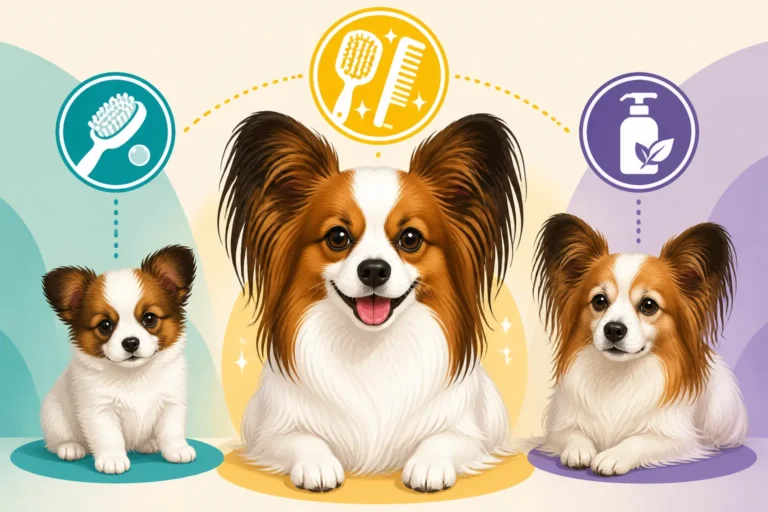
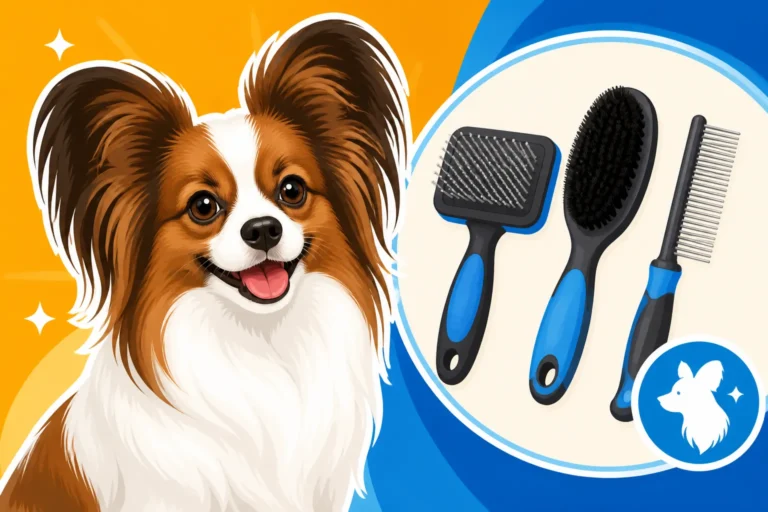
Regular brushing isn't just about looking good; it's vital for their skin health and comfort. You'll want a good pin brush and a metal comb. Start by gently misting the coat with a detangler spray – you can find excellent options on Chewy or Amazon – to help protect the delicate hairs. Then, work through the coat in sections, using the pin brush first, followed by the comb to ensure you've removed all tangles and reached the skin. Always brush down to the skin; just skimming the top will leave mats developing underneath. Pay special attention to behind the ears and under the armpits, as these are prime matting spots.
Bathing, Drying, and Sanitary Trims
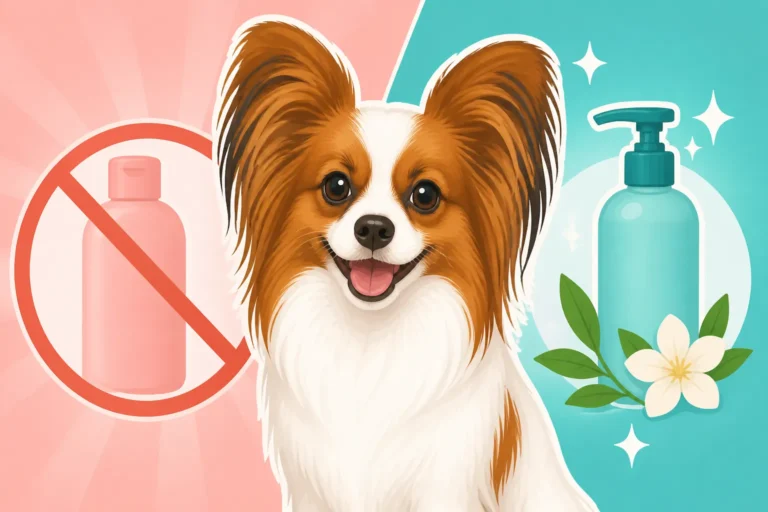
Bathing a Papillon doesn't have to be a Herculean task, but it does require a bit of technique. Because of their delicate skin and long coat, use a mild, dog-specific shampoo and a good conditioner. Which Shampoo Suits a Papillon's Coat Lather gently, focusing on areas that get dirty, but avoid scrubbing too harshly, which can tangle the coat. Rinse thoroughly until the water runs clear; any shampoo residue can irritate the skin or make the coat feel sticky.
The drying process is perhaps the most crucial part of bathing a Papillon. Their coat needs to be dried completely and, ideally, brushed as it dries to prevent mats from forming. A forced-air dryer on a low, cool setting is ideal, but even a regular human hairdryer on a cool setting will work. Always keep the dryer moving and never use hot air, which can burn their delicate skin. As you dry, use your pin brush to gently brush the coat, ensuring it lies flat and tangle-free. This is also the time for those essential sanitary trims. This involves carefully trimming the hair around their paw pads Whether a Papillon's Feet Need Trimming, their sanitary area Whether a Papillon's Sanitary Area Needs Trimming, and sometimes their hocks to keep things tidy and hygienic. A small, quiet clipper from Amazon can be a lifesaver here.
Ear Care and Dental Hygiene
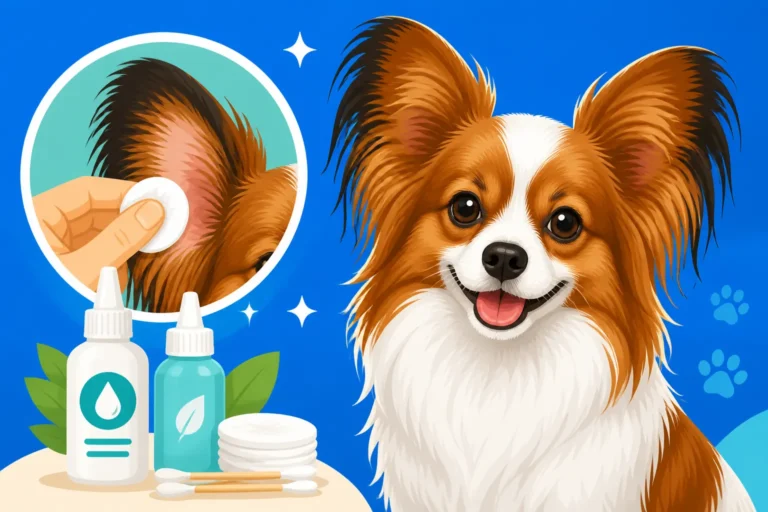
A Papillon's magnificent butterfly ears are their crowning glory, but they also require regular attention. Because they are so heavily feathered, these ears can accumulate dirt and wax, and even block airflow to the ear canal, potentially leading to infections. How Often a Papillon's Ears Need Cleaning Gently wipe the visible part of the ear and just inside the ear canal with a dog-specific ear cleaner on a cotton ball. Never use cotton swabs deep inside the ear, as this can push debris further in and damage the eardrum.
Dental hygiene is absolutely non-negotiable for Papillons, often more so than for larger breeds. Their small mouths are prone to overcrowding, which creates perfect little traps for food particles and bacteria, leading to plaque, tartar, and eventually severe dental disease. The Teeth in a Papillon's Small Jaw This isn't just about bad breath; it can lead to painful infections, tooth loss, and even systemic health issues. Brushing their teeth daily with a dog-specific toothbrush and toothpaste is the single most effective way to prevent dental problems. Brushing a Papillon's Teeth in a Very Small Mouth Make it a part of their daily routine, just like taking them out to potty. You can find a range of dental care products, from toothbrushes tiny enough for their small mouths to enzymatic toothpastes, on Chewy.
| Grooming Component | Importance for Papillon | Key Tools/Actions | Frequency |
|---|---|---|---|
| Brushing | Prevents mats, distributes oils, skin health | Pin brush, metal comb, detangler spray | Daily to every other day |
| Bathing | Cleans coat, prevents skin issues | Mild shampoo, conditioner, forced-air dryer | Every 2-4 weeks, or as needed |
| Nail Trimming | Prevents discomfort, joint strain, injury | Nail clippers or grinder | Every 2-4 weeks |
| Sanitary Trim | Hygiene, prevents matting | Small, quiet clippers, blunt-nosed scissors | Every 2-4 weeks, or as needed |
| Ear Cleaning | Prevents infections, keeps ears healthy | Dog-specific ear cleaner, cotton balls | Weekly |
| Teeth Brushing | Prevents dental disease, gum infections | Dog toothbrush, enzymatic toothpaste | Daily |
Strategies for a Successful Papillon Grooming Session
Now that we know what a full groom entails, let's dive into how to make it happen without turning it into a wrestling match. The key is often patience, positive reinforcement, and a bit of clever strategy.
Breaking Down the Groom into Manageable Steps
Trying to do all grooming tasks at once can be overwhelming for a Papillon, and for you! Instead of one marathon session, break it down into much shorter, more frequent 'mini-grooms'. For example, Monday could be just brushing the body and tail. Tuesday could be a quick ear clean and nail trim. Wednesday, focus on the culottes and chest frill. Thursday, maybe a sanitary trim. Then, on Friday, a bath and dry.
Each of these short sessions should be treated as a separate, positive experience. Use a calm, reassuring voice, and offer plenty of praise and treats. The goal is to make each step so brief and pleasant that your Papillon doesn't have time to get stressed or bored. This approach also means if they decide they've had enough for the day, you haven't ruined the entire groom; you've just paused one small component. It builds up their tolerance over time, teaching them that grooming isn't one big scary event but a series of quick, rewarding interactions. Whether a Papillon Learns by Watching
Positive Reinforcement and Desensitization Techniques
This is where the magic happens. Papillons respond beautifully to positive reinforcement. High-value treats are your best friend here. Think tiny pieces of cooked chicken, cheese, or even special training treats like those from Ollie. Introduce the grooming tool (e.g., the brush). If your Papillon sniffs it calmly, give a treat. Touch them with the brush for a second, then treat. Gradually increase the duration of the touch or the number of strokes, always pairing it with treats and verbal praise.
For things like clippers or the hairdryer, start by just turning them on away from your dog, giving treats. Slowly move the running tool closer, rewarding them for remaining calm. Eventually, you can touch the off tool to their body, then the on tool (again, away from their delicate parts first). The goal is to create a positive association: "Grooming tool comes out, I get yummy treats and praise!" This desensitization process might take days or weeks for each step, but it's an investment in a lifetime of stress-free grooming. Remember, even a small victory like calmly allowing a paw to be held is a huge step forward.
Tools and Equipment to Make Grooming Easier
Having the right tools can make a world of difference. Investing in good quality equipment isn't just about performance; it's about making the process more comfortable for your dog. For example, sharp nail clippers make a clean cut rather than crushing the nail, which is much less painful. A quiet, lightweight pair of clippers for sanitary trims will be less intimidating than a loud, bulky one.
Consider a small grooming table with a grooming arm. This elevates your Papillon to your working height, saving your back, and the arm helps keep them safely in place (never leave them unsupervised on a table!). Non-slip mats on the table are essential to make them feel secure. Some owners even use grooming hammocks, available on Amazon, for nail trims or paw pad clipping if their Papillon is particularly squirmy. These cradle the dog gently, making it harder for them to fight. While the goal is for them to sit calmly, sometimes a little strategic assistance makes that calm behavior easier to achieve.
| Tool/Equipment | Purpose | Why it helps a Papillon | Where to Find (Example) |
|---|---|---|---|
| Pin Brush | Daily brushing, detangling, coat maintenance | Gentle on single coat, prevents static | Chewy, Amazon |
| Metal Comb | Finding hidden mats, checking for tangles | Essential for thorough mat detection, fine teeth for delicate areas | Chewy, Amazon |
| Detangler Spray | Eases brushing, prevents breakage | Protects long, silky hair from damage | Chewy, Pet Store |
| Small Nail Clippers | Trimming nails cleanly and safely | Sized for small paws, less intimidating | Chewy, Amazon |
| Quiet Grooming Clippers | Sanitary trims, paw pads | Less noise for sensitive ears, smaller blade for precision | Amazon, Pet Store |
| Dog-Specific Shampoo/Conditioner | Gentle cleansing, coat health | pH balanced for dogs, avoids skin irritation | Chewy, Pet Store |
| Dog Toothbrush & Paste | Daily dental hygiene | Designed for dog mouths, palatable paste | Chewy, Vet Clinic |
| Grooming Table with Arm | Elevated, stable surface for grooming | Saves your back, helps secure dog safely | Amazon, Pet Store |
| High-Value Treats | Positive reinforcement | Motivates cooperation, creates positive association | Ollie, Pet Store |
When Professional Help is the Best Option
Sometimes, despite all our best efforts, a Papillon just won't "sit for a full groom" at home. And that's okay. Recognizing when you're in over your head and need to call in the cavalry is a sign of a responsible pet parent, not a failure.
Recognizing When You're Over Your Head
There's a fine line between a Papillon being a bit fidgety during grooming and being genuinely terrified or aggressive. If your dog is showing extreme signs of stress – excessive panting, trembling, hiding, growling, snapping, or trying to bite – it's time to pause. Pushing through this fear can not only be dangerous for both of you but can also exacerbate their anxiety, making future grooming attempts even more challenging. You might notice they get visibly upset just seeing the clippers, or they remember a bad nail trim months later. These are clear signals that home grooming might not be the best solution for their emotional well-being.
Furthermore, if you're struggling with specific tasks, like safely trimming nails without hitting the quick (the sensitive blood vessel inside the nail), or getting out a particularly stubborn mat without hurting them, professional help is invaluable. It’s better to pay a professional than to accidentally cause pain, which could set back all your positive training.
Finding a Fear-Free Certified Groomer
If you decide to seek professional help, look for a groomer who practices "fear-free" or "low-stress" grooming. This approach prioritizes the dog's emotional comfort and well-being above all else. A fear-free certified groomer will use gentle handling techniques, positive reinforcement, and a calm environment to make the grooming experience as pleasant as possible. They understand that a dog who feels safe and respected is more likely to cooperate.
When you're interviewing potential groomers, ask them about their experience with small, sensitive breeds like Papillons. Inquire about their methods for handling nervous dogs – do they use treats? Do they take breaks? Do they allow owners to stay during parts of the groom, if appropriate? A good groomer might suggest a "happy visit" first, where your Papillon just comes in for a few minutes to get treats and positive attention without any actual grooming taking place. This helps build a positive association with the salon environment and the groomer themselves.
Working with a Vet for Sedation or Behavioral Modification
For Papillons with extreme grooming anxiety that poses a risk to themselves or the groomer, or when essential tasks (like dental cleanings) require intervention, consulting your veterinarian is a crucial step. In some cases, a vet might recommend anti-anxiety medication to be given before a grooming session, or even light sedation for procedures like nail trims or full dental work under anesthesia. Anesthesia and a Five Pound Papillon This is typically a last resort and should always be part of a comprehensive plan, not a standalone solution.
A vet can also rule out any underlying pain or medical conditions that might be contributing to their grooming aversion. Sometimes, a dog acts out during grooming because a certain touch is painful. Beyond medication, your vet might refer you to a certified professional dog trainer or a veterinary behaviorist. These specialists can work with you to develop a tailored behavioral modification plan to systematically address and reduce your Papillon's fear and anxiety surrounding grooming, making future sessions less stressful for everyone involved.
Disclaimer
This article is for general informational purposes only and does not constitute professional advice. Laws, prices and regulations vary by location and change over time. Consult a qualified professional for guidance on your specific situation.