What a Papillon’s Second Knee Costs
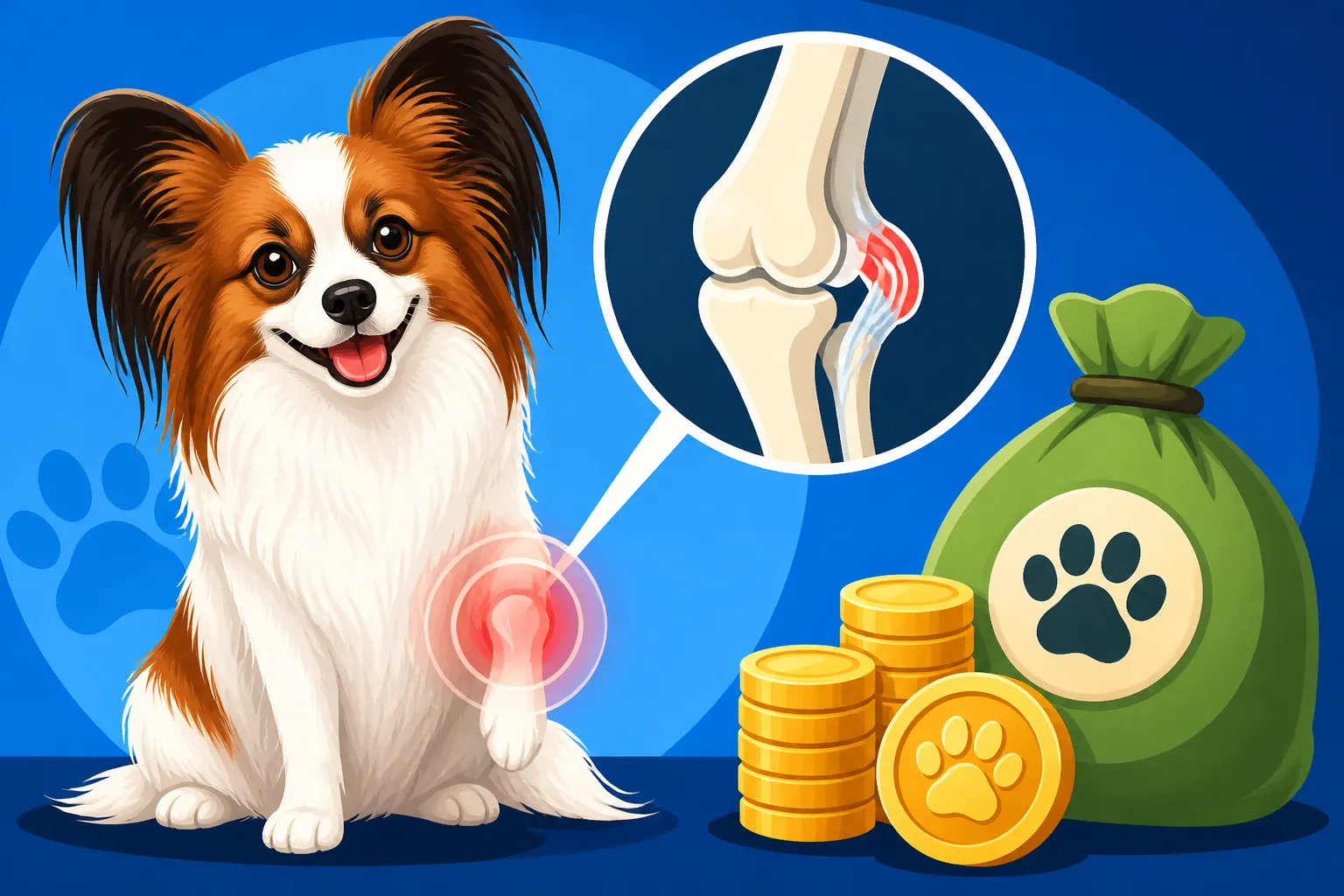
Finding out your beloved Papillon needs knee surgery is tough enough the first time around. But then, to be told that the other knee, the one you thought was perfectly fine, now also needs attention? That's a blow that hits hard, both emotionally and financially. It’s a common, heartbreaking reality for many Papillon owners, and this guide is here to walk you through what to expect regarding the potential costs and considerations for your Papillon’s second knee surgery.
Why a Second Knee Might Need Surgery
It feels incredibly unfair, doesn't it? You've gone through the first surgery, the recovery, the worry, and just as you're breathing a sigh of relief, the veterinary team starts talking about the other knee. The truth is, while we wish these things came one at a time, patellar luxation, the common kneecap issue in Papillons, often has a bilateral component. This means both knees can be affected, even if one shows more severe symptoms or starts acting up first.
Papillons are predisposed to Patellar Luxation Is the Papillon Problem You Will Actually Meet due to their genetics and delicate bone structure. The groove where the kneecap sits can be too shallow, or the attachment points for the tendons can be misaligned. When one knee is affected, there's often an underlying anatomical predisposition that exists in the other limb as well. Sometimes, the first surgery corrects one issue, but the dog then starts overcompensating, putting extra strain on the "good" knee, which can then reveal or exacerbate a pre-existing, milder luxation.
It's not uncommon to initially diagnose one knee with a higher grade of luxation, while the other might be a milder Grade 1 or 2, perhaps showing no clinical signs at all. Your vet might recommend only addressing the more problematic knee first, especially if your Papillon is still growing or if you're trying to manage the financial implications. However, that milder luxation on the seemingly "healthy" side can, and often does, progress over time. Factors like age, continued activity, or even just the altered gait after the first surgery, can cause that second kneecap to start slipping more frequently or severely, leading to pain and requiring intervention. What Patellar Luxation Does to a Papillon explains the impact in more detail.
The Factors Influencing the Cost of a Second Papillon Knee Surgery
Just like with the first surgery, a multitude of factors will influence the overall bill for your Papillon's second knee. It's rarely a flat fee, and understanding these variables can help you prepare for the financial journey ahead.
Severity and Surgical Complexity
The "grade" of patellar luxation directly impacts the complexity and therefore the cost of the surgery. Patellar luxation is graded from 1 to 4, with Grade 1 being mild and Grade 4 being severe, where the kneecap is permanently dislocated. A Grade 1 or 2 might only require minor adjustments, while a Grade 3 or 4 typically involves more intricate bone work, such as deepening the trochlear groove (the femoral groove where the kneecap sits) and moving the tibial crest (the bony prominence on the shin where the patellar tendon attaches). More severe cases often require a combination of techniques, extended surgical time, and more specialized equipment, all of which drive up the cost. It’s also possible that even if the second knee was initially a lower grade, it may have progressed since the first assessment.
The specific surgical techniques employed also play a role. Common procedures include trochleoplasty (deepening the groove), tibial crest transposition (realigning the attachment of the patellar tendon), and lateral imbrication (tightening the tissue on the outside of the knee). Often, a combination of these is used. For more severe or recurrent cases, additional procedures might be necessary, like corrective osteotomy (reshaping the bone itself), which are naturally more invasive and costly. The veterinary surgeon will determine the best approach based on your Papillon's specific anatomy and the extent of the luxation, aiming for the most stable and long-lasting repair.
Veterinary Team and Location
Who performs the surgery and where can significantly alter the cost. A board-certified veterinary orthopedic surgeon, often found at a specialty animal hospital, will typically charge more than a general practice veterinarian who also performs orthopedic procedures. While a general vet might be skilled, a specialist brings a higher level of training, experience, and often more advanced equipment to the table, which can be crucial for complex cases or to minimize the risk of complications. Always feel comfortable asking about your vet's experience with patellar luxation surgery in small breeds like Papillons.
Geographic location also plays a huge role in veterinary pricing. Just like human healthcare, costs for veterinary services can vary wildly from urban centers to rural areas. A specialty clinic in a large metropolitan area like Los Angeles or New York City will almost certainly have higher overheads and therefore higher prices than a similar clinic in a smaller town or rural setting. Even within the same city, prices can differ between practices. It’s always wise to get an estimate and understand what’s included, but sometimes you are limited by which specialists are available within a reasonable travel distance.
Pre-Surgical Diagnostics and Anesthesia
Before any surgery, your Papillon will need a thorough pre-surgical workup. This typically includes blood tests to ensure their organs are functioning correctly and that they can safely metabolize anesthesia, as well as checking for any clotting abnormalities. For a small dog like a Papillon, whose system is more delicate, these tests are paramount. Anesthesia and a Five Pound Papillon discusses specific considerations. X-rays of the affected knee and sometimes the hips and spine might also be taken to get a comprehensive view of the bone structure and rule out other orthopedic issues. While some of these might have been done for the first knee, new diagnostics are usually required to assess the current state of the second knee.
Anesthesia itself is a major component of the surgical cost. For tiny breeds, administering and monitoring anesthesia requires extreme precision and constant oversight by trained veterinary staff. This often involves advanced anesthetic agents, specialized monitoring equipment (like ECG, blood pressure, oxygen saturation, and temperature regulation), and a dedicated technician to keep a close eye on your Papillon throughout the procedure. The longer the surgery, the more extensive the anesthesia, and thus, the higher the cost. Given Papillons can be particularly sensitive, this is one area where cutting corners is simply not an option for their safety.
Post-Operative Care and Potential Complications
The cost doesn't end when your Papillon leaves the operating room. Post-operative care is crucial for a successful recovery and will add to the overall expense. This includes pain medication, anti-inflammatory drugs, and sometimes antibiotics. Your dog will need follow-up appointments to check incision healing and possibly remove stitches, as well as re-check X-rays to ensure proper alignment. Physical therapy or rehabilitation might also be recommended to regain strength and full range of motion, which can involve multiple sessions with a certified canine rehabilitation specialist. These can be weekly appointments that stretch over several weeks or months. How a Papillon Recovers From Knee Surgery details what to expect.
Unfortunately, complications can arise, even with the best surgical technique and care. These might include infection at the surgical site, implant failure (if pins or wires were used), or even re-luxation of the kneecap. Should any of these occur, it would necessitate further veterinary visits, diagnostic tests, additional medications, and potentially another corrective surgery, all of which would significantly increase your financial outlay. While rare, it's a possibility every owner should be aware of, especially when considering surgery for Which Grade of Luxation Needs Fixing in a Papillon.
Here's a simplified breakdown of cost components for a second knee surgery:
| Cost Component | Description | Impact on Price |
|---|---|---|
| Surgical Fee | Surgeon's expertise, operating room, materials, surgical team time. | Highest; varies by complexity, surgeon's specialization. |
| Anesthesia | Anesthesiologist/tech, monitoring equipment, medications. | Significant; longer surgeries, smaller dogs increase cost. |
| Pre-surgical Diagnostics | Bloodwork (CBC, chemistry), X-rays, sometimes urinalysis. | Moderate; new tests usually needed for the second knee. |
| Hospitalization | Overnight stay, nursing care, pain management post-op. | Moderate; length of stay varies, often 1-2 nights. |
| Medications | Pain relievers, anti-inflammatories, antibiotics for home use. | Low to moderate; essential for comfort and infection prevention. |
| Follow-up Visits | Incision checks, suture removal, re-check exams, potentially follow-up X-rays. | Low to moderate; typically included or discounted. |
| Rehabilitation | Physical therapy sessions, hydrotherapy, exercises. | Optional, but highly recommended; can be a significant ongoing cost. |
| Complications | Additional diagnostics, medications, revisional surgery. | Variable; can be very high if re-operation is required. |
Navigating the Financial Strain: Insurance, Savings, and Support
The thought of covering another major surgery can be incredibly daunting. It's not just about the upfront cost, but the ongoing expenses of recovery. Thankfully, there are several avenues to explore to ease the financial burden.
Pet Insurance and Pre-Existing Conditions
Pet insurance can be an absolute lifesaver for unexpected veterinary bills, but when it comes to a second knee surgery, the crucial factor is often whether patellar luxation was considered a "pre-existing condition" for that specific knee. If your Papillon was insured before either knee showed any signs of luxation (even a low-grade one that wasn't causing problems), then it's much more likely the second knee will be covered. However, if the first knee was operated on, and the second knee started showing signs after you got insurance, or if the second knee was documented as having a luxation before coverage began, it might be excluded under pre-existing condition clauses. Whether Luxating Patella Is Excluded on a Papillon is a critical question to ask your insurer.
It's vital to review your policy details carefully and speak directly with your insurance provider. Some policies might cover the second knee if it's considered a separate incident or if the condition worsened significantly after coverage started, even if a mild luxation was noted previously. Companies like Healthy Paws are known for their comprehensive coverage, but every policy has its terms. The best time to get pet insurance is when your Papillon is a young puppy, ideally before any health issues manifest, so you have coverage in place for future potential problems like a second luxating patella.
Payment Plans, Veterinary Credit, and Emergency Funds
Many veterinary clinics understand that these surgeries are a significant expense and offer payment options. Don't be afraid to ask about payment plans directly with the clinic; sometimes they have in-house arrangements. Another common option is veterinary credit cards, like CareCredit, which offer deferred interest periods if the balance is paid within a certain timeframe. This can provide much-needed flexibility, allowing you to pay off the cost over several months without accruing immediate interest.
Beyond these options, having an emergency fund specifically for your pet is invaluable. Even if you have insurance, there's usually a deductible and a co-pay, and rehabilitation costs might not be fully covered. Starting a dedicated savings account, even with small regular contributions, can make a huge difference if a second surgery becomes necessary. It's the kind of proactive planning that genuinely reduces stress in an already stressful situation. For general supplies, you might use sites like Chewy, but for vet bills, direct payment or credit is usually needed.
Breed-Specific Aid and Other Resources
If you're facing a significant financial hurdle, don't hesitate to research breed-specific rescue organizations or national Papillon clubs. Sometimes, these groups have funds or can point you towards resources designed to help owners with high veterinary costs for their dogs. They may have programs or grants for specific health issues common in the breed, such as patellar luxation. Additionally, there are various non-profit organizations that offer financial assistance for pet owners in need, though eligibility requirements can be strict. A quick online search for "pet financial aid" or "veterinary assistance grants" can sometimes reveal options in your area.
Preparing for the Possibility: What You Can Do
While we can't completely prevent genetic predispositions, there are certainly steps we can take as owners to support our Papillons' joint health and be better prepared should a second knee surgery become a reality.
Prioritizing Preventative Care
Maintaining your Papillon at a healthy weight is paramount for joint health. Even a few extra ounces on a small dog can put undue strain on their delicate joints, exacerbating any existing patellar issues or accelerating the progression of a mild luxation in the "good" knee. Regular, appropriate exercise helps maintain strong muscles around the joints, which provides natural support for the kneecap. However, it's crucial to avoid high-impact activities like jumping off furniture or repetitive twisting movements that can strain the knees.
Many owners also choose to incorporate joint supplements into their Papillon's diet. Ingredients like glucosamine, chondroitin, and MSM are popular choices, believed to support cartilage health and reduce inflammation. While these aren't a cure for luxation, they can contribute to overall joint wellness. Products available through retailers like Chewy or Ollie often include these supplements, or your vet can recommend specific formulations. Always consult your veterinarian before starting any new supplement regimen, as they can advise on appropriate dosages and potential interactions.
The Importance of Early Detection
Regular veterinary check-ups are essential for monitoring your Papillon's overall health, but they are particularly important for detecting subtle changes in their gait or mobility that might indicate a worsening knee issue. Even if your Papillon isn't limping, your vet might be able to detect a mild luxation during a routine physical exam. Early detection means you can discuss management options sooner, potentially delaying or even avoiding surgery for a low-grade luxation through conservative management, or at least being prepared financially if surgery becomes inevitable. Signs a Papillon's Kneecap Slips can be subtle, so being observant is key.
As an owner, you are your dog's best advocate. Pay close attention to how your Papillon moves. Do they occasionally skip a step, especially when running or playing? Do they hold a hind leg up for a few seconds before putting weight on it again? Do they hesitate before jumping onto the sofa? These can all be subtle indicators of patellar luxation. Noticing these signs and bringing them to your vet's attention promptly can make a difference in how the condition progresses and how you prepare for its eventual treatment.
Responsible Breeding and Home Modifications
If you're considering adding another Papillon to your family, choosing a reputable breeder is crucial. A responsible breeder will prioritize the health of their dogs and perform health screenings, including orthopedic evaluations for patellar luxation, on both parent dogs before breeding. They should be transparent about their dogs' health histories and be able to show you certifications. What a Papillon Breeder Should Have Tested provides a comprehensive list. While genetics aren't the only factor, careful breeding can reduce the likelihood of severe or early-onset luxation in puppies.
Beyond genetics, modifying your home environment can significantly reduce strain on your Papillon's knees. Providing ramps or steps to access furniture like sofas and beds eliminates the need for jumping, which can put immense stress on the knee joints. Ensuring your Papillon has good traction on floors, especially if you have slippery hardwood or tile, can prevent slips and falls that might injure or exacerbate a luxating patella. Runner rugs or anti-slip mats in high-traffic areas can be simple yet effective solutions. Setting Up a House That Protects a Papillon's Knees offers practical advice on these modifications.
Disclaimer
This article is for general informational purposes only and does not constitute professional advice. Laws, prices and regulations vary by location and change over time. Consult a qualified professional for guidance on your specific situation.