Whether a Rescue Papillon’s Teeth Need Work
Bringing a rescue Papillon into your home is such a compassionate act, and you’re probably already head-over-heels for those magnificent ears and their boundless energy. But let's be honest, adopting a dog often comes with a bit of a mystery box feeling, especially when it comes to their health history. One of the most common, and often overlooked, issues we see in rescue dogs, particularly small breeds like Papillons, is their dental health. It's a huge concern for many new owners, wondering what hidden problems might be lurking in that tiny mouth. This guide is here to walk you through exactly what you might encounter with a rescue Papillon's teeth, what to expect from vet visits, and how to keep their smile sparkling for years to come.
The Harsh Reality of Dental Health in Rescue Papillons
It's a tough truth, but many rescue Papillons arrive in their new homes with dental issues that have been brewing for a while. It’s not necessarily a reflection on previous owners, who might have faced financial hardship, lacked education about canine dental care, or simply couldn't keep up with the demands of a small dog's mouth. But for a new owner, it can feel overwhelming to discover.
Why Dental Neglect is So Common in Rescues
Imagine a dog's mouth as a miniature construction site. For a Papillon, that site is already quite crowded because their teeth are often disproportionately large for their delicate, small jaws. This crowding creates more nooks and crannies where food particles and bacteria can hide, quickly forming plaque that hardens into tartar. Combine this anatomical predisposition with a history of unknown or insufficient care, and you have a recipe for dental trouble. Many dogs in rescue situations come from backgrounds where routine veterinary care, let alone specialized dental cleanings, just wasn't a priority. Perhaps they were strays, or from overwhelmed households, or even from situations where dental issues were simply too expensive for their previous families to tackle. It's not uncommon for a rescue Papillon to be several years old and never have had a professional dental cleaning in its life.
The Silent Suffering: What Untreated Dental Disease Looks Like
Dental disease isn't just about bad breath; it's a painful, insidious condition that can severely impact your Papillon's overall health and quality of life. Imagine having a constant toothache or infected gums. That's what many of these dogs live with every single day. You might notice your Papillon becoming a bit more withdrawn, less enthusiastic about eating their favorite kibble, or even shying away when you try to pet their face. These are often subtle signs of chronic pain.
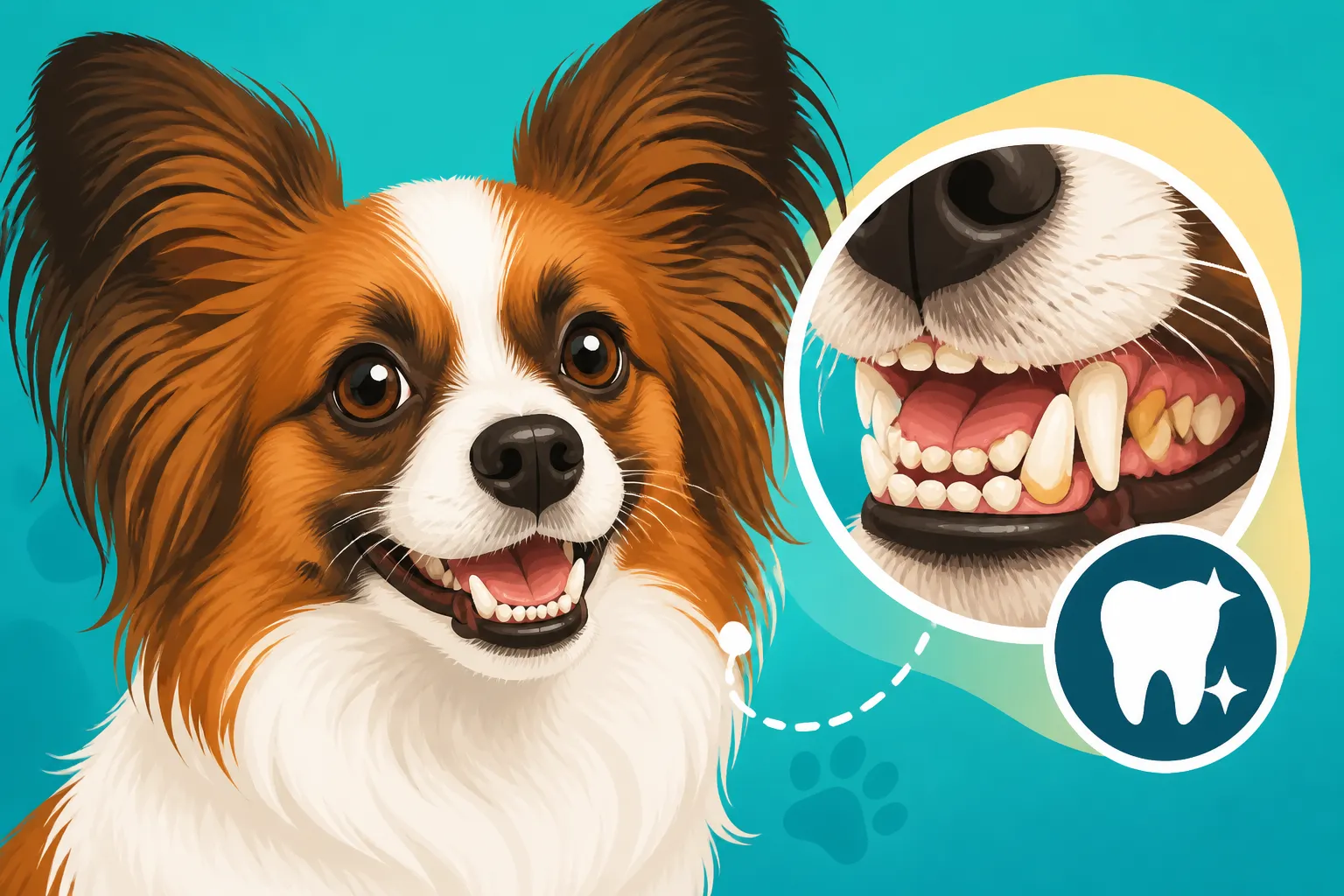
Beyond the pain, the bacteria from infected gums can travel through the bloodstream, affecting vital organs like the heart, kidneys, and liver. What starts as a simple buildup of tartar can escalate into serious systemic health problems. You might notice truly awful breath, brown or yellow buildup on the teeth, red and swollen gums that bleed easily, or even missing teeth. Some Papillons might drool more than usual or paw at their mouth because of discomfort. It's heartbreaking to think about, but recognizing these signs is the first step toward getting them the relief they desperately need. How Common Dental Disease Is in Papillons is a really eye-opening read on just how prevalent this issue is in the breed.
| Sign of Dental Health | Healthy Papillon Teeth | Unhealthy Papillon Teeth |
|---|---|---|
| Gum Color | Pale pink, firm, not swollen | Red, swollen, bleeding easily, inflamed |
| Breath | Neutral, no strong odor | Foul, strong odor (halitosis) |
| Tooth Appearance | Clean, white to off-white, no visible buildup | Yellow or brown tartar, especially at the gum line |
| Behavior | Eats eagerly, chews without hesitation, allows mouth touch | Reluctant to eat, drops food, pawing at mouth, avoids touch |
| Missing Teeth | All adult teeth present (unless natural loss in seniors) | Many missing teeth, broken teeth, retained baby teeth |
What to Expect When Your Rescue Papillon Gets a Dental Check-Up
Once you've brought your rescue Papillon home and given them time to settle, one of the most critical first veterinary appointments will be a thorough dental check-up. This isn't just a quick peek; it's the foundation for understanding what lies ahead for their oral health.
The Initial Vet Assessment: What They'll Look For
During the initial examination, your veterinarian will perform a visual inspection of your Papillon's mouth. They'll lift the lips, check the gums, and look at the visible surfaces of the teeth. They'll be assessing the level of plaque and tartar buildup, looking for signs of gingivitis (inflammation of the gums) or periodontitis (more severe gum disease with bone loss). They'll also check for any broken or loose teeth, retained deciduous (baby) teeth—which are surprisingly common in small breeds like Papillons due to their crowded jaws—and any growths or lesions in the mouth. This initial exam will give your vet a good idea of the severity of the dental disease and whether a professional cleaning under anesthesia is necessary, which, for most rescue Papillons, it almost certainly will be. They might even grade the dental disease, helping you understand the scale of the problem.
The Importance of Pre-Anesthetic Bloodwork
Here’s where a lot of owners get anxious, and rightly so, especially with a small dog and an unknown history. A dental cleaning requires anesthesia, and for any dog, particularly a rescue whose age and past medical conditions might be a mystery, pre-anesthetic bloodwork is absolutely non-negotiable. This blood panel provides crucial information about your Papillon's internal organ function, like their kidneys and liver, ensuring they can safely metabolize the anesthetic drugs. It also checks for underlying conditions that might not be obvious, giving the vet a clearer picture of your dog's overall health before proceeding. Think of it as a safety net, allowing the veterinary team to tailor the anesthetic protocol to your specific Papillon, minimizing risks. It's just one of those steps that, while adding to the upfront cost, is invaluable for their safety. You'll definitely want to read Whether a Papillon Needs Bloodwork Before a Dental to understand why this is so important.
The Dental Procedure Itself: From Scaling to Extractions
Once your Papillon is safely under anesthesia, the real work begins. This is far more than just "brushing their teeth." The veterinary team will perform a full oral exam, probing beneath the gum line to check for pockets where bacteria can hide, and taking dental X-rays. X-rays are critical because about two-thirds of dental disease happens below the gum line, invisible to the naked eye. This is how they'll detect abscesses, bone loss, or impacted teeth.
Then comes the scaling, both above and below the gum line, using ultrasonic and hand instruments to remove all plaque and tartar. After scaling, the teeth are polished to smooth out any microscopic etches where new plaque could attach. If extractions are necessary—and for many rescue Papillons, they are—the vet will carefully remove the problematic teeth, often stitching the gum closed afterward. This can be a significant part of the procedure, as some teeth can be deeply rooted or fractured. Pain management is paramount, with local nerve blocks and pain medication administered to keep your Papillon comfortable during and after the procedure. It’s a comprehensive medical procedure designed to get their mouth healthy and pain-free. What Anesthesia Adds to a Papillon's Dental Bill and What Extractions Add to a Papillon's Dental Bill are good resources if you're trying to wrap your head around the details.
The Financial Side of Restoring Your Papillon's Smile
Let's not sugarcoat it: dental work, especially extensive work, can be a significant investment. It's often one of the unforeseen expenses for new rescue owners, but it's a necessary one for your Papillon's health and comfort.
Understanding the Costs Involved
The cost of a professional dental cleaning can vary widely depending on several factors: the severity of the dental disease, how many extractions are needed, the need for dental X-rays, the duration of anesthesia, and any medications your Papillon goes home with. You're paying for the veterinarian's expertise, the skilled technicians, the state-of-the-art equipment, the anesthetic drugs and monitoring, and the pain management. While I can't give you exact figures, understand that a "basic" cleaning for a relatively healthy mouth will be far less than a procedure involving multiple extractions and significant gum repair. It's always best to get a detailed estimate from your vet after their initial assessment, so you know what you're facing. Keep in mind that for a rescue Papillon with years of neglect, the bill is often on the higher end of the spectrum. This is why it’s so important to mentally prepare for this expense. You might find more details on What a Papillon's Dental Costs to help you understand the components.
Pet Insurance and Rescue Dogs: Will it Cover Pre-Existing Conditions?
This is a really common question, and unfortunately, the answer for existing dental disease in a rescue Papillon is usually "no." Most pet insurance policies, like those offered by Healthy Paws or similar providers, consider any condition that was present before you enrolled your pet or before the waiting period expired as a "pre-existing condition." Since dental disease often takes time to develop, it's highly likely that any significant issues found in your rescue Papillon will be deemed pre-existing.
However, this doesn't mean pet insurance is useless! It's still incredibly valuable for future dental issues that aren't pre-existing, or for accidents and illnesses completely unrelated to their initial dental problems. Some policies do offer optional "wellness" or "preventative care" add-ons that might contribute to routine cleanings, but these typically have caps and don't cover the full expense of major dental surgery. It's crucial to read policy details very carefully and understand what is and isn't covered before you sign up. The best time to get pet insurance is when your pet is young and healthy, but even for a rescue, it can provide peace of mind for future unexpected medical needs. Whether Wellness Cover Pays a Papillon's Dental can give you more specific information.
Budgeting for Ongoing Dental Care
Getting that initial dental cleaning done is a huge step, but it's not a one-and-done solution. Dental care for a Papillon is truly a lifelong commitment. After the initial major overhaul, your goal shifts to prevention and maintenance. This means budgeting for annual or biannual professional cleanings, depending on your Papillon's individual needs and how well you manage home care.
Think about the long game. Over a Papillon's impressively long lifespan, multiple dental cleanings can definitely add up. Dental Work Over a Papillon's Long Life really puts this into perspective. Beyond the cleanings, you'll want to factor in the cost of good quality dental care products for home use, like enzymatic toothpastes and appropriate toothbrushes. Retailers like Chewy offer a wide array of dental products specifically designed for small breeds. If your Papillon needs a specialized diet that might be softer or designed for dental health, that could also be a consideration. Brands like Ollie, which offer fresh food options, might be a good fit if your vet suggests a softer diet post-extractions, although you'd need to discuss specific formulations with your vet.
Long-Term Dental Care and Prevention for Your Beloved Papillon
You’ve done the hard part – getting that initial, comprehensive dental work done. Now, the real work of prevention begins. Think of it as a partnership between you, your vet, and your Papillon, ensuring their comfort and health for years to come.
Daily Home Care: Brushing and Beyond
This is where you can make the biggest difference in maintaining your Papillon’s dental health and extending the time between professional cleanings. Daily home care is truly the gold standard. Yes, I know, brushing a tiny, sometimes squirmy Papillon’s teeth sounds daunting, but it's more achievable than you think!
Start slowly and make it a positive experience with lots of praise and treats. Use a finger brush or a small, soft-bristled toothbrush designed for pets, along with an enzymatic dog toothpaste (never human toothpaste!). Focus on the outside surfaces of the upper teeth, where tartar tends to accumulate most. Even a minute of brushing each day can have a profound impact. If daily brushing just isn't happening, dental wipes, oral rinses, or water additives can offer some benefit, but they are rarely as effective as mechanical brushing. Remember, consistency is key. You'll want to read Why a Papillon's Teeth Need Brushing Daily for practical tips.
Dietary Considerations for Dental Health
What your Papillon eats can also play a role in their dental health, though it’s not a magic bullet. Some kibbles are designed with larger, fibrous pieces that are supposed to help scrape plaque off teeth as the dog chews. These can be helpful as part of a comprehensive dental strategy, but they won't clean teeth as thoroughly as brushing. If your Papillon has lost several teeth due to extractions, your vet might recommend a softer diet, like canned food or a fresh food option, to ensure they can eat comfortably. However, softer foods can sometimes contribute to quicker plaque buildup, so diligent home brushing becomes even more critical. Discuss specific dietary recommendations with your veterinarian, especially if your Papillon has unique dental needs.
Recognizing Red Flags and When to Seek Vet Care
Even with the best home care, it's important to be vigilant and recognize when something might be amiss with your Papillon's teeth. After all that effort (and expense!), you want to catch any new problems early. Keep an eye out for changes in their eating habits—are they chewing on one side of their mouth? Dropping food? Are they reluctant to chew toys they once loved?
Regularly check their breath and gently lift their lips to inspect their gums and teeth. Any new redness, swelling, bleeding, excessive drooling, or a sudden worsening of bad breath warrants a call to your vet. Don’t wait until the problem becomes severe. Early intervention can prevent minor issues from escalating into major, painful, and costly problems. Think of it as protecting your initial investment in their health and happiness. Understanding How Long a Papillon Keeps Its Teeth With Home Care will highlight the importance of your ongoing commitment.
Disclaimer
This article is for general informational purposes only and does not constitute professional advice. Laws, prices and regulations vary by location and change over time. Consult a qualified professional for guidance on your specific situation.