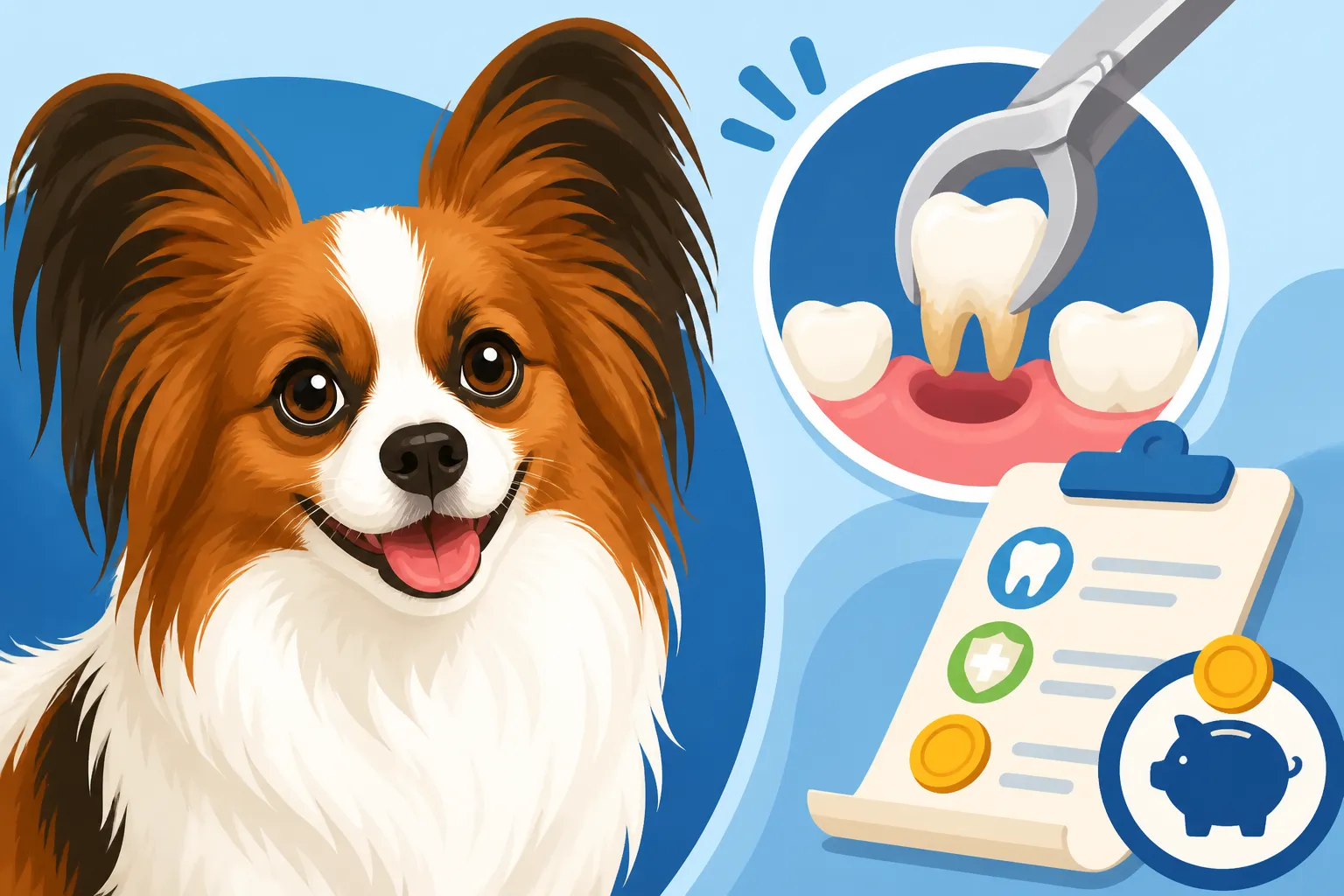
What Extractions Add to a Papillon’s Dental Bill
It's a moment many Papillon owners dread: that sinking feeling when the vet calls after a routine dental cleaning to say your sweet little butterfly dog needs extractions. You went in expecting a simple scale and polish, maybe a little preventative work, and now you're facing a potentially much larger bill. The truth is, due to their delicate, crowded mouths, dental extractions are a common, albeit costly, reality for many Papillons. This guide will walk you through what exactly contributes to the bill when your Papillon needs teeth pulled, so you can be prepared and understand every aspect of the procedure.
The Unique Dental Challenges of Papillons Leading to Extractions
Our little Papillons, with their exquisite butterfly ears and vibrant personalities, often come with a hidden vulnerability: their teeth. That tiny, delicate jaw is often just too small to comfortably house all 42 adult teeth. This crowding isn't just an aesthetic issue; it creates a perfect storm for dental disease, often leading to the need for extractions.
Think about it: when teeth are packed tightly together, food particles and bacteria have more nooks and crannies to hide in. It becomes incredibly difficult, even with diligent home care, to clean these areas effectively. Over time, plaque hardens into tartar, creeping under the gum line and attacking the supporting structures of the teeth. This is where the real trouble begins, leading to inflammation, infection, and eventually, painful tooth loss. Many owners find themselves asking How Common Dental Disease Is in Papillons, and the answer is, unfortunately, very common. It's not a reflection of your care, but often a breed predisposition.
Another factor is the common issue of retained deciduous (baby) teeth. Sometimes, those stubborn little puppy teeth don't want to let go, even when the adult teeth are trying to erupt. This double-row of teeth exacerbates the crowding problem and creates even more surfaces for plaque to accumulate. Your vet might recommend pulling these baby teeth early on to prevent future problems, but if they're left, they contribute significantly to the environment that makes extractions almost inevitable later in life. You might want to read Whether a Papillon Retains Its Baby Teeth for more insight into this particular challenge.
Breaking Down the Costs of a Papillon Dental with Extractions
When your vet presents you with an estimate for a dental procedure that includes extractions, it can feel overwhelming. It's rarely just one flat fee for "pulling a tooth." Instead, the bill is an accumulation of many necessary components, each contributing to the safety and success of the procedure. Understanding these individual line items can help you grasp why the cost adds up so quickly.
Pre-Anesthetic Work-Up and Safety Protocols
Before any Papillon can undergo anesthesia, especially our smaller, more delicate ones, a thorough pre-anesthetic work-up is crucial. This typically includes blood work to assess organ function (liver, kidneys), ensure appropriate red and white blood cell counts, and check for any underlying issues that could complicate anesthesia. Remember, a Papillon's small size means they can be more sensitive to medication, so careful screening is paramount. What a Papillon's Pre Dental Bloodwork Costs is an important factor to consider in the overall bill.
Beyond blood work, many vets will perform a physical exam and listen to the heart and lungs to detect any murmurs or respiratory issues. Some clinics may also recommend a pre-operative electrocardiogram (ECG) for older Papillons or those with suspected heart conditions. These steps, while adding to the upfront cost, are non-negotiable for ensuring your tiny companion's safety under anesthesia. It’s an investment in minimizing risk, and for a breed like the Papillon that can be quite long-lived, setting a baseline for health is invaluable.
Anesthesia Monitoring and Pain Management
The actual anesthesia itself is a significant part of the cost, not just the drugs, but the monitoring involved. During the procedure, your Papillon will have dedicated personnel monitoring their heart rate, breathing, blood pressure, temperature, and oxygen saturation. This is often done by a veterinary technician whose sole job is to keep your dog safe and stable throughout the entire dental procedure, from induction to recovery. They are continually adjusting anesthetic depth based on vital signs, which is especially critical for a tiny dog.
Pain management is also a huge part of the bill. It's not just about giving pain meds after the extractions. Modern veterinary medicine emphasizes a multi-modal approach, often starting pain medication before, during, and after surgery. This might include injectable pain relievers during the procedure, nerve blocks to numb the specific areas where teeth are extracted, and oral medications to go home with. While these add to the cost, they significantly improve your Papillon's comfort and recovery, making it a truly worthwhile investment.
The Extraction Procedure Itself
The core of the "extraction" cost involves the actual removal of the teeth. This isn't just yanking a tooth out! It's a precise surgical procedure. Each extraction can be compared to a mini-surgery, especially for multi-rooted teeth like molars. The vet must carefully loosen the tooth from the bone, often using specialized instruments, and then suture the gum closed afterwards. Some extractions might require a small incision in the gum or even bone removal to access the roots, which adds to the complexity and time involved.
The number of teeth needing extraction, and their condition, greatly influences this part of the bill. A simple extraction of a loose incisor will cost far less than a complicated extraction of a fractured molar with deep roots. The difficulty of each extraction is typically graded, and the cost reflects that complexity. Some clinics may charge per tooth, while others may have tiered pricing based on simple versus surgical extractions.
Here's a simplified breakdown of factors influencing extraction costs:
| Factor | Impact on Cost | Description |
|---|---|---|
| Number of Teeth | Directly proportional | More teeth to extract means more time, materials, and potential for complications. |
| Type of Tooth | Molars/premolars generally cost more | Multi-rooted teeth require more intricate surgical techniques compared to single-rooted incisors. |
| Condition of Tooth | Infected, fractured, or root fragments increase cost | Severely diseased or broken teeth are harder to extract cleanly and may require additional work to ensure no fragments are left behind. |
| Surgical Difficulty | Bone removal or gum flaps increase cost | When teeth are firmly embedded or have complicated roots, the vet may need to perform minor bone surgery or create gum flaps for access. |
| Suture Material | Varies slightly | Absorbable sutures are typically used, and the quantity needed depends on the number and size of extraction sites. |
Post-Extraction Care and Medications
After the extractions, your Papillon will likely need a few things to aid recovery. This usually includes a course of antibiotics to prevent infection at the extraction sites and, as mentioned, pain medication to manage discomfort at home. Anti-inflammatory drugs are also common to reduce swelling and aid healing. These medications are typically dispensed to go home with you and will be an additional line item on your bill.
Your vet or vet tech will also provide detailed post-operative instructions, covering everything from diet (often soft food for a week or two, sometimes from brands like Chewy or Ollie), activity restrictions, and how to monitor the extraction sites for any signs of trouble. Follow these instructions carefully, as improper care at home can lead to complications and potentially further veterinary visits, adding more to your overall expenses. Sometimes, a follow-up appointment is included in the initial estimate, but if a complication arises, it will be an extra cost.
Managing and Mitigating Dental Extraction Costs for Your Papillon
Facing a large vet bill for dental extractions can be stressful, but there are proactive steps you can take to manage these costs and potentially reduce the likelihood of extensive procedures in the future.
Proactive Home Dental Care
This might sound obvious, but consistent home dental care is your first and best defense against severe dental disease and costly extractions. Starting when your Papillon is a puppy, get them used to having their mouth handled and their teeth brushed. Daily brushing with a dog-specific toothbrush and toothpaste is the gold standard. Even if you can't hit every tooth every day, consistency makes a huge difference.
Beyond brushing, consider other dental health aids like water additives, dental chews (choose wisely for their size and chewing style), or specialized dental diets. While these are not substitutes for brushing or professional cleanings, they can complement your efforts. Regularly checking your Papillon's mouth yourself can also help you spot early signs of tartar buildup, red gums, or bad breath, prompting an earlier vet visit before problems become severe. How Often a Papillon's Teeth Need Brushing is something every Papillon owner should know and implement.
Pet Insurance as a Lifeline
Pet insurance can be an absolute lifesaver when unexpected veterinary bills arise, and dental extractions certainly fall into that category. Many pet insurance providers offer plans that cover accidents and illnesses, and some even have riders for routine wellness care, which can include dental cleanings. However, it's crucial to understand the specifics of your policy. Pre-existing conditions are almost always excluded, so if your Papillon already has significant dental disease before you enroll, subsequent extractions might not be covered.
Research providers like Healthy Paws thoroughly. Look into their coverage for dental illnesses, what their deductibles are, and what percentage of the bill they reimburse. Some policies might have annual limits for dental care. Enrolling your Papillon when they are young and healthy is generally the best strategy to ensure coverage for future issues. While monthly premiums are an ongoing cost, they can significantly cushion the blow of a multi-thousand-dollar dental bill, especially when you factor in What Insuring a Papillon Costs a Month.
Early Intervention and Regular Professional Cleanings
Don't wait until your Papillon has terrible breath and visibly rotten teeth to seek veterinary attention. Regular check-ups are key. Your vet can assess your dog's dental health during their annual wellness exam and recommend a professional cleaning when appropriate. These cleanings, performed under anesthesia, allow the vet to thoroughly scale away plaque and tartar, both above and below the gum line, and probe for any pockets or early signs of disease.
Catching dental disease early can prevent the need for extractions. A regular cleaning might cost a few hundred dollars, but it's often significantly less than a cleaning plus multiple extractions. It's a preventative measure that genuinely pays off in the long run for your Papillon's health and your wallet. Knowing How Often a Papillon Needs a Dental Cleaning can help you plan and budget for this essential care.
The Long-Term Impact of Dental Extractions on Your Papillon
While the initial cost of extractions can be shocking, it's important to remember that removing diseased teeth ultimately improves your Papillon's quality of life and can even extend their lifespan. Chronic dental pain and infection can have systemic effects, impacting organ health and overall well-being.
Improved Comfort and Health
Imagine living with a constant toothache or gum infection – it's miserable! Our dogs are incredibly stoic and often hide pain, so you might not even realize the extent of their discomfort until after the problematic teeth are gone. Owners frequently report a noticeable change in their Papillon's demeanor post-extractions: they become more playful, have a better appetite, and are generally happier. Relief from pain allows them to truly enjoy their food and life again.
Removing infected teeth also eliminates a source of bacteria that can travel through the bloodstream and impact vital organs like the heart and kidneys. So, while you're paying for extractions, you're also investing in preventing more serious, and potentially more expensive, health issues down the line. It's a testament to why The Teeth in a Papillon's Small Jaw require so much attention throughout their lives.
Dietary Adjustments and Future Care
After extractions, especially if multiple teeth were removed, your Papillon might need some dietary adjustments. Initially, soft food will be necessary, but even long-term, some dogs do better on softer kibble or wet food. Don't worry, dogs adapt remarkably well to eating with fewer teeth; their digestive system is designed for swallowing, and they don't need molars to chew kibble in the same way humans do. Many Papillons with significant tooth loss can still eat a regular diet, just maybe not crunchy treats. You can read more about Feeding a Papillon With Few Teeth for tips on managing their diet post-extractions.
Ongoing home dental care remains important, even with fewer teeth. The remaining teeth are still susceptible to plaque and tartar buildup. Regular brushing, even for just a few minutes, can help keep the remaining teeth healthy and prevent future problems. And, of course, continued regular veterinary check-ups and professional cleanings will still be necessary to monitor their oral health and ensure no new issues arise. It’s an ongoing commitment, but one that ensures your Papillon lives a long, comfortable, and happy life.
Disclaimer
This article is for general informational purposes only and does not constitute professional advice. Laws, prices and regulations vary by location and change over time. Consult a qualified professional for guidance on your specific situation.