What Rehab Costs After a Papillon’s Knee Surgery
After your sweet Papillon has gone through knee surgery, there's often a huge sigh of relief. You think the hard part is over, right? But then comes the recovery period, and many owners are caught off guard by the ongoing commitment and, frankly, the costs associated with post-operative rehabilitation. This guide is here to walk you through what to expect regarding the financial and practical aspects of getting your little one back on their paws after patellar luxation surgery, ensuring you're prepared for every step of their healing journey.
Understanding Papillon Patellar Luxation and Why Rehab Is Crucial
It's a tough pill to swallow when your vibrant, butterfly-eared companion is diagnosed with patellar luxation. This condition, where the kneecap slips out of its groove, can range from a minor skip in their step to severe lameness that significantly impacts their quality of life. For many Papillons, especially those with higher grades of luxation, surgery becomes the best path to long-term comfort and mobility. But that surgery is truly just the beginning of a process, not the finish line.
The Reality of Patellar Luxation in Papillons: What to Expect
Papillons, with their delicate bone structure and active dispositions, are unfortunately predisposed to patellar luxation. You might notice your little one suddenly holding up a leg for a few steps, then putting it down as if nothing happened – that's often the first tell-tale sign of a slipping kneecap. It can be heartbreaking to watch, knowing your lively dog is experiencing discomfort. The severity is typically graded from 1 to 4, with higher grades usually necessitating surgical intervention to correct the anatomical issue and prevent further joint damage. What Patellar Luxation Does to a Papillon dives deeper into the impact of this condition. It's not just about the pain; chronic luxation can lead to arthritis and permanent mobility issues if not addressed. Choosing surgery means you're committing to giving your Papillon the best chance at a pain-free, active life, but it’s a commitment that extends well beyond the operating room.
When you're facing this diagnosis, your vet will discuss the various grades and what they mean for your individual dog. A grade 1 might be managed with conservative approaches, but grades 2, 3, or 4 often mean surgery is the most effective solution. This decision is never easy, and the initial consultation might focus heavily on the surgical procedure itself, making it easy to overlook the subsequent rehabilitation phase. However, a successful outcome hinges just as much on diligent post-operative care as it does on the skill of the surgeon. You might find yourself wondering Which Grade of Luxation Needs Fixing in a Papillon and what that means for your Papillon's future mobility. It's a journey, not a single event, and preparing for the entire course of treatment is essential.
Why Surgery Isn't the End of the Road: The Role of Post-Op Care
Many owners breathe a huge sigh of relief after surgery, thinking the problem is "fixed." And yes, the mechanical issue has been addressed. But your Papillon’s body has just undergone significant trauma. Muscles will be weakened, scar tissue will form, and your dog will likely have altered gait patterns from compensating before surgery. Post-operative rehabilitation is absolutely critical to rebuild strength, restore range of motion, reduce pain and swelling, and retrain their body to use the limb correctly. Without proper rehab, there's a higher risk of complications, slower recovery, and even re-injury. Whether a Papillon Needs Knee Surgery explains why it's a big decision.
Think of it like us humans after knee surgery – nobody expects to run a marathon the next week. We need physical therapy, gentle exercises, and careful progression. It's no different for our small dogs, even if they often try to act like they're ready to conquer the world immediately after surgery. Their enthusiasm needs to be carefully managed! A structured rehabilitation program guides them safely through the healing process, optimizing their chances for a full and functional recovery. It truly bridges the gap between the surgical repair and your Papillon getting back to their bouncy self, ensuring the investment in surgery pays off in the long run.
Breaking Down the Costs of Post-Surgery Rehabilitation for Your Papillon
Understanding that rehabilitation is vital is one thing; understanding the financial commitment is another entirely. This can be one of the most surprising aspects of a Papillon's knee surgery journey, as these costs accrue after the major surgical bill has already hit. Being prepared for these expenses can help you make informed decisions and reduce stress during an already challenging time.
Initial Vet Consults and Follow-Up Appointments
After the initial surgery, your Papillon will need several follow-up appointments with your primary veterinarian or the orthopedic specialist. These visits are crucial for monitoring incision healing, checking for any signs of infection, and assessing the early stages of recovery. They'll want to ensure the kneecap remains in place and that your dog isn't experiencing excessive pain. Each of these appointments carries a consultation fee, similar to a regular check-up, but often with additional charges for suture removal, bandage changes, or specific pain management assessments.
Beyond the immediate post-op checks, your vet will likely want to see your Papillon periodically throughout the rehabilitation process to track progress and adjust their care plan. These check-ins are vital for ensuring the rehab is on track and identifying any potential setbacks early. For example, they might want to monitor how your Papillon is walking at the 4-week, 8-week, and 12-week marks. While these are typically less frequent than the initial post-op visits, they are still a recurring cost that adds up, especially if your Papillon experiences a slower recovery or needs additional diagnostic imaging. Don't underestimate these "minor" fees, as they form a significant part of the overall rehabilitation budget.
Physical Therapy Sessions: Hands-On and Hydrotherapy
This is often the largest component of rehabilitation costs, and for good reason. Veterinary physical therapy, sometimes called canine rehabilitation, is a specialized field. Certified canine rehabilitation therapists (CCRT or CCRP) use a variety of techniques to help your Papillon regain strength and mobility. These can include:
- Therapeutic Exercises: Guided movements to improve range of motion, strengthen specific muscle groups, and enhance balance.
- Manual Therapy: Techniques like massage, stretching, and joint mobilization performed by the therapist.
- Modalities: The use of therapeutic tools such as laser therapy (for pain and inflammation), therapeutic ultrasound, or electrical stimulation.
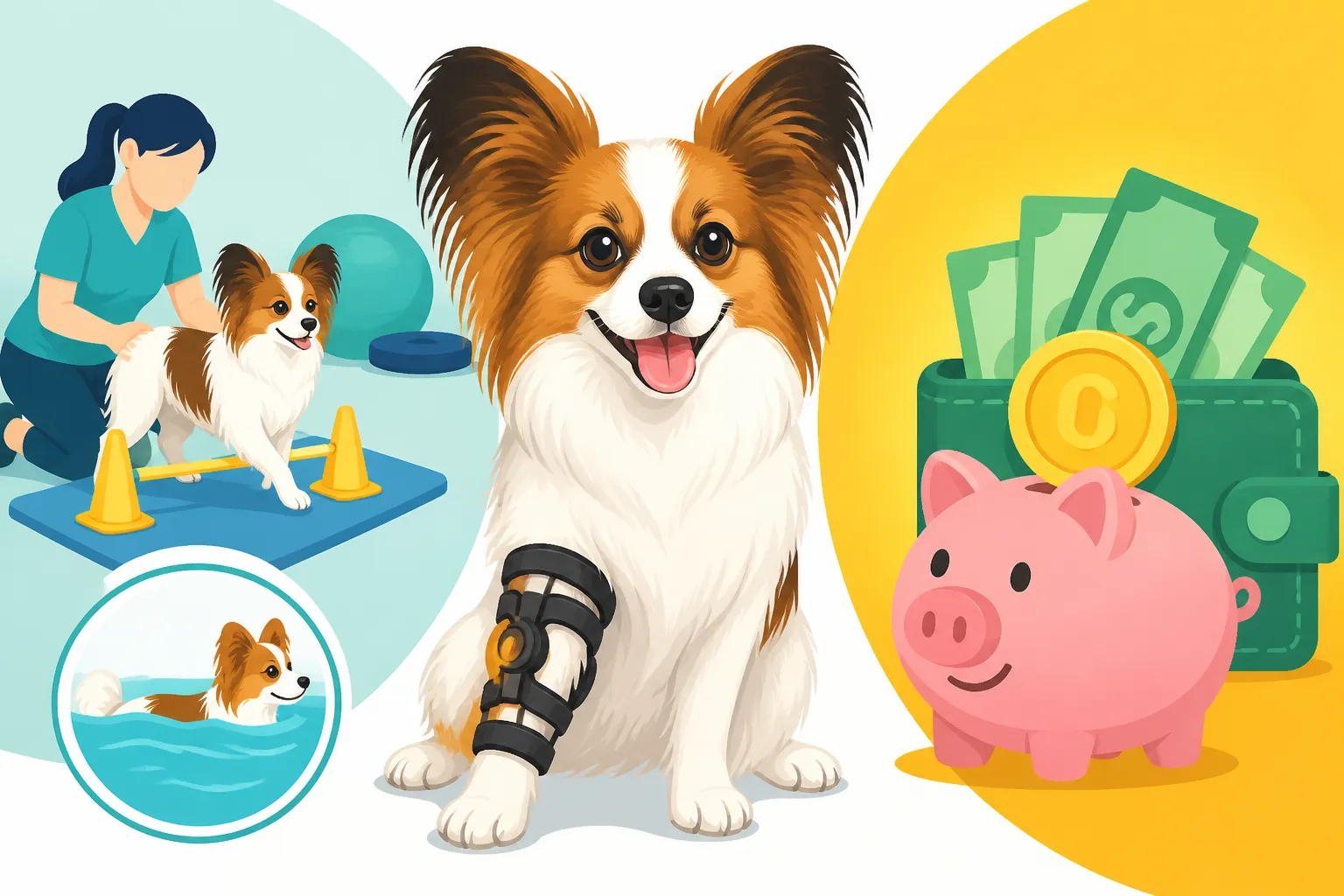
- Hydrotherapy: Often a favorite for dogs, hydrotherapy involves controlled exercise in water (like an underwater treadmill or swimming pool). The buoyancy of water reduces weight-bearing stress on the recovering joint, allowing for earlier and less painful muscle strengthening. It's incredibly effective for building muscle mass and improving gait without putting undue strain on the healing knee.
The cost per session can vary widely depending on your location, the clinic's facilities (e.g., if they have an underwater treadmill), and the specific therapies included. Many Papillons will require weekly sessions for several weeks, gradually tapering down as they improve. Some dogs might need intensive therapy for months. How a Papillon Recovers From Knee Surgery highlights how critical this stage is. Remember, you're paying for specialized expertise and equipment that directly impacts your dog's long-term comfort and ability to move freely.
Medication and Supplements for Recovery
Managing pain and inflammation is paramount during your Papillon's recovery. Immediately after surgery, your vet will prescribe pain medications, which might include NSAIDs (non-steroidal anti-inflammatory drugs) and possibly stronger pain relievers for the initial days. As your Papillon progresses, they might transition to a lower dose or different medication. These prescriptions are essential for keeping your dog comfortable enough to participate in therapy and avoid inadvertently overcompensating or favoring the limb, which could hinder recovery.
Beyond acute pain relief, many vets recommend joint supplements to support cartilage health and reduce inflammation over the long term, especially in small breeds prone to joint issues. These can include ingredients like glucosamine, chondroitin, and omega-3 fatty acids. While not strictly "medication," these supplements can be an ongoing cost, but a worthwhile one for supporting joint health throughout your Papillon's life. Always discuss any supplements with your vet, as they can recommend reputable brands and dosages suitable for your dog's specific needs. You can often find a good selection of vet-approved supplements on sites like Chewy.
At-Home Care Equipment and Modifications
A significant part of your Papillon's rehab happens at home, and preparing your environment can incur costs, though many are one-time purchases. Think about safety and support:
- Ramps or Steps: Your Papillon should be discouraged from jumping on and off furniture to protect their healing knee. Small, pet-friendly ramps or steps for beds and sofas are a fantastic investment, not just for recovery but for their long-term joint health.
- Non-Slip Mats or Runners: If you have hardwood, tile, or laminate floors, these can be treacherous for a recovering Papillon. Non-slip mats or runners provide traction, preventing slips and falls that could cause re-injury.
- Harness with a Handle: A supportive harness with a handle over the back can be invaluable for assisting your Papillon with balance, going up or down stairs (if allowed by your vet), or helping them get outside for potty breaks without putting strain on the knee.
- Soft Bedding: A comfortable, orthopedic bed can help reduce pressure on joints and encourage rest.
- Puzzle Toys and Chews: Mental stimulation is crucial when physical activity is restricted. Puzzle toys can keep your Papillon engaged and prevent boredom-induced mischief that might lead to overexertion.
- Cold/Warm Compresses: Your vet might instruct you on using cold packs for initial swelling and pain, and warm compresses later for muscle relaxation.
These items may seem minor individually, but together they create a safe and conducive environment for healing. Many of these modifications also contribute to a long and healthy life for your Papillon, long after their knee has recovered, particularly in a breed predisposed to Patellar Luxation Is the Papillon Problem You Will Actually Meet.
Navigating Payment Options and Making Rehab Accessible
The thought of piling rehab costs on top of an already expensive surgery bill can be overwhelming. The good news is there are several strategies and resources available to help you manage these expenses and ensure your Papillon gets the best possible care.
The Role of Pet Insurance in Covering Rehab Costs
Pet insurance can be an absolute lifesaver when it comes to unexpected veterinary expenses like patellar luxation surgery and the subsequent rehabilitation. Many comprehensive pet insurance policies will cover a significant portion of rehabilitation costs, including physical therapy sessions, prescribed medications, and sometimes even specialized equipment if deemed medically necessary. However, it's crucial to understand your policy's specifics. Whether Insurance Covers a Papillon's Knees is a question many owners ask.
Be aware of waiting periods and pre-existing condition clauses. If your Papillon was diagnosed with patellar luxation before you enrolled them in insurance, it would likely be considered a pre-existing condition and therefore not covered. This is why getting pet insurance early, ideally when your Papillon is a puppy, is always recommended. Always call your insurance provider, such as Healthy Paws, before commencing expensive treatments to confirm coverage, understand your deductible, and clarify reimbursement percentages. This proactive step can save you a lot of financial heartache down the line.
Exploring Payment Plans and Financial Aid
If pet insurance isn't an option or doesn't cover enough of the costs, don't despair. Many veterinary clinics and specialized rehabilitation centers understand the financial strain these procedures can cause and offer payment plans. These plans allow you to spread the cost of treatment over several months, making it more manageable. It never hurts to ask about this during your initial consultation or when scheduling rehab sessions.
Beyond clinic-specific plans, there are various charitable organizations and foundations that offer financial assistance for pet owners facing costly veterinary care. While these resources often have specific eligibility criteria, they can be a critical lifeline for families in need. A quick online search for "pet financial aid" or "veterinary assistance programs" in your area can reveal local and national options. Additionally, some practices might recommend a medical credit card, which can offer interest-free periods if the balance is paid off within a certain timeframe. Don't be afraid to openly discuss your financial concerns with your veterinary team; they are often the best resource for navigating these challenging situations.
Smart Strategies for Budgeting for Your Papillon's Recovery
Taking a proactive approach to budgeting for your Papillon's rehab can alleviate a lot of stress. Start by asking for a detailed estimate from your veterinary surgeon and the rehabilitation clinic for the entire expected course of treatment, not just the surgery itself. This should include an estimated number of physical therapy sessions, follow-up exams, and a general idea of medication costs. This comprehensive estimate will give you a clearer picture of the financial commitment.
Consider setting up a dedicated "recovery fund" if your Papillon is awaiting surgery. Even small contributions regularly can make a difference. If your dog is on a special diet, such as a weight management formula to take stress off their joints, budgeting for higher-quality food from a trusted source like Ollie can also be part of the plan. Look for ways to save on non-essential items temporarily, or explore generic options for certain medications if approved by your vet. Remember, a well-planned budget isn't about cutting corners on care, but about intelligently allocating your resources to ensure your Papillon receives everything they need for a successful recovery.
What to Expect During Your Papillon's Rehab Journey
Once you've wrapped your head around the financial aspects, it's time to focus on the journey itself. Rehabilitation is a marathon, not a sprint, and both you and your Papillon will need patience, dedication, and a whole lot of love to get through it.
The Timeline of Recovery: Patience is Key
The recovery timeline for patellar luxation surgery can vary greatly depending on the grade of luxation, the specific surgical technique used, your Papillon's age and overall health, and your adherence to the rehabilitation plan. Generally, the first 6-8 weeks are the most critical, involving strict activity restriction and gradual reintroduction of movement under guidance. It's during this period that bone and soft tissue healing is most active. How a Papillon Recovers From Knee Surgery details the usual progression.
Full recovery, where your Papillon is back to their pre-injury activity level (or even better, without pain!), can often take 3-6 months, and sometimes even longer. It’s a process that requires immense patience. There will be good days and bad days. Your Papillon might seem to take two steps forward and one step back. It's vital not to rush the process, even if your spirited Papillon looks and feels ready to zoom around. Overexertion too early can lead to complications, including damaging the surgical repair or aggravating inflammation. Trust your vet and rehabilitation therapist to guide the pace of recovery, celebrating small victories along the way.
| Recovery Phase | Typical Duration | Key Focus | Common Activities | Potential Costs |
|---|---|---|---|---|
| Immediate Post-Op | 1-2 weeks | Pain management, incision care, strict rest | Very limited leash walks, cold compresses, medication. | Vet checks, pain meds. |
| Early Rehab | Weeks 2-6 | Gentle range of motion, controlled weight-bearing | Passive range of motion exercises, short controlled leash walks, hydrotherapy (if appropriate). | PT sessions, follow-ups, ongoing meds. |
| Intermediate Rehab | Weeks 6-12 | Strength building, balance, gradual activity increase | Therapeutic exercises, longer leash walks, inclines/declines, laser therapy. | PT sessions, follow-ups, joint supplements. |
| Advanced Rehab | Weeks 12+ (as needed) | Endurance, agility, return to full function | Advanced exercises, controlled off-leash play, sport-specific training. | Fewer PT sessions, home exercise program, maintenance supplements. |
The Emotional Toll: Supporting Your Papillon (and Yourself)
Let's be real, this whole process isn't just physically taxing for your Papillon; it's emotionally taxing for both of you. Your usually energetic companion might be frustrated by confinement, leading to whines, unusual clinginess, or even a bit of grumpiness. You, in turn, might feel guilty, anxious, or overwhelmed by the constant vigilance required to prevent them from jumping or running when they shouldn't. It's completely normal to feel this way.
Supporting your Papillon means providing plenty of mental stimulation through puzzle toys, gentle grooming (brushing their beautiful A Papillon's Coat Is All Fringe and No Undercoat can be a calm, bonding activity), and quiet cuddle time. Maintain a consistent routine to reduce their anxiety, and praise them lavishly for cooperation. For yourself, remember to practice self-care. Lean on your support system, whether it's family, friends, or your veterinary team. They understand what you're going through. Celebrating every small milestone in your Papillon's recovery, from taking a few unassisted steps to showing more enthusiasm for their gentle exercises, will help keep spirits high for everyone involved. This journey ultimately strengthens the bond you share, even through the challenging moments.
Disclaimer
This article is for general informational purposes only and does not constitute professional advice. Laws, prices and regulations vary by location and change over time. Consult a qualified professional for guidance on your specific situation.