Whether a Papillon’s Knee Surgery Needs a Specialist
When your little Papillon starts showing a hitch in their step, or you notice them holding up a back leg, it's natural to feel a pang of worry. Often, these subtle signs point to patellar luxation, a common knee issue in our beloved toy breeds. The immediate concern is usually the pain or discomfort your tiny friend might be experiencing, quickly followed by the daunting thought of surgery. Then comes the big question: does this require the specialized expertise of a veterinary orthopedic surgeon, or can your trusted general practitioner handle it? This guide will help you understand when a specialist is not just an option, but often a crucial step for your Papillon's best outcome.
Understanding Patellar Luxation in Your Papillon: When Knees Go Awry
Patellar luxation, often simply called a "slipping kneecap," is unfortunately quite prevalent in small breeds like our Papillons. It's not just a minor inconvenience; it can cause discomfort, pain, and, if left unaddressed, lead to more severe orthopedic problems down the line. Imagine your own kneecap constantly popping out of place – that's essentially what your Papillon is dealing with, and it's certainly no fun.
What Patellar Luxation Actually Means for Your Papillon
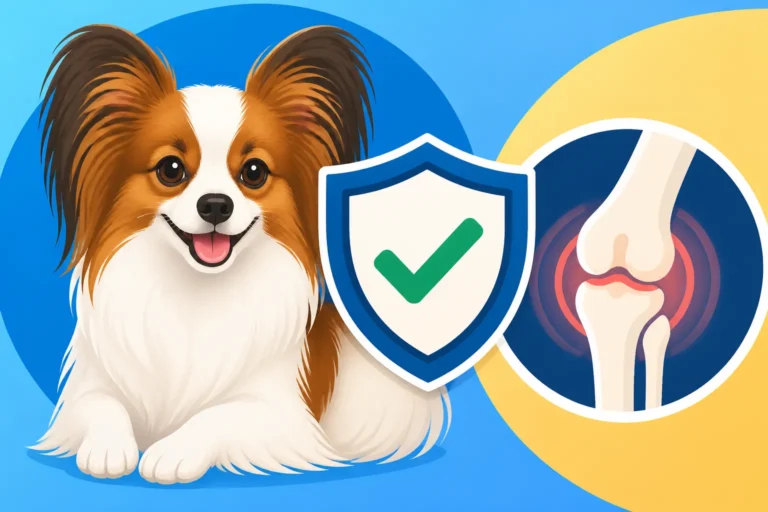
At its core, patellar luxation means the patella (kneecap) dislocates or slips out of the trochlear groove, a shallow groove at the end of the femur (thigh bone). This can happen either medially (towards the inside of the leg) or laterally (towards the outside). For Papillons, medial patellar luxation is by far the most common presentation. When the kneecap slips, it can prevent the leg from extending properly, leading to that characteristic "skip" or limp you might observe. It's an issue that impacts their ability to run, play, and even walk comfortably. What Patellar Luxation Does to a Papillon delves deeper into the mechanical impact on their tiny legs.
The problem isn't always immediately obvious, especially in a dog as stoic as a Papillon. They are incredibly resilient and will often try to hide their pain, continuing to play and engage as best they can. This can make early detection tricky for even the most observant owner. You might notice them sitting awkwardly, struggling to jump onto furniture they once leaped onto with ease, or simply showing a reluctance to use a particular leg after a period of rest. These subtle behavioral changes are often the first clues that something is amiss.
Grading the Severity: When Surgery Becomes Necessary
Vets classify patellar luxation into four grades, from Grade I (mild, occasional slipping) to Grade IV (severe, permanent dislocation). The grade often dictates the recommended course of action. A Grade I luxation might be managed with conservative methods, focusing on weight management and joint supplements, particularly if your Papillon is not showing any pain or lameness. However, once the luxation progresses to Grade II or higher, or if your dog is consistently painful or lame even with a lower grade, surgery usually becomes the gold standard for restoring comfort and function.
The decision to pursue surgery is a big one, fraught with concerns about recovery, anesthesia, and, of course, the financial implications. But delaying necessary surgery, especially for higher grades, can lead to further damage to the joint, including the development of arthritis, which can be much harder to manage long-term. Which Grade of Luxation Needs Fixing in a Papillon offers more specifics on the various grades and their typical prognoses. You want to give your Papillon the best chance at a long, active, and pain-free life, and sometimes, that means intervention.
General Practitioner Versus Board-Certified Specialist: The Right Hands for the Job
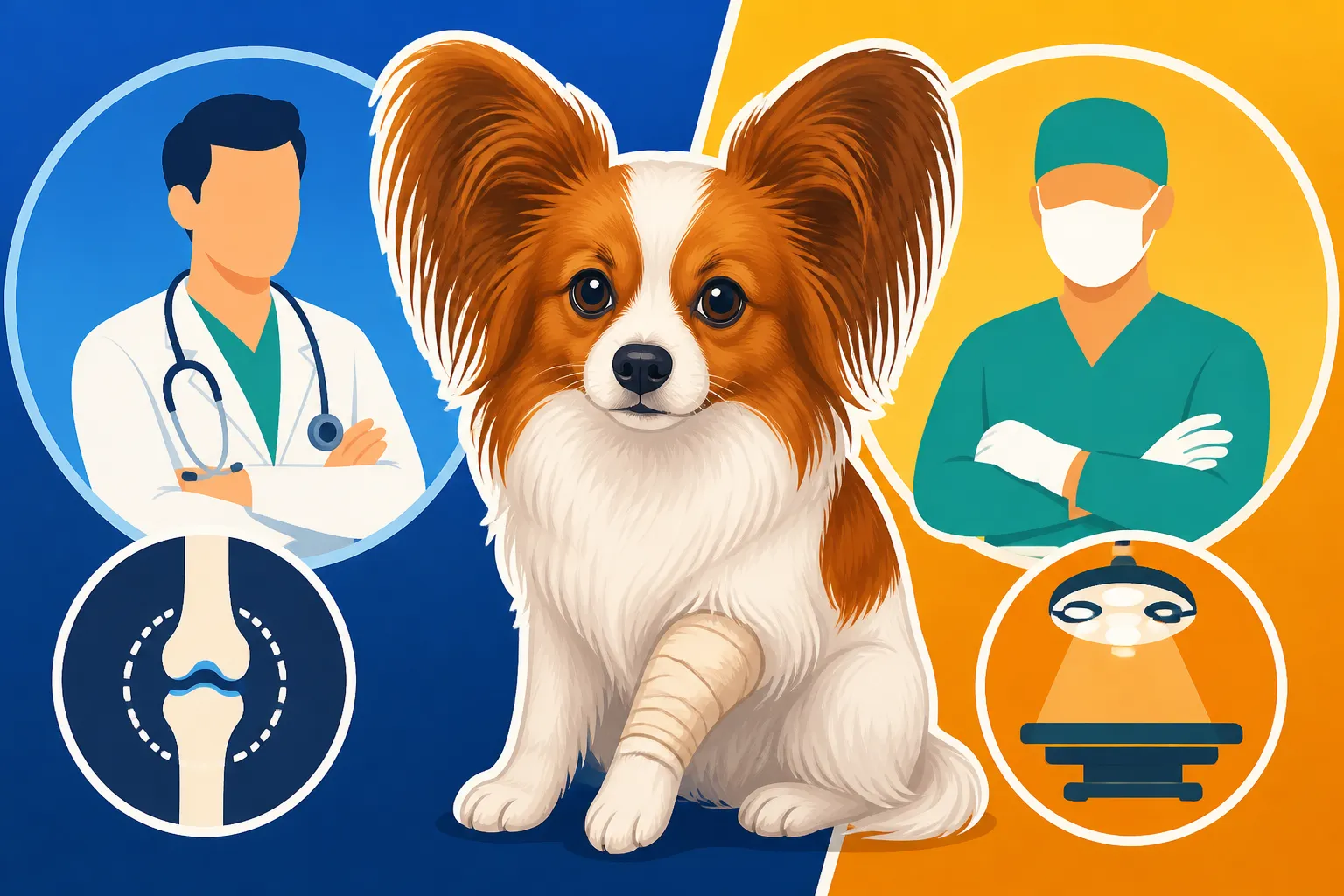
Once surgery is on the table, the next logical question is, who performs it? Your general veterinarian is a wonderful, trusted professional for routine care, vaccinations, and initial diagnoses. However, orthopedic surgery, especially on tiny, delicate joints like a Papillon's knee, is a complex procedure that often benefits greatly from the hands of a board-certified veterinary surgeon.
The Scope of a General Practitioner
Your general vet is your first line of defense and absolutely essential for diagnosing patellar luxation. They will perform a physical exam, manipulate the knee, and often take X-rays to assess the severity and rule out other issues. For very mild cases, or in situations where a specialist isn't immediately accessible, a general practitioner might feel comfortable performing a simpler surgical correction, especially if they have a lot of experience with orthopedic procedures. They can stabilize the knee and help manage immediate post-operative care.
However, it's important to understand the limits of a general practice. While they are highly skilled in a broad range of veterinary medicine, they may not have the same level of in-depth training, specialized equipment, or extensive experience in complex orthopedic reconstructions that a board-certified surgeon possesses. Think of it like a family doctor performing a minor procedure versus a highly specialized orthopedic surgeon performing knee replacement surgery in humans; both are doctors, but their areas of expertise differ significantly. For a tiny Papillon, where every millimeter counts, that specialized knowledge can make all the difference. Whether a Papillon Needs Knee Surgery explains more about the decision-making process for surgery itself.
The Expertise of a Board-Certified Veterinary Surgeon
A board-certified veterinary surgeon has undergone years of additional, rigorous training after vet school, including an internship and a multi-year residency program specifically focused on surgery. They have passed demanding examinations to earn their board certification, signifying a profound level of expertise in surgical techniques, including advanced orthopedics. This means they've seen a wider variety of complex cases, honed their surgical skills on delicate structures, and are intimately familiar with the most current and advanced surgical approaches.
For patellar luxation, a specialist can offer a more nuanced approach. They might use a combination of techniques, such as deepening the trochlear groove, realigning the patellar ligament, and correcting bone deformities (like a bowed femur or tibia) that contribute to the luxation. Their experience allows for more precise execution, which is critical for ensuring the kneecap stays in place long-term and functions correctly. This enhanced precision often translates to a better outcome and a lower chance of needing revision surgery later. When considering the lifetime cost and impact on your dog's quality of life, investing in specialist care often pays dividends.
A good general practitioner will recognize when a case is beyond their scope and will readily recommend a referral. Don't view this as a failure on their part; it's a sign of excellent veterinary care, putting your Papillon's best interest first. They know the value a specialist brings. Many owners find relief knowing their pet insurance, like a plan from Healthy Paws, can help with these substantial specialist costs, making advanced care more accessible.
| Feature | General Practitioner (GP Vet) | Board-Certified Veterinary Surgeon (Specialist) |
|---|---|---|
| Training | 4 years veterinary school, general practice focus | 4 years vet school + 1-year internship + 3-4 year surgical residency |
| Experience | Broad range of general medicine, some common surgeries | Extensive, specialized experience in all types of complex surgeries |
| Equipment | Standard surgical suite, basic orthopedic tools | Advanced surgical equipment, specialized orthopedic instruments |
| Approach | May perform simpler patellar luxation corrections | Offers nuanced, multi-faceted approach for all grades of luxation |
| Complexity | Best for Grade I/II with minimal bone deformity | Ideal for Grade II, III, IV, and cases with significant bone issues |
| Referral | Will often refer complex orthopedic cases | Receives referrals from GPs, provides second opinions |
| Cost (Initial) | Generally lower | Generally higher, reflecting specialized expertise and equipment |
| Outcome | Good for straightforward cases; higher risk for complex | Higher success rate for complex cases, lower revision rate |
Navigating the Specialist Referral: From Diagnosis to Recovery
The process of seeing a specialist might seem a bit daunting at first, but it's a straightforward path designed to provide the best possible care for your Papillon. It typically begins with your primary vet making a formal referral.
The Consultation Process and Diagnostic Work-up
Once your general vet provides a referral, you'll schedule an appointment with a veterinary orthopedic specialist. During this initial consultation, the specialist will conduct a thorough physical examination, often more in-depth than the one performed by your general vet. They'll assess your Papillon's gait, range of motion, and stability of the joint, often feeling for any crepitus or instability. They will likely review any previous X-rays and may recommend additional diagnostics, such as new, specialized radiographs taken at specific angles, or even more advanced imaging like a CT scan. These detailed images allow them to precisely identify the extent of the luxation, any associated bone deformities, and the degree of secondary arthritis present. This comprehensive work-up ensures they have a complete picture before recommending a surgical plan. What a Papillon's Orthopedic Consult Costs can give you an idea of what to expect for this initial visit.
They will discuss the findings with you in detail, explaining the specific surgical techniques they recommend, the expected outcomes, and potential risks. This is your opportunity to ask every question you have, no matter how small. They'll explain why a particular approach is best for your individual Papillon, considering factors like their age, activity level, and the specific anatomy of their knee. Understanding the "why" behind their recommendations is key to feeling confident in the decision.
The Surgical Procedure and Immediate Post-Operative Care
Papillon knee surgery is typically a procedure performed under general anesthesia. Given their small size, special considerations are taken for anesthesia, monitoring, and temperature regulation to ensure their safety. The surgical procedure itself involves carefully correcting the anatomical issues causing the kneecap to slip. This might include:
- Trochlear Wedge or Block Recession: Deepening the groove in the femur where the kneecap sits.
- Tibial Tuberosity Transposition: Moving the attachment point of the patellar ligament on the tibia to a more aligned position.
- Capsular Overlap: Tightening the joint capsule on one side to help stabilize the kneecap.
- Fascial Release: Releasing tight tissues on the side the kneecap is luxating towards.
The specialist will choose the combination of techniques that best addresses your Papillon's unique knee structure. After the surgery, your Papillon will typically stay at the veterinary hospital for a day or two for close monitoring and pain management. The veterinary staff, experienced in post-operative care, will ensure they are comfortable and that the surgical site is clean and healing well. They'll also monitor for any immediate complications. Before discharge, you'll receive detailed instructions on wound care, medication administration, activity restrictions, and signs to watch for. This initial period is critical for laying the groundwork for a successful recovery.
Beyond the Operating Room: Long-Term Care and Prevention
Surgery is a significant step, but it's just one part of your Papillon's journey to a healthy knee. The recovery period and ongoing care are equally important for a successful outcome and preventing future issues.
The Road to Recovery: Rehabilitation and Activity Restrictions
Once your Papillon is home, their recovery journey truly begins. This period requires patience and strict adherence to your specialist's instructions. You'll likely need to administer pain medication and anti-inflammatory drugs, which can be easily ordered from online retailers like Chewy. The most critical aspect is limiting activity. This usually means strict crate rest or confinement to a small, safe area for several weeks. No jumping, no running, no playing with other pets – just short, leashed potty breaks.
Physical rehabilitation often plays a huge role in optimizing recovery. This might involve gentle range-of-motion exercises prescribed by your vet, hydrotherapy (swimming or underwater treadmill), or massage. These therapies help restore muscle strength, improve joint flexibility, and reduce stiffness. Skipping rehab can hinder recovery and may lead to a less optimal outcome. Think of it as physical therapy for people after knee surgery – it's crucial for rebuilding strength and function. How a Papillon Recovers From Knee Surgery provides a more detailed roadmap for this period.
Protecting Those Precious Knees for the Long Haul
Even after a successful surgery and full recovery, ongoing care is vital. Maintaining a healthy weight is perhaps the single most important factor in protecting your Papillon's knees. Every extra ounce puts additional strain on their joints, increasing the risk of re-injury or accelerating the development of arthritis. Services like Ollie, which provide customized, fresh food portions, can be incredibly helpful in managing your Papillon's weight effectively.
Beyond weight, consider modifications to your home environment. Papillons love to jump, but repeated impact from jumping off furniture can stress surgically repaired knees or even perfectly healthy ones. Providing dog ramps or steps for access to sofas and beds can significantly reduce this impact. Whether a Papillon Should Be Stopped From Jumping Off Furniture discusses these considerations further. Ensuring your Papillon's nails are kept short also helps with proper paw placement and weight distribution, reducing strain on the joints.
Finally, regular veterinary check-ups are essential. Your general vet will continue to monitor your Papillon's knee health, checking for any signs of arthritis or changes over time. They can recommend joint supplements, dietary adjustments, or other supportive therapies as your Papillon ages. While patellar luxation surgery has a high success rate, being proactive about lifelong joint health will give your Papillon the best chance at a long, active, and happy life, free from unnecessary discomfort. Whether a Papillon Gets Arthritis From a Slipping Knee explores the long-term joint health implications.
Disclaimer
This article is for general informational purposes only and does not constitute professional advice. Laws, prices and regulations vary by location and change over time. Consult a qualified professional for guidance on your specific situation.