The Price Range for a Papillon Puppy in 2026
Bringing a new Papillon puppy into your life is an incredibly exciting prospect, filled with visions of tiny, intelligent companions fluttering through your home. But before you get lost in dreams of those magnificent butterfly ears, it's crucial to ground yourself in the financial realities of welcoming one of these delightful little dogs. The initial purchase price of a Papillon puppy can vary wildly, and understanding why that range exists, along with anticipating the ongoing costs, is key to being a responsible and prepared owner. This guide will walk you through the many factors that influence how much you can expect to pay for a Papillon, from their first day home to their long, happy life with you.
Understanding the Initial Investment: What Drives a Papillon Puppy's Price?
When you start looking for a Papillon puppy, you'll quickly notice that prices aren't uniform. It's not like buying a loaf of bread where every store sells it for roughly the same amount. Instead, the cost can fluctuate significantly, reflecting a multitude of factors related to the breeder, the puppy's background, and even where you live. This isn't just arbitrary; these variations often directly correlate with the quality of care, health, and ethical practices involved.
The Breeder's Reputation and Practices
A reputable breeder invests a tremendous amount of time, effort, and money into their dogs and their breeding program. This isn't a hobby they do to make a quick buck; it's a passion and a commitment to improving the breed and ensuring healthy, well-socialized puppies. These breeders often participate in dog shows, attend seminars, and are deeply involved with national breed clubs. They maintain clean, safe environments for their dogs, provide excellent nutrition, and ensure their puppies receive early neurological stimulation and proper socialization. All these efforts, while invisible in the final product itself, contribute to a healthier, happier, and better-adjusted puppy, and these costs are naturally factored into the purchase price. Think of it as paying for peace of mind and a solid foundation.
Moreover, a responsible breeder provides ongoing support and will take a dog back at any point in its life if you can no longer care for it. This commitment often involves extensive interviews with prospective owners to ensure a good match, detailed contracts, and sometimes even a waiting list. They're not just selling a puppy; they're placing a beloved family member.
Health Testing and Veterinary Care
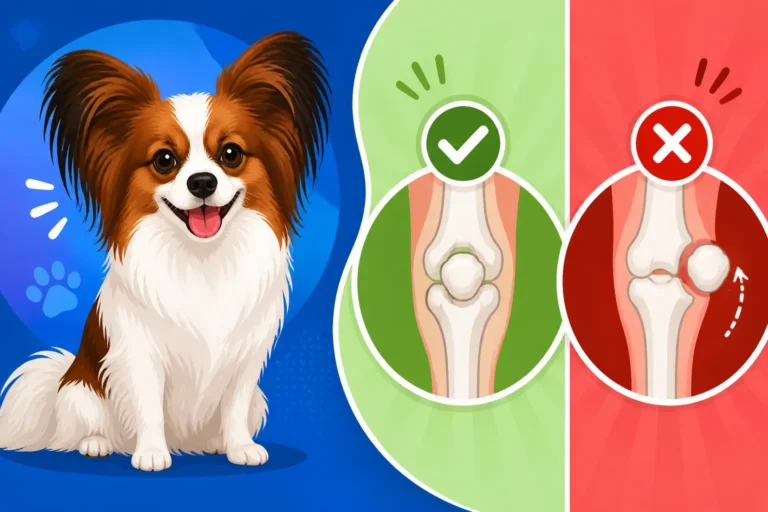
One of the most significant contributors to a higher, but ultimately worthwhile, Papillon puppy price is the comprehensive health testing performed on the parent dogs. Papillons, like all breeds, have certain genetic predispositions. For example, patellar luxation is a common concern in small breeds, and responsible breeders will have their breeding dogs evaluated by a veterinarian certified by the Orthopedic Foundation for Animals (OFA) for sound knees. Similarly, they will test for Progressive Retinal Atrophy (PRA1), a genetic eye condition that can lead to blindness. You'll want to ask Which Health Tests a Papillon Breeder Should Run and if they perform The DNA Test for Papillon Retinal Atrophy.
These tests aren't cheap. Each health clearance, from eye exams by board-certified veterinary ophthalmologists to hip and knee evaluations, adds to the breeder's overhead. However, this rigorous testing drastically reduces the likelihood of passing on hereditary diseases to the puppies, saving you potentially thousands of dollars in vet bills and heartache down the road. A puppy from parents with clear health certifications is a much safer investment in the long run. When you choose a breeder, don't be afraid to ask about their health testing protocols and to see documentation for the parent dogs. This is where the true value lies.
Pedigree, Lineage, and Show Potential
The lineage of a Papillon puppy, often referred to as its pedigree, also plays a substantial role in its price. Puppies from parents who are champions in conformation (dog shows) or high-achieving in performance events like agility often command higher prices. This isn't just about bragging rights; it indicates that the parents embody the breed standard in terms of temperament, health, and physical characteristics. Breeders who invest in showing their dogs incur significant costs in training, travel, entry fees, and professional handling, all of which reflect in the puppies' prices.
Furthermore, a puppy bred with the potential to be a show dog or a future breeding animal itself will typically be more expensive than one sold strictly as a pet. These puppies are often evaluated more rigorously for conformity to the breed standard, down to the set of their ears, the length of their fringe, and their overall structure. While most Papillons are bought as loving companions, the effort to produce outstanding examples of the breed elevates the value of all puppies from such lines. For many, the joy of owning a dog with such a distinguished background and reliable temperament is well worth the extra investment.
Geographic Location and Availability
Believe it or not, where you live can influence the price of a Papillon puppy. In areas with a high demand for a particular breed and fewer reputable breeders, prices might be higher. Conversely, in regions with more breeders, there might be more competition, potentially leading to a wider range of prices. Transportation costs also factor in; if you're acquiring a puppy from a breeder across the country, expect to pay for shipping or the cost of travel to pick up your new companion.
The availability of Papillon puppies also plays a role. Papillons don't have huge litters, and responsible breeders don't breed constantly. This means there might be waiting lists, and limited supply can sometimes influence pricing. However, a higher price due to scarcity is still usually tied back to the quality and ethical practices of the breeder. It's rarely just about simple supply and demand in the same way it might be for a commodity.
Beyond the Puppy Price Tag: Anticipating Ongoing Costs
The initial cost of a Papillon puppy is just the first drop in the bucket. Many new owners, in their excitement, overlook the significant ongoing expenses that come with dog ownership. These aren't hidden fees; they're essential investments in your Papillon's health, happiness, and well-being throughout its long life. Considering Fifteen Years of a Papillon, Priced Out can be a real eye-opener.
Essential Supplies and Initial Setup
Bringing your new Papillon home means setting up their little world. You'll need a crate – a safe den for them, especially during house training. Chew toys are a must to protect your furniture and keep their minds active. Food and water bowls, a comfortable bed, a collar or harness, and a leash are also immediate necessities. Don't forget puppy pads if you plan to use them for house training, and plenty of appropriate treats for positive reinforcement.
You might also consider things like baby gates to puppy-proof areas of your home or ramps and steps to help protect your Papillon's delicate joints from jumping off furniture, especially given their predisposition to issues like patellar luxation. Websites like Chewy offer a vast selection of these items, making it easy to get everything you need delivered right to your door.
Food, Treats, and Nutritional Needs
While Papillons are small dogs and don't eat a huge amount, providing high-quality nutrition is paramount for their health and longevity. The cost of dog food will be a consistent monthly expense. Choosing a premium brand that meets their specific dietary needs (especially as a puppy with potential hypoglycemia concerns or as they age) can make a big difference in their overall health, coat condition, and energy levels. Some owners opt for fresh food delivery services like Ollie, which can be a more significant investment but offers tailored nutrition.
Beyond regular meals, you'll need a steady supply of training treats. Papillons are intelligent and highly food-motivated, so good treats are essential for training sessions. Just remember that their small size means even a tiny amount of extra calories can lead to weight gain, which can exacerbate joint problems. Why a Papillon Is Cheap to Feed and Expensive to Fix is often true, but quality food should never be skimped on.
Veterinary Care: Routine and Unexpected
Regular veterinary care is non-negotiable for a Papillon. Puppies require a series of vaccinations, deworming, and initial health checks. After that, annual wellness exams are crucial for preventive care, including boosters and routine screenings. Parasite prevention, such as flea, tick, and heartworm medication, is another regular cost that protects your Papillon from common illnesses. What a Papillon's Yearly Vet Visit Costs can give you a better idea.
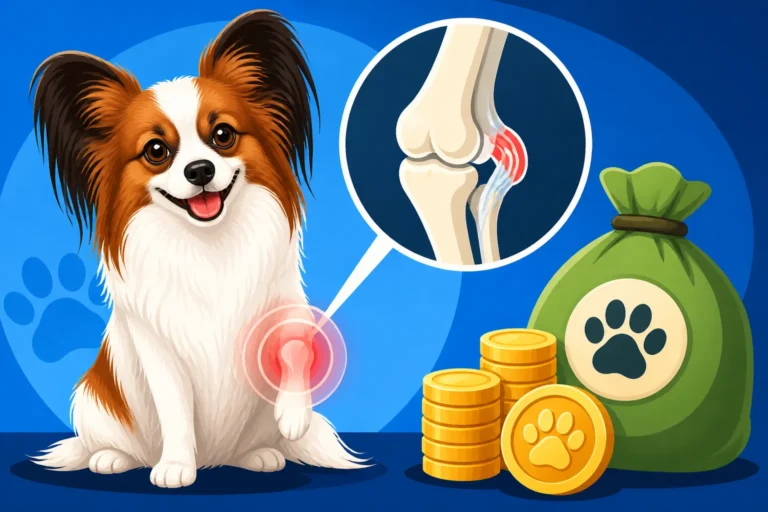
However, the real financial strain can come from unexpected veterinary emergencies or chronic conditions. Papillons, despite being generally healthy, can still encounter issues like dental disease (their tiny mouths are prone to crowding), luxating patellas that might require surgery, or later in life, heart conditions. This is where pet insurance, like plans offered by Healthy Paws, can be an absolute lifesaver. It helps cover a significant portion of unexpected veterinary bills, giving you peace of mind and ensuring you can always provide the best care for your beloved companion without breaking the bank. It's well worth exploring What Insuring a Papillon Costs a Month.
Grooming and Maintenance
While Papillons have beautiful, flowing coats, they are surprisingly low-maintenance compared to many other long-haired breeds due to their single coat (no undercoat). Regular brushing a few times a week will keep mats at bay and their coat shiny. You'll also need to factor in occasional baths, nail trims, and ear cleaning. Many owners learn to do these tasks at home to save money.
However, some prefer professional grooming for convenience or for a polished look, especially if their Papillon is involved in conformation shows. Even if you do most of the grooming yourself, you'll still need to purchase quality brushes, combs, shampoo, and nail clippers. Don't forget to regularly check and clean their butterfly ears to prevent infections, as the long fringe can sometimes trap moisture or debris.
Making an Informed Decision: Where to Find Your Papillon
Deciding where to acquire your Papillon is just as important as understanding the costs. Your choice of source can significantly impact the initial price, the health, and the temperament of your puppy, as well as the support you receive throughout its life.
Reputable Breeders vs. Other Sources
As we've discussed, a reputable breeder will likely have a higher initial price tag, but this investment often pays dividends in the form of a healthy, well-socialized puppy with a solid genetic background. They are transparent about their practices, eager to answer questions, and committed to the lifelong welfare of their dogs. When considering a breeder, ask about health testing, parent dogs, socialization practices, and their contract. Don't fall for "bargain" prices that might hide neglect or unethical breeding practices.
On the flip side, you might encounter puppies advertised online, in pet stores, or through "backyard breeders" who don't conduct health testing, breed for profit without regard for genetic health, or provide adequate socialization. While these puppies might seem cheaper upfront, they often come with significant risks, including genetic health issues, behavioral problems, and lack of support, which can lead to substantial veterinary bills and emotional stress down the line. What a Cheap Papillon Puppy Signals is a critical read if you're tempted by low prices.
The Option of Adopting From Rescue
Adopting a Papillon from a breed-specific rescue organization or a general shelter is a wonderful and often more affordable alternative. The adoption fee for a rescue Papillon is typically much lower than buying from a breeder and usually includes comprehensive veterinary care such as spaying/neutering, vaccinations, microchipping, and often even dental work. Many rescues also temperament test their dogs and can provide insights into their personality, making it easier to find a good match for your home.
While rescue dogs might not come with the same detailed health history as a puppy from a reputable breeder, many rescue organizations are thorough in their vetting and transparent about any known issues. Adopting an adult Papillon can also bypass some of the intense puppy stage challenges, like house training. You might be surprised at Why Papillons Come Into Rescue, and often it has nothing to do with their inherent qualities.
What "Bargain" Prices Can Really Mean
It's tempting to seek out the lowest price when looking for a puppy, especially with the rising cost of living. However, with Papillons, a suspiciously low price is almost always a red flag. These "bargain" puppies often come from puppy mills or irresponsible breeders who cut corners on health testing, proper nutrition, early socialization, and veterinary care for the parents and puppies. The immediate savings can quickly be dwarfed by future expenses.
Puppies from these sources are at a higher risk for genetic diseases, parasites, and behavioral issues due to poor breeding practices and inadequate early care. Imagine bringing home a puppy only to face major veterinary surgeries for conditions like severe patellar luxation or dealing with chronic health problems. These situations can quickly turn a "cheap" puppy into an incredibly expensive and heartbreaking endeavor. It's often far better to pay a fair price for a well-bred, healthy puppy from a responsible source or to adopt from a reputable rescue, knowing that you're starting your journey with your Papillon on the best possible footing. Investing in quality upfront almost always saves you money and heartache in the long run.
Comparative Overview: Papillon Acquisition Options
To help visualize the differences, here's a general comparison of factors you might encounter when acquiring a Papillon. Remember, these are broad strokes, and individual situations can vary.
| Factor | Reputable Breeder | Breed-Specific Rescue | Pet Store / "Backyard Breeder" |
|---|---|---|---|
| Initial Cost | Higher | Lower to Moderate | Low, but often misleading |
| Health Testing | Extensive on parents, documented, genetic clearances | Varies; often includes vet check, spay/neuter | Minimal or none, not transparent |
| Vaccinations/Vet Care | Initial shots, vet checked | Up-to-date upon adoption, spay/neuter | Often minimal, may not be current |
| Temperament/Socialization | Excellent, early handling, diverse exposure | Varies, often assessed by foster, may need work | Unknown, often poor |
| Genetic Predisposition | Reduced risk due to testing | Unknown or managed as needed | High risk, likely unchecked |
| Support | Lifetime breeder support, take-back guarantee | Ongoing support, community | Little to none |
| Age of Dog | Puppy (usually 10-12 weeks) | Often adult, sometimes puppies | Puppy |
| Health Guarantee | Standard practice, often covers genetic conditions | Varies | Unlikely or very limited |
| Wait Time | Often a waiting list | Varies, can be immediate or involve a wait | Immediate availability |
This article is for general informational purposes only and does not constitute professional advice. Laws, prices and regulations vary by location and change over time. Consult a qualified professional for guidance on your specific situation.