Why a Tested Papillon Litter Costs More
Many prospective Papillon owners are understandably taken aback when they see the price tag on a puppy from a reputable, health-tested litter. It’s a common frustration, feeling like you’re being asked to pay a premium without a clear understanding of why. This guide aims to demystify that cost, explaining precisely how extensive health testing contributes to a higher, but ultimately invaluable, purchase price for your future companion.
The Foundation of Health: Essential Genetic and Physical Screenings
Bringing a Papillon puppy into your life is a significant commitment, and an ethical breeder understands that this journey begins long before the puppies are even conceived. They invest heavily in health screenings for their breeding dogs, not just to meet minimum standards, but to actively work towards improving the breed and ensuring the healthiest possible start for every puppy. This isn't just a formality; it's a deep dive into the genetic blueprint and physical soundness of the parent dogs.
DNA Testing for Hereditary Conditions
One of the most crucial aspects of responsible Papillon breeding involves DNA testing for specific hereditary conditions known to affect the breed. These tests can identify carriers or affected dogs for diseases that might otherwise blindside an unsuspecting owner years down the road. For Papillons, this often includes screening for Progressive Retinal Atrophy (PRA1) and Neuroaxonal Dystrophy (NAD).
PRA1, for example, is a condition that leads to eventual blindness, often starting with night vision loss. A simple cheek swab can tell a breeder if their dogs carry the gene responsible for The Papillon Type of Progressive Retinal Atrophy and the CNGB1 Gene. By testing both parent dogs, breeders can ensure they don't produce puppies affected by this heartbreaking condition. Similarly, Neuroaxonal Dystrophy is a devastating neurological disorder with no cure, and DNA testing is the only way to prevent it from appearing in a litter. Knowing if a dog is a carrier is vital information for any responsible breeding program, especially since Neuroaxonal Dystrophy in a Papillon Puppy can be so severe. These tests eliminate much of the guesswork and heartbreak that can come from breeding or buying an untested animal.
Orthopedic and Ophthalmic Examinations
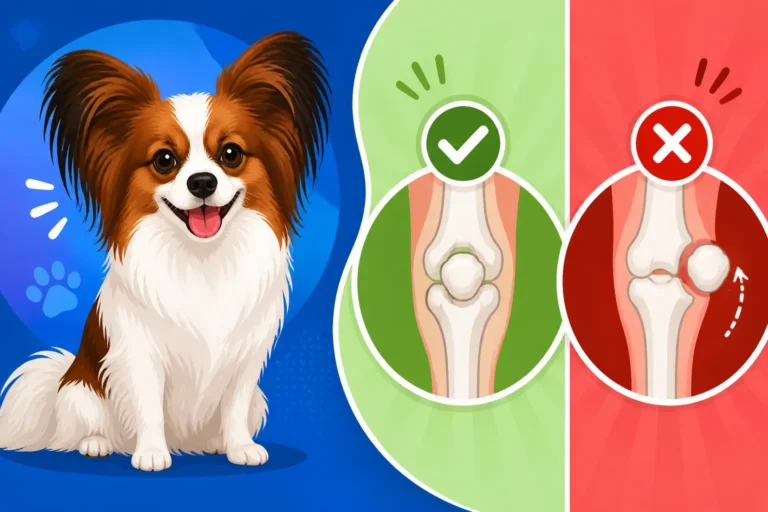
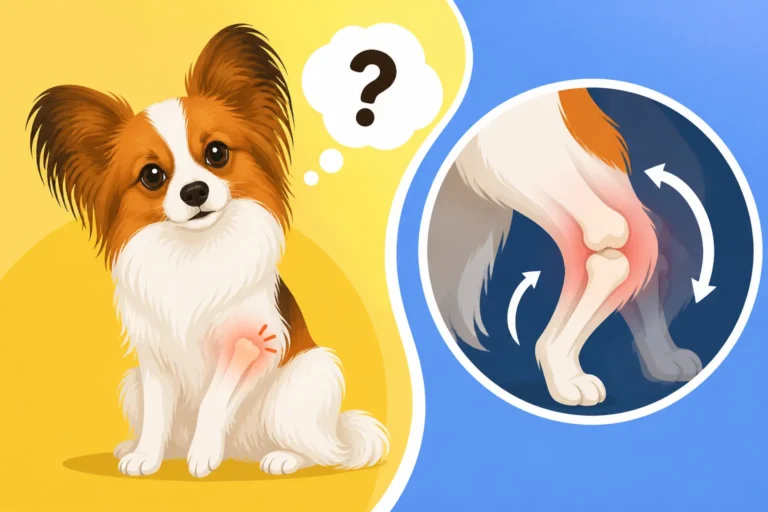
Beyond DNA tests, physical examinations by veterinary specialists are paramount. Papillons, like many small breeds, are prone to certain orthopedic issues, most notably patellar luxation. This condition, where the kneecap slips out of place, can range from mild to severe, often requiring costly surgery. Reputable breeders will have their breeding dogs' knees examined and certified by the Orthopedic Foundation for Animals (OFA) or a similar registry. This helps ensure that dogs with significant patellar issues are not bred, reducing the likelihood that puppies inherit this structural problem. You really don't want to meet Patellar Luxation Is the Papillon Problem You Will Actually Meet firsthand.
Furthermore, comprehensive eye examinations, often performed by a certified veterinary ophthalmologist, are essential. These aren't just quick glances but thorough evaluations to rule out various eye conditions, including those not covered by a specific DNA test. Regular eye certifications are crucial because even healthy-looking parents can sometimes carry subtle issues. These expert assessments provide a clear picture of the breeding dog's overall eye health, adding another layer of confidence in the health of their offspring. It's not just about what genes they carry; it's about their physical condition too. You might want to consider Whether a Papillon Needs a Yearly Eye Exam even after purchasing a healthy puppy.
Beyond the Test: The Breeder's Commitment to the Breed
The investment in a health-tested Papillon litter extends far beyond the cost of individual diagnostic procedures. It reflects a breeder's comprehensive commitment to the well-being of the breed as a whole, focusing on careful selection, responsible mating, and providing an exceptional start to life for every single puppy. This isn't a quick or easy process; it's a dedication spanning years and generations.
Ethical Breeding Practices
An ethical breeder doesn't just randomly pair dogs. They meticulously research pedigrees, evaluating not only the health test results of the immediate parents but also those of ancestors, siblings, and offspring. The goal is to make informed decisions that actively reduce the incidence of hereditary diseases within the breed. For instance, even if a dog is a carrier for a recessive genetic condition like PRA1, it can still be bred responsibly if it is paired with a clear dog, ensuring no affected puppies are produced. The breeder understands How PRA1 Is Inherited in Papillons and uses that knowledge.
This thoughtful approach often means breeders must limit how often a female dog is bred, giving her ample time to recover between litters. It also involves carefully planning each mating, sometimes traveling significant distances to find the perfect stud dog with compatible health clearances and complementary traits. This level of planning and responsibility is time-consuming and costly, but it's what ensures the long-term health and vitality of the Papillon. It’s also why asking What a Papillon Breeder Should Have Tested is so important.
Early Puppy Care and Environment
Once a litter arrives, the breeder's work shifts to providing an optimal environment for growth and development. This includes top-tier nutrition for the mother and puppies, often premium foods that support healthy development. High-quality food choices, readily available through retailers like Chewy, are standard for responsible breeders, ensuring the puppies get the best start. The puppies receive consistent veterinary care, including initial health checks, deworming, and vaccinations appropriate for their age.
Beyond physical health, ethical breeders prioritize early socialization. Puppies are exposed to a variety of sights, sounds, textures, and gentle human interaction. They learn bite inhibition from their littermates and receive early lessons in manners. This intensive, hands-on care for several weeks—usually until 10-12 weeks of age—is critical for developing well-adjusted, confident, and resilient adult dogs. This foundational care, provided before a puppy even goes home, is a significant part of the breeder's investment and contributes to the overall cost.
The True Cost of a Healthy Start: Understanding the Investment
When you see the price difference between a backyard breeder's puppy and one from a health-tested litter, it can feel substantial. However, breaking down the actual expenses incurred by a responsible breeder reveals that the higher cost isn't arbitrary; it's a reflection of genuine investment in the puppy's future health and well-being. This investment is shared in the purchase price, but it pays dividends for years to come.
The Direct Costs of Testing and Certification
Let's talk specifics. Each DNA test for conditions like PRA1 or Neuroaxonal Dystrophy incurs a laboratory fee. These aren't one-time costs for the entire breeding program; each breeding dog must be tested. Then there are the costs associated with specialized veterinary exams. An OFA patellar luxation evaluation requires a vet visit and specific documentation. Eye certifications, performed by a board-certified veterinary ophthalmologist, involve their professional fees, which can be considerable. These aren't your routine vet checkups; they are specialized consultations with experts.
Beyond the tests themselves, there are often fees for registering results with official databases like the OFA or Canine Health Information Center (CHIC). These registries provide public access to health clearances, demonstrating transparency and accountability. A breeder might also factor in travel expenses to bring their dogs to specialist veterinarians, especially if they live in a rural area. All these individual costs add up quickly, becoming a substantial financial outlay long before the puppies are even conceived, let alone ready for their new homes. The cost of The DNA Test for Papillon Retinal Atrophy is a small piece of this puzzle.
The Value Proposition: Long-Term Savings and Peace of Mind
While the upfront cost of a health-tested Papillon puppy is higher, it represents a significant long-term investment in your dog's health and your own financial and emotional well-being. Consider the alternative: purchasing an untested puppy that later develops a costly hereditary condition. Suddenly, that initial "saving" evaporates, replaced by thousands of dollars in veterinary bills for surgeries, medications, and ongoing treatments. For example, What Patellar Surgery Costs on a Papillon can easily dwarf the difference in puppy prices.
By choosing a puppy from a health-tested litter, you significantly reduce the risk of encountering these devastating and expensive issues. This peace of mind is invaluable. Even with the best breeding practices, no dog is immune to all health problems, but a tested lineage dramatically lowers the odds for preventable genetic conditions. Many owners opt for pet insurance, such as policies offered by Healthy Paws, to further protect against unforeseen illnesses or accidents. However, a puppy from health-tested parents means a greater chance of fewer claims for preventable conditions. Thinking about What a Papillon Costs Over Its Lifetime really puts the initial investment into perspective. Quality nutrition also plays a role in long-term health; brands like Ollie offer tailored food plans that contribute to a dog's overall well-being.
Avoiding the Pitfalls: What an Untested Litter Might Cost You
It's tempting to opt for a cheaper puppy, especially when faced with the sticker shock of a responsible breeder's price. However, this seemingly economical choice often carries hidden costs that can far outweigh any initial savings, both financially and emotionally. Choosing an untested litter is a gamble, and the stakes are incredibly high.
The Hidden Expenses of Undiagnosed Conditions
Imagine bringing home an adorable Papillon puppy, only to find within a year or two that it's struggling with a severe case of patellar luxation. This isn't just a minor limp; it can be painful and debilitating, requiring expensive orthopedic surgery, followed by rehabilitation. If both knees are affected, the costs can double. Or perhaps your dog starts bumping into furniture at night, and after extensive veterinary visits, you discover it has PRA1, leading to progressive blindness. These are not just financial burdens; they are heartbreaking experiences for any dog owner.
These are the hidden expenses of an untested litter. The initial lower purchase price doesn't account for specialist consultations, diagnostic imaging (X-rays, MRIs), medication, surgeries, or ongoing supportive care. Many pet insurance policies, while a great safety net, often have waiting periods or exclusions for pre-existing or congenital conditions if not documented early. This means if you buy a puppy with an underlying genetic predisposition that manifests later, your insurance might not cover it. You might end up spending more on veterinary care for your dog's Dental Work Over a Papillon's Long Life than you saved on the initial puppy price, and that's just for one common issue.
The Emotional Toll
Beyond the financial strain, there's the profound emotional toll that comes with caring for a chronically ill or disabled pet. Watching your beloved companion suffer, or having to make difficult decisions about their quality of life, is an immense burden. The joy and excitement of bringing a new puppy home can quickly turn into stress, worry, and sadness. This is a reality many owners face when they unknowingly purchase a puppy from a breeder who did not prioritize health testing.
Responsible breeders are striving to eliminate this heartache. By doing the due diligence with genetic and physical screenings, they are trying to ensure that the puppies they produce are not only physically sound but also set up for a long, happy, and healthy life with their new families. The slightly higher cost upfront is a testament to this effort, offering a significantly lower risk of heartache and massive vet bills down the line. It's an investment in a future filled with healthy, joyful companionship, rather than unexpected medical challenges.
Disclaimer
This article is for general informational purposes only and does not constitute professional advice. Laws, prices and regulations vary by location and change over time. Consult a qualified professional for guidance on your specific situation.