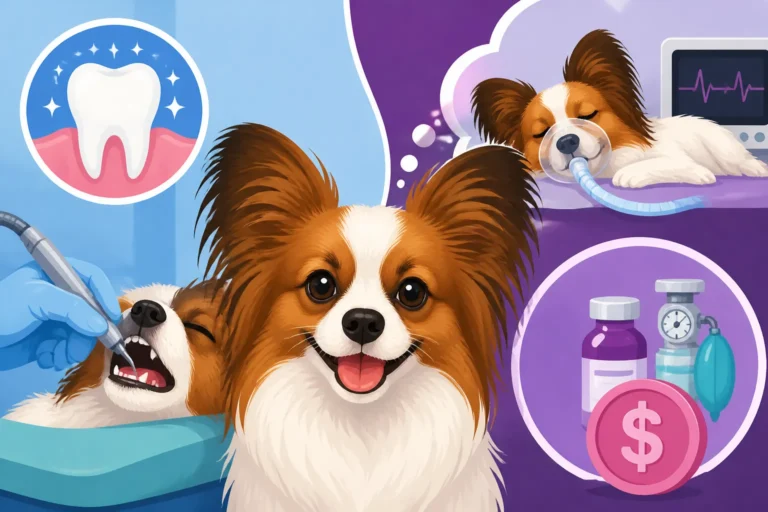
Why a Papillon Is Cheap to Feed and Expensive to Fix
Bringing a Papillon into your life is an incredible joy, but like all small dogs, they come with their own unique set of financial realities. Many prospective owners assume that a tiny dog means tiny bills across the board, only to find themselves surprised by the unexpected expenses. This comprehensive guide will pull back the curtain on the actual cost of Papillon ownership, explaining why their daily feeding costs are delightfully low, while certain medical needs can lead to surprisingly hefty veterinary bills.
The Daily Budget: Why Papillons Are Surprisingly Economical to Feed
One of the most appealing aspects of Papillon ownership, especially for those mindful of their budget, is how little they eat. These dainty dogs have small stomachs and efficient metabolisms, meaning their daily food intake is significantly less than that of a larger breed. This isn't just a minor difference; it truly adds up over the course of a year, making their food bill one of the lowest among all dog breeds.
Tiny Tummies: Small Portions, Big Savings
Imagine the sheer volume of kibble or fresh food a Golden Retriever or a German Shepherd consumes in a day. Now, picture that against the scant half-cup or so a typical adult Papillon might eat. This direct comparison highlights the immediate savings you'll see on food expenses. Even if you opt for premium, high-quality dog food, which I always recommend for their health, the smaller quantity needed means your monthly outlay remains quite modest. You get to provide top-notch nutrition without breaking the bank.
This reduced consumption also translates to less frequent trips to the pet store or fewer online orders. A large bag of quality kibble, which might last a bigger dog a mere few weeks, could easily sustain a Papillon for two to three months, sometimes even longer. This convenience, coupled with the cost savings, makes the Papillon a wonderfully budget-friendly companion when it comes to their primary dietary needs. You might find yourself stocking up on essentials from places like Chewy, knowing that your purchases will stretch far.
Even with fresh food diets, which often come at a higher price point per pound, the small portion size for a Papillon keeps the cost manageable. Services like Ollie, which deliver pre-portioned fresh meals, become surprisingly accessible for small breeds like the Papillon. You're giving them human-grade nutrition without the massive expense that would come with feeding a larger dog the same diet. It’s a win-win: superior food for a healthier dog, at a price that doesn’t induce sticker shock every month.
Efficient Metabolism and Diet Choices
Papillons, like many small breeds, tend to have a higher metabolism relative to their size, but their overall caloric needs are still low. This means they effectively utilize the nutrients they consume, and overfeeding can quickly lead to weight gain, which is detrimental to their delicate joints. A diet carefully balanced for small, active dogs ensures they get everything they need without excess.
When selecting food, focus on quality ingredients. Look for formulas specifically designed for small breeds, as the kibble size is often more manageable for their tiny jaws, and the nutrient density is optimized for their metabolic rate. Avoiding fillers and opting for whole protein sources will contribute to their overall health and energy levels, preventing many diet-related issues down the line.
While commercial kibble is the most common choice, some owners explore raw or home-cooked diets. If considering these options, it's crucial to consult with a veterinary nutritionist to ensure complete and balanced meals. Improperly balanced diets, especially for a small dog, can lead to serious health problems. However, again, the smaller quantities make these more involved dietary choices less daunting from a cost perspective than they would be for a larger dog.
Treats and Extras: Keeping Indulgences Reasonable
Every dog owner loves to spoil their furry friend with treats, and Papillons are no exception. Their intelligence and eagerness to please make them fantastic candidates for positive reinforcement training, which often involves a lot of small, tasty rewards. The good news is that, once again, the "small dog" factor works in your favor.
You'll find that a single bag of training treats, often designed for larger dogs, will last an astonishingly long time with a Papillon. You can also break larger treats into tiny pieces, stretching your supply even further. This allows you to be generous with praise and rewards during training sessions or just for everyday good behavior, without constantly needing to restock your treat pantry.
Beyond treats, think about dental chews and recreational chews. While Papillons have The Teeth in a Papillon's Small Jaw that require diligent care, many dental chews are available in sizes perfect for their tiny mouths. Again, the smaller size means less product used, extending the life of your purchases. Just be mindful of caloric intake from treats to avoid obesity, which can put undue stress on their Patellar Luxation Is the Papillon Problem You Will Actually Meet.
The Hidden Costs: Understanding Potential Health Expenses
Here's where the narrative shifts. While feeding a Papillon is light on the wallet, ignoring their potential health vulnerabilities can lead to significant and often unexpected veterinary bills. Small dogs are not necessarily healthier; they simply have different predispositions. Being aware of these common issues and budgeting for their prevention and treatment is crucial for responsible Papillon ownership.
Patellar Luxation: The Most Common Orthopedic Concern
Without a doubt, one of the most frequently encountered health issues in Papillons is patellar luxation, or a slipping kneecap. This condition, where the patella (kneecap) moves out of its normal groove, is unfortunately common in many toy breeds due to their bone structure and genetics. It can range in severity from a mild, occasional skip in their step to constant pain and lameness requiring surgical intervention.
The costs associated with patellar luxation can escalate rapidly. Initial diagnosis involves veterinary examination, X-rays, and potentially referral to an orthopedic specialist. If surgery is recommended, which is often the case for more severe grades, you're looking at a significant investment. This includes pre-surgical bloodwork, anesthesia, the surgical procedure itself, pain medication, and post-operative rehabilitation. The recovery period can be lengthy, sometimes involving strict rest and physical therapy to ensure a good outcome. For a deeper dive into these costs, you might want to read What Patellar Surgery Costs on a Papillon.
While not every Papillon will develop severe luxation, a responsible owner needs to be prepared for this possibility. Early detection and management, even for milder cases, can help prevent the condition from worsening. Discussing this with your veterinarian and maintaining a healthy weight for your Papillon are important preventative steps. If you're looking at adopting, understanding a dog's orthopedic history is key.
Dental Disease: A Silent Wallet Drainer
Small dogs, Papillons included, are notoriously prone to dental disease. Their tiny jaws often lead to crowded teeth, which create perfect crevices for food particles and bacteria to accumulate, quickly forming plaque and tartar. This isn't just about bad breath; untreated dental disease can lead to painful infections, tooth loss, and even systemic health issues as bacteria from the mouth enter the bloodstream, affecting organs like the heart and kidneys.
Regular professional dental cleanings under anesthesia are often necessary throughout a Papillon's life, sometimes annually or every other year, starting relatively young. Each cleaning involves anesthesia, scaling, polishing, and potentially extractions of diseased teeth, all of which contribute to the bill. You can learn more about this by checking out Dental Work Over a Papillon's Long Life and What a Papillon's Annual Dental Costs. These procedures are vital for your dog's comfort and long-term health, but they are not inexpensive.
Proactive home dental care, such as daily brushing, can significantly reduce the frequency and severity of professional cleanings. However, even with the best home care, most Papillons will still require veterinary dental attention periodically. This is an unavoidable cost of ownership for the breed, and budgeting for it from the start is wise.
Progressive Retinal Atrophy: Preparing for Potential Eye Care
Another hereditary condition to be aware of in Papillons is Progressive Retinal Atrophy (PRA). Specifically, the Papillon Type of Progressive Retinal Atrophy and the CNGB1 Gene is a well-documented concern. This is a genetic eye disease that causes the gradual degeneration of the retina, eventually leading to blindness. While often slower-progressing than some other forms of PRA, it's a condition that demands awareness and potential planning.
While there's currently no cure for PRA, understanding the genetics and being aware of the signs is important. If your Papillon is diagnosed, you'll want to consult with a veterinary ophthalmologist for confirmation and guidance. This might involve specialized eye exams, ERG testing, and genetic testing to understand the specific type of PRA. These specialist consultations and diagnostic tests can add to your vet bills, even if direct treatment isn't an option.
Preparing for a blind dog also comes with indirect costs, such as modifications to your home, increased need for safety measures, and potentially more frequent vet visits to monitor overall eye health and comfort. Early screening by a reputable breeder, who should have tested for this condition, can greatly reduce the risk, but it’s always a possibility to keep in mind, especially as your Papillon ages.
Other Health Considerations
While patellar luxation, dental disease, and PRA are among the most common, Papillons can be susceptible to other health issues that might require expensive interventions. Like all small dogs, they can be more sensitive to Anesthesia and a Five Pound Papillon, which means careful pre-operative screening and monitoring are essential, adding to the cost of any surgical procedure. They can also experience conditions like hypoglycemia as puppies, though most outgrow it.
Other potential issues, though less common, can include heart conditions such as mitral valve disease, particularly in older dogs. Diagnosing and managing heart disease often involves cardiac ultrasounds, ongoing medications, and regular check-ups with a veterinary cardiologist. These specialized visits and long-term prescriptions can become a significant part of your budget as your Papillon ages, especially when you are Caring for a Papillon Past Eleven.
Being prepared for the unexpected is key. A responsible Papillon owner needs to be vigilant about changes in their dog's behavior, appetite, or mobility, and be willing to seek veterinary attention promptly. Ignoring symptoms to save money in the short term often leads to more severe conditions and even higher treatment costs later on.
Navigating Veterinary Bills: Strategies for Preparedness
Given the potential for significant health expenses, it’s not enough to simply acknowledge that Papillons can be expensive to fix. You need a proactive strategy to manage these costs. Thinking ahead about how you'll handle unexpected vet bills can save a lot of stress and ensure your beloved companion receives the best possible care when they need it most.
The Importance of Regular Wellness Checks
One of the best "investments" you can make for your Papillon's health and your wallet is consistent preventative care. Regular annual or semi-annual wellness exams with your veterinarian allow for early detection of potential problems. Catching issues like dental disease or early signs of patellar luxation before they become severe can lead to less invasive and less costly treatments.
During these visits, your vet will perform a thorough physical examination, discuss diet and exercise, and recommend appropriate vaccinations and parasite prevention. They can also address any subtle changes you've noticed in your Papillon that might indicate an underlying problem. This routine care is the foundation of a long, healthy life and helps to mitigate the risk of sudden, expensive emergencies.
Think of it like car maintenance; regular oil changes and check-ups prevent major breakdowns. Similarly, a Papillon's yearly check-up, while a cost, is significantly less than an emergency surgery. These visits also build a strong relationship with your vet, which is invaluable when a serious health concern does arise.
Emergency Funds: Your Financial Safety Net
Even with the best preventative care and pet insurance, having a dedicated emergency fund for your Papillon is a smart move. Not every unexpected expense is covered by insurance, or you might need to cover a deductible before your policy kicks in. Life happens, and accidents or sudden illnesses can strike without warning.
An emergency fund specifically for pet care allows you to make quick decisions based on your dog's needs, rather than your immediate cash flow. It removes the heartbreaking scenario of having to choose treatment options based on what you can afford at that very moment. The amount in this fund will depend on your comfort level and local veterinary costs, but having several thousand dollars set aside is often recommended for potential major surgeries or emergency care.
This fund isn't just for dramatic emergencies; it can also cover smaller, unforeseen costs like an unexpected medication refill, a sudden bout of gastrointestinal upset requiring a vet visit, or specialized diagnostics that weren't part of a routine check-up. It provides peace of mind that you can always provide for your Papillon.
Pet Insurance: A Lifeline for Unexpected Costs
For many Papillon owners, pet insurance is an absolute game-changer, turning potentially crippling vet bills into manageable monthly premiums. While it's an ongoing cost, the financial protection it offers against major medical expenses is invaluable, especially for a breed prone to orthopedic and dental issues. It can literally be the difference between being able to afford life-saving treatment and facing an impossible decision.
When considering pet insurance, it's crucial to research different providers and policy types. Look for plans that cover accidents, illnesses, surgeries, diagnostics, and potentially even specialist referrals. Some plans offer "wellness riders" that can help with routine costs like annual exams and dental cleanings, which are particularly relevant for Papillons. Companies like Healthy Paws are well-known for their comprehensive coverage, but always read the fine print regarding deductibles, reimbursement percentages, and annual limits.
Be aware that most pet insurance policies do not cover pre-existing conditions. This means it's best to enroll your Papillon when they are young and healthy, before any issues like patellar luxation or early dental disease have been diagnosed. Waiting until a problem arises means it likely won't be covered. While it's an investment, the peace of mind and financial security it provides can be priceless over the How Long a Papillon Lives.
| Expense Category | Typical Papillon Cost Impact | Notes |
|---|---|---|
| Feeding | Very Low | Small portions, even premium food is affordable; long lifespan of food bags. |
| Treats | Low | Treats last a long time; easy to break into smaller pieces. |
| Routine Vet Visits | Moderate | Annual check-ups, vaccinations, parasite prevention; essential for preventative care. |
| Patellar Luxation | High (if surgery needed) | Diagnosis (X-rays, consults), surgery, anesthesia, pain meds, rehab. |
| Dental Cleanings | Moderate to High (recurring) | Anesthesia, scaling, polishing, extractions; often needed annually or biennially. |
| PRA Management | Low to Moderate | Specialist eye exams, diagnostics, potential home modifications; no cure but management. |
| Pet Insurance Premium | Moderate (monthly) | Covers accidents and illnesses (if not pre-existing); crucial for large, unexpected bills. |
| Emergency Fund | Variable (savings) | Crucial for deductibles, non-covered issues, or unexpected medical needs. |
The Lifetime Cost Curve: A Long-Term Perspective
Understanding the cost of a Papillon isn't just about the initial purchase price or the monthly food bill; it's about looking at the entire lifespan of the dog. Papillons are known for their longevity, with many living well into their teens. While this is a wonderful characteristic, it also means a longer period for expenses to accumulate, particularly as they enter their senior years.
Puppyhood to Seniority: Evolving Expenses
The cost curve for a Papillon tends to have peaks and valleys. Puppyhood often involves significant upfront costs: the purchase price of the puppy, initial vaccinations, deworming, spaying or neutering, and basic supplies like a crate, bed, and toys. This first year can be quite an investment, as outlined in What the First Year With a Papillon Costs.
During their active adult years, typically from ages one to eight, costs might stabilize if your Papillon remains healthy. This period often involves routine vet visits, food, treats, and perhaps training classes or agility fees if you're involved in dog sports. It's a relatively predictable time, assuming no major health crises.
However, as a Papillon enters its senior years (around age 10-11), the costs often begin to rise again. Just like humans, older dogs tend to develop age-related conditions. This could include arthritis, heart murmurs, kidney disease, or increased frequency of dental issues. These conditions often require more frequent vet visits, specialized diagnostics, ongoing medications, and potentially dietary changes, all of which contribute to higher monthly expenses. You can learn more about this in Caring for a Papillon Past Eleven.
Quality of Life Investments vs. Purely Medical
It's not just about medical bills. As your Papillon ages, you might make investments to enhance their quality of life. This could mean purchasing orthopedic beds, providing ramps or steps to help them get onto furniture without straining their joints, or even investing in special harnesses for dogs with mobility issues. These aren't strictly medical expenses, but they contribute significantly to their comfort and well-being.
Environmental modifications, such as adding non-slip runners on hardwood floors or ensuring their favorite napping spots are easily accessible, are investments in their long-term health and happiness. These choices reflect a commitment to their well-being throughout their entire life, not just when they're young and robust.
Furthermore, enriching their lives through mental stimulation, even for an older dog, is an important "cost" – not always financial, but in terms of time and effort. Puzzle toys, gentle training sessions, and consistent interaction keep their minds sharp and bodies engaged, which contributes to a higher quality of life and can potentially mitigate some age-related decline.
The Emotional ROI: Beyond the Dollar Signs
While we're discussing the financial aspects, it's impossible to ignore the incredible emotional return on investment a Papillon provides. Their intelligence, loyalty, playful spirit, and unwavering affection are truly priceless. The bond you form with these delightful little dogs is profound, and for many owners, the financial commitment is a small price to pay for the joy and companionship they bring.
When you look at the total cost of ownership over fifteen years or more, it can seem daunting. But breaking it down into manageable chunks, planning for known risks, and being prepared for the unexpected makes it achievable. The love and laughter a Papillon adds to your home far outweigh the numbers on a balance sheet. Ultimately, Whether a Papillon Is Expensive to Own depends on perspective and preparation.
Choosing a Reputable Breeder: Investing Upfront to Save Later
One of the most impactful decisions you'll make in managing the lifetime costs of your Papillon begins even before you bring them home: choosing a reputable breeder. While a puppy from a responsible breeder might have a higher initial price tag, this upfront investment is often a crucial step in saving you significant money and heartache down the road.
Health Testing: Non-Negotiable for Future Health
A hallmark of a reputable breeder is their commitment to extensive health testing of their breeding stock. They won't just tell you their dogs are healthy; they'll provide verifiable proof of health screenings for conditions common in the breed. For Papillons, this specifically includes eye certifications (checking for conditions like PRA) and patella examinations. They should be transparent about the results and willing to discuss the health history of the puppy's parents, grandparents, and even siblings.
Breeder testing helps to minimize the risk of your puppy inheriting debilitating and expensive genetic conditions. While no breeder can guarantee a dog will never develop a health issue, responsible testing significantly reduces the likelihood of conditions like severe patellar luxation or early-onset PRA. This greatly reduces your chances of facing those "expensive to fix" scenarios later on. You can ask "What a Papillon Breeder Should Have Tested" to understand what to look for.
A breeder who cuts corners on health testing might offer puppies at a lower price, but this is a false economy. The money you save upfront on a puppy could easily be dwarfed by vet bills for inherited conditions that could have been screened for. Always ask for documentation and be prepared to wait for a puppy from a breeder who prioritizes health.
Understanding Breeder Contracts and Guarantees
Reputable breeders typically provide a comprehensive contract that outlines their responsibilities and yours. This contract often includes a health guarantee, which might cover certain genetic conditions for a specified period. Understand what this guarantee entails, including what conditions it covers, for how long, and what actions you would need to take if a problem arises.
A good contract will also specify what happens if the puppy needs to be returned for any reason, or if you are unable to keep them at any point in their life. This shows the breeder's lifelong commitment to the dogs they produce. While you hope never to need to invoke a health guarantee, having one provides an extra layer of financial and emotional security.
Don't hesitate to ask questions about the contract. A reputable breeder will be happy to explain every clause and ensure you feel comfortable and informed. This transparency is a key indicator of a responsible breeding program that cares about the welfare of their puppies long after they leave for their new homes.
Everyday Expenses Beyond Food: What Else Adds Up?
While food costs are low for a Papillon, and major health issues can be expensive, there are many other regular expenses that fall in between these two extremes. These day-to-day and routine costs are often overlooked in initial budget planning but are an essential part of responsible Papillon ownership.
Grooming Needs: Simple but Consistent
Many people are intimidated by the Papillon's long, silky coat, assuming it requires extensive professional grooming. The truth is, their single coat, lacking an undercoat, is surprisingly easy to maintain compared to many other long-haired breeds. A quick 15-20 minute brush-out a few times a week, combined with occasional bathing, is usually sufficient to keep them looking their best.
However, "easy" doesn't mean "free." You'll need to invest in quality grooming tools: a good pin brush, a metal comb, and dog-specific shampoo and conditioner. While you can do most grooming yourself at home, some owners opt for professional grooming every few months to keep nails trimmed, ears clean, and sanitary areas neat. This routine maintenance, especially nail trimming, is crucial, as long nails can affect their gait and put stress on their delicate knees. For more info, read How Often a Papillon Needs Brushing.
If you choose to use a professional groomer, factor in the cost of these appointments. While Papillons are small, their delicate nature and need for careful handling mean groomers still charge a fair rate for their time and expertise. This is an ongoing, albeit moderate, expense that contributes to their comfort and hygiene.
Training and Enrichment: Mental Stimulation Isn't Free
Papillons are incredibly intelligent and thrive on mental stimulation. Investing in training classes, whether basic obedience for a puppy or more advanced agility or rally classes for an adult, is an excellent use of your resources. Not only does it build a stronger bond between you and your dog, but it also helps prevent behavioral issues that can arise from boredom or lack of direction.
While the Papillon Is the Smartest Toy Breed There Is, their intelligence needs an outlet. Training classes involve fees, and if you get hooked on dog sports, the costs for classes, seminars, and competition entries can add up. However, these activities are immensely rewarding and contribute significantly to your Papillon's overall happiness and well-being.
Beyond formal classes, you'll want to invest in puzzle toys, chew toys, and other enrichment items to keep their active minds engaged at home. These aren't one-time purchases; toys wear out, get lost, or your dog simply outgrows their interest in certain ones, requiring replacements. While individual items aren't expensive, the cumulative cost over years can be notable.
Supplies and Accessories: The Initial Outlay and Replacements
When you first bring your Papillon home, there's a definite initial outlay for basic supplies. This includes a dog crate, a comfortable bed (or two!), food and water bowls, a collar and leash or harness, and an initial set of toys. These items are essential for setting up a safe and welcoming environment for your new companion.
Over time, some of these items will need replacing. Beds get worn out, crates might need an upgrade as your puppy grows (though Papillons don't grow much!), and toys inevitably get destroyed or lost. Don't forget items like car safety restraints, gates to block off certain areas, or puppy pads if you're house-training.
While these costs aren't as dramatic as a major surgery, they are continuous and necessary for maintaining a comfortable and safe living situation for your Papillon. Factor in a small monthly budget for these miscellaneous supplies, even after the initial rush of bringing your puppy home.
Making Smart Choices: Budgeting for Your Papillon
Owning a Papillon is a long-term commitment, both emotionally and financially. Understanding the potential costs, from their inexpensive food to their potentially costly medical needs, allows you to plan effectively and provide the best possible care throughout their long and happy lives.
Prioritizing Health and Wellness
When budgeting for a Papillon, always prioritize their health and wellness. This means not skimping on quality food, ensuring regular veterinary check-ups, and being prepared for potential medical emergencies. Cutting corners on these essential areas can lead to greater expenses and heartache down the road.
Investing in pet insurance, maintaining an emergency fund, and choosing a reputable breeder are all strategic decisions that ultimately support your Papillon's health and your financial peace of mind. These proactive measures can prevent minor issues from becoming major, expensive problems.
Remember that a healthy Papillon is a happy Papillon, and the joy they bring into your life is immeasurable. Ensuring they receive proper care is an act of love that pays dividends in companionship and unconditional affection.
Balancing Costs with Care
It's natural to want to provide everything for your beloved Papillon, but responsible ownership also means making smart financial choices. While some expenses are non-negotiable, others offer flexibility. For instance, while professional grooming is an option, learning to brush and bathe your Papillon at home can save money without compromising their hygiene.
Similarly, while training classes are excellent, supplementing them with free online resources and consistent practice at home can maximize your investment. Look for quality products that last, rather than constantly replacing cheap items. Every little bit of thoughtful spending adds up.
Ultimately, balancing the delightful affordability of feeding a Papillon with the potential for higher medical costs comes down to education and preparation. With a clear understanding of what to expect, you can confidently welcome a Papillon into your home, knowing you're ready for the full spectrum of their financial needs.
Disclaimer
This article is for general informational purposes only and does not constitute professional advice. Laws, prices and regulations vary by location and change over time. Consult a qualified professional for guidance on your specific situation.