Teaching a Papillon to Weave Between Legs
It’s incredibly rewarding to teach your Papillon new tricks, and few things look as impressive and fun as having your little butterfly weave gracefully between your legs. Many owners feel intimidated by this trick, imagining it requires complex handling or a naturally gifted dog, but I’m here to tell you that with patience, positive reinforcement, and a clear breakdown, almost any Papillon can learn to strut their stuff right through your legs. This guide will walk you through the process, step by step, to help you and your clever companion master this delightful move.
Building the Foundation: Prerequisites and Preparation
Before you even think about getting your Papillon to weave between your legs, you need to lay some solid groundwork. Think of it like building a house – you wouldn't start with the roof, right? The same goes for trick training. Your Papillon needs to understand basic concepts and be comfortable working with you in a focused way.
Establishing Motivation and Focus
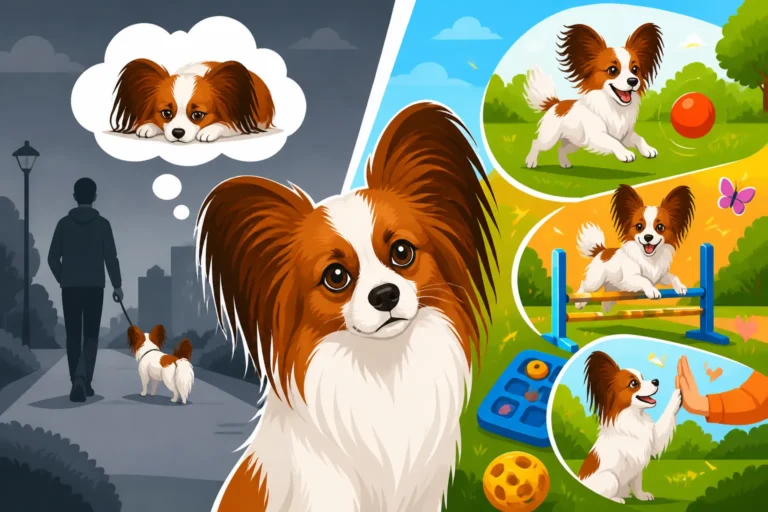
The first and most crucial element is motivation. What does your Papillon absolutely adore? For many Papillons, it’s tiny, high-value treats – think small pieces of cooked chicken, cheese, or specialized training treats. These dogs are often incredibly food-motivated, which works beautifully for positive reinforcement. It's not about bribing them; it's about rewarding desired behavior so they want to offer it again. Some Papillons might prefer a favorite squeaky toy or enthusiastic praise, but for precision tricks like weaving, food usually gives the quickest results. You'll want to find out What Motivates a Papillon to ensure your training sessions are as effective as possible.
Beyond motivation, your Papillon needs to have some level of focus on you, even amidst minor distractions. If your dog is constantly looking around or checking out every little sound, it'll be tough to get them to concentrate on your movements. Start with short, positive training sessions in a quiet environment, gradually introducing more distractions as they gain confidence. This foundation of focus will be invaluable as you progress to more complex behaviors.
Essential Tools and Environment
You don't need a fancy agility course to teach leg weaving, but a few simple tools will make your life a lot easier. A clicker is highly recommended for marking the exact moment your Papillon performs the desired action. The click then signals that a reward is coming, creating a clear communication system. Many find that How a Clicker Lands With a Papillon is very successful due to their intelligence and eagerness to learn. If you're new to clicker training, there are fantastic resources available, including online courses from places like BAXTER & Bella, that can guide you through the basics.
Your training environment should be free of major distractions, especially in the initial stages. A quiet room in your house with enough space for you to walk a few steps comfortably is ideal. Avoid slippery floors, as this can be hard on your Papillon’s delicate joints and make them hesitant to move quickly. A rug or carpeted area is much better. Ensure your pockets are full of those high-value treats, cut into pea-sized pieces, so you can reward quickly and frequently.
Step-by-Step: Guiding Your Papillon Through the Weave
Now for the fun part! We're going to break down the leg weave into tiny, manageable steps, so neither you nor your Papillon gets overwhelmed. Remember, consistency and patience are your best friends here.
Luring the First Few Steps
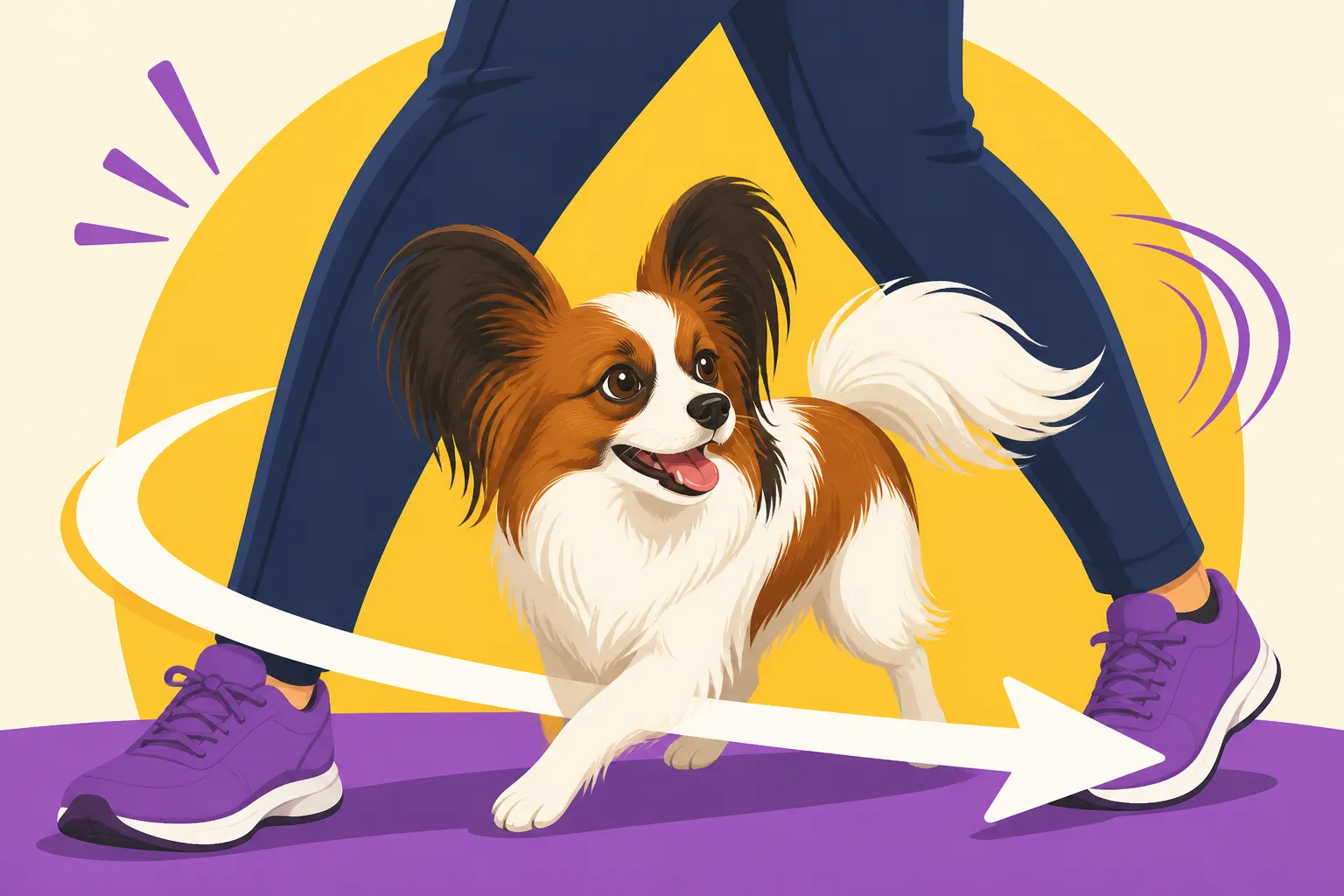
The initial stage involves using a lure (a treat in your hand) to guide your Papillon through your legs. Start with your Papillon in front of you. Hold a treat near their nose and lure them around your right leg, then between your legs, and out the other side. As they pass through, switch the treat hand so it's ready to lure them around your left leg, between, and out the other side. This creates a figure-eight pattern.
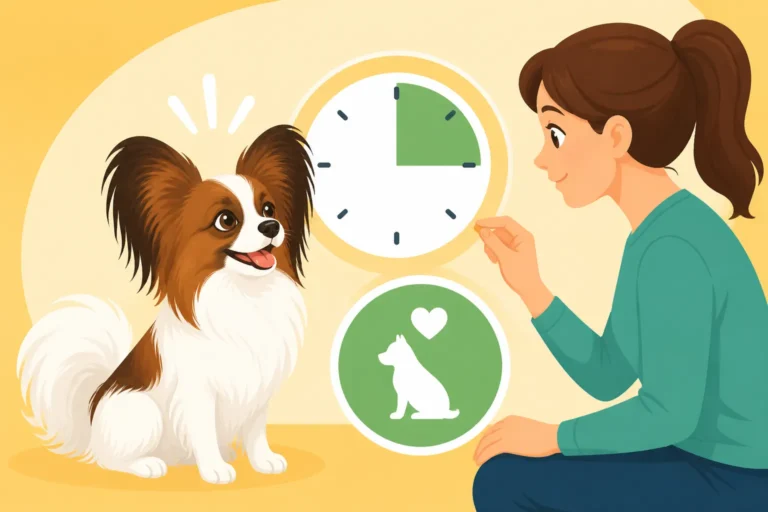
The key here is smooth, continuous movement. Don't stop when they're halfway through; keep the lure moving, so they follow the complete path. As soon as they complete the desired movement (for example, passing through your legs from left to right), click and treat immediately. Repeat this a few times, always moving the lure in a fluid figure-eight. How Short a Papillon's Training Session Should Be is critical here – keep sessions brief, perhaps 2-5 minutes, ending before your dog gets bored.
Adding the Verbal Cue and Fading the Lure
Once your Papillon is consistently following the lure through your legs, it’s time to add a verbal cue. As you begin the luring motion, say your chosen cue, such as "weave" or "legs." Say it once, clearly, and then continue luring. After they complete the movement, click and treat. The goal is for your Papillon to associate the verbal cue with the physical action.
Gradually, start to fade the lure. Instead of holding the treat right at their nose, move your hand slightly away. Your hand motion still guides them, but they're relying less on the visible treat. Eventually, you want your hand to be empty, using just your body language and the verbal cue to direct them. You might start by only having the treat in your hand for the first part of the weave, then hiding it and only producing it for the reward. This teaches them to respond to your cues, not just the lure. Consistency is vital during this phase; avoid rushing.
Introducing Movement and Multiple Weaves
After your Papillon can weave one or two passes between your stationary legs using only your verbal cue and subtle hand signals, it’s time to add movement. Take one small step forward as your Papillon passes through your legs. For example, if your Papillon goes around your right leg and through, take a small step forward with your left leg as they emerge, creating space for them to go around your left leg.
The rhythm is crucial: step, weave, step, weave. Start very slowly, emphasizing smooth, wide steps to give your Papillon ample room. You'll probably need to go back to luring slightly at first when you introduce movement, then fade the lure again. The goal is to build up to a fluid, continuous weave with you walking forward at a comfortable pace. Don't be discouraged if it feels clunky at first; practice makes perfect for both of you.
Here's a quick summary of the progression:
| Stage | Your Action | Papillon's Action | Goal |
|---|---|---|---|
| Luring | Treat at nose, guide through legs in figure-eight | Follows treat | Consistent movement through legs |
| Verbal Cue | Say "weave," then lure | Associates cue with movement | Responds to cue with slight lure |
| Fading Lure | Hand movements replace treat; treat given after click | Responds to hand signals | Performs weave with minimal visible lure |
| Adding Movement | Take small step as Papillon passes through legs | Adjusts to moving legs | Fluid, continuous weave with owner walking |
| Refining & Speed | Increase pace, add duration, introduce minor distractions | Weaves confidently in various settings | Reliable, enthusiastic weave on cue |
Troubleshooting Common Weaving Woes
Even with the clearest instructions, you might hit a snag or two. Don't worry, it's completely normal! Every dog learns at their own pace, and Papillons, despite their sharp minds, can have their own unique quirks. Let's tackle some common issues you might encounter.
Papillon Gets Stuck or Loses Interest
One of the most frequent problems is when your Papillon stops halfway through, looks confused, or just walks away. This often happens because the steps were too big, the rewards weren't exciting enough, or the session was too long. Remember, Papillons are small, and a wide stance from you can feel like a giant canyon to navigate! Keep your legs closer together initially, only widening them as your dog gains confidence.
If they lose interest, re-evaluate your treats. Are they truly high-value? Sometimes, even a favorite treat can get boring if used too often. Switch it up! Also, ensure your training sessions are short and sweet. When to Start Training a Papillon Puppy is usually a good time to introduce short, fun trick sessions to build enthusiasm for learning. End on a high note, even if it's just for one perfect weave. If they seem hesitant, go back a step. Make it super easy for them to succeed, then gradually increase the challenge again. Using a positive reinforcement system like those recommended by BAXTER & Bella can help keep enthusiasm high.
Anticipation and Incorrect Direction
Sometimes, a smart Papillon will start anticipating the next move and might try to cut corners or go the wrong way. This is a sign that they're trying to figure it out, which is great, but we want them to follow our cues. If this happens, slow everything down. Go back to very clear luring for a few repetitions to re-establish the correct path.
Another common issue is that they might only want to go one direction. For example, they always want to go around your right leg first. This is often because of how you initially lured or rewarded. To fix this, intentionally practice starting from the opposite side. Hold the lure to guide them around your left leg first, then switch to your right. Make it clear that both directions are equally rewarding. This helps build a balanced and fluid weave in both directions.
Maintaining Speed and Flow
Once your Papillon understands the basic weave, you might notice they're a bit slow or jerky. This can happen if you're taking very small, hesitant steps or if your luring/cueing isn't fluid. To improve speed and flow, focus on your own body mechanics. Take confident, rhythmic steps. Your arms should swing naturally, guiding your dog without being overtly luring with a treat.
You can also use a "release cue" like "free!" or "okay!" after a few successful weaves, followed by a jackpot of treats or a quick game with a toy. This builds excitement and helps your Papillon understand that speed and enthusiasm lead to bigger rewards. As you become more confident with your own movements, your Papillon will naturally follow suit. Just remember to keep practicing in short bursts to maintain their interest and energy, perhaps picking up some novel, high-value treats from Amazon to keep things fresh.
Elevating the Weave: Advanced Applications and Fun
Once your Papillon is weaving like a pro, there's no limit to how you can incorporate this fun trick into your daily life or even expand it into more complex routines. Papillons are incredibly smart, after all, and they love to show off their skills! You might find that The Papillon Is the Smartest Toy Breed There Is, so don't be afraid to keep challenging them.
Incorporating Weaves into Routines
The leg weave isn't just a standalone trick; it can be a fantastic component of a larger routine. Imagine pairing it with a "spin," a "bow," or even a "figure eight" around objects, not just your legs. You can create a little dance sequence with music, or simply use it as a fun way to navigate around the house.
For instance, you could start with your Papillon weaving through your legs across the living room, then send them to "place" on a mat, do a quick "spin" on the mat, and then call them back for more weaves. The possibilities are endless, and your Papillon will revel in the mental stimulation and attention. This kind of multi-trick routine is excellent for building their confidence and strengthening your bond.
Expanding Beyond Your Legs
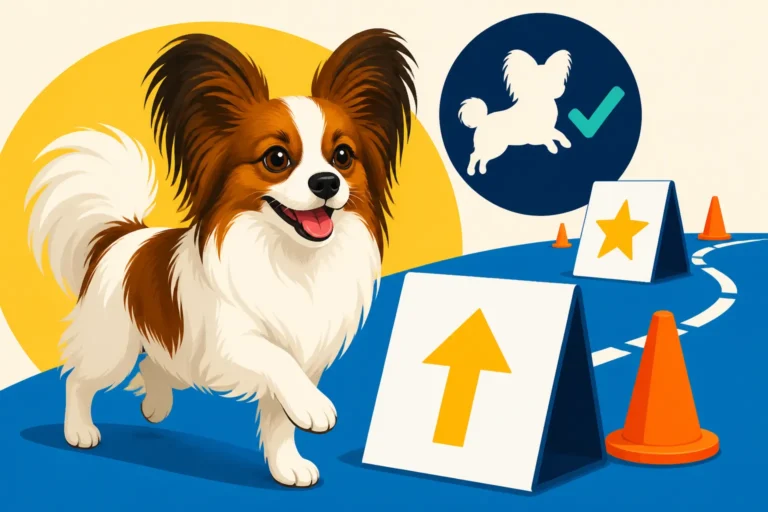
While "weaving between legs" is the core trick, the concept can be expanded. You can teach your Papillon to weave through a line of low-standing cones or even poles, similar to competitive agility weave poles (though be mindful of their small size and joint health, especially when considering anything high-impact like agility). You could even get a set of small training cones from Amazon to practice this.
Start with just two cones, luring them through in a figure-eight, just like you did with your legs. Gradually add more cones, ensuring they understand the serpentine pattern. This takes the trick to a new level and can be a great stepping stone if you ever decide to explore dog sports like canine freestyle or even beginner agility, where many Papillons excel. You might be surprised at How Fast a Papillon Runs a Course once they've mastered their foundational skills.
Showcasing Your Papillon's Talent
Don't underestimate the joy of simply showing off your Papillon's weaving prowess to friends and family. This trick always gets a smile! It’s also a wonderful way to interact with your dog, keeping their mind sharp and their body active. Remember to always keep training positive and fun. If it stops being enjoyable for either of you, take a break.
The true beauty of teaching tricks like the leg weave is the communication it fosters between you and your Papillon. It’s a testament to their intelligence and your patience, and it builds a deeper understanding and trust. So grab those treats, get moving, and enjoy the wonderful journey of learning together!
Disclaimer
This article is for general informational purposes only and does not constitute professional advice. Laws, prices and regulations vary by location and change over time. Consult a qualified professional for guidance on your specific situation.