Whether a Papillon Eats Normally Without Teeth
It’s a heartbreaking sight to realize your precious Papillon might be struggling with tooth loss. You watch them approach their food bowl, perhaps gingerly picking at pieces, or maybe even turning away entirely, and your mind races with worry: Will they ever eat normally again? The thought of our tiny companions enduring discomfort, especially around something as fundamental as mealtime, is a common and entirely valid concern. This guide is here to provide reassurance and practical advice, diving deep into how Papillons cope without their teeth and how you can ensure they continue to thrive and enjoy every single meal.
The Reality of Tooth Loss in Papillons and Its Immediate Impact on Eating
Let's be honest, Papillons are notorious for dental issues. Their delicate, small jaws often mean their teeth are crowded, making them prone to plaque and tartar buildup from a surprisingly young age. So, the question isn't if they'll face dental challenges, but when and to what extent. When severe dental disease takes hold, extractions become a necessary, though often worrying, reality.
Why Papillons Are Prone to Tooth Loss
It's not just about age; it's often a genetic and structural predisposition. Papillons, like many small breeds, have a lot of teeth packed into a very compact space. This crowding creates nooks and crannies where food particles and bacteria can easily hide, leading to rampant plaque accumulation. This isn't a reflection of poor care on your part, but rather a common characteristic of the breed.
One of the biggest culprits is periodontal disease, an infection of the tissues surrounding the teeth. It starts with gingivitis, where the gums become inflamed. If left unchecked, it progresses, eating away at the bone and ligaments that hold teeth in place. Eventually, teeth loosen, become painful, and often require extraction. It’s a silent, insidious process that many owners don't fully realize until their Papillon is already in significant discomfort. This is why regular dental care and professional cleanings are so crucial for this breed. If you're wondering How Common Dental Disease Is in Papillons, know that it's extremely prevalent, affecting a huge percentage of adult dogs. Their small mouths, as explored in articles like The Teeth in a Papillon's Small Jaw, are simply designed in a way that makes them more susceptible.
Beyond periodontal disease, other factors can lead to tooth loss. Trauma, though less common in a house pet, can cause fractures that necessitate extraction. Resorptive lesions, while more often associated with cats, can also occur in dogs and lead to painful tooth destruction. And, of course, simple old age can sometimes mean teeth become weaker or fall out naturally, though this is less frequent than disease-driven loss.
Initial Eating Challenges and Pain Signals
When a Papillon starts losing teeth or has teeth that are severely diseased, eating becomes a painful chore, not a joyous activity. Imagine trying to chew with a throbbing toothache, or trying to pick up tiny pieces of food with sensitive gums. That's often what your Papillon is experiencing.
Initially, you might notice subtle changes. Perhaps they start preferring one side of their mouth, or they chew more slowly. They might drop kibble more frequently, or push it around with their tongue before attempting to eat. Some Papillons become finicky, turning their nose up at food they once adored, simply because it's too painful to eat. Others might refuse hard kibble entirely, opting for softer treats instead. You might even see them gulping food whole, trying to bypass chewing altogether. This is a common defense mechanism, but it can lead to other issues like indigestion.
What’s particularly frustrating for owners is that Papillons are incredibly stoic creatures. They are masters at hiding pain, a trait common in many small breeds. It can be incredibly difficult to tell How a Papillon Hides Pain, and dental discomfort is no exception. They might not whimper or cry, but their eating habits will often tell the tale. A change in appetite or eating style is a huge red flag that something is amiss in their mouth. It’s critical to get them to a vet for a thorough dental exam under anesthesia, where the true extent of any issues can be assessed.
Adapting Mealtime for a Toothless or Nearly Toothless Papillon
Once the painful teeth are gone, either through extraction or natural loss, your Papillon can often experience a new lease on life. The immediate pain is relieved, and their appetite can return with gusto. However, the mechanics of eating have changed, and your role as their caregiver is to adapt their meals to ensure they can eat comfortably and get all the nutrition they need.
Dietary Changes: Softening the Experience
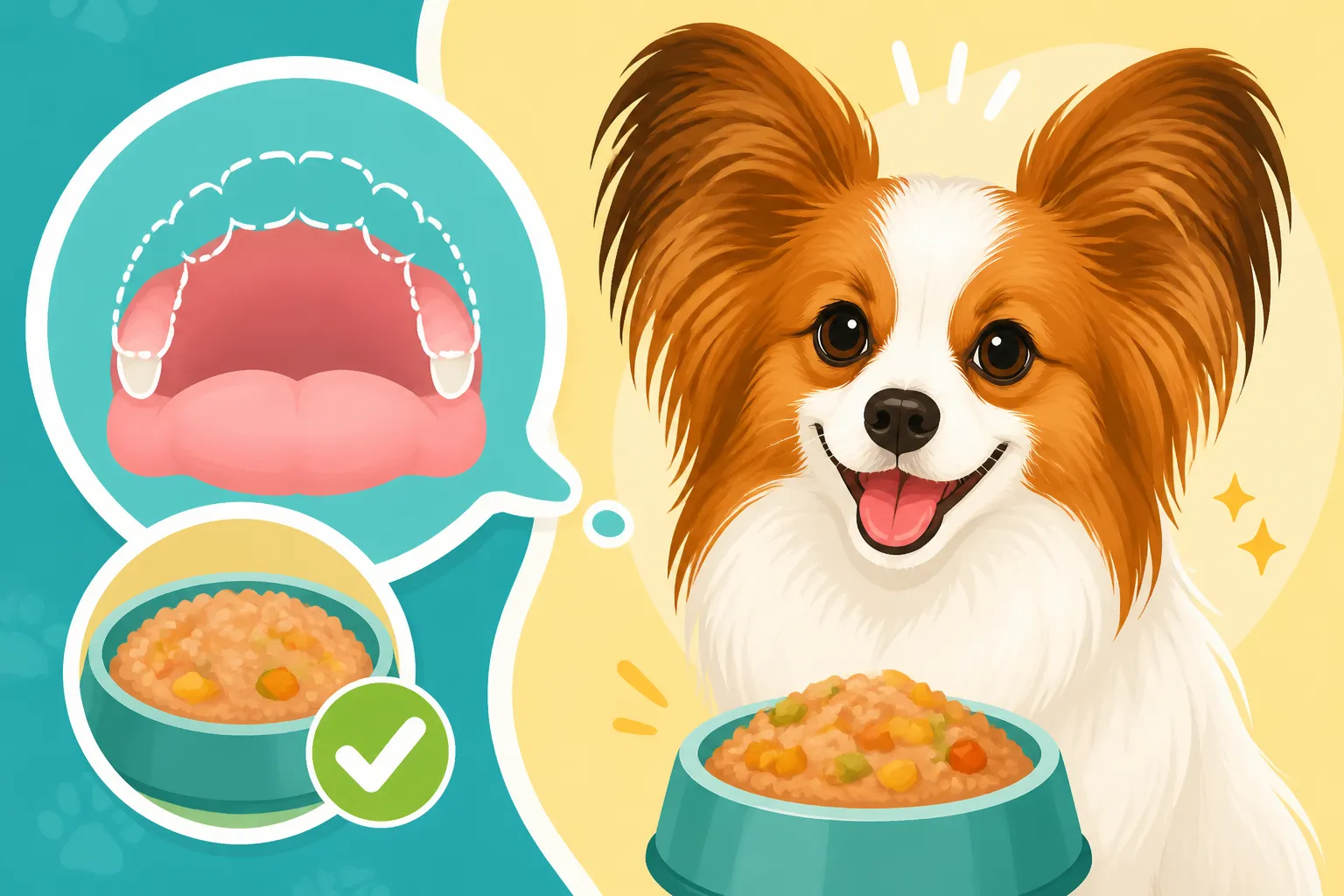
The most significant change will be the texture of their food. Hard kibble, which requires significant chewing, is usually out of the question for a Papillon with few or no teeth. Trying to crunch on it can be painful on sensitive gums or simply impossible without the necessary dental structure.
- Wet Food is Your New Best Friend: This is often the easiest and most preferred option. High-quality canned dog food provides complete nutrition and a texture that's easy to lap up or mash with the tongue. Brands like Royal Canin or Hill's Science Diet offer excellent small-breed specific wet food options. Look for pâté-style foods, which are smoother and require less effort than chunky stews.
- Soaked Kibble: If your Papillon still enjoys the taste of their kibble, you can soften it significantly. Add warm water or low-sodium chicken broth to their regular kibble and let it sit for 10-15 minutes until it's mushy. You can then mash it further with a fork. This turns their familiar food into an easier-to-manage consistency.
- Homemade Purees: For very sensitive mouths, or if your Papillon is recovering from extensive extractions, homemade purees can be a lifesaver. Cooked chicken or lean ground beef blended with some sweet potato, green beans, or pumpkin can be a nutritious and palatable meal. Always ensure any homemade food is balanced and discussed with your vet to avoid nutritional deficiencies.
- Small, Soft Treats: When it comes to treats, avoid anything hard or crunchy. Opt for soft, chewy treats or even small pieces of cooked chicken or cheese. Even though your Papillon might seem fine, it's really helpful to remember that Whether an Old Papillon Needs Softer Food is a question that often arises, and the answer is almost always yes if they have dental issues.
Consider a financial safety net for these kinds of health needs. Veterinary dental procedures can be surprisingly costly, from initial exams and X-rays to the extractions themselves. A good pet insurance plan, like one from Healthy Paws, can make a huge difference in managing these expenses and ensuring your Papillon gets the best care without financial strain dictating your choices.
Feeding Strategies: Making Every Meal Accessible
It’s not just what they eat, but how they eat. A Papillon without teeth needs a bit of strategic help to make mealtime comfortable and efficient.
- Elevated Bowls: For some dogs, especially older ones, bending down to eat can be uncomfortable. An elevated food bowl can make it easier to reach their food, putting less strain on their neck and joints. You might find this beneficial, particularly if you're Caring for a Papillon Past Eleven and they're showing other signs of aging.
- Smaller, More Frequent Meals: Instead of two large meals, consider offering smaller portions more frequently throughout the day. This can be less overwhelming and easier on their digestive system, especially if they're used to gulping food.
- Spreading Food on a Lick Mat: Lick mats can be fantastic for toothless dogs. You can spread wet food, pureed meat, or even dog-safe peanut butter (in moderation) on them. This encourages licking, which is less strenuous than chewing, and can provide mental stimulation.
- Hand-Feeding or Spoon-Feeding: Sometimes, especially during recovery from dental surgery or for particularly finicky eaters, hand-feeding can make a world of difference. Your Papillon might appreciate the extra attention and find it easier to accept food from your hand or a spoon.
- Patience and Observation: Pay close attention to your Papillon during meal times. Are they still struggling? Do they seem frustrated? Adjust as needed. Every dog is an individual, and what works for one might not work for another. It’s all about trial and error to find their sweet spot.
Here’s a quick overview of food adjustments for Papillons with varying degrees of tooth loss:
| Level of Tooth Loss | Recommended Food Texture | Example Foods | Feeding Tips |
|---|---|---|---|
| Minor (1-2 extractions) | Softened Kibble / Mix of Wet & Dry | High-quality wet food, kibble soaked in broth | Monitor chewing; ensure soft treats. |
| Moderate (Several teeth) | Primarily Soft Foods | Pâté wet food, well-soaked/mashed kibble, purees | Consider elevated bowls; small, frequent meals. |
| Extensive/Complete (Few/No teeth) | Smooth Purees / Very Soft Wet Food | Blended cooked meat/veg, smooth wet food, puppy formula | Lick mats, hand-feeding, ensure consistent nutrient intake; consult vet for balanced diet. |
This table simplifies the decision-making process when your Papillon's dental health is compromised.
Long-Term Well-being and Continued Care for a Toothless Papillon
The good news is that a Papillon can absolutely eat normally and live a long, happy, and fulfilling life without some or even all of its teeth. Once the source of pain is removed, their quality of life often improves dramatically. "Normally" might look a bit different, but it will be normal for them.
Monitoring Health, Hydration, and Weight
Just because they're eating soft food doesn't mean you can stop monitoring. It's still crucial to keep an eye on their overall health.
- Hydration: Soft foods often contain more moisture, which is a bonus, but always ensure your Papillon has access to fresh water. If they're not drinking much, adding a little extra water or broth to their meals can help. Dehydration can quickly become a serious issue, especially in small dogs.
- Weight Management: It's easy for a dog on an all-soft diet to either lose weight if they're not getting enough calories, or gain weight if they're getting too many rich foods. Regularly check their weight and body condition. You should still be able to feel their ribs easily without seeing them protruding. Adjust portion sizes as needed. An underweight Papillon needs more calories, while an overweight one puts unnecessary strain on their joints. Feeding a Papillon With Few Teeth often requires careful calorie counting.
- Oral Hygiene (Even Without Teeth): Even with no teeth, oral hygiene is important. The gums can still become inflamed or infected. Gently wiping their gums with a soft gauze pad daily can help remove food residue and stimulate circulation. Your vet might also recommend an oral rinse. This is particularly important for dogs who only had some teeth removed, as the remaining teeth are still susceptible to disease.
The Importance of Regular Vet Check-ups
Even after extensive dental work, regular veterinary check-ups are non-negotiable. These check-ups are vital for monitoring your Papillon's overall health, especially as they age.
Your vet will want to:
- Check the Remaining Gums/Teeth: For dogs with partial extractions, they'll monitor the remaining teeth and gums for any new signs of disease.
- Assess Overall Health: They'll look for any other age-related conditions or health concerns. What Changes in a Papillon After Eleven can include various health shifts, and regular checks help catch them early.
- Discuss Nutrition: Your vet can help ensure your Papillon's diet is nutritionally complete and appropriate for their age and activity level, especially given their altered eating mechanics.
- Bloodwork: Routine bloodwork is also a good idea, especially as your Papillon enters their senior years, or before any future procedures. This is similar to why Whether a Papillon Needs Bloodwork Before a Dental is often recommended, to ensure they're healthy enough for anesthesia.
Pet insurance is truly invaluable here. With a policy from Healthy Paws, you can worry less about the cost of these essential check-ups, follow-up care, and any unexpected health issues that might arise. It provides peace of mind, knowing you can always make health decisions based on what's best for your dog, not just your wallet.
Dispelling Myths and Embracing a New Normal
There's often a common misconception that a dog without teeth is somehow 'broken' or can't enjoy life fully. This simply isn't true, especially for a resilient breed like the Papillon.
Can They Really Eat "Normally"? Defining a New Normal
"Normal" is a subjective term, isn't it? For a Papillon whose mouth was once ravaged by pain and infection, eating without pain is the new normal – and it’s a wonderful, liberating normal. They may not crunch kibble, but they will eagerly lap up soft food, purees, and even chomp on soft treats with enthusiasm.
Their digestive system is designed to handle food that isn't meticulously chewed. Dogs often swallow large chunks of food anyway, relying on their strong stomach acids to break it down. While chewing is beneficial, its absence isn't a deal-breaker for nutrition, provided the food's consistency is appropriate. Many dogs, once free from dental pain, show a renewed interest in food and even put on healthy weight that they lost due to discomfort. They learn to use their tongue and gums incredibly effectively.
Think of it this way: what's more "normal"? A dog constantly in pain, struggling to eat, losing weight, and feeling miserable because of diseased teeth? Or a dog happily lapping up soft food, free from pain, thriving, and enjoying mealtime as a positive experience? The answer is clear. Your Papillon deserves the latter.
The Joy of Eating, Regardless of Teeth
Witnessing your Papillon happily devour their meal after a period of struggle is truly one of the most rewarding experiences. It's a testament to their resilience and your loving care. These little dogs find joy in so many aspects of life, and food is certainly one of them. Removing painful teeth doesn't take away that joy; it restores it.
Many Papillon owners who have gone through extensive dental extractions report that their dogs become happier, more playful, and more energetic. This is because they've been relieved of chronic pain they were bravely enduring. With proper care and dietary adjustments, your Papillon can continue to be the vibrant, intelligent, and affectionate companion you adore, eagerly anticipating every meal, regardless of how many teeth they have left. A good pet insurance plan, like those offered by Healthy Paws, can help you proactively manage these potential health concerns, ensuring that when the time comes, you're prepared to provide the necessary care without hesitation, preserving your Papillon's comfort and joy.
Remember, dental disease in Papillons is a marathon, not a sprint. Proactive prevention, regular veterinary check-ups, and being prepared for potential issues are key to a happy, healthy life for your long-eared friend.
Disclaimer
The information provided in this article is for general informational purposes only and is not a substitute for professional veterinary advice. Always consult with a qualified veterinarian regarding any health concerns or before making any decisions about your pet's medical care or diet.