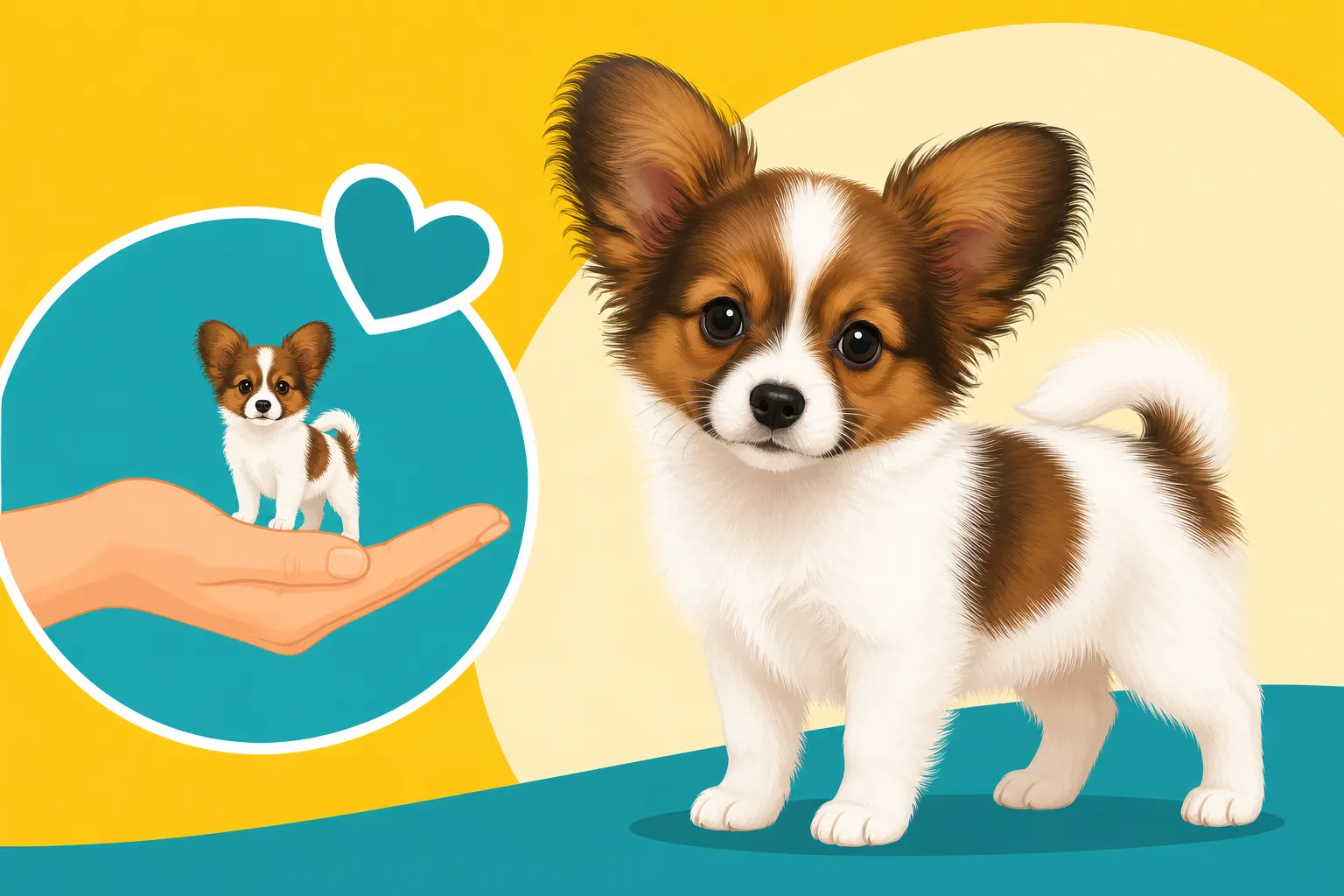
How Small a Papillon Puppy Is at Eight Weeks
Bringing home an 8-week-old Papillon puppy is an incredibly exciting time, but it often comes with a bit of a shock for new owners: these little bundles are truly, unbelievably tiny! It’s easy to feel overwhelmed by their fragile appearance and wonder if you’re doing everything right to keep such a delicate creature safe. This comprehensive guide will walk you through just how small an 8-week-old Papillon puppy typically is, what that means for their care, and how to confidently navigate their early days with knowledge and preparation.
The Tiny Reality of an 8-Week-Old Papillon Puppy
When you first meet your 8-week-old Papillon puppy, you might find yourself doing a double-take. They are not just small; they are often minuscule, dwarfed by even the smallest of household items. This isn't a flaw; it's perfectly normal for this elegant toy breed. Their delicate stature at this age means you're bringing home a creature that requires immense care, gentle handling, and a keen eye for their well-being. It's a journey filled with awe and a healthy dose of protective instinct.
The sheer tininess can be a bit daunting. You might find yourself tip-toeing around your own home, constantly scanning the floor, and worrying about every little thing. This natural anxiety is shared by many new Papillon parents. Understanding their average size helps normalize the experience and empowers you to provide the best environment for your new, tiny companion.
Average Weight and Size at This Age
At 8 weeks old, a Papillon puppy typically weighs anywhere from 1.5 to 3 pounds, sometimes even less for particularly small lines. To put that into perspective, they are often no bigger than a large grapefruit or a couple of sticks of butter. Their height will be proportionally small, usually standing just a few inches tall at the shoulder. They’ll have delicate bone structure, dainty paws, and those signature large, fringed ears that are already starting to define their butterfly-like appearance, though they might not be fully erect yet.
Their small size isn't just about weight; it's about overall fragility. Their bones are soft, their joints are developing, and their internal organs are still maturing. This means that a fall from a sofa, a rough tumble with a larger pet, or even being stepped on accidentally can have serious consequences. Owners often find themselves creating "safe zones" and constantly supervising their tiny charge, which is a completely appropriate response to their size.
What "Tiny But Mighty" Truly Means for a Papillon Puppy
Despite their delicate appearance, 8-week-old Papillon puppies are incredibly spirited and surprisingly resilient. They might be tiny, but they burst with personality and boundless energy. These puppies are already showing flashes of the intelligence and eagerness to please that make Papillons such beloved companions. They're curious, playful, and aren't afraid to explore their new world, albeit on a much smaller scale than a larger breed puppy.
This "tiny but mighty" aspect means they possess a big dog attitude in a small package. You'll observe them confidently trotting after your feet, attempting to "hunt" a dust bunny, or fearlessly engaging in tug-of-war with a toy that’s almost as big as they are. It’s this spirit that makes them so endearing, but it also means owners must be extra vigilant. Their boldness doesn't negate their physical vulnerability; a tiny pup with a big spirit still needs careful protection from the hazards of a world built for much larger beings.
Understanding Growth: From Newborn to 8 Weeks
The journey from a helpless newborn to a playful 8-week-old Papillon puppy is nothing short of miraculous, a whirlwind of rapid development that shapes their tiny bodies and budding personalities. Observing this growth firsthand gives you a deeper appreciation for the care and dedication breeders pour into their litters during these critical early weeks. It’s during this time that their fundamental health and social skills are established, setting the stage for their life with you.
Rapid Development in the First Two Months
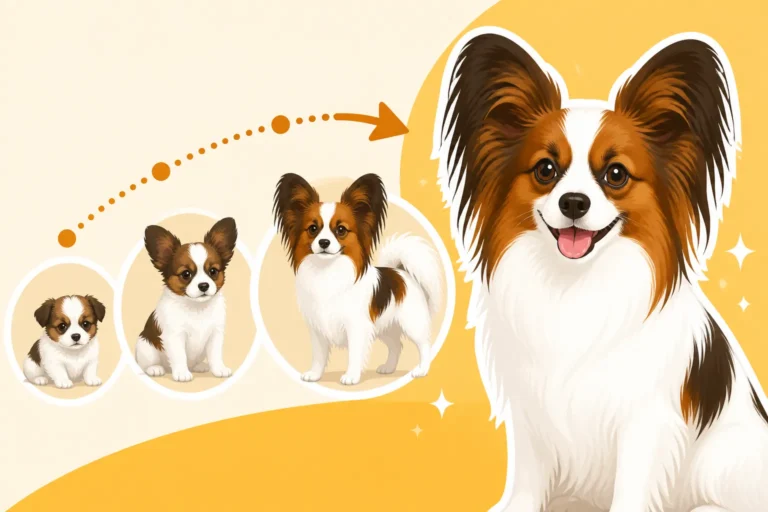
At birth, Papillon puppies are completely dependent, born blind and deaf, relying solely on their mother for warmth, food, and stimulation. Their eyes typically open around 10-14 days, followed shortly by their ears. It’s a truly transformative period. By three to four weeks, they start taking their first wobbly steps, exploring their immediate surroundings, and beginning to interact with their littermates. This is when their unique personalities truly begin to emerge.
By 8 weeks, they are fully weaned onto solid food, have developed a good degree of coordination, and are actively playing and socializing. They’ve learned crucial doggy manners from their mother and siblings, such as bite inhibition and how to interact respectfully. This rapid physical and behavioral development is why Whether a Papillon Puppy Should Leave at Ten Weeks is a topic often discussed, as some believe an extra couple of weeks with their litter can further cement these foundational social skills. Responsible breeders monitor this progress closely, ensuring each puppy meets its developmental milestones before considering placement in a new home.
Factors Influencing Early Size
Several factors contribute to a Papillon puppy's size at 8 weeks, with genetics being the primary driver. The size of the parents and their lineage gives a strong indication of how large the puppies will grow. If both parents are on the smaller end of the breed standard, their offspring are likely to follow suit. However, even within the same litter, there can be variations. Just like human siblings, some puppies might be naturally smaller or larger than their littermates.
Beyond genetics, maternal nutrition during pregnancy and lactation plays a crucial role. A well-fed, healthy mother will produce robust puppies. Litter size also matters; a larger litter might result in slightly smaller individual puppies due to increased competition for resources, though dedicated breeders ensure all puppies receive adequate nourishment. Weighing a Papillon Puppy Every Week is a practice many breeders adhere to, allowing them to monitor growth patterns and ensure each pup is thriving. Environmental factors, while less impactful than genetics, can also play a minor role, such as stress levels in the whelping environment or early access to appropriate nutrition once weaning begins.
Why Size Matters: Health and Care Considerations
The diminutive size of an 8-week-old Papillon puppy isn't just an adorable aesthetic; it carries significant implications for their health and daily care. Understanding these vulnerabilities is paramount for any new owner. It requires a proactive approach to puppy-proofing, feeding, and general handling to ensure your tiny companion not only survives but truly thrives in your home. This awareness transforms potential anxieties into informed, confident care.
Hypoglycemia Risk in Tiny Puppies
One of the most critical health concerns for an 8-week-old Papillon puppy is hypoglycemia, or dangerously low blood sugar. Because of their tiny body mass and rapid metabolism, these puppies can quickly deplete their glucose reserves, especially if they go too long without eating, get chilled, or experience stress. Signs of hypoglycemia can include lethargy, weakness, shivering, staggering, disorientation, and in severe cases, seizures or unconsciousness. Signs a Papillon Puppy Has Low Blood Sugar is vital information for any Papillon owner to recognize immediately.
Preventing hypoglycemia involves consistent, frequent feeding of high-quality puppy food. How Often a Papillon Puppy Should Be Fed often means small meals three to four times a day, sometimes even more for particularly tiny individuals. Some breeders even advise Whether a Papillon Puppy Should Be Fed Overnight for the first few weeks at home to maintain stable blood sugar. Always have a glucose source like Karo syrup or a commercial puppy supplement on hand to administer orally if you suspect a crash. Monitoring their energy levels and ensuring they eat regularly are non-negotiable aspects of care for these little ones. This vulnerability is also why it's wise to consider Whether a Papillon Gets Hypoglycemia as a Puppy as a standard risk that needs diligent management.
Navigating a Big World with a Small Frame
Imagine navigating a world where every piece of furniture is a mountain and every step is a giant leap. That’s the reality for an 8-week-old Papillon puppy. Their small frame makes them incredibly susceptible to injuries from falls. Jumping off a sofa, being accidentally stepped on, or even a clumsy fall during play can lead to broken bones or serious internal trauma. This isn't being overly cautious; it's being realistic about their physical limitations at this age.
Owners must become incredibly mindful of their surroundings. This means no unsupervised time on high furniture, and often using playpens or crates for safety when you can't actively supervise. Children and larger pets need to be carefully educated on gentle interaction. It's a constant effort to ensure their environment is safe, free from hazards that might pose no threat to a larger dog but could be life-threatening to a tiny Papillon. Think about how they move, where they might try to jump, and what objects in your home could become an accidental danger.
Appropriate Nutrition for Growing Papillons
Given their high metabolism and rapid growth, proper nutrition is paramount for an 8-week-old Papillon. They need a high-quality puppy food formulated for small breeds, rich in protein, healthy fats, and essential vitamins and minerals. The kibble size itself is a factor; it needs to be small enough for their tiny mouths to pick up and chew comfortably. Many owners find success with premium brands available on Chewy, which cater specifically to toy breed puppies.
When it comes to portion sizes, it’s not about how much they eat in one sitting, but the total daily intake spread across multiple meals. Overfeeding can lead to digestive upset, but underfeeding or infrequent meals risk hypoglycemia. It’s a delicate balance. How Many Cups a Day an Adult Papillon Eats is often a fraction of what larger dogs consume, but for a puppy, every calorie counts. Consider consulting your vet or breeder for precise feeding guidelines. Some owners opt for fresh food delivery services like Ollie, which can offer highly palatable and nutrient-dense options for picky eaters, though ensuring the small kibble size is met is also key.
Setting Up for Success: Creating a Safe Environment
Bringing an 8-week-old Papillon puppy home is like welcoming a tiny, adventurous explorer into your house. Their small size means that hazards you might not even notice for a larger dog become significant dangers. Creating a safe and secure environment isn't just about puppy-proofing; it's about seeing your home through their miniature eyes and proactively removing potential threats. This stage of preparation is crucial for their physical safety and your peace of mind.
Puppy-Proofing for Micro-Sized Explorers
True puppy-proofing for an 8-week-old Papillon goes beyond simply picking up shoes. You need to get down on your hands and knees and look at your home from their perspective. Are there gaps under furniture they could crawl into and get stuck? Are electrical cords dangling where a curious pup might chew? Small objects like coins, dropped pills, elastic bands, or even certain houseplants become choking hazards or toxins. Everything within their reach – which isn't very high but includes anything they can get under – needs to be assessed.
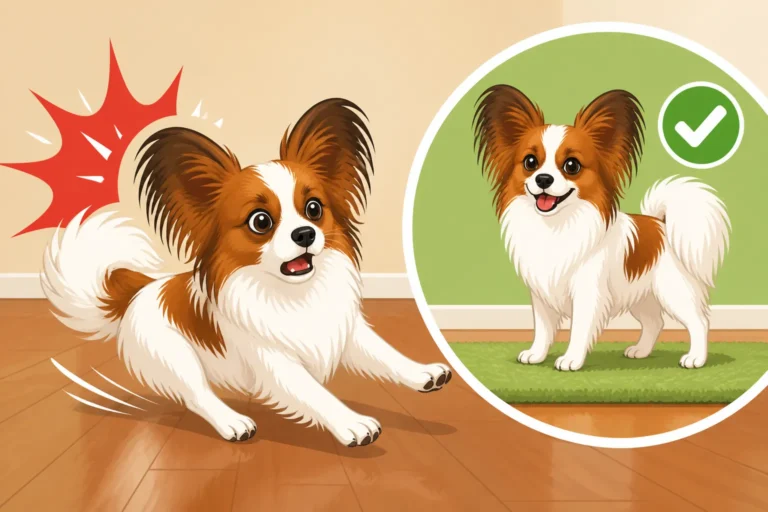
Consider stair gates to block access to unsafe areas, especially stairs where a tumble could be catastrophic. For areas where they'll spend a lot of time, like the living room, a sturdy playpen can offer a safe, enclosed space when you can't provide direct, constant supervision. This allows them to explore safely within boundaries, preventing accidental injuries. Whether a Papillon Should Be Stopped From Jumping Off Furniture is a serious consideration, as repeated jumping, even from low heights, can be detrimental to their developing joints, particularly if they are predisposed to conditions like patellar luxation.
Essential Gear for Your Little Butterfly
Outfitting your 8-week-old Papillon requires specialized gear designed for their tiny stature. A small, soft, comfortable harness is essential for walks, as collars can put pressure on their delicate trachea. Look for harnesses specifically labeled for "toy breeds" or "extra small." A lightweight leash will complete the walking ensemble, ensuring you have gentle control without overwhelming their small body.
For sleeping and den training, a small crate is invaluable. It provides a safe, secure space for them to rest and helps with house training. What a Crate for a Papillon Costs will vary, but prioritize one that's well-ventilated and sized appropriately, allowing them to stand, turn around, and lie down comfortably, but not so large that they soil one end and sleep in the other. Soft bedding is a must. Tiny food and water bowls, small, appropriate chew toys (ensure they can't be swallowed), and a gentle brush for their developing coat are also crucial. Many of these items can be found conveniently on Amazon or specialty pet sites, offering a wide selection tailored to petite breeds.
What to Expect as Your Papillon Grows (Beyond 8 Weeks)
While your 8-week-old Papillon puppy is a picture of charming tininess, it's important to remember they are still very much in their developmental phase. Their growth journey doesn't end when they come home; in fact, the next several months will be filled with significant changes as they mature physically and mentally. Understanding this continued progression helps you anticipate their needs and adjust your care as they move from fragile puppyhood to confident adulthood.
Continued Growth and Development Milestones
After 8 weeks, Papillon puppies will continue to grow, albeit at a slightly slower pace than the initial explosive growth of their first two months. You'll notice them filling out, gaining muscle, and their bone structure strengthening. Their coordination will improve, and they'll become even more agile and confident in their movements. Their distinctive ear fringe and tail plume will also begin to lengthen and become more luxurious, further enhancing their butterfly appearance.
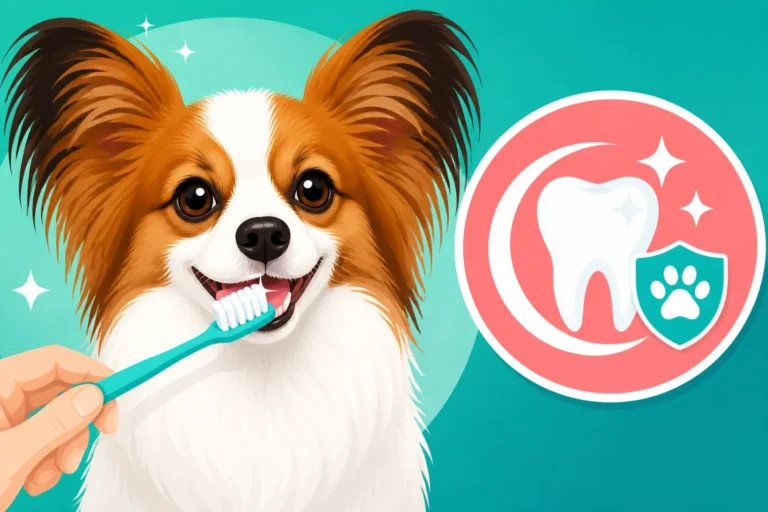
During this period, they will also continue to lose their puppy teeth and grow in their adult teeth. This is a good time to start a dental care routine, as How Early Tartar Appears on a Papillon can be surprisingly fast in small breeds. Socialization remains key; exposing them to new sights, sounds, people, and safe, gentle dogs will help them develop into well-adjusted adults. Continued training, building on their innate intelligence, will also be an ongoing and rewarding process.
When to Expect Your Papillon to Reach Adult Size
Most Papillons reach their full adult height and length by about 8 to 10 months of age. However, they may continue to fill out and gain muscle mass until they are about 12 to 18 months old. This "filling out" phase is when they transition from a gangly teenager to a more refined, mature adult, gaining a bit more substance to their delicate frame. The Age a Papillon Stops Growing is a common question, and generally, by their first birthday, you'll have a very good idea of their final size, though subtle changes can occur beyond that.
It's important to keep their adult size in mind from the start. A fully grown Papillon typically weighs between 5 to 10 pounds and stands about 8 to 11 inches tall at the shoulder. While your 8-week-old might be a tiny bundle, they won't remain quite so small forever. This gradual growth means you'll have time to adjust their gear, their feeding routine, and your home environment as they develop, ensuring they remain comfortable and safe throughout their transition to adulthood.
Distinguishing Normal from Concerning Size
While Papillon puppies are known for their small stature at 8 weeks, there's a fine line between a healthy, small puppy and one whose size might indicate underlying health issues. It's natural for owners to worry, especially when comparing their tiny pup to pictures or other dogs. Knowing what's normal and when to be concerned is crucial for advocating for your Papillon's health and ensuring they get the care they need.
When to Be Concerned About Your Papillon's Growth
If your 8-week-old Papillon puppy is significantly smaller than the typical 1.5-3 pound range, or if they appear excessively frail, lethargic, or fail to gain weight steadily, it's a definite cause for concern. These could be signs of a "runt" that is struggling to thrive, or they might indicate other health issues like parasites, nutritional deficiencies, or congenital problems. Any puppy that consistently fails to eat or is unusually quiet and inactive should be seen by a veterinarian immediately.
Regular vet check-ups are essential during these early weeks. Your veterinarian can assess their overall health, perform deworming, check for any signs of illness, and provide guidance on nutrition and weight gain. They might recommend specific tests, such as Whether a Papillon Puppy's Bile Acids Should Be Checked if there are concerns about liver function, or general bloodwork to rule out other issues. Don't hesitate to voice your concerns to your vet; early intervention can make a significant difference in a tiny puppy's prognosis.
The Myth of the "Teacup" Papillon
You might encounter terms like "Teacup Papillon" being advertised, promising an even smaller adult dog. This is a term used by irresponsible breeders to market extremely undersized dogs, often with severe health problems. The Papillon breed has a standard size range, and reputable breeders strive to produce healthy dogs within that range. An 8-week-old Papillon puppy that is significantly smaller than average is not a desirable "teacup" variation; it's often a puppy prone to serious health issues.
These dangerously small dogs are at a much higher risk for conditions like severe hypoglycemia, fragile bones, hydrocephalus (fluid on the brain), and organ failure. They often require extensive and expensive veterinary care throughout their short lives. Why Very Small Papillons Are Unsound is an important concept for prospective owners to understand. Always choose a breeder who prioritizes health, temperament, and adherence to the breed standard, rather than chasing an artificially small size. A healthy 8-week-old Papillon, while tiny, should still be robust and active, not fragile and sickly.
Disclaimer
This article is for general informational purposes only and does not constitute professional advice. Laws, prices and regulations vary by location and change over time. Consult a qualified professional for guidance on your specific situation.