Whether Neutering Changes a Papillon’s Coat
It’s a natural worry for any Papillon owner, isn’t it? You cherish your little butterfly dog's gorgeous, flowing coat – those magnificent ear fringes, the elegant tail plume, the delicate silky body hair. So, when the time comes to consider spaying or neutering, a common question pops up: will this procedure change that beautiful coat? This guide will dive deep into the specific ways neutering might (or might not) affect your Papillon's distinctive coat, so you know exactly what to expect.
The Papillon Coat: A Quick Refresher Before We Talk Changes
Before we can truly understand how neutering might impact a Papillon's coat, it's helpful to first appreciate what makes this breed's coat so special in the first place. It's not just any long-haired dog; the Papillon has a very particular type of coat that sets it apart from many other breeds. Understanding these unique characteristics will give us a better framework for discussing any potential post-surgical shifts.
What Makes a Papillon's Coat Unique?
The Papillon’s coat is truly a thing of beauty, often described as fine, silky, and flowing, without an undercoat. This single-layer construction is a key differentiator from many other long-haired breeds, such as Pomeranians or Shelties, which possess dense, fluffy undercoats. The absence of this woolly layer is why Papillons are often perceived as lighter-shedding dogs, though they certainly do shed – just not in the same dramatic fashion as a double-coated breed.
The defining features, of course, are those breathtaking fringes. We're talking about the long, flowing hair on their ears that gives them their butterfly-like appearance, the elaborate plume of hair on their tail that often arches over their back, and the elegant "culottes" or breeches on their hind legs. The chest frill is another lovely characteristic. This isn't just fur; it's truly hair, with a texture akin to human hair, making it prone to matting if not properly cared for, but also giving it that gorgeous, ethereal quality. For more on this, you might find A Papillon's Coat Is All Fringe and No Undercoat quite insightful.
Natural Coat Development and Hormones
Just like in humans, hormones play a crucial role in the growth and health of a dog's coat from puppyhood right into old age. In Papillons, as with all dogs, the journey from a soft, fluffy puppy coat to the full, adult coat is a hormonal one. Estrogen in females and testosterone in males contribute significantly to the sheen, strength, and overall growth cycle of the hair. These hormones influence the anagen (growth), catagen (transition), and telogen (resting) phases of the hair follicles, dictating how long individual hairs grow before they are shed.
As a Papillon puppy matures, typically between six months and a year, you'll notice their coat transitioning. The soft puppy fuzz gives way to the longer, silkier adult hair, with the fringes on the ears and tail becoming more prominent. This process is largely driven by their developing endocrine system and the increasing levels of sex hormones. For instance, the magnificent ear fringes, which are such a hallmark of the breed, really start to fill in and lengthen during this period. Understanding this natural, hormone-driven development is crucial because it highlights just how impactful a sudden hormonal shift, like that caused by neutering, can be on the body's largest organ: the skin and coat. You can learn more about this timeline in The Age a Papillon's Adult Coat Arrives.
Understanding Hormonal Shifts Post-Neutering and Their Potential Impact on the Coat
The decision to spay or neuter your beloved Papillon is a significant one, with many health and behavioral benefits. However, it also involves a major change to your dog's hormonal landscape. It's this alteration that often leads owners to wonder about the "spay/neuter coat," a phenomenon observed in some breeds. Let's break down what actually happens and how it might pertain to your Papillon.
What Happens Hormonally After Spaying or Neutering?
When a male dog is neutered, his testicles are removed, which are the primary source of testosterone. Similarly, when a female dog is spayed, her ovaries (and often her uterus) are removed, eliminating the main sources of estrogen and progesterone. This isn't just a minor tweak; it's a profound shift in their hormonal balance. These sex hormones don't just regulate reproduction; they are integral to many other bodily functions, including metabolism, bone density, muscle mass, energy levels, and, yes, skin and coat health.
The sudden drop in these hormones can lead to a cascade of internal adjustments. For some dogs, this can slow down their metabolic rate, potentially leading to weight gain if diet and exercise aren't adjusted. More pertinent to our discussion, it can alter the hair growth cycle. Hair follicles, like many other cells in the body, are responsive to hormone levels. A reduction in sex hormones can sometimes prolong the anagen (growth) phase of the hair, or impact the overall quality and texture of the hair produced.
Common Coat Changes Observed in Other Breeds
It's important to acknowledge that the "spay/neuter coat" is a well-documented phenomenon, particularly in certain breeds. You've likely heard stories or seen dogs that, after being spayed or neutered, develop a noticeably thicker, often cottony, and sometimes duller coat. This is most prevalent in breeds with dense double coats, such as Golden Retrievers, Labrador Retrievers, Newfoundlands, Huskies, and Pomeranians.
In these breeds, the hormonal changes can cause the soft undercoat to continue growing without its usual shedding cycle, leading to a plush, almost woolly texture that can be prone to matting and be difficult to manage. The guard hairs, which are usually coarse and protective, can also soften. This change can be quite dramatic and frustrating for owners who loved their dog's original coat texture and easy grooming routine. However, it's crucial to understand that this isn't a universal experience for all dogs, and the severity varies widely even within the breeds that are most affected.
Specifics for the Papillon: Is a "Spay/Neuter Coat" a Papillon Problem?
Now for the good news for Papillon owners: because your charming companion has a single coat and lacks that dense undercoat, they are generally far less susceptible to the dramatic "spay/neuter coat" changes seen in double-coated breeds. You are highly unlikely to wake up one morning and find your elegant Papillon has suddenly developed a thick, cottony, woolly layer. This is largely due to their unique coat structure. Why a Papillon Has No Undercoat is a very relevant read here, as it explains the fundamental difference that protects them from this particular issue.
However, saying there are no changes would be inaccurate. While they won't typically develop a problematic "spay coat," some subtle alterations are still possible. These changes are usually much less severe and often go unnoticed by casual observers. They tend to manifest as slight shifts in texture or density, rather than a complete overhaul of the coat's fundamental nature. The delicate structure of their hair means any changes will likely be minor adjustments rather than a drastic transformation into a different coat type.
Subtle Papillon Coat Changes You Might (or Might Not) Notice
While Papillons are largely spared the dramatic coat transformations seen in other breeds after neutering, it's still possible to observe some subtle shifts. Think of these as minor adjustments rather than a complete overhaul. Most Papillon owners might not even consciously notice them, or they might attribute them to general aging or seasonal changes. It’s about being informed, not alarmed.
Texture and Density Variations
One of the most commonly reported, albeit subtle, changes in a Papillon's coat post-neutering can be a slight alteration in texture. Some owners describe the coat becoming a little softer, perhaps even a touch finer, which can sometimes make it feel a bit less "silky" and more prone to static. It's a very slight shift, far from the coarse or woolly texture that affects double-coated breeds. You might also perceive a very minor increase in the density of the coat, giving it a slightly fuller appearance. However, this is rarely, if ever, to the point of becoming a thick, unmanageable "cotton coat."
It's important to remember that individual Papillons can react differently. Genetics, overall health, and diet all play a role in coat quality, so what one owner observes, another might not. The key takeaway is that while a Papillon's coat might feel subtly different to the touch, it won't typically undergo a drastic transformation into a completely different type of coat. The beautiful flowing quality should largely remain intact, even if it has a slightly altered feel.
Growth Cycles and Shedding Patterns
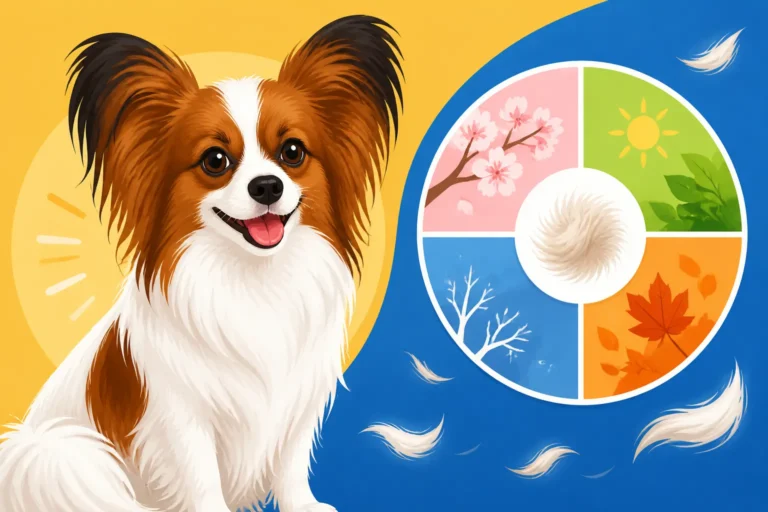
Papillons are renowned for being relatively low-shedding dogs, a characteristic that makes them appealing to many. Why a Papillon With No Undercoat Still Sheds explains that they do, of course, shed, as all dogs do, but it's typically minimal compared to breeds with undercoats. After neutering, some owners might notice a very slight change in their Papillon’s shedding pattern. This isn't usually an increase in the amount of hair lost, but perhaps a minor alteration in the timing or intensity of their seasonal shedding cycles.
Hormonal changes can influence the natural rhythm of hair growth and loss. Instead of distinct shedding periods, some dogs might have a more continuous, but still light, shedding throughout the year. The long, delicate fringes on their ears and tail – which are such defining features – tend to maintain their characteristic length and fullness. Owners are usually very protective of their Papillon's ear fringes; for tips on keeping them magnificent, check out How to Keep a Papillon's Ear Fringe Full and What a Papillon's Tail Plume Needs. While the overall growth cycle might be subtly influenced, it's highly improbable that you'll see a dramatic shortening or thinning of these iconic features.
Color Fading and Overall Luster
Concerns about neutering affecting coat color or its natural luster are also common among dog owners. For Papillons, however, neutering is generally not a significant factor in these aspects. Their beautiful colors – whether it's sable, black and white, tricolor, or red and white – tend to remain vibrant throughout their lives, with diet, sun exposure, and genetics playing a much larger role in any fading that might occur. If you're curious about how colors change over time, you might read Whether a Papillon's Color Fades With Age.
A Papillon's coat naturally has a lovely sheen due to its silky texture and fine hair strands. While a hormonal imbalance could theoretically lead to dullness, in practice, for Papillons, this is rarely a direct and noticeable consequence of neutering. A lack of luster is far more likely to be indicative of underlying dietary deficiencies, inadequate grooming, or other health issues rather than simply the absence of sex hormones. Maintaining a healthy diet and consistent grooming routine is your best defense against a dull coat, regardless of whether your Papillon is spayed or neutered.
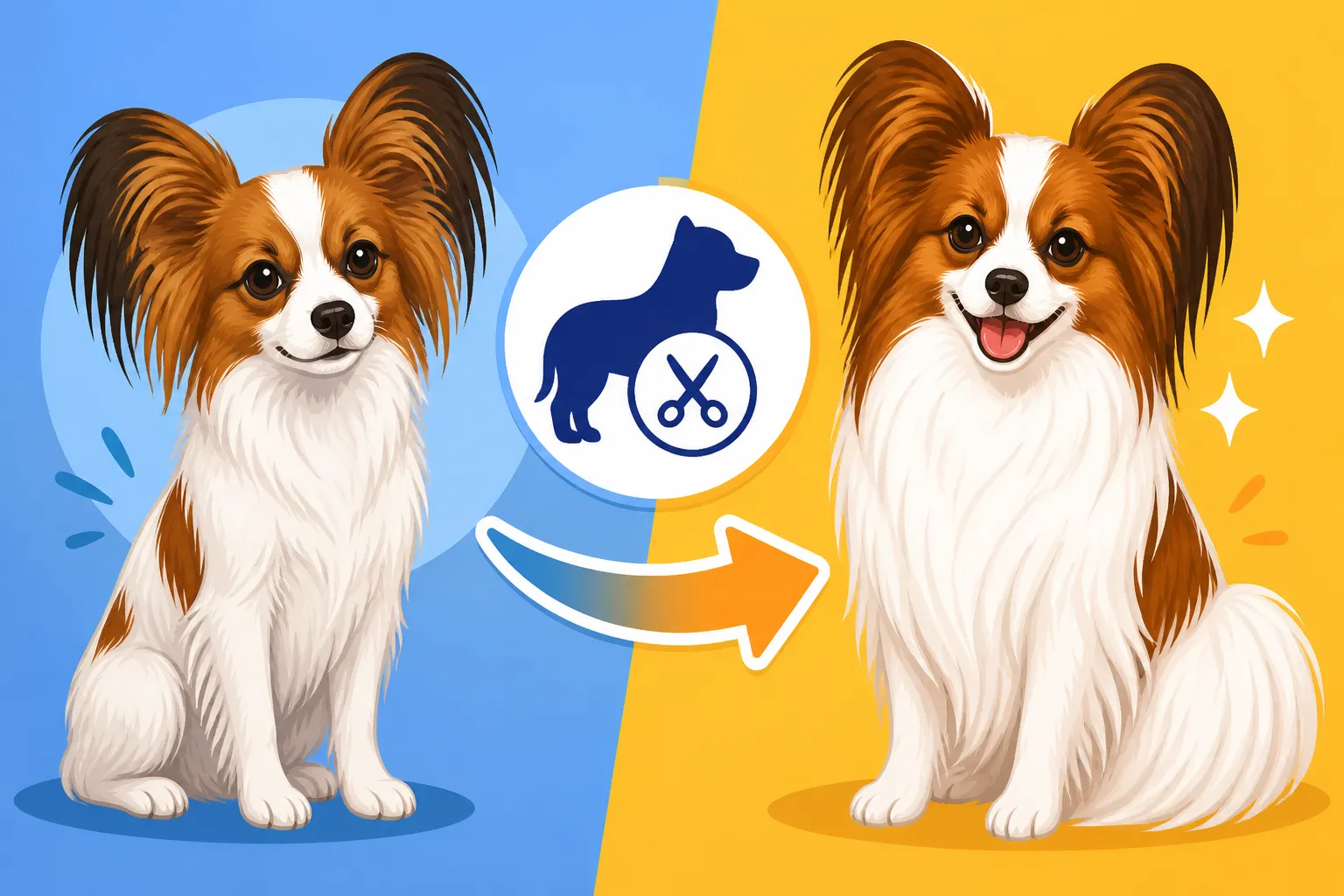
Here's a quick comparison of what you might generally expect for a Papillon's coat before and after neutering:
| Characteristic | Before Neutering (Expected) | After Neutering (Commonly Observed) |
|---|---|---|
| Texture | Silky, fine, flowing, soft to the touch | Largely remains silky; sometimes slightly softer or finer, rarely coarse |
| Density | Single coat, no dense undercoat | May have a minor, unnoticeable increase in density; no heavy "spay coat" |
| Shedding | Low, minimal, with occasional seasonal increases | Still low; shedding pattern might subtly shift (e.g., more continuous but light) |
| Fringe/Plume | Full, long, elegant on ears and tail | Generally maintains length and fullness |
| Luster | Natural sheen | Typically retains natural luster, unless other factors intervene |
| Color | Vibrant, true to breed standard | No direct significant change; diet/sun still primary influence |
Managing Coat Health Post-Neutering (and Beyond!)
Regardless of whether your Papillon's coat experiences subtle changes after neutering, proactive care is always the best approach to maintaining its health and beauty. A healthy coat is a reflection of overall well-being, and a little extra attention can go a long way in ensuring your Papillon's glorious fringes stay magnificent throughout their long life.
Maintaining Grooming Routines
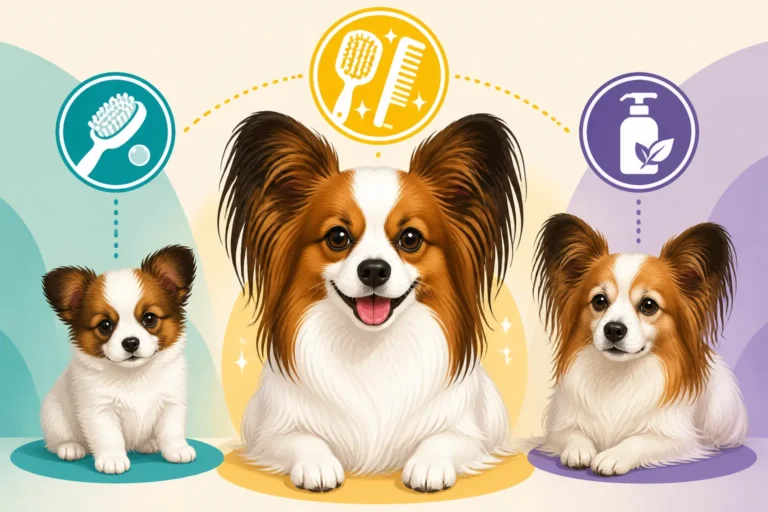
Consistent and regular grooming is paramount for a Papillon's coat, perhaps even more so if you notice any subtle texture changes post-neutering. Their single, flowing coat is prone to tangles and mats, especially in the long fringes on their ears, tail, and culottes. Brushing your Papillon a few times a week, or even daily for show dogs, is essential. This helps to remove loose hairs, distribute natural oils, and prevent painful matting. A good quality pin brush and a metal comb are indispensable tools. You'll want to ensure you brush all the way down to the skin, not just over the top of the coat. How Long a Papillon Takes to Brush gives a good sense of the time commitment. For specific tools, a brand like Chris Christensen offers excellent brushes that many Papillon owners swear by, or you can find a wide range of options on Chewy or Amazon.
Bathing frequency will depend on your dog's lifestyle and how quickly they get dirty, but typically every 3-4 weeks is sufficient. Use a gentle dog shampoo and conditioner to keep the hair hydrated and reduce static. Always ensure you thoroughly rinse out all products to prevent skin irritation and dulling of the coat. After bathing, gently blot your Papillon dry and then carefully line brush them while drying with a cool hairdryer to prevent tangles and achieve that lovely, flowing finish. For specific brush recommendations, Whether a Pin Brush Suits a Papillon is a great resource.
Nutrition and Supplements for a Healthy Coat
A beautiful coat starts from within. A high-quality diet is fundamental to healthy skin and a lustrous coat. Look for dog foods that list real meat as the first ingredient and contain healthy fats. Many premium dog food brands, like Ollie, focus on balanced nutrition that benefits all aspects of your dog's health, including their coat. Adequate protein is essential for hair growth, and omega-3 fatty acids (like those found in fish oil) are particularly beneficial for promoting shine, reducing dryness, and supporting overall skin health. You can often find these as supplements through retailers like Chewy or Amazon.
Be mindful of your Papillon's caloric intake, especially after neutering, as some dogs may have a slightly reduced metabolism. Weight gain can not only strain their delicate joints but also affect the overall health and appearance of their coat. Knowing How Much an Adult Papillon Eats is crucial for proper portion control. If your Papillon is a picky eater, which some can be, ensuring they get all the necessary nutrients can be a challenge. Always discuss any dietary changes or the addition of supplements with your veterinarian to ensure they are appropriate for your individual dog's needs and health status. Remember, a shiny coat is often a visible sign of a healthy, well-nourished dog. For instance, Which Kibble a Papillon Can Actually Pick Up can help you choose the right food size for their small mouth.
When to Consult Your Vet or Groomer
While subtle coat changes after neutering are typically benign for Papillons, there are times when you should consult a professional. If you notice any dramatic or concerning changes, such as significant hair loss, patchy bald spots, excessive dandruff, persistent dullness, or skin irritation (redness, itching, bumps), it's always best to schedule an appointment with your veterinarian. These symptoms could indicate underlying health issues that are unrelated to neutering, such as allergies, hormonal imbalances (beyond the sex hormones), parasitic infestations, or nutritional deficiencies. Your vet can rule out medical problems and provide appropriate treatment or recommendations.
Additionally, if you find that the texture of your Papillon's coat has changed in a way that makes home grooming significantly more challenging – perhaps it’s matting more easily or developing more static – don't hesitate to reach out to a professional groomer who has experience with long-haired breeds. They can offer advice on specific products, techniques, or even specialized treatments that can help manage the coat. Sometimes, a professional groomer can spot subtle issues that might be missed at home. They can also provide insights into What a Papillon's Coat Is Made Of if you have further questions about its unique structure.
Disclaimer
This article is for general informational purposes only and does not constitute professional advice. Laws, prices and regulations vary by location and change over time. Consult a qualified professional for guidance on your specific situation.