Which Other Sports a Papillon Can Do
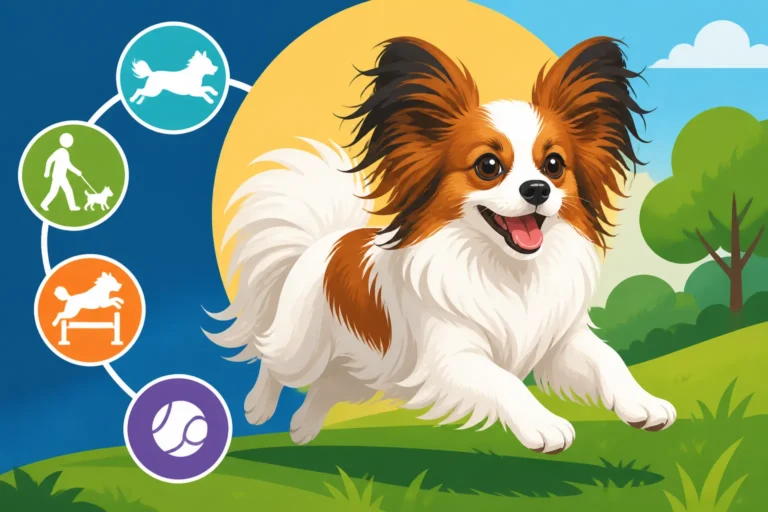
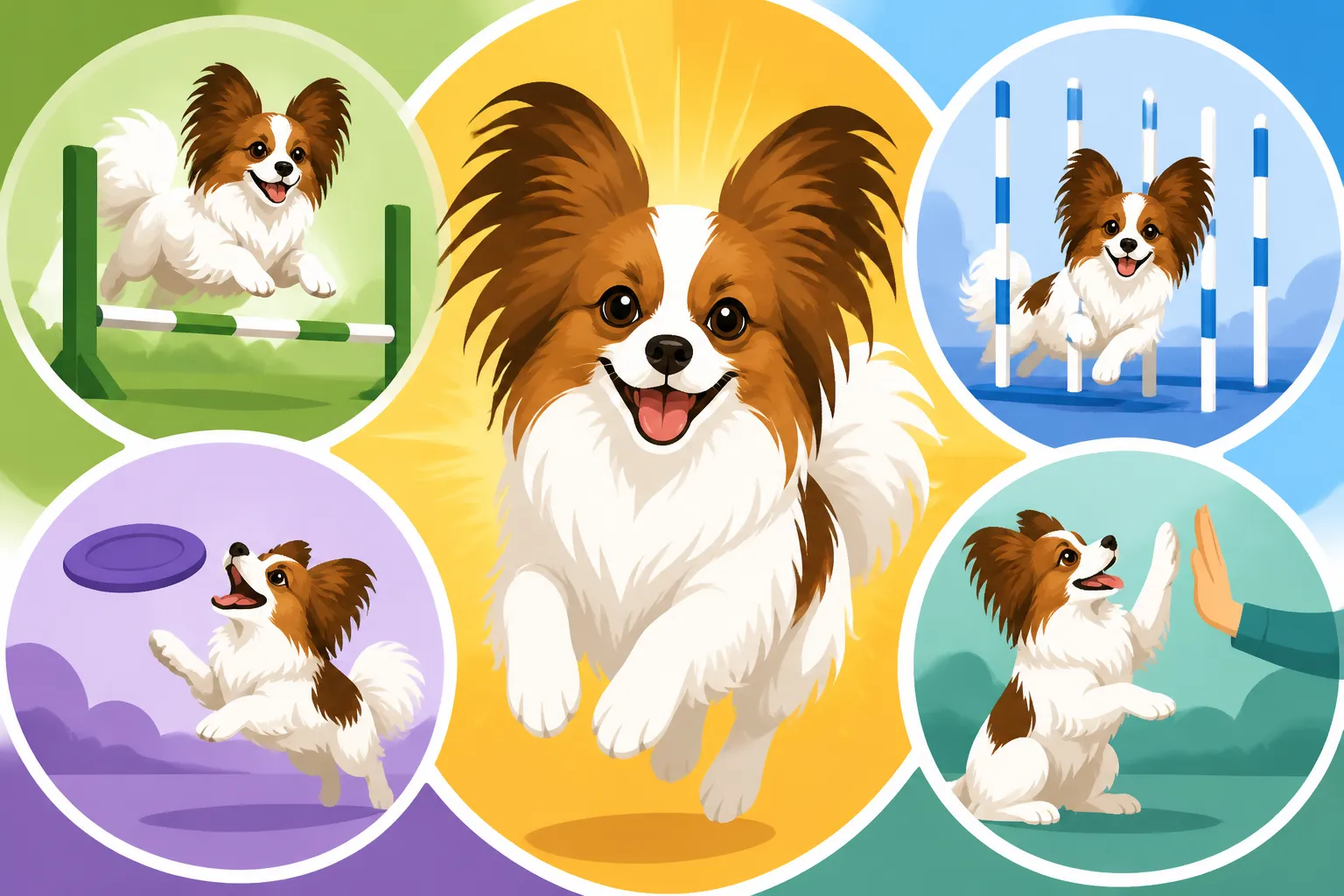
Everyone knows Papillons are dazzling stars on the agility course, leaping and weaving with astonishing speed and grace. It's easy to fall into the trap of thinking agility is their only calling, given how perfectly their intelligence and athleticism fit the sport. But to only consider agility is to miss out on a whole universe of activities where these bright, biddable little dogs can truly shine, building incredible bonds with their handlers and flexing their formidable mental muscles in new and exciting ways. This guide will open your eyes to the other fantastic sports and activities your Papillon can excel at, proving they're far more versatile than their butterfly ears might suggest.
Beyond the Jumps: Papillons in Competitive Obedience
When we talk about dog sports, competitive obedience is often seen as the foundation, the bedrock upon which many other disciplines are built. It's about precision, consistency, and a profound partnership between dog and handler. While Papillons might not be the typical poster dogs for obedience – that image usually belongs to larger, more stoic breeds – they possess all the inherent qualities needed to absolutely ace it. Their eagerness to please, sharp minds, and compact size make them incredibly responsive to training, and they relish the challenge of mastering complex sequences.
The Nuances of Obedience Trials
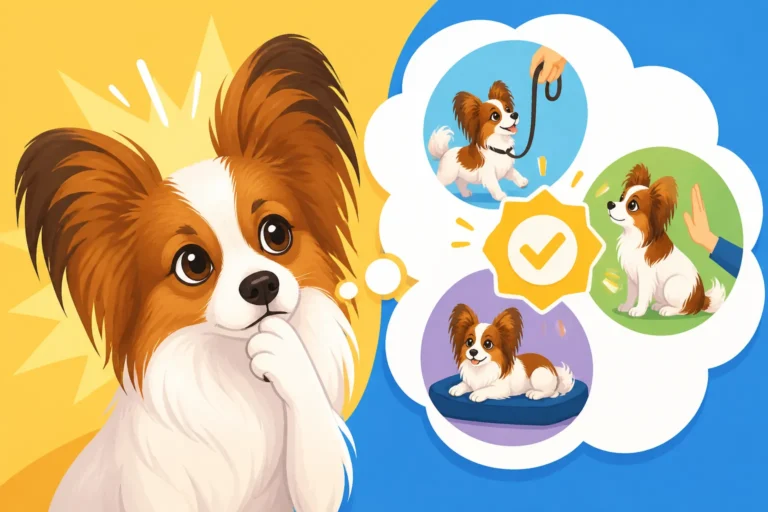
Competitive obedience involves a series of exercises performed on command, demonstrating the dog's willingness and ability to follow instructions reliably. Think of it as a highly formalized dance between you and your Papillon, where every step, sit, and stay is precisely choreographed. Exercises typically include heeling (walking perfectly by your side), recalls (coming when called, even from a distance), stays (remaining in a sit or down position for extended periods, sometimes out of sight), and retrieves (fetching an object and bringing it back). These aren't just parlor tricks; they require intense focus and a deep understanding of cues, something Papillons are exceptionally good at grasping. You'll find yourself amazed at how quickly your Papillon picks up new tasks and perfects them, often needing fewer repetitions than you might expect. How Fast a Papillon Learns a New Cue speaks volumes about their capacity for this kind of work.
What's particularly engaging about competitive obedience for Papillons is the mental workout it provides. Unlike some sports that rely heavily on physical prowess, obedience demands sustained attention and problem-solving. A Papillon that might get bored with endless repetitions of the same trick will thrive on the structured progression and new challenges presented in obedience. For handlers, it's about clear communication and building unwavering trust. You learn to read your dog's subtle cues and anticipate their needs, fostering a bond that extends far beyond the trial ring. It's a fantastic way to deepen your relationship, turning everyday commands into a finely tuned performance.
Benefits Beyond the Ribbon
Participating in obedience trials isn't just about winning ribbons, though those are certainly a nice bonus. The skills your Papillon acquires in obedience training translate directly into a better-behaved, more confident companion at home and in public. Imagine having a dog that reliably stays put when the doorbell rings, comes instantly when called even with distractions, and walks politely on a leash without pulling. These are all direct results of a solid obedience foundation. For a small breed like the Papillon, having impeccable manners is particularly important for their safety and acceptance in various environments. A well-trained Papillon is a joy to take anywhere, whether it's a trip to the local park or a visit to a friend's house.
Furthermore, the structured environment of obedience training can be a huge confidence booster for some Papillons, especially those who might be a little shy or reserved. The clear expectations and positive reinforcement help them understand what's wanted and build their self-assurance. Knowing they can succeed and please their human partner empowers them. On the flip side, it also provides an excellent outlet for the boundless energy and sharp intelligence of more boisterous Papillons, channeling their enthusiasm into productive activities. Many Papillon owners discover that the mental engagement of obedience work is just as tiring, if not more so, than a long physical walk. What Mental Work a Papillon Needs is crucial for these intelligent little dogs. If you're wondering Whether a Papillon Can Do Obedience Trials, the answer is a resounding yes!
Nose Work: Unleashing Their Inner Hunter
Dogs, by nature, are creatures of scent. Their noses are incredibly powerful tools, far more sensitive than our own. Canine nose work, or scent detection, is a sport that taps into this natural ability, allowing dogs to use their primary sense in a fun, challenging, and incredibly rewarding way. For a Papillon, whose historical role wasn't one of hunting, nose work offers a surprising outlet for their keen intelligence and inherent curiosity. They might not be tracking deer, but they can certainly find a tiny cotton swab scented with birch oil!
Starting Your Papillon in Scent Detection
Getting started in nose work is wonderfully accessible. You don't need fancy equipment, a huge space, or even perfect weather. The core idea is simple: teach your Papillon to identify and locate specific odors, then indicate where they are. You typically start with a target odor, like birch, anise, or clove, hidden in a box or container. Using high-value treats and praise, you reward your dog for showing interest in the correct container. It's truly amazing to watch a dog, once they understand the game, meticulously search an area, using their nose to systematically eliminate possibilities until they pinpoint the source of the scent.
One of the great things about nose work is that it's low-impact physically, making it suitable for Papillons of all ages, even those with minor physical limitations. The mental engagement is paramount. Your Papillon will learn to ignore distractions, focus solely on the odor, and build incredible persistence. Many owners find that online courses, like those offered by BAXTER & Bella, provide excellent foundational training for getting started in nose work from the comfort of your own home, guiding you through the initial steps of introducing target odors and building search skills. You can also find simple starter kits on Amazon with various essential oils and containers to begin your journey. This sport profoundly respects the dog's natural instincts, empowering them to "work" in a way that is deeply satisfying. Whether a Papillon Can Do Scent Work is a question with a clear answer: absolutely, and they're often brilliant at it!
The Thrill of the Search
As your Papillon progresses, the searches become more complex. Instead of just containers, odors might be hidden in rooms, outdoors in varied terrain, or on vehicles. They learn to search systematically, clearing areas, and communicating their finds. Witnessing your small Papillon meticulously work a large outdoor area, nose to the ground, completely absorbed in their task, is truly a sight to behold. They transform from a charming lapdog into a focused, determined detective. The thrill for both dog and handler is in the discovery, the moment your Papillon "alerts" you to the hidden scent, often by freezing, sitting, or pointing with their nose.
Nose work builds tremendous confidence in dogs, especially those who might be a bit insecure or hesitant in new environments. It gives them a job, a purpose, and teaches them to trust their own instincts. It’s a fantastic way to build focus and independence, while still relying on your partnership. The quiet focus required for scent work can also be incredibly calming for high-energy or easily distracted Papillons, offering a constructive outlet for their busy minds. It's a sport where every dog, regardless of breed or size, starts on equal footing, making it genuinely inclusive and endlessly fascinating.
Rally-O: Teamwork and Fun for Papillons
If competitive obedience sounds a bit too formal or rigid for your taste, but you still love the idea of working as a team with your Papillon on a course, then Rally-O might be your perfect match. Rally, often called "Rally Obedience," bridges the gap between traditional obedience and agility, offering a more dynamic and interactive experience. It emphasizes communication and flow, making it a fantastic choice for Papillons and their handlers who enjoy a lighter, more encouraging atmosphere.
Navigating the Rally Course
In Rally-O, you and your Papillon navigate a course of numbered signs, each indicating a different obedience exercise to perform. These exercises range from standard commands like "Sit-Stay" and "Down" to more active movements like "Spiral Left" or "Figure 8." The key difference from traditional obedience is that you can talk to, encourage, and praise your dog throughout the entire course. This constant communication makes it feel less like a test and more like a shared adventure, which is something Papillons, with their desire for interaction, absolutely adore. What Motivates a Papillon often comes down to praise and connection with their human, and Rally-O provides that in spades.
The courses are designed by judges, meaning each trial offers a new, unique challenge. This keeps things fresh and exciting for both handler and dog. Your Papillon learns to pay attention to your instructions and body language while moving, developing a wonderful sense of teamwork. It's a fantastic way to reinforce basic obedience commands in a stimulating, engaging context, proving that training doesn't have to be dull or repetitive. Many owners find Rally-O to be a perfect stepping stone into other competitive dog sports, or simply a fun way to enjoy time with their Papillon. Whether a Papillon Can Do Rally is another enthusiastic yes!
The Spirit of Collaboration
Rally-O truly embodies the spirit of collaboration. Unlike traditional obedience where handlers must maintain strict silence, in Rally, you're constantly coaching your dog through the course. This encourages a joyful, interactive experience, where your Papillon feels like an active participant, not just a performer. The atmosphere at Rally trials is often very positive and supportive, with handlers cheering each other on. This makes it a great environment for building confidence in both you and your Papillon, especially if you're new to dog sports.
For Papillons, who thrive on being engaged and active partners, Rally-O provides the perfect blend of mental challenge and physical activity. It encourages their natural exuberance while demanding focus and control. The quick changes in direction and variety of exercises keep their intelligent minds sharp and prevent boredom. It’s also a wonderful way to teach your Papillon to work happily amidst distractions, as trials often feature other dogs and people moving around the ring.
Canine Freestyle: Dancing with Your Papillon
Imagine gracefully moving across a floor with your Papillon, performing intricate steps, spins, and tricks, all set to music. Welcome to the world of Canine Freestyle, often called "Heelwork to Music." This captivating sport combines obedience, tricks, and dance, allowing for incredible creativity and showcasing the unique bond between a dog and its handler. It's a fantastic avenue for Papillons, whose compact size, agility, and keen desire to learn make them excellent dance partners.
Choreographing Your Routine
Canine Freestyle is essentially synchronized dog and handler movement set to music. It's like figure skating, but with paws instead of skates! You choose a piece of music, then choreograph a routine that highlights your Papillon's strengths and personality. This could involve traditional heelwork positions, where your Papillon moves seamlessly at your side, in front, or behind you, incorporating spins, weaves between your legs, and intricate turns. Beyond heelwork, you can also integrate a wide array of tricks – bowing, rolling over, jumping through hoops, spinning in circles, or even 'playing dead' in time with the music. The only limit is your imagination and your Papillon's capabilities!
The beauty of freestyle is that it's deeply personal. Your routine becomes an expression of your relationship with your Papillon. It demands a high level of training in individual behaviors, but also a creative flair for putting them together into a flowing, entertaining performance. Many of the tricks and movements you see in freestyle can be taught using positive reinforcement methods, and Papillons, being such bright sparks, often pick them up with remarkable speed. Online resources or even YouTube tutorials can provide inspiration and step-by-step guides for teaching many of the foundational moves. How a Clicker Lands With a Papillon can be particularly effective for teaching precise movements needed in freestyle.
The Art of Performance
What makes Canine Freestyle so rewarding is the artistic freedom it offers. You can tell a story with your routine, match the mood of the music, and truly showcase your Papillon's charm. Papillons, with their expressive faces and elegant movements, are natural performers. Their light build allows them to execute quick turns, jumps, and intricate footwork with ease. The audience, and even the judges, often find themselves completely enchanted by a well-performed Papillon freestyle routine.
This sport isn't just about looking good; it's a profound exercise in communication and trust. Your Papillon needs to be incredibly attentive to your subtle cues and changes in body language, moving in harmony with you. It builds immense confidence in both handler and dog, especially when performing in front of an audience. It's a celebration of partnership and the sheer joy of movement, and seeing your Papillon light up as they perform their routine is an unforgettable experience.
Papillons in Therapy Work
While not a competitive "sport" in the traditional sense, therapy dog work is an incredibly meaningful and structured activity where Papillons excel, demanding similar levels of training, temperament, and commitment as competitive endeavors. It's a form of service that brings immense comfort and joy to people in need, making it a highly rewarding path for suitable Papillons and their owners.
Temperament and Training for Therapy Roles
The most critical factor for a therapy dog is temperament. A Papillon chosen for therapy work needs to be inherently gentle, calm, confident, and resilient. They must genuinely enjoy interacting with strangers, be unfazed by unusual sights, sounds, and smells (think wheelchairs, medical equipment, loud noises in a hospital), and be able to handle being petted sometimes clumsily by people with limited motor skills. Their small size is often an advantage here; they are less intimidating than larger dogs and can easily be held or sit on laps. Whether a Papillon Makes a Therapy Dog hinges on these temperament traits.
Training for therapy work involves solidifying advanced obedience skills and proofing them in various distracting environments. Your Papillon needs to master commands like "leave it" (crucial in places where dropped medication could be an issue), "stay" (even when excited people approach), and a very reliable recall. They also need to be comfortable with prolonged petting, hugging, and handling of their paws and ears. Many organizations require dogs to pass a Canine Good Citizen (CGC) test and then undergo specific therapy dog evaluations, which include scenarios designed to test their reactions to loud noises, strange equipment, and varying levels of human interaction. BAXTER & Bella, for example, offers training programs that can help prepare dogs for these kinds of evaluations, focusing on real-world scenarios and advanced obedience.
Bringing Comfort and Joy
The work itself involves visiting hospitals, nursing homes, schools, and libraries, bringing moments of unconditional love and distraction to people. A Papillon's soft fur, expressive eyes, and gentle nature make them incredibly effective at this. Imagine a child recovering from surgery, finding solace and a moment of normalcy in petting a soft Papillon, or an elderly resident in a nursing home, whose face lights up as a little butterfly dog snuggles into their lap. These interactions can lower stress, reduce anxiety, and even improve physical well-being.
For the handler, it's an opportunity to give back to the community and witness the profound impact their Papillon has on others. It deepens the bond you share, as you navigate these emotionally charged environments together. The fulfillment comes not from winning a ribbon, but from the quiet moments of connection, the smiles you bring, and the comfort your Papillon provides. It's a powerful testament to the gentle heart and intelligence of the breed. Whether a Papillon Can Be a Service Dog is a slightly different question (service dogs are trained for specific tasks for one individual), but therapy work is a highly attainable and noble goal for many Papillons.
Other Niche Sports for the Versatile Papillon
Beyond the more common sports, there's a fascinating world of niche dog activities that might just be the perfect fit for your Papillon's unique talents and your shared interests. These often leverage natural instincts or specific physical abilities, providing endless fun and challenge.
Barn Hunt: Tapping into Instinct
Barn Hunt is a relatively new sport that taps into a dog's natural instinct to hunt and locate vermin. But don't worry, no actual vermin are harmed! The "rats" are safely enclosed in aerated tubes, hidden among bales of hay in a ring. Your Papillon's job is to sniff them out, indicating their location to you. This sport is fantastic for small breeds because it's all about scent detection and agility within the hay bale structure, not speed or size. Papillons, with their keen noses and fearless attitudes, often take to it with surprising gusto. They love the puzzle-solving aspect and the chance to use their senses in a primal, yet safe, way. You'll often see these little dogs scrambling over hay bales, completely engrossed in their search, embodying the "big dog in a small body" spirit.
The great thing about Barn Hunt is its inclusivity. It's low-impact and accessible, meaning dogs of all ages and physical conditions can participate. It's also a wonderful confidence builder, as the dog is primarily responsible for the "find." This independence empowers them and boosts their self-esteem. You just need to be ready to crawl around a bit yourself, as finding your Papillon amidst the hay bales can be part of the adventure!
Fast CAT: Unleashing Speed
Fast CAT (Coursing Ability Test) is essentially a timed 100-yard dash where dogs chase a lure across an open field. While you might imagine a Papillon struggling against much larger, faster breeds, you'd be surprised! Papillons are incredibly quick and agile, and many absolutely adore chasing the lure. It's pure, unadulterated fun for them, a chance to really stretch their legs and embrace their inner speed demon without the pressure of complex maneuvers or obedience.
This sport is a fantastic outlet for a Papillon's energy and prey drive. It's a relatively simple setup: register, get your dog excited about the lure, and let them run. It's a great way to measure your Papillon's speed and see them experience the sheer joy of the chase. While a Greyhound might clock faster times, the enthusiasm of a tiny Papillon zooming across the field is truly infectious. It’s also incredibly satisfying to watch them push their own limits.
Disc Dog and Flyball: The High-Energy Options
For the truly athletic and high-flying Papillons, disc dog (Frisbee) and Flyball can be incredibly exciting, albeit demanding, options. Disc dog involves teaching your Papillon to jump, catch, and retrieve a flying disc. While the larger jumps might be adapted for a smaller dog, their natural agility and desire to catch often make them excellent disc partners. It's a visually spectacular sport that highlights their coordination and zest for life.
Flyball is a team relay race where dogs jump over hurdles, retrieve a tennis ball from a box, and race back. While it's typically dominated by medium-sized, powerful breeds, a well-trained, strong Papillon can absolutely participate and be a valuable team member. Their speed over the jumps and quick turns at the box can be an asset. However, given their delicate structure, it's vital to ensure your Papillon is physically sound and properly conditioned to prevent injuries, especially to their knees. Whether a Papillon Should Be Stopped From Jumping Off Furniture often applies to preventing high-impact activities if their knees aren't robust. Always consult with your veterinarian before embarking on high-impact sports to ensure your Papillon is ready for the challenge.
Choosing the Right Sport for Your Papillon
With so many incredible options available, deciding which sport to pursue with your Papillon can feel a little overwhelming. The key is to remember that the goal is always to have fun, strengthen your bond, and provide your dog with physical and mental enrichment.
Considering Your Papillon's Personality and Health
Every Papillon is an individual. Some are bold and fearless, ready to tackle any challenge, while others are more reserved and prefer quieter, less intense activities. Observe your Papillon: do they love to chase? Are they intensely focused on scents? Do they thrive on learning new tricks? Are they naturally outgoing and affectionate with strangers? Their inherent personality should guide your choices. A shy Papillon might flourish in nose work, which builds confidence through independent success, while an outgoing social butterfly might excel in therapy work or Rally-O, where interaction is key.
Health is also paramount. While Papillons are generally a healthy breed with a long lifespan, they are prone to certain orthopedic issues, such as patellar luxation. What Patellar Luxation Does to a Papillon is something every owner should understand. High-impact sports like jumping in agility, disc dog, or the quick turns in Flyball might need careful consideration or modification if your Papillon has sensitive knees. Always consult with your veterinarian before beginning any new demanding physical activity, especially if your dog has any known health concerns. They can help assess your Papillon's physical readiness and offer guidance on appropriate activities.
Finding Local Resources and Getting Started
Once you have an idea of what might be a good fit, the next step is to find local resources. Dog training clubs, local breed clubs, and specialized training facilities are excellent places to start. They often offer introductory classes for various sports and can connect you with experienced trainers and fellow enthusiasts. Don't be afraid to try a few different classes; you might discover a hidden talent in your Papillon (or yourself!) that you never expected. Many clubs offer "taster" sessions where you can try out a sport before committing to a full class.
Remember, the journey of dog sports is a marathon, not a sprint. Celebrate every small success, be patient with challenges, and always prioritize your Papillon's enjoyment and well-being. Whether you're chasing ribbons or simply having a blast, the time you spend training and playing together will build a deeper, more meaningful relationship with your amazing Papillon.
| Sport / Activity | Focus | Physical Demands | Mental Demands | Typical Equipment Needed | Good For Papillon Traits |
|---|---|---|---|---|---|
| Competitive Obedience | Precision, handler-dog teamwork | Moderate (heeling, sits) | High (focus, consistency) | Leash, collar, training treats | Intelligence, eagerness to please, focus |
| Nose Work (Scent Detection) | Olfactory sense, independent search | Low | High (problem-solving, persistence) | Scent oils, containers, high-value treats (can find starter kits on Amazon) | Curiosity, keen nose, independence |
| Rally-O | Communication, navigating a course | Moderate (walking, turns) | High (reading signs, focus) | Leash, collar, training treats | Eagerness to please, desire to interact |
| Canine Freestyle | Choreographed movements to music | Moderate (tricks, turns) | High (creativity, memorization) | Music, open space, training treats, props | Intelligence, showmanship, agility |
| Therapy Work | Temperament, calm interaction | Low | High (composure, empathy) | Leash, collar, vest, good manners | Gentle nature, social, confident |
| Barn Hunt | Scent work, navigating hay bales | Moderate (climbing) | High (search, indication) | Leash, harness | Prey drive, problem-solving, agility |
| Fast CAT | Speed, chasing a lure | High (sprinting) | Low (instinctual chase) | Harness, leash | Speed, prey drive, love of running |
Disclaimer
This article is for general informational purposes only and does not constitute professional advice. Laws, prices and regulations vary by location and change over time. Consult a qualified professional for guidance on your specific situation.