What Most Papillons Die Of
Losing a beloved dog is one of the hardest experiences any pet parent faces, and it’s natural to wonder about the health challenges they might encounter, especially as they age. For Papillon owners, understanding what most Papillons die of can help you prepare, make informed decisions, and potentially even extend your furry friend’s happy, healthy years. This guide delves into the common causes of death in these spirited little dogs, offering insights into preventative care and what to watch out for.
Understanding Papillon Lifespan and Common Health Challenges
Papillons are celebrated for their intelligence, vivacity, and often, their remarkable longevity. It’s not uncommon to hear stories of these butterfly-eared companions living well into their teens. However, even with the best care, the reality is that all dogs eventually face age-related health issues that can, unfortunately, lead to their demise.
The Reality of Papillon Longevity
While many Papillons enjoy a long life, often ranging from 12 to 16 years, with some even surpassing that, they are not immune to the diseases and conditions that affect all canine breeds. The phrase "What Most Papillons Die Of" might bring a sense of dread, but it's really about understanding the natural progression of life and the health hurdles specific to small dogs. We often hope our tiny companions will live forever, but just like us, their bodies will eventually start to show wear and tear. Even those who enjoy the privilege of How Long a Papillon Lives for many years will, at some point, begin to slow down and show signs of aging.
It's important to remember that a long life, even one with health challenges, is a testament to the care they receive. The goal isn't necessarily to prevent death – which is, of course, impossible – but to ensure the highest quality of life for as long as possible, making their golden years comfortable and joyful. Understanding the common end-of-life scenarios allows us to be proactive, to seek veterinary advice early, and to manage conditions effectively, focusing on comfort and dignity for our cherished pets.
The Top Contributors to End of Life
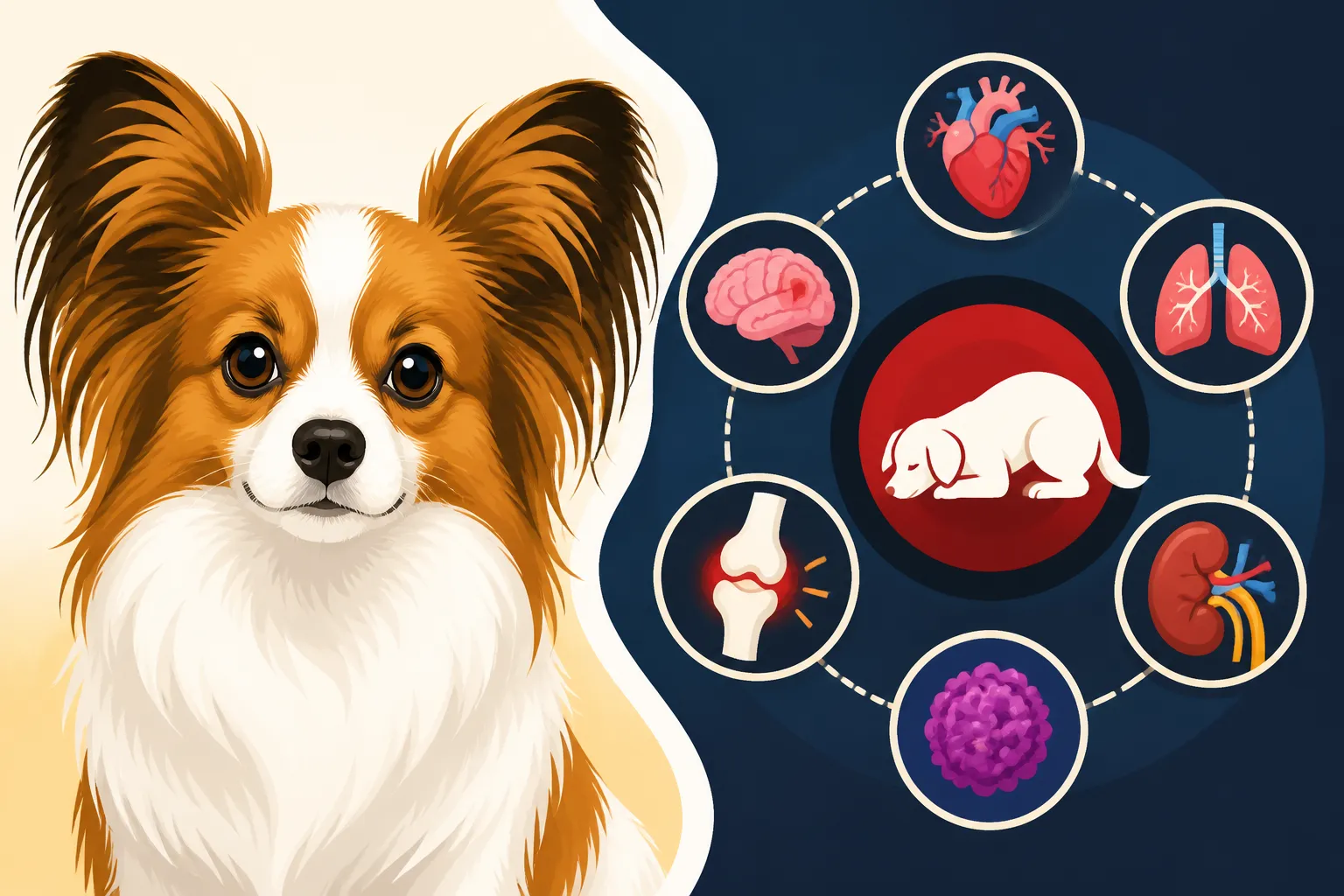
When we look at the statistics for senior dogs across all breeds, and specifically for Papillons, certain patterns emerge. The primary causes of death tend to fall into a few broad categories: various forms of cancer, heart disease, and organ failure. These aren't unique to Papillons, but their small size and genetic predispositions can sometimes influence how these conditions manifest or are managed.
It’s a common misconception that small dogs are automatically healthier, but they have their own set of vulnerabilities. While they might escape some of the orthopedic issues plaguing giant breeds, their delicate systems can be susceptible to others. For instance, tiny teeth crowded into a small jaw can lead to significant dental disease, which, if left unchecked, can impact organ health over time. Similarly, issues like Patellar Luxation Is the Papillon Problem You Will Actually Meet can, while not directly fatal, significantly reduce a Papillon's quality of life and complicate other medical treatments if not addressed. Being aware of these prevalent issues is the first step in providing informed care throughout your Papillon's life.
Cancer – A Major Concern for Papillons
Cancer is a word that strikes fear into the hearts of pet owners, and unfortunately, it's a leading cause of death in older dogs, Papillons included. Just like in humans, canine cancer can take many forms, affecting various organs and body systems.
Types of Cancers Often Seen in Papillons
While there isn't one specific "Papillon cancer" that stands out above all others, these little dogs can be susceptible to many of the same cancers seen in other breeds. Lymphoma, a cancer of the lymphatic system, is unfortunately common. Mast cell tumors, which can appear on or under the skin, are another frequent diagnosis. These can be particularly tricky because they can range from benign to highly aggressive. Mammary tumors are also a concern, especially in unspayed females, highlighting one of the many benefits of early spaying.
Osteosarcoma, a bone cancer, is less common in tiny breeds like Papillons but can occur. Other internal cancers, affecting organs like the spleen, liver, or kidneys, might also develop, often without obvious external signs until they are quite advanced. The sad truth is that cancer often progresses rapidly, and by the time symptoms are undeniable, the disease might be widespread. This underscores why vigilance and regular veterinary check-ups are so critically important for older Papillons.
Recognizing the Subtle Signs of Canine Cancer
One of the biggest frustrations for pet parents is how subtly cancer can begin, often mimicking other, less serious conditions. Your Papillon might just seem "off," perhaps a bit more tired than usual, or less enthusiastic about their favorite toy. Early signs can include unexplained weight loss, even if their appetite seems normal, or conversely, a sudden disinterest in food. Lethargy, a general lack of energy, or a reluctance to play are also red flags.
Physical changes like new lumps or bumps, or existing ones that suddenly change in size or texture, always warrant a vet visit. Don't assume a lump is benign; only a veterinarian can properly diagnose it. Other signs might include persistent lameness that isn't due to an obvious injury, changes in breathing or coughing, vomiting or diarrhea that doesn't resolve, or even just a general decline in their bright, alert demeanor. It's easy to dismiss these as "just old age," especially when a Papillon reaches The Age a Papillon Is Considered Senior, but it's always best to err on the side of caution and get them checked out. Timely intervention can make a world of difference in managing the disease and extending comfort.
Heart Disease – A Quiet Threat
Heart disease, particularly Mitral Valve Disease, is another significant cause of mortality, especially in smaller, older breeds like the Papillon. It’s a progressive condition that often develops silently over many years before overt symptoms appear.
Mitral Valve Disease and the Aging Papillon
Mitral Valve Disease (MVD) is incredibly common in Papillons and other small breeds. It's a degenerative condition where the mitral valve, one of the heart's valves, thickens and leaks, causing blood to flow backward into the left atrium with each heartbeat. This makes the heart work harder and can eventually lead to congestive heart failure. The frustrating part is that it often starts so gradually that you might not even notice a problem for a long time. Vets often detect the first signs as a heart murmur during routine check-ups, sometimes years before the dog shows any clinical symptoms.
This disease typically progresses with age, and it’s a major factor in what most Papillons die of. Understanding The Age a Papillon's Mitral Valve Starts to Leak can help owners be more proactive with cardiac screening as their beloved pet enters their senior years. While it can be disheartening to learn your Papillon has a murmur, early detection doesn't mean immediate despair. Many dogs live comfortably for years with MVD, especially with proper management.
Symptoms and Management of Heart Conditions
Recognizing the symptoms of heart disease is crucial for timely intervention. A persistent cough, especially one that sounds wet or worsens at night or after exercise, is a common sign. This cough often occurs as fluid builds up in the lungs. You might also notice your Papillon having less stamina during walks, becoming easily winded, or being reluctant to play. Fluid retention can also lead to a distended abdomen. In more severe cases, fainting or collapsing spells can occur.
If you notice any of these signs, it's vital to get your Papillon to the vet immediately. They can perform diagnostic tests such as X-rays, ultrasounds (echocardiograms), and blood tests to assess heart function. Management typically involves a combination of medications to help the heart pump more efficiently, reduce fluid buildup, and improve overall heart health. Regular monitoring and adjustments to medication are key to maintaining a good quality of life. For families concerned about the cost of managing such chronic conditions, pet insurance like Healthy Paws can be a real lifesaver, helping to cover expensive veterinary treatments and medications. It's worth investigating Whether a Papillon Gets Heart Disease and what steps can be taken for prevention or early management.
Organ Failure and Degenerative Conditions
Beyond cancer and heart disease, the natural aging process often brings about a decline in organ function, leading to conditions like kidney and liver disease, as well as neurological and cognitive changes. These insidious issues slowly chip away at a Papillon’s health and well-being.
Kidney and Liver Issues as Papillons Age
Just like us, a Papillon's kidneys and liver work hard throughout their lives, filtering toxins and maintaining essential bodily functions. As they age, these organs can become less efficient, leading to chronic kidney disease or liver disease. Symptoms of kidney disease often include increased thirst and urination, which can lead to accidents in the house. You might also notice a decrease in appetite, weight loss, lethargy, and a duller coat. Liver disease can present with similar non-specific signs, but might also include jaundice (yellowing of the skin or eyes), vomiting, diarrhea, or even neurological signs if toxins build up in the bloodstream.
These conditions are often discovered during routine senior bloodwork, which is why What a Papillon's Yearly Bloodwork Should Cover is such an important conversation to have with your veterinarian. Early detection, before the kidneys or liver are severely compromised, allows for dietary changes, medications, and fluid therapy that can significantly slow the progression of the disease and improve your Papillon's comfort and longevity. While organ failure is a common answer to "What Most Papillons Die Of," proactive management can help prevent it from being a sudden or painful end.
Neurological Decline and Cognitive Dysfunction
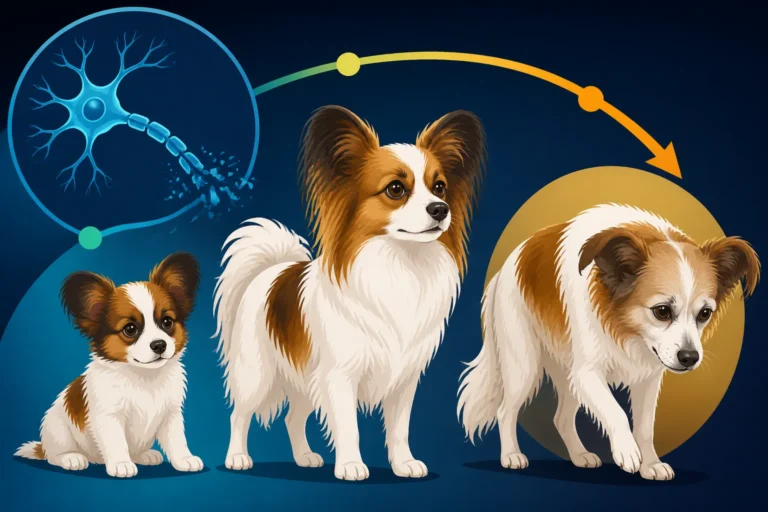
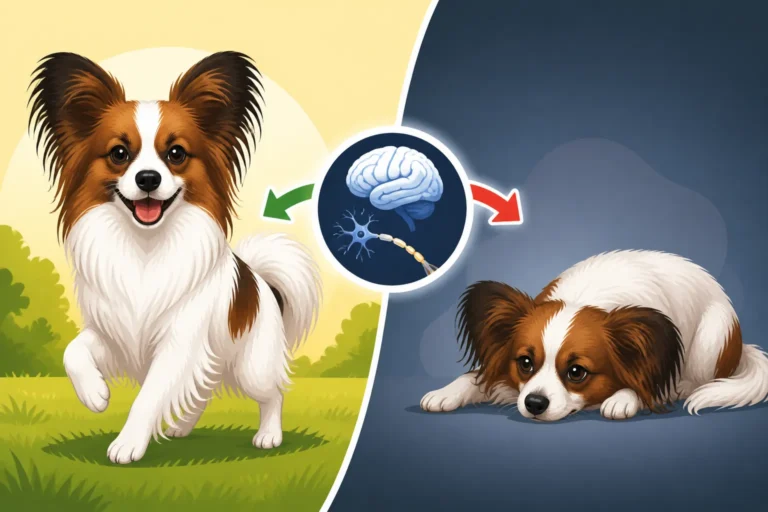
It’s heartbreaking to see your once-bright and engaged Papillon start to show signs of cognitive decline. Canine Cognitive Dysfunction Syndrome (CCDS) is the dog equivalent of dementia or Alzheimer's in humans. It's a progressive neurodegenerative disease that affects memory, learning, and overall awareness. This can be one of the most frustrating and sad changes to witness in an aging dog.
Signs of CCDS can include disorientation (getting lost in familiar surroundings, staring blankly at walls), changes in interaction with family members (less greeting, more withdrawn), alterations in sleep-wake cycles (pacing or barking at night, excessive sleeping during the day), and house-soiling accidents despite being perfectly house-trained for years. You might also notice changes in their activity levels or increased anxiety. It can be incredibly distressing to watch your vibrant companion experience Night Confusion in an Old Papillon, wandering aimlessly or barking into the darkness. While there’s no cure, certain medications, dietary supplements, and environmental enrichment can help manage symptoms and improve quality of life, allowing you to cherish your time with them.
Accidents, Injuries, and Other Causes
While chronic diseases are the leading causes of death in older Papillons, it’s important not to overlook acute events. Accidents and sudden injuries, though less common as an overall cause of death, can tragically cut short a Papillon’s life at any age.
The Vulnerability of Small Dogs to Accidents
Papillons are agile and spirited, but their small size also makes them inherently vulnerable to accidents that might barely faze a larger dog. A fall from a sofa, bed, or even a stair can result in serious fractures or head trauma. We love having our little companions on the furniture with us, but it’s critical to consider their safety. Many owners learn the hard way that Whether a Papillon Should Be Stopped From Jumping Off Furniture isn't just about their knees, but about protecting their delicate bones.
Accidental stepping or sitting on a tiny Papillon can also lead to catastrophic injury. This is a common, terrifying fear for owners of small dogs, especially in busy households. Dog parks, while great for some dogs, can be incredibly dangerous for Papillons if there are larger, boisterous dogs who don't understand how fragile a small dog can be. Even a playful nudge can result in severe internal injuries. Therefore, creating a safe, controlled environment is paramount, especially when your Papillon is young and unaware of these dangers.
Hypoglycemia in Puppies and Other Acute Issues
In the very early stages of life, severe hypoglycemia (low blood sugar) can be an acute and dangerous condition for tiny Papillon puppies. Their small bodies have limited reserves, and if they miss a meal or are stressed, their blood sugar can drop rapidly, leading to lethargy, disorientation, weakness, and even seizures or coma. This is one of the reasons why reputable breeders are so vigilant with young puppies and stress frequent feeding. Understanding Signs a Papillon Puppy Has Low Blood Sugar is crucial for any new owner.
Thankfully, with proper feeding schedules and careful monitoring, puppies generally outgrow this vulnerability. Other acute issues, while rare, can include severe infections, poisoning, or sudden, aggressive illnesses that progress too rapidly for effective treatment. While these aren't typically "what most Papillons die of" in terms of overall statistics, they represent tragic possibilities that remind us to always be alert to sudden changes in our pets' health at any age.
Proactive Care and Supporting a Long Life
While some health issues are unavoidable, much can be done to promote a long, healthy, and happy life for your Papillon. Proactive care is the cornerstone of responsible pet ownership, helping to prevent problems and catch others early when they are most treatable.
The Role of Regular Veterinary Check-ups
There's simply no substitute for consistent veterinary care. Regular check-ups are not just about vaccinations; they are comprehensive health assessments that track your Papillon's well-being over time. For younger Papillons, annual visits are typically sufficient, but as they age, especially once they are Caring for a Papillon Past Eleven, bi-annual visits are often recommended. These appointments allow your vet to perform thorough physical exams, listen to their heart and lungs for murmurs or unusual sounds, palpate their abdomen for any abnormalities, and check their teeth for signs of dental disease.
Crucially, these visits provide an opportunity for preventative screenings, like the yearly bloodwork we discussed earlier, which can detect organ dysfunction long before symptoms appear. Your vet is also your best resource for advice on nutrition, exercise, and any behavioral changes you might be observing. Don't underestimate the power of these routine visits; they are fundamental to addressing "What Most Papillons Die Of" before it becomes a crisis. Many breeders will also ensure their puppies come from lines that have undergone What a Papillon Breeder Should Have Tested to minimize genetic predispositions to certain conditions. If you're wondering How Often a Papillon Needs a Wellness Exam, it's best to follow your vet's recommendation, which usually increases with age.
Quality Nutrition and Lifestyle Choices
A high-quality diet tailored to your Papillon's age, weight, and activity level is paramount. Good nutrition supports organ function, maintains a healthy immune system, and provides the energy for their playful nature. Avoid overfeeding, as obesity can exacerbate joint problems, heart disease, and diabetes, significantly reducing both quality and length of life. Regularly monitoring their weight and body condition is essential.
Beyond food, regular, appropriate exercise is key. Papillons, despite their small size, are active and intelligent dogs who thrive on walks, playtime, and mental stimulation. Daily walks and opportunities to safely run and explore are crucial. Think about puzzle toys, training sessions, and even agility (if their physical health permits) to keep their minds sharp. A balanced lifestyle not only contributes to physical health but also enriches their emotional well-being, helping them stay engaged and joyful throughout their lives.
Considering Pet Insurance for Peace of Mind
Navigating serious health issues can be incredibly stressful, not just emotionally, but financially. This is where pet insurance can truly make a difference. While no one wants to think about their dog getting sick, having a policy in place means you can focus on making the best medical decisions for your Papillon without the added burden of overwhelming vet bills.
For conditions like cancer treatments, extensive cardiac care, or managing chronic organ disease, costs can quickly add up. A good pet insurance plan, such as those offered by Healthy Paws, can cover a significant portion of these expenses, from diagnostic tests and specialist consultations to medications and emergency surgeries. It’s an investment in your peace of mind and your Papillon’s health. Learning What Insurance Covers on a Papillon can help you choose a plan that's right for you and your furry family member, ensuring you're prepared for whatever life throws your way.
Summary of Papillon End-of-Life Concerns
To provide a clear overview of the leading causes of death and the associated age ranges and symptoms in Papillons, I’ve created a table below. This isn't meant to be exhaustive but highlights the most common scenarios discussed in this guide.
| Cause of Death | Typical Age Range (Papillons) | Key Symptoms | Prevention/Management |
|---|---|---|---|
| Cancer | Senior (10+ years) | Lumps, unexplained weight loss, lethargy, appetite change | Regular vet checks, prompt investigation of lumps, healthy lifestyle |
| Heart Disease (MVD) | Senior (8+ years, often diagnosed earlier) | Persistent cough, exercise intolerance, fainting, fluid retention | Regular vet checks (listen for murmurs), cardiac screening, medication |
| Kidney Failure | Senior (10+ years) | Increased thirst/urination, appetite loss, lethargy, weight loss | Annual senior bloodwork, specialized diet, fluid therapy |
| Liver Failure | Senior (10+ years) | Vomiting, jaundice, lethargy, appetite loss | Annual senior bloodwork, specialized diet, medication |
| Cognitive Dysfunction | Senior (12+ years) | Disorientation, house-soiling, altered sleep cycles, anxiety | Medications, environmental enrichment, routine, mental stimulation |
| Accidents/Trauma | Any age, higher risk for young/active | Fractures, internal injury, head trauma (acute onset) | Safe home environment, supervision, avoid risky situations |
| Acute Hypoglycemia | Puppy (under 4 months) | Weakness, lethargy, tremors, seizures | Frequent, regular feeding, monitor food intake |
Remember, this table is a general guide. Every Papillon is an individual, and their health journey will be unique.
Disclaimer
The information provided in this article is for educational and informational purposes only and does not constitute veterinary advice. Always consult with a qualified veterinarian for any health concerns or before making any decisions about your pet's medical care.