The Age a Papillon’s Mitral Valve Starts to Leak
It’s a heartbreaking reality that as our beloved Papillons age, their tiny bodies, like our own, can start to show wear and tear. One of the most common and often silently progressing concerns for small breed owners, particularly as their little companions reach their golden years, is the health of their heart. Specifically, the question of when a Papillon’s mitral valve might start to leak is a worry that keeps many of us up at night. This guide aims to shed light on this significant health issue, offering a thorough understanding of mitral valve disease, its typical onset in Papillons, and how we can best support our cherished furry family members through it.
Understanding Mitral Valve Disease in Papillons
When we talk about heart health in our Papillons, we often focus on something called mitral valve disease, or MVD. It’s a bit of a mouthful, but understanding what it means can make a huge difference in how you approach your dog’s care as they get older.
What Exactly is a Leaky Mitral Valve?
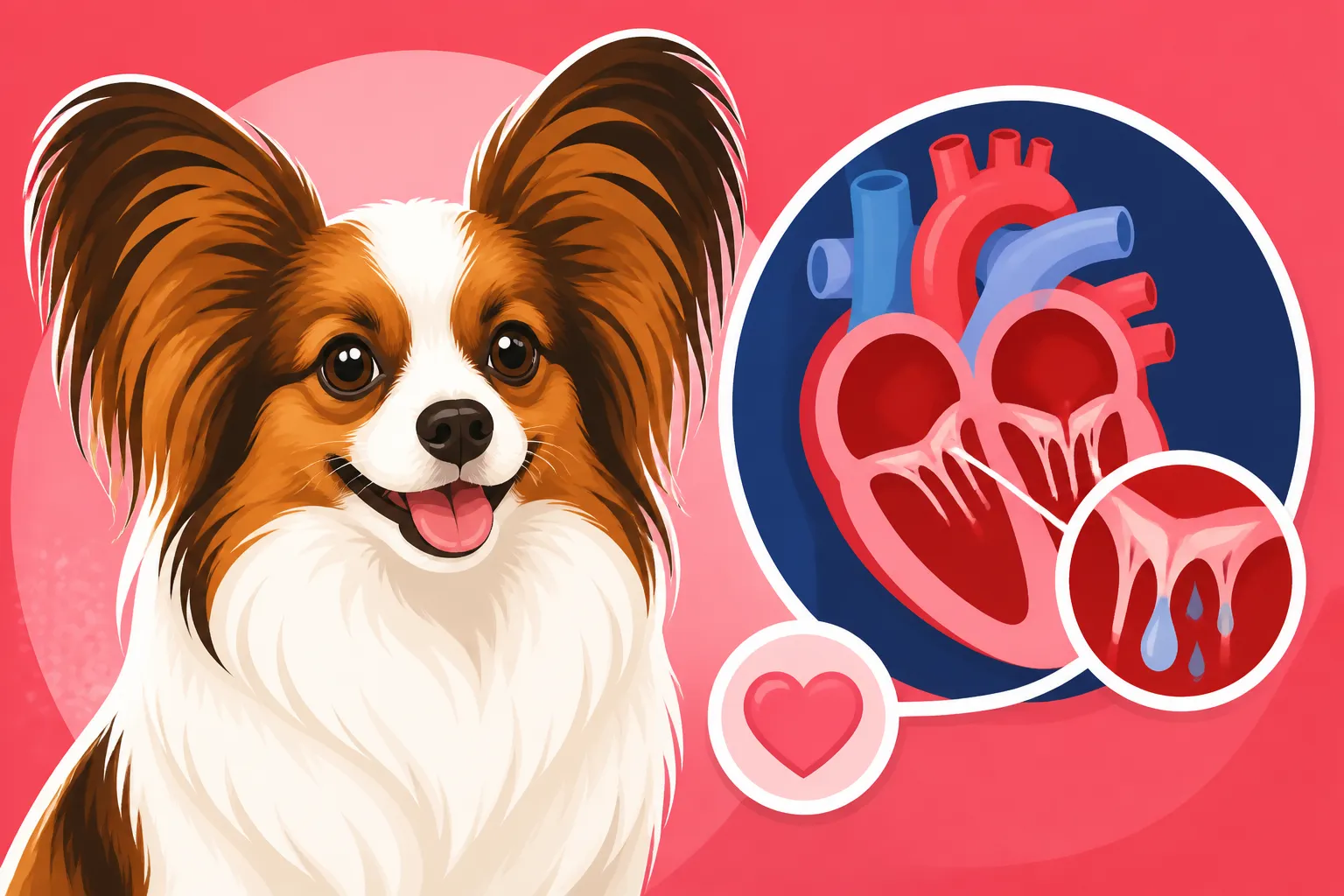
Imagine your Papillon's heart as a beautifully intricate, tiny pump, working tirelessly to send blood all over their body. This pump has four chambers, and in between some of these chambers are valves – like little doors that open and close to ensure blood flows in the right direction. The mitral valve is one of these crucial "doors," located on the left side of the heart, specifically between the upper chamber (left atrium) and the main pumping chamber (left ventricle). Its job is vital: it opens to let oxygen-rich blood flow from the lungs into the left ventricle, and then snaps shut tightly when the ventricle contracts, preventing that blood from flowing backward into the atrium.
Now, when we talk about a "leaky mitral valve," what we're really describing is a condition where this door doesn't close completely anymore. Over time, for reasons we'll get into, the flaps of the mitral valve can thicken and become distorted, losing their ability to create a perfect seal. This means that with each beat of the heart, a small amount of blood (or sometimes a significant amount) leaks backward into the left atrium instead of all going forward into the body. This backward flow is called regurgitation. The medical term for this progressive thickening and degeneration of the valve is Myxomatous Mitral Valve Degeneration (MMVD), or sometimes just Endocardiosis. It’s a slow, insidious process that gradually puts extra strain on the heart, making it work harder to maintain proper blood circulation.
Why Small Breeds Like Papillons Are More Susceptible
It feels so unfair, doesn't it? Our tiny, spirited Papillons, with their delicate frames and huge personalities, seem to carry a disproportionate risk for certain health issues. Unfortunately, mitral valve disease is very much one of them. While MVD is the most common heart disease diagnosed in dogs overall, it specifically targets small breeds. Breeds like Cavaliers King Charles Spaniels, Chihuahuas, Dachshunds, and yes, our beloved Papillons, have a well-documented genetic predisposition to developing this condition. It's not usually something they're born with in terms of a faulty valve from day one; rather, it’s a degenerative disease that slowly unfolds over many years.
The exact genetic mechanisms are complex and not fully understood, but it's clear that the genes these small dogs carry make them more prone to the valve tissue thickening and failing over time. This isn't a reflection of poor care or something you did wrong as an owner; it's simply a predisposition within the breed. Because it's a slow, progressive disease, many Papillons will live for years with a mild form of MVD without ever showing outward signs of heart failure. However, for some, the disease will progress more rapidly, eventually leading to symptoms that significantly impact their quality of life. Knowing this predisposition is why regular veterinary checks are so important – catching these subtle changes early can truly make a difference.
When Does Mitral Valve Leakage Typically Begin in Papillons?
This is often the million-dollar question for many Papillon owners: "When should I start worrying?" The truth is, there's no single exact date on the calendar, but there are typical patterns that can help guide your vigilance.
The Typical Age of Onset for MVD
For most Papillons, if they are going to develop a leaky mitral valve, it tends to make its appearance in their mid-to-late life. We're generally talking about dogs around 8 to 10 years old or older when the first subtle signs, like a heart murmur, might be detected by your veterinarian during a routine check-up. However, and this is important to note, some Papillons can develop the condition earlier, even in their middle years, around 6 or 7. It really varies from dog to dog and even within different lines of Papillons.
The tricky part is that the very first stages of MVD are often completely asymptomatic. Your dog will be happily prancing around, chasing toys, and demanding cuddles, showing no outward signs that anything is amiss internally. The only way to detect it at this early stage is for a skilled veterinarian to listen to their heart with a stethoscope and identify a heart murmur. A murmur is essentially the sound of turbulent blood flow, which happens when the valve isn't closing perfectly and blood is leaking backward. The severity of this murmur can then be graded (from I to VI), giving your vet an idea of how significant the leakage might be.
It's a testament to the hardiness and zest for life of many Papillons that some can live long, fulfilling lives well into their teens, like the topic covered in "How Long a Papillon Lives", even with a mild heart murmur. Others, however, might see a faster progression of the disease, moving from a mild murmur to more significant symptoms in a shorter span. This is why vigilance and regular vet visits become increasingly paramount as your Papillon enters their senior years.
Recognizing the Early Warning Signs of Heart Disease
While a heart murmur is usually the first clinical sign a vet picks up, there are subtle changes at home that you, as their dedicated owner, might notice. These aren't always obvious and can easily be mistaken for "just getting old" or other minor ailments, which is why it's crucial to be aware.
One of the earliest changes might be a reduction in energy or enthusiasm. Your once tireless Papillon might seem a little less keen on their usual vigorous walks or a game of fetch. They might tire more quickly during playtime or seem to want to nap more often. Don't just dismiss this as old age; it could be their heart struggling a bit more to keep up with demand.
Another common early sign is a cough, especially one that occurs at night or when they're resting. This isn't your typical hacking cough from a throat irritation; it’s often a soft, dry cough that owners sometimes mistake for a bit of a cold or even "kennel cough." This cough happens because the enlarged heart, or fluid building up in the lungs due to heart failure, presses on the airways. If your Papillon starts coughing more, particularly when they're lying down trying to sleep, it's definitely time for a vet visit.
You might also notice changes in their breathing. They might breathe faster or with more effort, even when they're completely at rest. Watch their belly and chest: if they're moving more dramatically than usual to breathe, or if their resting respiratory rate seems higher, it's a red flag. A normal resting respiratory rate for a dog is typically between 15-30 breaths per minute. You can count this when they're calm and sleeping to establish a baseline.
More advanced signs, which mean the disease has progressed significantly, include fainting or collapsing (syncope). This happens when the heart isn't pumping enough oxygenated blood to the brain. It can look terrifying, but usually, the dog recovers quickly. If your Papillon faints, it's an emergency. Other later signs can include weight loss or a decreased appetite, as the body struggles and isn't absorbing nutrients effectively, and abdominal swelling due to fluid retention. These symptoms can be distressing, so understanding "What Changes in a Papillon After Eleven" can help prepare you for the kinds of things that might appear in their later years. While dental disease is a common problem in Papillons, as discussed in "How Common Dental Disease Is in Papillons", it's important to remember that oral health can impact overall systemic health, including the heart, making routine checks even more important.
Diagnosing and Managing MVD in Your Papillon
Catching MVD early and managing it proactively can significantly improve your Papillon's quality of life and potentially extend their time with you. This journey starts with your veterinarian.
The Importance of Regular Vet Check-ups and Cardiac Exams
Given the breed's predisposition to MVD and other age-related conditions, regular vet check-ups are non-negotiable. For younger Papillons, an annual wellness exam is usually sufficient. However, as they cross into their senior years (typically around 8 or 9 for a Papillon, as detailed in "The Age a Papillon Is Considered Senior"), your vet might recommend bi-annual visits. These routine appointments, as highlighted in "How Often a Papillon Needs a Wellness Exam", are invaluable because they allow your veterinarian to do one of the most critical things: listen to your dog’s heart.
During this listening session, your vet will be specifically tuned in for a heart murmur. If a murmur is detected, they will usually grade its intensity from I (very subtle) to VI (very loud, often palpable). A grade I murmur might just be something to monitor, but a higher grade, or a murmur that changes over time, warrants further investigation. This initial detection is often the first tangible sign that your Papillon’s mitral valve might be starting to leak.
If a murmur is found, or if your Papillon is showing any of the subtle signs of heart disease we discussed earlier, your vet will likely recommend a more focused cardiac exam. This isn't just listening to the heart again; it involves specialized diagnostics to get a clearer picture of what's happening inside. This proactive approach, as explored in "Whether a Papillon Needs a Cardiac Exam", can be the key to implementing interventions before the disease significantly progresses.
Diagnostic Tools and Treatment Options
Once a heart murmur is detected, or if symptoms suggest cardiac issues, your vet will likely recommend a series of diagnostic tests.
The gold standard for diagnosing and staging MVD is an echocardiogram. Think of this as an ultrasound of the heart. It provides real-time images of the heart's structure, allowing the vet to see the mitral valve in action, measure its thickness, assess the size of the heart chambers, and even visualize the blood flow to detect regurgitation. This test helps determine the severity of the leakage and how much the heart has been affected.
Other useful diagnostic tools include:
- Chest X-rays: These can show if the heart is enlarged and if there's any fluid buildup in the lungs (pulmonary edema), which is a sign of congestive heart failure.
- Electrocardiogram (ECG): This measures the electrical activity of the heart and can detect abnormal rhythms (arrhythmias).
- Blood tests: These are often run to check kidney function and electrolyte levels, especially if diuretic medications are being considered, as some heart medications can impact these organs.
Based on the diagnosis and the stage of MVD, your vet will discuss treatment options. Unfortunately, there's no cure for MVD, but there are highly effective medications that can manage symptoms, slow progression, and improve your Papillon's quality of life. Common medications include:
- Pimobendan: This is often a game-changer. It helps the heart muscle contract more efficiently and also acts as a vasodilator, opening up blood vessels to reduce the workload on the heart.
- ACE inhibitors (e.g., Enalapril): These drugs help relax blood vessels, lowering blood pressure and reducing the heart's workload.
- Diuretics (e.g., Furosemide): If fluid is building up in the lungs or abdomen, diuretics help the body shed excess water, relieving congestion and making breathing easier.
- Beta-blockers: Sometimes used to control heart rate or arrhythmias.
In some cases, your vet might recommend a consultation with a board-certified veterinary cardiologist, especially if the disease is progressing rapidly or if complex medication protocols are needed. It's reassuring to know that many of these diagnostic tests and long-term medications can be quite costly, but pet insurance plans, like those offered by Healthy Paws, often provide excellent coverage for chronic conditions such as MVD, helping to ease the financial burden.
Living Comfortably with a Papillon with MVD
Once your Papillon has been diagnosed and is on a treatment plan, your role as their caregiver becomes incredibly important in ensuring their comfort and well-being.
Monitoring at home is key. You'll want to keep a close eye on their resting respiratory rate, noting any increases. Track how often they cough and if it seems to be getting worse. Pay attention to their appetite and energy levels. Many vets will give you a log to help record these observations, which can be invaluable during follow-up appointments.
Maintaining a healthy weight is crucial. Extra pounds mean extra work for an already compromised heart. Work with your vet to ensure your Papillon stays at their ideal weight. This might involve adjusting their diet and treat intake. This is especially true as "Whether Weight Affects a Papillon's Knees" also makes it clear how weight impacts other body systems.
Controlled exercise is also important. While a Papillon with MVD shouldn't be running marathons or engaging in high-impact agility, gentle, short walks are still beneficial. They help maintain muscle tone and mental stimulation without overworking the heart. Listen to your dog; if they seem tired, it's time to rest.
Creating a comfortable and low-stress environment can also make a big difference. Avoid situations that cause excessive excitement or anxiety, which can elevate heart rate and blood pressure. A cozy, quiet place to rest is essential.
Remember that this journey can take an emotional toll on you too. It's hard to watch our beloved companions face these challenges. Lean on your veterinary team for support and don't hesitate to ask questions. Regular follow-up appointments, as often as your vet recommends, are vital to monitor the disease's progression and adjust medications as needed. Taking care of an older Papillon with MVD is part of "Caring for a Papillon Past Eleven," and requires patience, observation, and a deep commitment to their comfort.
Here's a quick overview of MVD stages and general management:
| MVD Stage | Description | Common Symptoms | Diagnostic Findings | Management Strategies |
|---|---|---|---|---|
| A | At risk, but no structural heart changes | None | Breed predisposition, no murmur | Preventative care, weight management |
| B1 | Murmur present, no structural heart enlargement | None | Murmur present, normal heart size on echo/X-ray | Regular monitoring, perhaps diet changes |
| B2 | Murmur present, structural heart enlargement | None (or very subtle signs like slight cough) | Murmur present, enlarged heart on echo/X-ray | Start medications (e.g., Pimobendan), close monitoring |
| C | Symptoms of heart failure present | Coughing, breathing difficulty, lethargy, fainting | Enlarged heart, fluid in lungs, symptoms of CHF | Aggressive medication (diuretics, ACEi, Pimobendan) |
| D | End-stage heart failure, refractory to standard Rx | Severe symptoms despite maximal oral medication | Severe CHF, extensive heart changes | Advanced therapies, palliative care, oxygen therapy |
This table provides a simplified overview. Your veterinarian will provide specific staging and treatment tailored to your Papillon's individual needs.
Proactive Care and Supporting Your Papillon's Heart Health
While MVD is a common and often unavoidable part of aging for many Papillons, there are ways you can be proactive and support your dog's overall heart health, potentially delaying onset or managing progression more effectively.
The Role of Genetics and Responsible Breeding
It’s truly frustrating that something as significant as MVD doesn’t have a simple genetic test like some other conditions. For instance, you can get a DNA test for Progressive Retinal Atrophy (PRA1), as discussed in "The DNA Test for Papillon Retinal Atrophy," which helps breeders make informed decisions. Unfortunately, MVD is a polygenic disease, meaning multiple genes are involved, making a single test impossible. This means that even with the best intentions, perfectly healthy parents can sometimes produce offspring who develop the disease.
However, responsible breeders still play a crucial role. While there's no "MVD clear" genetic certificate, reputable breeders should be aware of the cardiac health in their breeding lines. They should be able to provide information on the heart health of their breeding dogs and their ancestors, often including reports from regular cardiac exams performed by a veterinary cardiologist. Selecting a puppy from parents with good cardiac history—meaning they showed no signs of murmurs at an older age or had mild, stable murmurs for many years—is the best preventative measure an owner can take. This aligns with the broader advice found in "What a Papillon Breeder Should Have Tested" and "Which Health Tests a Papillon Breeder Should Run," emphasizing the importance of a breeder's commitment to health screening across the board. While it’s not a guarantee, it significantly stacks the odds in your Papillon’s favor.
Nutritional Support and Lifestyle Adjustments
Beyond genetics, your daily care routine at home makes a tremendous difference in your Papillon’s overall health, including their heart.
A high-quality diet is fundamental. Feed a diet that is appropriate for small breeds, providing all necessary nutrients to maintain an ideal body weight. Obesity puts additional strain on the heart, making any underlying MVD worse. If your Papillon is overweight, work with your vet to implement a gradual weight loss plan.
Avoiding excessive sodium is also important, particularly as your Papillon ages. Highly processed human foods, many commercial treats, and even some dog foods can be surprisingly high in sodium. Opt for low-sodium treats and speak with your vet about specific dietary recommendations if MVD is diagnosed.
Surprisingly, dental hygiene is a critical component of heart health. Bacteria from severe dental disease can enter the bloodstream and travel to the heart, potentially exacerbating existing heart conditions or even contributing to new ones. This is why daily tooth brushing, as detailed in "Brushing a Papillon's Teeth in a Very Small Mouth," and regular professional dental cleanings are not just about fresh breath; they are vital for systemic health. Given "How Often a Papillon Needs a Dental Cleaning", incorporating this into your routine is extremely important. Again, a good pet insurance plan, such as Healthy Paws, can often help with the costs associated with necessary dental work, especially when it's linked to overall health.
Finally, regular, moderate exercise is key. Just like in humans, exercise keeps the cardiovascular system strong. This doesn't mean extreme sports; it means consistent, appropriate activity that keeps your Papillon fit without overexerting them. Think about stimulating walks and interactive play that matches their energy level. A healthy lifestyle gives your Papillon the best possible chance at a long, vibrant life, even with a predisposition to conditions like MVD.
Disclaimer
The information provided in this article is for general informational purposes only and is not a substitute for professional veterinary advice. Always consult with a qualified veterinarian regarding any health concerns or before making any decisions about your pet's medical care.