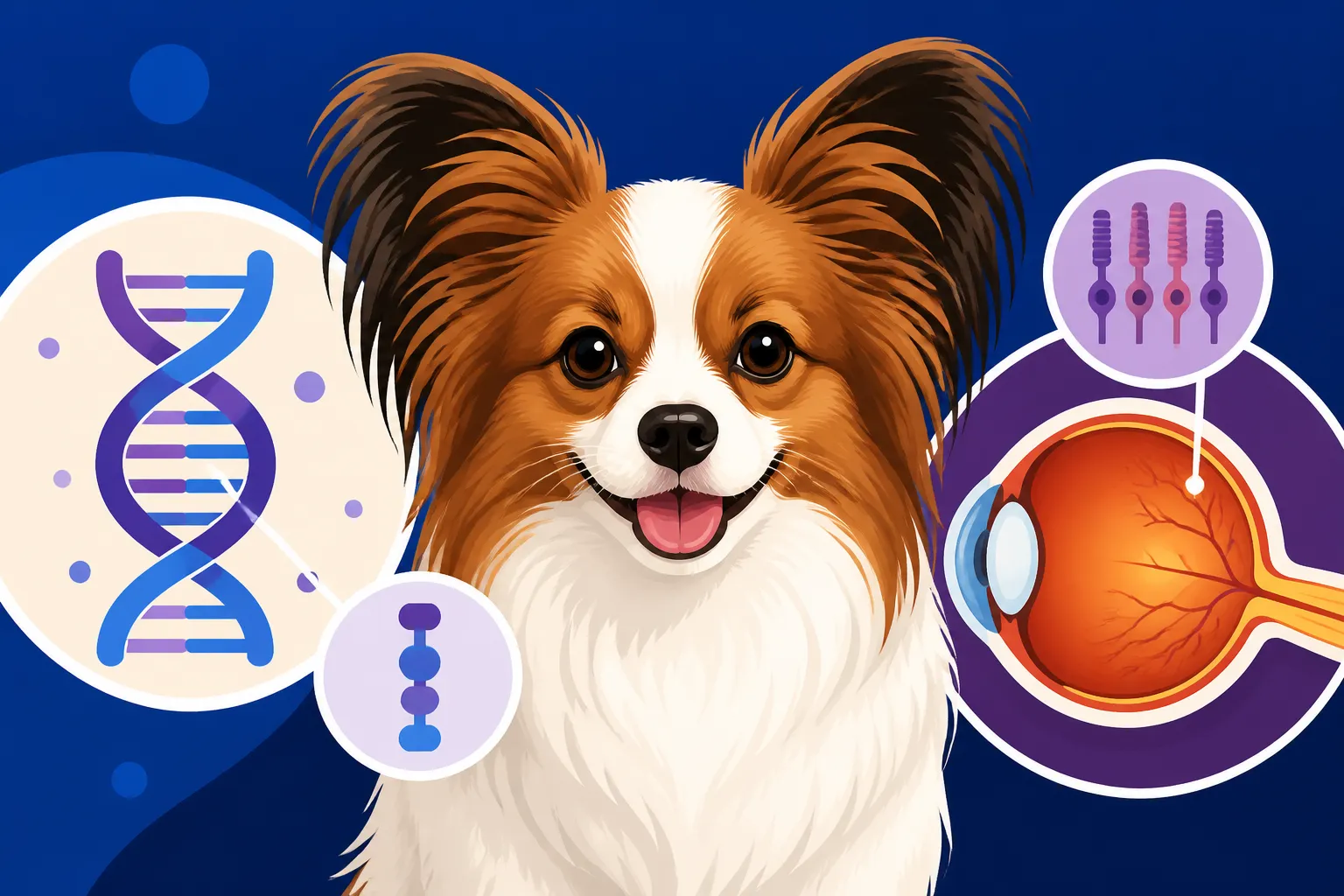
Which Gene Causes PRA in a Papillon
It's absolutely heartbreaking when you discover a health issue in your beloved Papillon, especially one that could affect their sight. The thought of your vibrant, active little butterfly dog slowly losing their ability to see the world around them is enough to send a shiver down any owner's spine. Progressive Retinal Atrophy (PRA) is one such condition that can steal a Papillon's vision, and understanding which gene causes it is the first, crucial step toward managing it or, even better, preventing it. This guide will meticulously break down the specific genetic culprit behind PRA in Papillons, how it's inherited, what it means for affected dogs and their families, and how we, as responsible owners and breeders, can make a difference.
Understanding Progressive Retinal Atrophy in Papillons
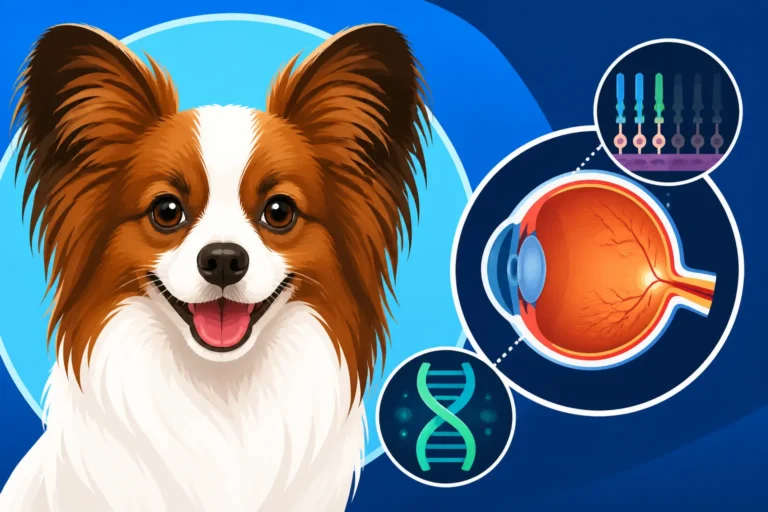
Progressive Retinal Atrophy (PRA) isn't just one disease; it's a catch-all term for a group of genetic eye disorders that all lead to the degeneration of the retina. Think of the retina as the "film" in a camera – it's responsible for capturing light and sending those signals to the brain to create images. When the cells in the retina start to break down, vision inevitably declines.
What is PRA and How Does It Affect Vision?
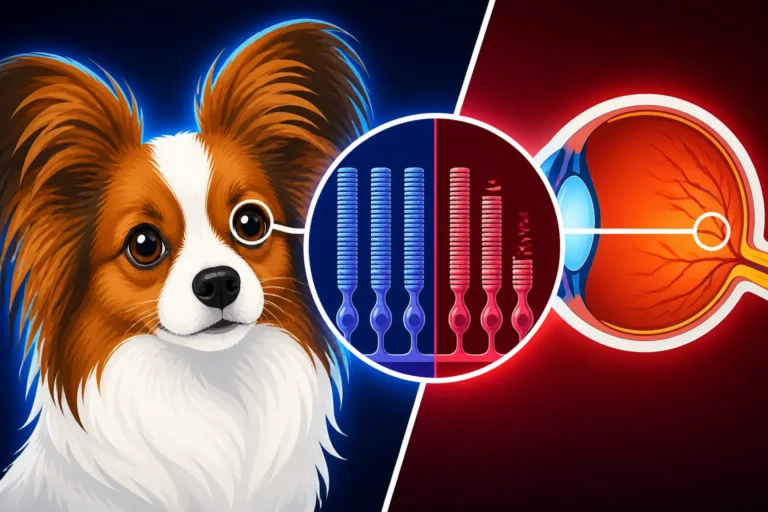
At its core, PRA involves the gradual deterioration of the photoreceptor cells in the retina: the rods and cones. Rods are the workhorses of low-light vision, helping your dog see in dim conditions and detect movement, while cones are all about bright light, color perception, and fine detail. In most forms of PRA, the rods are affected first, leading to night blindness. Imagine trying to navigate your house in the dark, bumping into furniture you know is there – that's what early PRA can feel like for your dog. Over time, as the disease progresses, the cones also begin to degenerate, eventually leading to complete blindness. It's a slow, insidious process that can be incredibly distressing to witness.
For Papillons, the specific type of PRA they are prone to is known as PRA1. Unlike some other breeds where PRA might manifest later in life, PRA1 in Papillons can begin to show its insidious signs fairly early. Owners might first notice their usually confident dog hesitating in dimly lit rooms or becoming more clumsy on evening walks. The progression isn't uniform for every dog, but the trajectory is generally the same: from night blindness to eventual total vision loss. For a breed as agile and intelligent as the Papillon, who relies so much on their sharp senses, this loss can be particularly challenging.
The Unique Presentation of PRA1 in Papillons
While the general mechanism of PRA—retinal degeneration—is similar across breeds, the specific genetic mutations and clinical presentations can vary. The Papillon's form, PRA1, is distinct. It’s an early-onset condition, meaning the symptoms can appear when your Papillon is still relatively young, sometimes as early as 18 months to two years of age. This can be particularly shocking for owners who expect their young, vibrant dog to have many years of perfect health ahead. You might first notice subtle changes, like your Papillon becoming reluctant to go outside after dark or bumping into familiar objects when the lights are low. This isn't just clumsiness; it's a clear indicator that their night vision is failing.
Understanding Why a Papillon Can Go Blind at Night and Still See in Daylight is crucial because it highlights the initial impact of rod cell degeneration. The rod cells, which are primarily responsible for seeing in low light, are the first to be significantly impacted by PRA1. This means your Papillon might still navigate perfectly fine during the day, happily chasing toys or exploring the yard, but as soon as dusk falls or they enter a dimly lit room, their confidence plummets. They might walk with a more hesitant gait, sniff the ground more, or even become startled by objects they couldn't see. These are the very first Signs a Papillon Is Losing Night Vision and should prompt an immediate discussion with your veterinarian. Recognizing these early signs can help you prepare and make necessary adjustments to your home environment to support your dog.
Pinpointing the Genetic Culprit: The CNGB1 Gene
When it comes to Papillon PRA1, we're not talking about a mystery illness anymore. Thanks to advancements in canine genetics, the specific gene responsible has been identified, giving us a powerful tool for diagnosis and prevention. This gene is called CNGB1.
The Role of the CNGB1 Gene
The CNGB1 gene plays a vital role in the function of photoreceptor cells, particularly the rod cells, which, as we discussed, are critical for low-light vision. Specifically, the protein produced by the CNGB1 gene is a component of a larger protein complex called the cyclic GMP-gated channel. This channel is like a gatekeeper in the rod cells, responsible for converting light signals into electrical signals that the brain can interpret. In a healthy dog, the CNGB1 gene ensures this channel works perfectly, allowing for clear vision even in dim conditions.
However, in Papillons affected by PRA1, there's a specific mutation in the CNGB1 gene – a "frameshift" mutation, to be precise. This tiny error in the genetic code means the protein produced is faulty and non-functional. Consequently, the crucial light-sensing process in the rod cells is severely disrupted. This is exactly What the CNGB1 Frameshift Does to a Papillon's Rods. Without properly functioning rod cells, the dog loses its ability to detect light efficiently, leading to the characteristic night blindness associated with PRA1. Over time, this cellular malfunction also impacts the cone cells, leading to a more widespread retinal degeneration and ultimately total blindness. This is why knowing about The Papillon Type of Progressive Retinal Atrophy and the CNGB1 Gene is so crucial for Papillon owners and breeders alike.
Autosomal Recessive Inheritance Explained
Understanding how this faulty CNGB1 gene gets passed down is fundamental to preventing PRA1. The mode of inheritance for PRA1 in Papillons is autosomal recessive. Now, don't let those fancy words intimidate you; it's quite straightforward once you break it down.
"Autosomal" simply means the gene is located on a non-sex chromosome, so it affects both males and females equally. "Recessive" is the key part: it means that a dog needs two copies of the faulty gene – one from each parent – to actually develop the disease.
Here's how it works:
- Clear Dog: A dog with two normal copies of the gene (let's say "NN"). This dog will never develop PRA1 and cannot pass the faulty gene to its offspring.
- Carrier Dog: A dog with one normal copy and one faulty copy of the gene (e.g., "Nn"). This dog will not develop PRA1 themselves because the normal gene copy compensates for the faulty one. However, they can pass the faulty gene ("n") to their puppies.
- Affected Dog: A dog with two faulty copies of the gene (e.g., "nn"). This dog will develop PRA1 because there's no normal gene copy to override the faulty ones.
This recessive pattern is really important because it means a carrier parent looks perfectly healthy, showing no signs of PRA, but can still produce affected puppies if bred with another carrier. This is How PRA1 Is Inherited in Papillons and why genetic testing is so vital. If you breed two carrier dogs, there's a 25% chance of producing an affected puppy, a 50% chance of producing carrier puppies, and a 25% chance of producing clear puppies. This genetic lottery is exactly what responsible breeders aim to avoid through careful testing and selection.
The Impact of a Genetic Diagnosis
Receiving a diagnosis of PRA in your Papillon can be devastating. It's natural to feel overwhelmed, sad, or even a bit angry. But remember, a diagnosis is also a pathway to understanding and proactive care. While there's no cure for PRA, there's a lot you can do to ensure your Papillon lives a full and happy life, even with diminishing vision.
Living with an Affected Papillon
If your Papillon is diagnosed with PRA1, the journey will involve adapting to their progressive vision loss. Initially, you'll likely notice them struggling in low-light conditions, becoming hesitant or bumping into things at dusk or in dark rooms. Over time, as their daylight vision also deteriorates, they will learn to navigate their world primarily through their other senses – smell, hearing, and touch. It’s remarkable how adaptable dogs are. They’ll start to map out their environment, relying on memory and scent cues.
One of the biggest concerns for owners is whether their Papillon will start Whether a Papillon With PRA Bumps Into Things. In the early stages, especially in unfamiliar environments or when their night vision first fails, yes, they absolutely might. They might be startled, and it can be disorienting. However, dogs are incredible at compensating. Keeping your furniture in consistent locations, providing clear pathways, and using scent markers (like a drop of essential oil on furniture legs) can help them build a mental map of their home. Consider using different textures on the floor to signal changes in area, like a rug near a doorway. Consistent routines are key, as is patience and reassurance. It's a learning process for both of you. Many completely blind dogs live incredibly joyful lives, especially with a dedicated owner who understands their needs and provides a safe, predictable environment.
Why Early Testing Matters for Breeding
For breeders, genetic testing for PRA1 isn't just important; it's an ethical imperative. Without knowing the genetic status of breeding stock, you're essentially playing Russian roulette with the health of future generations. A carrier dog, outwardly healthy and seemingly perfect, can unwittingly pass on the faulty CNGB1 gene. If that carrier is bred to another carrier, the risk of producing affected puppies is 25%, which is a significant chance to take.
This is why DNA testing for PRA1 is such a game-changer. It allows breeders to identify clear, carrier, and affected dogs before any breeding takes place. Armed with this knowledge, breeders can make informed decisions to eliminate the disease from their lines. It ensures that puppies born are either clear or, at worst, carriers that will never develop the disease themselves, as long as they are bred responsibly in the future. This proactive approach is a cornerstone of responsible breeding and is a key part of What a Papillon Breeder Should Have Tested before planning a litter. It demonstrates a commitment to the long-term health and well-being of the breed, helping to ensure that future Papillons enjoy full, sight-filled lives.
Navigating Testing and Management
Facing a potential genetic disease can feel daunting, but thankfully, with PRA1 in Papillons, we have clear tools for identification and strategies for support.
DNA Testing for the CNGB1 Mutation
The process for DNA testing your Papillon for the CNGB1 mutation is surprisingly simple and non-invasive. It typically involves a buccal swab, which is essentially just rubbing a sterile cotton swab inside your dog's cheek to collect some cells. This can often be done by you at home, or by your veterinarian. The swab is then sent to a specialized veterinary genetics laboratory.
There are several reputable labs that offer this test. For example, the Orthopedic Foundation for Animals (OFA) maintains a public database of health testing, and labs like OptiGen or Canine Genetic Diseases Network (CGDN) frequently perform these specific tests. It's always best to check with your breeder or national breed club (like the Papillon Club of America) for recommended testing facilities. These labs will then analyze the DNA sample for the specific frameshift mutation in the CNGB1 gene. The results will come back indicating if your dog is "Clear," "Carrier," or "Affected." This definitive answer provides invaluable information, especially for breeding decisions. If you're wondering Where to Send a Papillon's PRA1 Swab, your breeder or vet can certainly guide you to the most reliable and accredited laboratories.
In terms of cost, What a Papillon's PRA1 Test Costs is generally quite affordable, especially when compared to the potential costs of managing an affected dog’s health over a lifetime. You might expect to pay anywhere from $60 to $150 for a single genetic test, depending on the lab and whether it's part of a panel of tests. While genetic testing is a relatively minor expense, comprehensive pet insurance plans, such as those offered by Healthy Paws, can provide a financial safety net for the broader spectrum of veterinary care. While they may not directly cover the cost of a routine genetic test for breeding purposes, they become incredibly valuable if a health condition, discovered through testing or otherwise, requires ongoing treatment or specialist consultations.
Management and Support for Vision Loss
Currently, there is no cure or specific treatment to halt or reverse the progression of PRA1 in Papillons. This can be a hard truth to accept, but it doesn't mean you're powerless. The focus shifts to management, support, and enriching your Papillon's life despite their vision challenges.
Environmental modifications are paramount. Keep pathways clear, avoid rearranging furniture frequently, and block off dangerous areas like stairs if your dog struggles. Use baby gates, soft barriers, or ramps for access to furniture they enjoy. Provide consistent vocal cues and physical touch to guide them. Scent work and puzzle toys become even more important, engaging their keen sense of smell and providing mental stimulation. Many blind dogs thrive on structured walks with a consistent route, allowing them to confidently explore their world through scent and sound. Teaching them verbal cues like "step up," "step down," "stop," and "watch out" can be incredibly helpful.
Maintaining a strong bond and routine is also vital. Your Papillon relies on your presence and predictability. Continuing activities they enjoy, even if adapted, will boost their confidence and quality of life. Regular vet check-ups are still important for general health, and your vet can help monitor for any secondary eye issues or other age-related concerns. If your Papillon is getting older, issues like Caring for a Papillon Past Eleven become broader, encompassing not just vision, but hearing and mobility. Embracing their other senses and adapting your home and routines will allow your Papillon to continue being the joyous, loving companion they always have been.
Responsible Breeding and the Future
The identification of the CNGB1 gene has ushered in a new era of responsibility for Papillon breeders. It’s no longer acceptable to breed dogs without understanding their genetic predisposition to PRA1. This commitment to health testing is about protecting the breed for generations to come.
The Breeder's Role in Eradicating PRA1
Responsible breeders are the frontline defense against inherited diseases like PRA1. Their primary role is to ensure that no puppies are born affected by this debilitating condition. This means rigorous health screening of all potential breeding stock. Any Papillon being considered for breeding must be DNA tested for the CNGB1 mutation to determine if they are clear, a carrier, or affected.
The goal should be to produce only clear puppies. While breeding two clear dogs (NN x NN) is ideal as it guarantees clear offspring, what about carriers? Whether Two Carrier Papillons Should Be Bred is a resounding no. Breeding two carriers (Nn x Nn) carries a 25% risk of producing affected (nn) puppies, which is completely preventable. A responsible breeder will avoid this pairing at all costs.
However, a carrier dog (Nn) can be safely bred to a clear dog (NN). In this pairing, all puppies will either be clear (NN) or carriers (Nn), but none will be affected (nn). This strategy allows breeders to maintain valuable genetic diversity within their lines, especially if a carrier dog possesses other exceptional qualities, without producing affected puppies. The key is to then test all offspring from a carrier parent and ensure that any carrier puppies are only ever bred to clear mates themselves. This meticulous process helps to slowly but surely reduce the prevalence of the faulty gene in the breed population over time, moving towards a future where PRA1 is a rarity.
Genetic Diversity and Future Research
While eradicating genetic diseases is paramount, responsible breeding also involves balancing this goal with maintaining a broad genetic diversity within the breed. Over-reliance on a small number of "clear" dogs can inadvertently narrow the gene pool, potentially leading to the emergence of other unforeseen health issues down the line. Thus, the judicious use of carrier dogs (bred only to clear mates) is sometimes a necessary strategy to preserve valuable traits and genetic breadth.
The work isn't finished with the identification of the CNGB1 gene. Research continues, looking into other potential genetic factors, nuances in the disease's progression, and even potential therapeutic interventions, however limited they may currently be. Organizations like the American Kennel Club (AKC) Canine Health Foundation and breed-specific clubs (e.g., the Papillon Club of America) actively fund and support these research endeavors. By participating in health registries, sharing genetic test results, and supporting canine health initiatives, Papillon owners and breeders contribute to a brighter, healthier future for this delightful breed. It's a testament to the dedication of the Papillon community that such significant strides have been made in understanding and addressing this particular challenge.
Genetic Testing Outcomes and Breeding
To clarify the outcomes of breeding pairs and how genetic testing for PRA1 informs responsible decisions, here’s a simple table.
| Parent 1 Genetic Status | Parent 2 Genetic Status | Possible Offspring Outcomes | % Chance of Affected (nn) Puppies |
|---|---|---|---|
| Clear (NN) | Clear (NN) | 100% Clear (NN) | 0% |
| Clear (NN) | Carrier (Nn) | 50% Clear (NN), 50% Carrier (Nn) | 0% |
| Clear (NN) | Affected (nn) | 100% Carrier (Nn) | 0% |
| Carrier (Nn) | Carrier (Nn) | 25% Clear (NN), 50% Carrier (Nn), 25% Affected (nn) | 25% |
| Carrier (Nn) | Affected (nn) | 50% Carrier (Nn), 50% Affected (nn) | 50% |
| Affected (nn) | Affected (nn) | 100% Affected (nn) | 100% |
This table vividly illustrates why breeding two carrier Papillons is avoided by responsible breeders to prevent the birth of affected puppies. The power of genetic testing lies in allowing breeders to ensure no Papillon with two copies of the faulty CNGB1 gene is ever born, thus preventing the heartbreak of PRA1. While pet insurance providers like Healthy Paws focus on covering the care of existing conditions, the proactive use of genetic testing is the best tool we have to reduce the incidence of preventable genetic diseases in the first place.
Disclaimer
The information provided in this article is for educational purposes only and should not be considered a substitute for professional veterinary advice. Always consult with a qualified veterinarian or a certified veterinary ophthalmologist for any health concerns regarding your Papillon.