What a Papillon’s PRA1 Test Costs
It’s a natural worry for any Papillon owner or prospective owner: you want your little butterfly-eared companion to be as healthy as possible. But sometimes, understanding the specific health risks and what it takes to mitigate them can feel like navigating a maze. One of the most important genetic health concerns for our beloved Papillons is Progressive Retinal Atrophy, often referred to as PRA1. You might be wondering, what does it actually cost to test your Papillon for PRA1, and what does that process even look like? This guide will break down the expenses, the testing process, and why this simple genetic test is so vital for the health of your furry family member and the breed as a whole.
Understanding the PRA1 Test for Papillons
Before we dive into the numbers, it’s really helpful to understand what PRA1 is and why it's such a big deal for our dainty Papillons. This isn't just about a simple eye check-up; it's about looking deep into their genetic makeup.
What is PRA1 and Why is it Important?
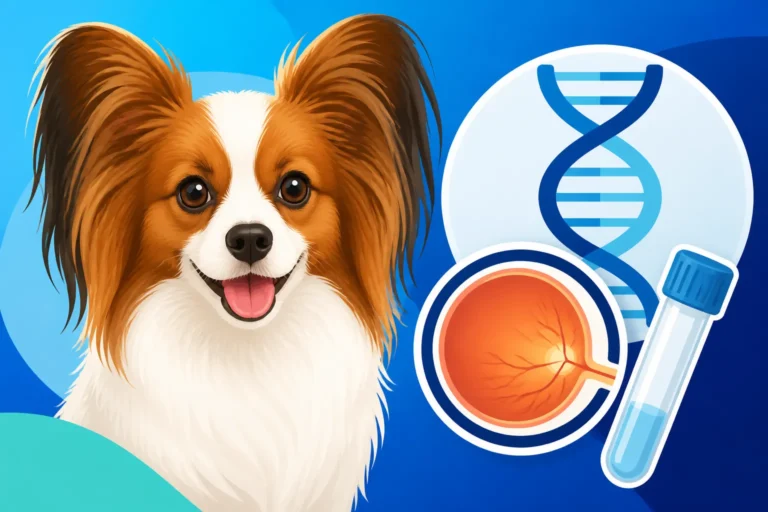
Progressive Retinal Atrophy (PRA) is a general term for a group of genetic diseases that cause the degeneration of the retina in dogs, eventually leading to blindness. Specifically, in Papillons, we're often talking about PRA1, which is a particular form of the disease. This condition first impacts the rods in the retina, leading to difficulty seeing in dim light or at night, a condition commonly known as night blindness. Over time, the disease progresses, affecting the cones, and ultimately results in complete blindness, usually within a few years of the onset of symptoms.
It’s heartbreaking to think of our bright, active Papillons losing their sight, especially when we know how much joy they get from exploring and interacting with their world. That's why understanding this disease, and crucially, being able to test for it, is so incredibly important. For a deeper dive into how this specific form affects their vision, you might find more information in our article on The Papillon Type of Progressive Retinal Atrophy and the CNGB1 Gene. Knowing their genetic status allows breeders to make responsible choices that help eradicate this condition from future generations and gives pet owners valuable insight into their dog's potential health trajectory.
The Genetic Basis of PRA1 in Papillons
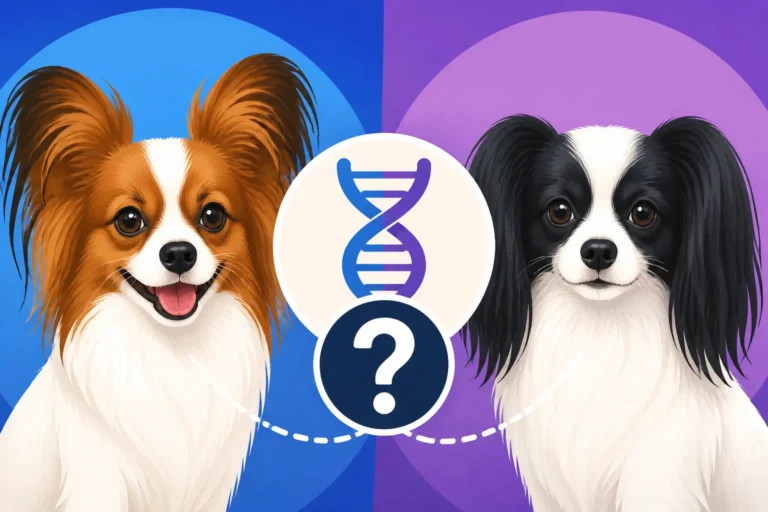
The PRA1 in Papillons is caused by a specific genetic mutation, and it's inherited in what we call an autosomal recessive pattern. What does that actually mean for you and your dog? It means that a dog needs to inherit two copies of the defective gene – one from each parent – to actually develop the disease and eventually go blind. If a dog inherits only one copy of the defective gene and one normal copy, they are considered a "carrier." Carriers won't show any symptoms of the disease themselves, but they can pass that problematic gene on to their puppies.
This genetic mechanism is why testing is so critical. A Papillon that is an "affected" individual (meaning they have two copies of the gene) will inevitably develop PRA1. A "carrier" individual, while healthy, can unwittingly contribute to affected puppies if bred with another carrier. This highlights why breeders, in particular, need to be vigilant about testing. You can learn more about the inheritance patterns in our article on How PRA1 Is Inherited in Papillons. Understanding this recessive inheritance is the cornerstone of responsible breeding practices aimed at preserving the long-term health and vision of our beloved Papillons.
What a Papillon's PRA1 Test Costs
Now, let's get down to the brass tacks: what kind of financial investment are we looking at for this crucial test? The cost can vary a bit, but it's generally quite reasonable for the peace of mind it offers.
Breakdown of Typical Testing Fees
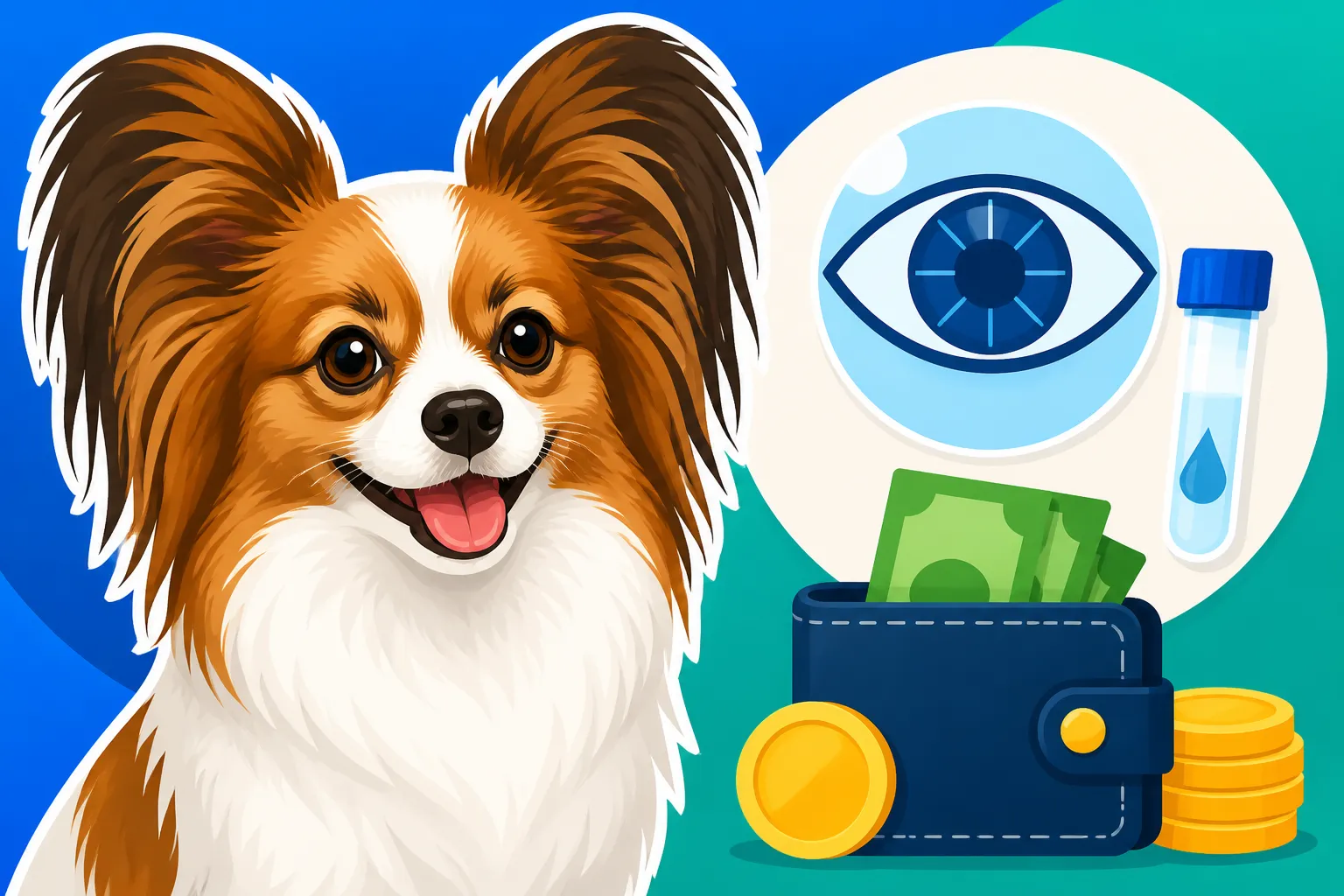
For a specific genetic test like PRA1 in Papillons, you're generally looking at a cost range that reflects the specialized nature of the analysis. Typically, a dedicated single-gene PRA1 test for a Papillon usually falls somewhere between $60 to $120 USD. This price often covers the lab's analysis of the DNA sample and the reporting of the results.
Several factors can influence this cost:
- The Testing Laboratory: Different genetic testing companies might have slightly different pricing structures. Some well-known labs like Paw Print Genetics or OptiGen (though OptiGen often offers a broader panel, they are renowned for specific disease tests) specialize in breed-specific genetic testing. Their reputation and accuracy often come with a standardized price.
- Single Test vs. Panel: Sometimes, labs offer individual tests, but they might also have breed-specific panels that test for multiple genetic conditions common to Papillons, including PRA1, for a bundled price. While a panel might seem more expensive upfront, it could be more cost-effective if you plan to test for several conditions. For example, some labs might include PRA1 as part of a larger "Papillon Health Panel" that also screens for conditions like Von Willebrand Disease or Neuroaxonal Dystrophy, which are also important considerations for the breed.
- Geographic Location: While most labs operate nationally or even internationally via mail-in kits, regional labs might have slightly different pricing.
- Veterinarian Involvement: If your veterinarian collects the sample (which is often recommended for accuracy and proper handling), they will typically charge a separate fee for their time and supplies. This vet visit fee could range from $20 to $50, on top of the lab's testing cost.
Additional Costs and Considerations
Beyond the basic lab fee, there are a few other expenses you might encounter.
- Sample Collection Fee: As mentioned, if your vet performs the buccal swab, expect a separate charge from their office. This ensures the sample is collected correctly and labeled properly, which is crucial for accurate results.
- Shipping Costs: Most labs send you a kit with instructions and a return envelope. You'll need to factor in the cost of shipping the sample back to the lab. This is usually a minor expense, often just the cost of a standard postage stamp or a small package rate, depending on the lab and your location.
- Breeder Practices: If you're buying a puppy, a responsible breeder should have already tested the parents for PRA1. They might factor the cost of these health clearances into the puppy's price, or they might provide the results freely as part of their commitment to healthy breeding. If they haven't tested, or if you're acquiring a dog from a rescue, you might need to arrange the test yourself. The upfront cost for a puppy from a breeder who has done their due diligence, including health testing, can sometimes be higher, but it can save you significant emotional and financial heartache down the road. You can find more information about what to ask your breeder about health tests in our article What a Papillon Breeder Should Have Tested.
- Pet Insurance: It's important to understand that pet insurance providers, such as Healthy Paws, typically cover unexpected illnesses, accidents, and sometimes wellness care, but not usually preventative genetic screening tests done on healthy animals for breeding purposes. These tests are generally considered a breeder's or owner's out-of-pocket expense for proactive health management. However, if your Papillon were to develop PRA1 and require veterinary intervention for related issues or adaptations, then a good insurance plan could potentially help with those subsequent diagnostic or treatment costs.
Here's a quick hypothetical breakdown of what you might expect:
| Item | Estimated Cost Range (USD) | Notes |
|---|---|---|
| PRA1 Genetic Test Kit | $60 – $120 | Varies by lab, may be part of a panel. |
| Vet Sample Collection | $20 – $50 | If done by a veterinarian, not required for all tests. |
| Shipping to Lab | $5 – $15 | Depending on method, often included in kit price if pre-paid. |
| Total Estimated Cost | $65 – $185 | Varies significantly based on chosen lab and vet involvement. |
How to Get Your Papillon Tested for PRA1
Getting your Papillon tested for PRA1 is a relatively straightforward process, thankfully. It doesn't involve any invasive procedures or a trip to a specialist vet, unless you prefer that.
The Process of DNA Sample Collection
The most common and easiest way to collect a DNA sample for genetic testing is through a buccal swab, which is essentially a cheek swab. This is incredibly non-invasive and stress-free for your Papillon.
Here’s how it usually works:
- Order a Kit: You'll typically order a genetic testing kit directly from a reputable laboratory that offers PRA1 testing for Papillons. These kits often include sterile cotton swabs, instructions, and a pre-addressed envelope for returning the samples.
- Collect the Sample:
- At Home: Many owners feel comfortable collecting the sample themselves. You simply rub the sterile swab firmly against the inside of your dog's cheek for about 10-20 seconds to collect enough cheek cells. It's crucial to ensure your dog hasn't eaten or drunk anything for at least an hour before the swab to avoid food contamination. If you have multiple dogs, ensure they haven't licked each other or shared toys right before collection.
- At the Vet's Office: If you're not confident about collecting the sample yourself, or if your breeder requires vet verification, your veterinarian can perform the swab. They're experienced in collecting samples correctly and ensuring proper labeling, which minimizes the chance of error. This is where the additional vet fee comes in, but it provides an extra layer of confidence.
- Dry and Package: After collection, the swabs need to air dry completely to prevent mold growth during shipping. Once dry, you place them back into the sterile packaging provided in the kit.
- Mail It In: You then mail the samples back to the laboratory using the provided shipping materials.
It's a surprisingly simple process for something so scientifically advanced! Once the lab receives the sample, they will extract the DNA and analyze it for the specific PRA1 gene mutation.
Choosing a Reputable Testing Laboratory
Selecting the right laboratory is paramount to ensure accurate and reliable results. You want to choose a lab that has a strong reputation, specifically in canine genetic testing, and ideally, one that offers tests specific to the Papillon breed.
Here are a few things to look for when choosing a lab:
- Breed-Specific Tests: Ensure the lab offers a specific test for Papillon PRA1 (sometimes listed as PRA-PRCD or CNGB1-PRA1), as PRA can manifest differently across breeds.
- Accreditation and Reputation: Look for labs with good reviews and accreditation where applicable. Ask your breeder or local Papillon club for recommendations. They often have preferred labs they trust.
- Clear Reporting: The lab should provide clear, understandable results, categorizing your dog as "Clear," "Carrier," or "Affected." They should also offer genetic counseling or explanations if needed.
- Customer Support: Good customer service can make a big difference if you have questions about the process or your results.
- Turnaround Time: Most labs will provide an estimated turnaround time for results, typically a few weeks.
Some commonly recognized genetic testing laboratories in North America that offer a wide range of canine genetic health tests include Paw Print Genetics and Optimal Selection (which is part of Wisdom Panel). While I can't provide live links, a quick search for these names will lead you to their services. For specific instructions on sending samples, you might want to read our guide on Where to Send a Papillon's PRA1 Swab.
The Value of PRA1 Testing Beyond the Price Tag
While the cost of the PRA1 test is certainly a practical consideration, it's truly a small investment when you weigh it against the profound benefits it offers. This isn't just about a number on a bill; it's about safeguarding the future of the Papillon breed and ensuring the well-being of individual dogs.
Protecting Future Generations and the Breed
The most significant impact of PRA1 testing lies in its ability to empower responsible breeding decisions. By testing breeding dogs, breeders can identify carriers and affected individuals. This knowledge allows them to:
- Avoid Producing Affected Puppies: The primary goal is to prevent the birth of puppies who will eventually go blind from PRA1. By never breeding two carriers together, breeders can ensure no affected puppies are born. If a carrier must be bred (perhaps for other exceptional qualities), it should only be bred to a clear dog, meaning all puppies will either be clear or carriers, but none will be affected. You can delve into the specific consequences of breeding two carriers in our article on Whether Two Carrier Papillons Should Be Bred.
- Maintain Genetic Diversity: Testing allows breeders to make informed choices without excessively narrowing the gene pool. Instead of simply removing all carriers from a breeding program, which could inadvertently eliminate valuable traits, breeders can strategically plan matings to reduce the prevalence of the gene while preserving other desirable characteristics.
- Enhance Breed Health: Over time, widespread testing and responsible breeding practices can significantly reduce, and ideally eliminate, the incidence of PRA1 within the entire Papillon population. This dedication to health benefits every Papillon owner and strengthens the breed for generations to come.
Peace of Mind for Pet Owners
Even if you have no intention of breeding your Papillon, getting them tested for PRA1 offers immense value in terms of peace of mind and proactive planning.
- Early Knowledge for Planning: Knowing your dog's PRA1 status early on allows you to understand their potential health risks. If your Papillon is an "affected" individual, you can prepare for the possibility of progressive vision loss. This means you can start training them with verbal cues, keep your home environment consistent, and explore resources for dogs with vision impairment. This proactive approach can make the transition much smoother for both you and your dog, helping them adjust to being a blind Papillon learning a house.
- Informed Decisions: If you are considering adding a Papillon to your family, asking a breeder about PRA1 testing results for the parents is a critical step. A breeder who proudly shares these results is demonstrating a commitment to the health of their puppies.
- General Health Awareness: While the PRA1 test itself is a one-time cost, understanding your dog's genetic predispositions contributes to a broader understanding of their health needs throughout their life. This fits into the larger picture of comprehensive pet care, where preventative measures, regular vet check-ups, and having a plan for unexpected health issues (perhaps with the help of pet insurance providers like Healthy Paws for unforeseen accidents or illnesses) all work together to ensure your Papillon lives a long, happy, and healthy life. Knowing a disease like PRA1 will never affect your dog's vision truly brings an invaluable sense of relief.
Ultimately, the cost of a Papillon's PRA1 test is a small investment in a future where these intelligent, agile, and affectionate dogs can thrive, free from the burden of inherited blindness. It's a commitment to responsible pet ownership and the health of a beloved breed.
Disclaimer
The information provided in this article is for general informational purposes only and is not intended as a substitute for professional veterinary advice. Always consult with a qualified veterinarian regarding any health concerns or before making any decisions about your pet's medical care. Genetic testing interpretations should be discussed with a professional.