Where a Papillon Gets Injured in Agility
It's an absolute joy to watch our little Papillons fly over jumps and weave through poles on an agility course. Their intelligence and boundless energy make them superstars in this sport, often leaving larger breeds in their dust. However, as exhilarating as agility is, it's also a high-impact activity that puts unique stresses on a tiny dog's body. Many Papillon owners worry about their dogs getting hurt, and this guide will walk you through the most common areas where a Papillon might sustain an injury during agility training and competition, offering insights into prevention and care.
The High-Stakes World of Papillon Agility: Understanding the Risks
Agility is incredible for a Papillon – it channels their sharp minds and energetic spirits, building an unbreakable bond with their handler. But let's be realistic: it's also a sport of explosive movements, tight turns, and demanding obstacles. For a breed as delicate in build as a Papillon, these demands can sometimes lead to injuries if precautions aren't taken. It's not about scaring anyone away from the sport, but rather equipping us with the knowledge to keep our beloved butterfly dogs safe and sound for a long, happy career.
When you're dealing with a dog that weighs just a few pounds, every landing, every sharp turn, and every contact with an obstacle carries a different kind of risk compared to a bigger, heavier dog. Their small joints, while often more flexible, can also be more susceptible to strains or luxations. The very traits that make them so fast and agile – their light bones and quick acceleration – can also be their vulnerability. It’s a paradox of their athletic prowess that we, as their guardians, need to understand.
Why Papillons Are Prone to Specific Agility Injuries
The Papillon's unique physique, coupled with the demands of agility, creates a specific injury profile. They are incredibly fast, and their eagerness to please can sometimes override their instinct for self-preservation, especially when they're having a blast. Think about the quick stops, the sudden pivots, and the full-speed launches they execute – these aren't natural movements dogs typically do in the wild. They are learned, practiced movements, and with repetition and intensity, comes the potential for wear and tear.
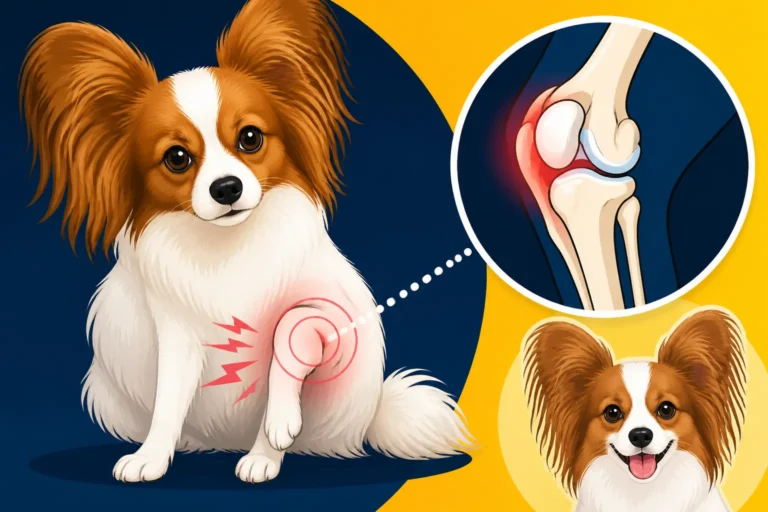
One of the most talked-about concerns for Papillon owners when it comes to any high-impact sport is their knees. You might have heard about Patellar Luxation Is the Papillon Problem You Will Actually Meet. This common condition, where the kneecap slips out of place, can be exacerbated by the twists and turns of agility. Even if your Papillon doesn't have a diagnosed luxation, the constant stress on those small joints can lead to inflammation, minor strains, or even contribute to the development of a luxation over time if proper conditioning and care aren't in place. It’s vital to understand the mechanics of how these movements impact their delicate structure.
The Importance of Conditioning and Proper Training
It's tempting to want to rush into competition, especially when your Papillon shows such natural talent. But I can't stress enough the importance of proper conditioning and a gradual training approach. Rushing a young Papillon into high jumps or complex weave poles before their growth plates have fully closed and their muscles are adequately developed is a recipe for disaster. The general consensus among experienced handlers is that Why a Papillon Should Not Jump Before a Year. This isn't just a guideline; it's a protective measure for their developing skeletal system.
A well-conditioned Papillon isn't just about speed; it's about strength, flexibility, and proprioception – their body's awareness of its position in space. This means incorporating exercises that build core strength, hindquarter power, and balance, not just practicing obstacles. Think about activities like walking on unstable surfaces, controlled cavaletti work, and even basic body awareness exercises. These foundational elements are crucial for preventing injuries down the line, giving your Papillon the physical resilience to tackle the course safely.
Common Injury Hotspots for Papillons on the Agility Course
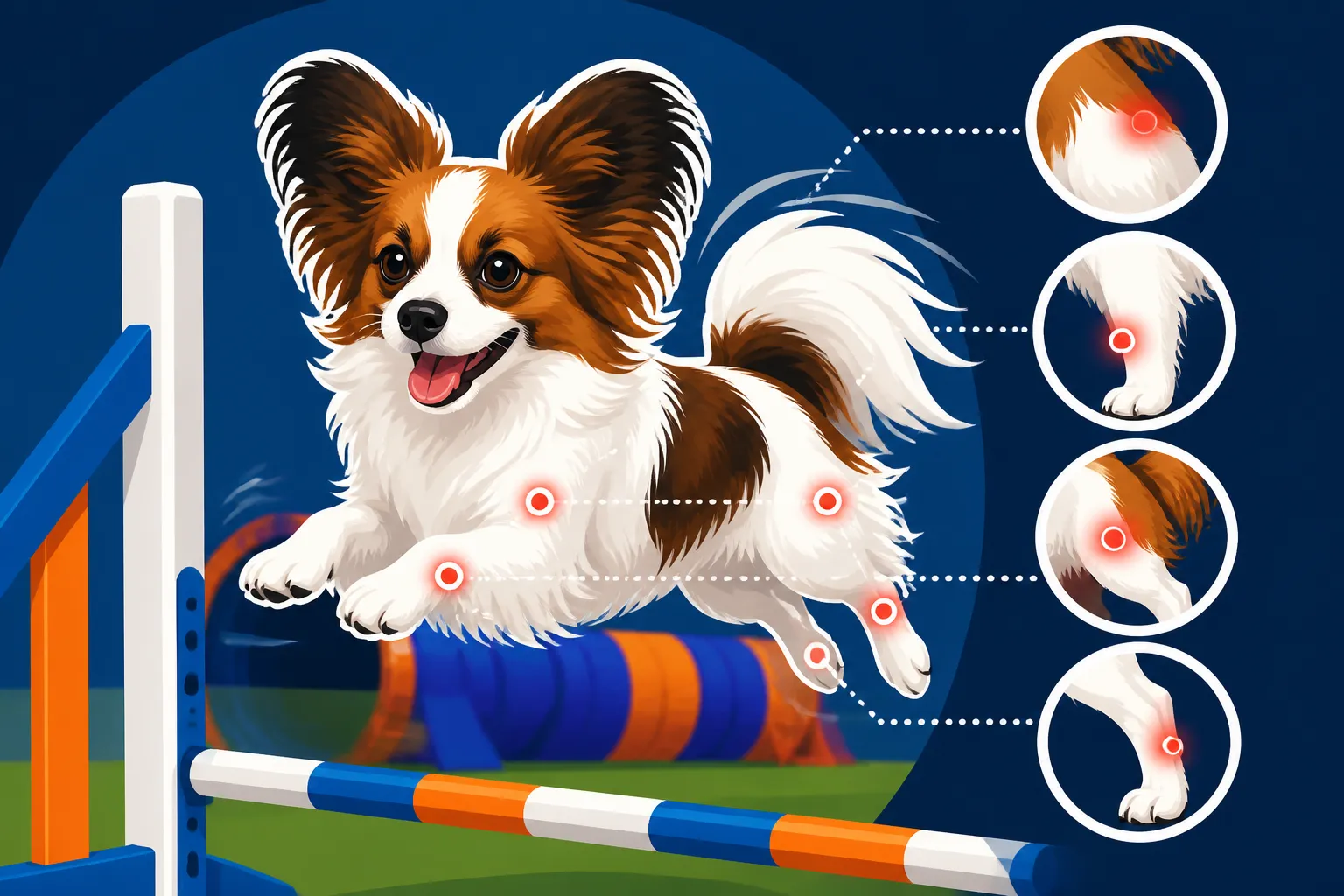
Let's get specific about where Papillons tend to get dinged up. Understanding these common hotspots allows us to be more vigilant in training and to tailor our prevention strategies. It’s not just about what obstacles they face, but how they interact with them at speed and under pressure.
Knees and Hips: The Pivotal Joints
As mentioned, the knees are a big one for Papillons. When your dog lands from a jump, or makes a tight 180-degree turn around a cone, significant force is absorbed by their stifle (knee) and hip joints. This stress can lead to several issues:
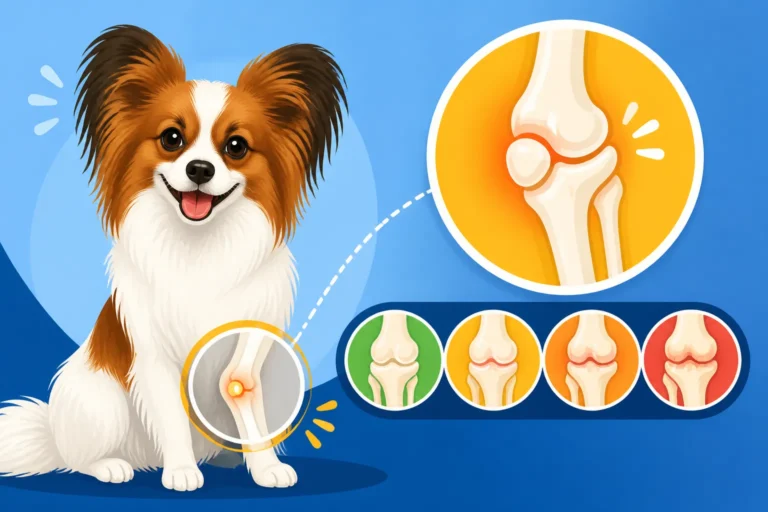
- Patellar Luxation: Even if a Papillon has a mild, asymptomatic luxation, intense agility work can cause it to become more pronounced or symptomatic. A sudden misstep or awkward landing can make the kneecap pop out, causing pain and a temporary inability to bear weight. This is a common concern for small breeds, and something Whether a Papillon Breeder Certifies Knees is often a sign of good practice.
- Strains and Sprains: Ligaments and tendons around the knee and hip can be strained from overextension, twisting, or forceful impact. Imagine the torque placed on these joints as a Papillon rockets out of the tunnel and immediately turns to take a jump. A slight miscalculation, and a soft tissue injury can occur.
- Arthritis: Over time, the repeated impact and stress of agility, especially without adequate recovery or if an underlying joint issue exists, can contribute to the early onset or worsening of Whether a Papillon Gets Arthritis From a Slipping Knee. This is a long-term concern that wise handlers keep in mind from the very beginning of their dog's career.
Shoulders and Elbows: Front End Forces
While we often focus on the hindquarters for propulsion, the front limbs bear a tremendous amount of impact, especially on landings. A Papillon launching over a jump absorbs a significant portion of that landing force through their shoulders and elbows.
- Shoulder Injuries: These can range from muscle strains (common in the biceps tendon or supraspinatus muscle from repetitive motion) to more serious soft tissue tears. A Papillon extending its front legs awkwardly to catch itself after a jump or speeding through weave poles can easily tweak a shoulder.
- Elbow Dysplasia: While less common in Papillons than some larger breeds, the cumulative stress on the elbow joint from landings and tight turns can exacerbate any predisposition or lead to inflammatory conditions. Repeated concussion on those joints can lead to discomfort and lameness over time.
Back and Neck: The Core of Movement
The spine is the central pillar of movement, and agility demands a lot from a Papillon's back and neck. Obstacles like weave poles, tunnels, and even contacts require significant spinal flexion and extension.
- Disc Issues: While full-blown intervertebral disc disease (IVDD) is less common in Papillons than in long-backed breeds, smaller dogs can still suffer from disc bulges or herniations, especially with twisting motions or hard landings. Weave poles, in particular, demand a lot of spinal flexibility and can sometimes lead to strains if the dog's core isn't strong enough or if their technique is off.
- Muscle Strains: The paraspinal muscles along the back and neck can become strained or spasmed from repetitive, high-intensity movements. A Papillon extending its neck to sight a distant jump, or craning its head while navigating complex sequences, can easily pull a muscle. These might seem minor, but they can significantly affect performance and comfort.
Paws and Digits: The Contact Points
It's easy to overlook the paws, but they are the dog's primary contact with the ground and obstacles.
- Pad Injuries: Cuts, abrasions, or even punctures from rough surfaces on outdoor courses or debris can occur.
- Sprains/Strains of Digits: Imagine a tiny paw landing awkwardly on the edge of a jump bar or twisting while pushing off for a tight turn. The small bones and ligaments in a Papillon's toes are vulnerable. These injuries, while seemingly minor, can sideline a dog just as effectively as a larger joint issue.
- Nail Injuries: Long nails are a definite hazard. They can get caught on turf, mats, or equipment, leading to tears or avulsions. Keeping nails trimmed is essential for safety, as long nails can affect a Papillon's balance and grip, increasing the risk of slips and falls.
Table: Common Agility Injuries in Papillons by Body Area
| Body Area | Common Injury Type | Contributing Agility Obstacles/Movements |
|---|---|---|
| Knees | Patellar Luxation, ACL tears, strains, arthritis | Jumps (landings), tight turns, weave poles (twisting), contact obstacles (impact) |
| Hips | Strains, sprains, hip flexor injuries | Tight turns, rapid acceleration/deceleration, weave poles |
| Shoulders | Biceps tendonitis, supraspinatus strain, soft tissue tears | Jumps (landings), A-frame (climbing/descending), tight turns |
| Elbows | Strains, hyperextension injuries, arthritis | Jumps (landings), A-frame (impact on descent) |
| Back/Spine | Muscle strains, disc bulges, soft tissue damage | Weave poles (flexion/extension), tunnels (arching), jumps (landing impact) |
| Neck | Muscle strains, whiplash-like injuries | Rapid head turns, looking up for handler, abrupt stops |
| Paws/Digits | Sprains, strains, cuts, torn nails | Hard landings, tight turns, uneven surfaces, contact obstacles |
Proactive Measures to Protect Your Agility Papillon
Preventing injuries is always better than treating them. As dedicated Papillon owners, we have a lot of control over how we prepare our dogs for the demands of agility. It's about a holistic approach that includes smart training, proper equipment, and ongoing health monitoring.
Smart Training and Conditioning Protocols
The foundation of injury prevention lies in how you train. Start slow and build up gradually. For puppies, focus on body awareness and basic conditioning exercises, avoiding high-impact work until they are mature. You might also want to read up on The Age a Papillon Can Start Jumping. Always ensure a thorough warm-up before any intense training session or competition, and a cool-down afterward. This means dynamic stretches and light activity to get muscles ready, and then gentle stretches and a walk to aid recovery.
Cross-training is also incredibly beneficial. Don't just do agility, agility, agility. Incorporate varied activities like swimming (great for low-impact muscle building), hiking on varied terrain (builds proprioception and strength), or even obedience training to keep their minds engaged without constant physical stress. This helps build a well-rounded athlete. Additionally, paying attention to your Papillon's weight is crucial. Why an Overweight Papillon Strains Its Knees significantly more than a lean, fit dog, making them more susceptible to joint injuries.
Equipment and Environment Matters
The right equipment can make a huge difference. Ensure your Papillon is wearing a comfortable, well-fitting harness that doesn't restrict movement or put pressure on their throat. While not directly equipment for agility, for daily walks, Whether a Papillon Should Wear a Harness Instead of a Collar is often recommended to protect their delicate trachea.
Consider the surfaces your Papillon trains on. Hard concrete or slippery floors are much more impactful than grass or rubber matting. If you train at home, invest in appropriate footing. For furniture at home, ramps can be incredibly beneficial. Whether Ramps Help a Papillon's Knees by reducing the impact of jumping on and off sofas and beds, saving those joints for the agility course. Regularly inspect agility equipment for any sharp edges, loose parts, or unstable structures that could cause an accident. Even a tiny snag on a tunnel fabric could be problematic for their delicate coats and paws.
Regular Veterinary Care and Monitoring
Consistent veterinary check-ups are non-negotiable for an agility dog. Your vet can help you monitor their joint health, muscle condition, and overall fitness. Discuss your Papillon's agility involvement with your vet. They can help you develop a preventative care plan, which might include specific joint supplements or dietary recommendations. For a broader overview of health, knowing What a Papillon Breeder Should Have Tested gives you an idea of common genetic predispositions.
Be observant of your Papillon's movement and behavior. Are they hesitating before a jump? Are they limping slightly after a run? Is their enthusiasm waning? These can be subtle signs of discomfort or pain that might indicate an impending injury. Early detection is key to preventing a minor issue from becoming a major one. Don't just attribute a slight limp to "just playing hard"; it's always worth a closer look or a vet visit. Regular physical therapy check-ups, even if your dog isn't injured, can help identify subtle imbalances before they lead to problems.
When an Agility Injury Happens: Next Steps and Recovery
Despite all the best precautions, sometimes injuries still happen. It’s part of the athletic life. Knowing what to do when your Papillon gets hurt can make all the difference in their recovery and future in the sport. The immediate aftermath and the recovery journey are critical phases.
Immediate Action and Veterinary Assessment
If you suspect an injury during training or competition, stop immediately. Do not push your Papillon to "work through it." Assess the situation calmly. Look for obvious lameness, swelling, pain when touched, or changes in behavior. If you see any of these, err on the side of caution and contact your veterinarian. Even if it seems minor, a vet visit is essential to get an accurate diagnosis. They might recommend imaging like X-rays or ultrasound to pinpoint the issue. This isn't the time for guesswork; getting a precise diagnosis is the first step toward effective treatment.
Early intervention can prevent a small injury from becoming a chronic problem. For instance, if a Papillon experiences a patellar luxation, quick management can often prevent further damage. If your vet confirms an injury, discuss all treatment options, from rest and medication to physical therapy or even surgery, depending on the severity. It’s a team effort between you, your vet, and potentially a rehabilitation specialist.
The Road to Recovery: Patience and Rehabilitation
Recovery from an agility injury can be a long road, and patience is your most important virtue. Adhere strictly to your veterinarian's recommendations regarding rest, medication, and rehabilitation exercises. Don't try to rush your Papillon back to the course. Pushing them too soon can lead to re-injury or chronic issues. For knee surgeries, for example, understanding How a Papillon Recovers From Knee Surgery involves a detailed post-operative plan and a commitment to controlled exercise.
Rehabilitation often involves a combination of therapies such as therapeutic exercises, massage, laser therapy, hydrotherapy, or chiropractic adjustments. These modalities help restore strength, flexibility, and proper movement patterns. A certified canine rehabilitation therapist can be an invaluable partner in this process, guiding you through exercises and milestones. Remember, the goal isn't just to heal the injury, but to build your Papillon back up stronger and less prone to future injuries. Consider consulting your insurance provider, such as Healthy Paws, to understand what aspects of rehabilitation might be covered under your policy, as these costs can add up.
Long-Term Considerations for Returning to Agility
Before considering a return to agility, your Papillon must be cleared by your vet and ideally a rehab specialist. A thorough re-assessment will determine if they have regained full strength, range of motion, and confidence. Even with clearance, a gradual return is critical. Start with low-impact exercises and slowly reintroduce obstacles at lower heights and slower speeds. Pay close attention to any signs of discomfort or hesitation.
It's also a good time to reassess your training methods and equipment. Were there any contributing factors to the injury? Could certain obstacles be modified? Could your Papillon's conditioning program be improved? Sometimes, a past injury might mean adjusting your dog's agility career, perhaps competing at lower jump heights or focusing on different sports that are less impactful. Whether a Papillon With a Grade One Knee Can Compete is a question that requires careful consideration with your vet, focusing on long-term well-being over short-term competitive goals. Our Papillons give us their all; it's our responsibility to protect them every step of the way.
Disclaimer
This article is for general informational purposes only and does not constitute professional advice. Laws, prices and regulations vary by location and change over time. Consult a qualified professional for guidance on your specific situation.