Whether a Papillon Gets Bladder Stones
It's incredibly distressing to discover your beloved Papillon might be struggling with something as painful and serious as bladder stones. These tiny little dogs, with their delicate builds and vibrant personalities, can unfortunately be prone to a variety of health issues, and bladder stones are definitely one that can cause a lot of worry and discomfort for both them and us as owners. This guide is here to walk you through what bladder stones are, why Papillons might get them, how to spot the signs, and what you can do to help prevent and manage this challenging condition.
Understanding Canine Bladder Stones and Their Formation
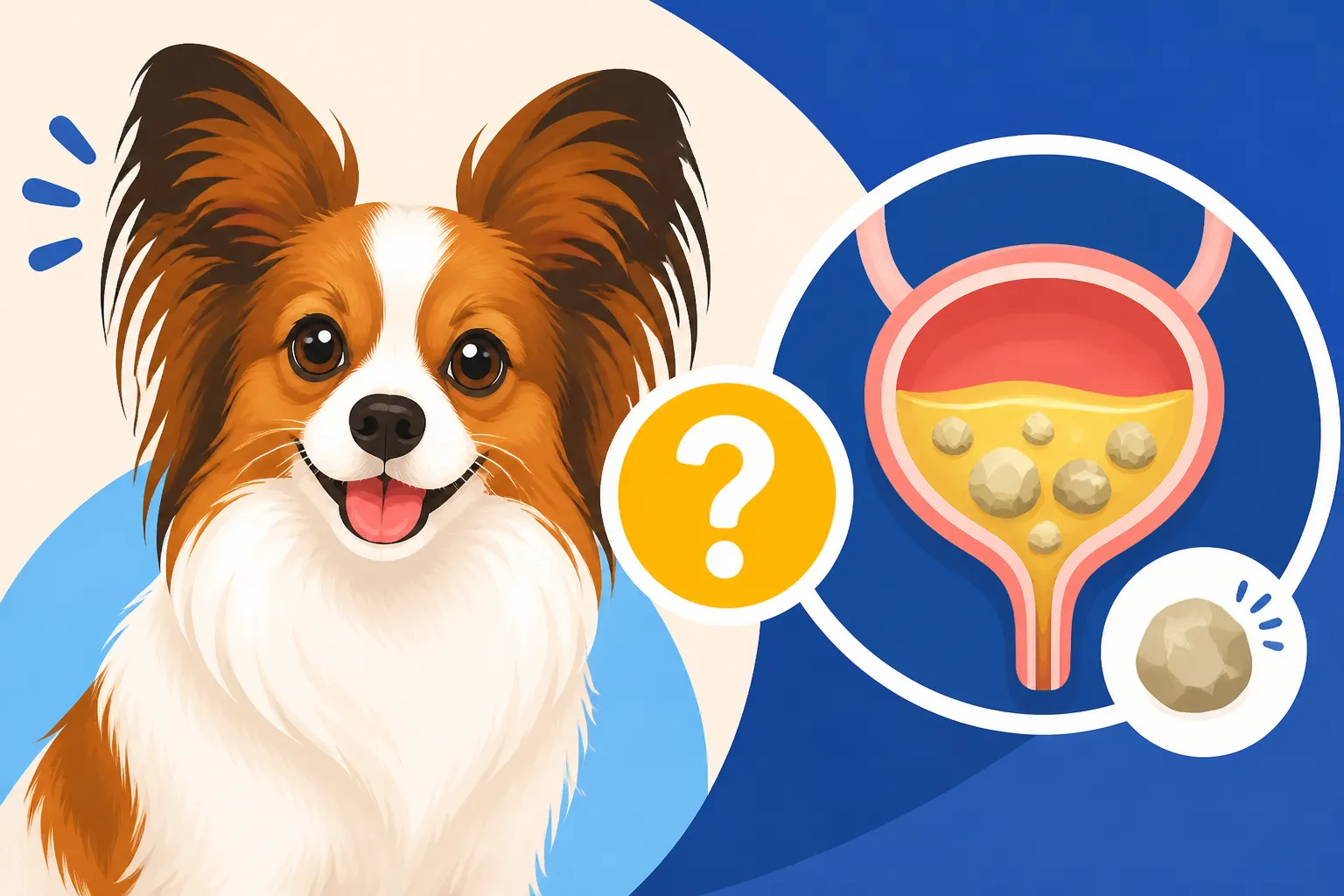
Bladder stones, also known as uroliths, are essentially mineral concretions that form in a dog's urinary bladder. Think of it like kidney stones in humans, but residing specifically in the bladder. They start as tiny crystals, almost microscopic, and over time, if conditions are right, these crystals can clump together and grow, becoming larger and larger stones. It's a progressive problem, and it can become quite severe if not addressed.
There are several types of bladder stones, and knowing the specific type is crucial for effective treatment and prevention. The most common types we see in dogs are struvite and calcium oxalate stones. Struvite stones often form in conjunction with urinary tract infections (UTIs) because certain bacteria produce an enzyme that makes the urine more alkaline, creating a perfect environment for struvite crystals to form and accumulate. Calcium oxalate stones, on the other hand, tend to form in more acidic urine and are less commonly associated with infections. Other, less common types include urate, cystine, and silicate stones, each with their own unique predisposing factors. Understanding these differences is why your vet will often recommend sending a removed stone or urine sample for analysis; it's not just curiosity, it's vital information for long-term health.
The formation of these stones is a complex interplay of diet, genetics, water intake, urine pH, and the presence of infections. If a dog isn't drinking enough water, for example, their urine becomes more concentrated, increasing the likelihood of crystals forming. Certain foods can also contribute by altering urine pH or increasing the concentration of stone-forming minerals. It’s a bit of a balancing act within your Papillon’s tiny system, and when that balance is disrupted, stones can begin to cause real trouble.
Why Papillons Face a Higher Risk of Bladder Stones
It can feel unfair when our small companions face health challenges, and sadly, Papillons, like many other toy breeds, do have certain predispositions that make them more susceptible to specific types of bladder stones. It's not that they will get them, but the risk is definitely something responsible owners need to be aware of.
Breed-Specific Genetic Tendencies
When it comes to bladder stones, genetics play a significant role, and Papillons are unfortunately among the breeds that have a higher genetic predisposition to certain types of stones, particularly calcium oxalate stones. While struvite stones are often linked to infections and can affect any breed, calcium oxalate stones seem to pick on breeds like Papillons, Bichon Frises, Miniature Schnauzers, and Lhasa Apsos. This means that even if you're doing everything right with diet and water, your Papillon might still be at a higher risk simply due to their genetic makeup. It's a frustrating reality for many owners, underscoring the importance of choosing a reputable breeder who prioritizes health testing. If you’re looking into getting a Papillon, understanding what a Papillon breeder should have tested is a crucial step.
This genetic inclination means that prevention becomes even more critical. You can't change their genes, but you can be hyper-vigilant about environmental factors that exacerbate the risk. Regular veterinary check-ups, even when your dog seems perfectly healthy, are indispensable. Discussing this breed-specific risk with your vet can help tailor a preventative plan that’s just right for your little one.
Contributing Factors Beyond Genetics
Beyond genetics, several other factors can increase a Papillon's risk of developing bladder stones. One significant factor is water intake. Papillons, being small, sometimes don't drink as much as larger dogs, or their owners might not notice subtle changes in their drinking habits. Concentrated urine, which results from insufficient water intake, is a breeding ground for crystal formation. Ensuring your Papillon always has access to fresh, clean water is paramount, and you might even consider adding a little water to their food or using a water fountain to encourage more drinking.
Diet also plays a huge role. Commercial dog foods are formulated with general health in mind, but for dogs prone to stones, a special diet might be necessary. Foods high in certain minerals like calcium, magnesium, or phosphorus can contribute to stone formation, especially if the urine pH isn't ideal. Your veterinarian might recommend a prescription diet specifically designed to dissolve certain types of stones or prevent their recurrence. These diets often control mineral levels and manipulate urine pH to make it less hospitable for stone formation. Understanding what a Papillon eats in a month, and the specific nutrients in that food, can be incredibly important.
Urinary tract infections (UTIs) are another common culprit, especially for struvite stones. Because small dogs can sometimes be harder to monitor for subtle changes, a UTI might go unnoticed for longer, allowing crystals more time to form and grow into stones. Regular wellness exams, where your vet performs a urinalysis, can catch these infections early. These yearly bloodwork checks are part of what a Papillon's yearly bloodwork should cover to keep an eye on overall health. Additionally, some small dogs, especially females, might be more prone to UTIs due to anatomical differences.
Recognizing the Signs and Symptoms of Bladder Stones
Catching bladder stones early can make a huge difference in your Papillon’s comfort and treatment success. Unfortunately, our little friends are often masters at hiding discomfort until it becomes unbearable. As their devoted guardians, we need to be extra observant for subtle cues that something isn't right.
Changes in Urination Habits
One of the most common and telling signs of bladder stones is a noticeable change in your Papillon's urination habits. You might start to notice them straining to urinate, often crouching for a long time without much success, or perhaps only producing small, frequent trickles. This straining is often mistaken for constipation, so it's essential to watch closely to see what they are trying to pass. If they are trying to urinate more frequently than usual, even if only a few drops come out each time, it's a huge red flag. This urgency and frequency can sometimes lead to accidents in the house, even with a perfectly house-trained dog. They simply can't hold it, or the discomfort is too great.
You might also observe your Papillon seeking out unusual places to urinate, perhaps inside on a rug or piece of furniture. This isn't usually a behavioral problem; it's often a desperate attempt to relieve the intense pressure and pain caused by stones irritating the bladder lining or blocking the urethra. Don't punish them for these accidents; instead, interpret them as a plea for help and get them to the vet immediately.
Visible Indicators of Discomfort
Beyond changes in how your Papillon urinates, there are other visible signs that can indicate they are in pain or discomfort. The most obvious, and often alarming, is blood in their urine. This can range from a faint pinkish tint to bright red droplets. The stones can irritate and abrade the bladder wall, causing bleeding. While blood in the urine can also signal other issues like a severe UTI, it should always prompt an immediate veterinary visit.
Another sign to look for is excessive licking of their genital area. While dogs do groom themselves, an obsessive or constant licking, especially after attempting to urinate, points to irritation and discomfort in that region. Your Papillon might also appear generally uncomfortable, restless, or reluctant to play or move around as much as usual. They might even whine or cry out softly when attempting to urinate. In more severe cases, if a stone completely blocks the urethra, preventing any urine from passing, it becomes a life-threatening emergency. This blockage can lead to toxins building up in their system, and your dog will become lethargic, weak, and may even vomit. If you ever suspect a complete blockage, rush your Papillon to an emergency vet clinic without delay.
Diagnosing and Treating Bladder Stones in Papillons
If you notice any of the warning signs, don't hesitate. A trip to the vet is in order. Early diagnosis and intervention are key to a good outcome for your little Papillon.
Veterinary Examination and Diagnostic Tests
When you bring your Papillon in, your veterinarian will start with a thorough physical examination, feeling their abdomen for any signs of bladder distention or pain. They'll also discuss your dog’s symptoms, how long they've been occurring, and any changes in diet or routine. This initial consultation is crucial for gathering clues.
Next, a urinalysis will almost certainly be performed. This simple test involves collecting a urine sample (your vet might do a "cystocentesis," where a needle is used to collect sterile urine directly from the bladder, minimizing contamination) and examining it under a microscope. The urinalysis can reveal the presence of red blood cells (indicating bleeding), white blood cells (indicating infection), and most importantly, crystals. The type of crystals seen can often give a strong indication of the type of stone forming. A urine culture might also be done to identify any bacterial infections and determine which antibiotics would be most effective.
To confirm the presence of stones and determine their size and location, imaging is essential. X-rays are a common tool, as many types of bladder stones are radio-opaque, meaning they show up clearly on an X-ray. However, some types, like urate stones, are radiolucent and won't be visible. In these cases, your vet might recommend an ultrasound, which uses sound waves to create images of the bladder and can detect all types of stones, even those invisible on X-rays. These diagnostic steps are invaluable for confirming the problem and planning the best course of action. They're also often part of a standard check-up that includes what a Papillon's yearly bloodwork should cover, ensuring comprehensive health monitoring.
Treatment Options for Papillon Bladder Stones
Once bladder stones are diagnosed, your vet will discuss treatment options. These generally fall into a few categories: medical management, non-surgical removal, or surgical removal. The choice depends heavily on the type of stone, its size, location, and whether there's an active infection.
Medical Dissolution: For certain types of stones, particularly struvite stones, medical dissolution is often the first line of defense. This involves prescribing a special prescription diet that changes the urine's pH and reduces the concentration of stone-forming minerals. Along with the diet, antibiotics will be given if a UTI is present. This process can take several weeks to months, and regular follow-up urinalyses and X-rays or ultrasounds are necessary to monitor progress. It's a wonderful option because it avoids surgery, but it only works for specific stone types and requires strict adherence to the diet and medication regimen.
Non-Surgical Removal (Urohydropropulsion or Cystoscopy): For small stones, especially in female dogs, a procedure called urohydropropulsion might be possible. This involves sedating the dog, filling the bladder with sterile saline, and then vigorously flushing the stones out through the urethra. Another technique, cystoscopy, uses a small camera inserted into the bladder to visualize and retrieve stones with tiny instruments. These are less invasive than surgery but aren't suitable for all sizes or types of stones, especially in male dogs where the urethra is narrower.
Surgical Removal (Cystotomy): For larger stones, or stones that can't be medically dissolved or removed non-surgically, surgery (a cystotomy) is often the most effective solution. This involves surgically opening the bladder to remove the stones. While the thought of surgery can be daunting, especially for a small dog like a Papillon, it's a common and usually successful procedure. Your vet will ensure your Papillon is a good candidate for surgery, often recommending a pre-anesthetic exam and bloodwork, especially for Anesthesia and a Five Pound Papillon. Recovery involves careful post-operative care, including pain management and monitoring for infection. The cost of such a procedure can be significant, so knowing what insurance covers on a Papillon, or having a robust emergency fund on hand, can alleviate some stress. Consider that a Papillon's emergency fund should hold enough to cover unexpected medical bills.
After any stone removal, whether medical or surgical, the removed stones should always be sent to a laboratory for analysis. This is crucial for determining their exact mineral composition, which then guides long-term prevention strategies to stop new stones from forming.
Preventing Bladder Stones and Ensuring Long-Term Health
Preventing bladder stones, or preventing their recurrence, is an ongoing commitment. It requires vigilance and a proactive approach, but it’s entirely doable, and it’s one of the best ways to ensure your Papillon lives a long, comfortable life.
Dietary Management and Hydration
Diet and hydration are arguably the cornerstones of bladder stone prevention, especially after a stone has been identified and analyzed. For dogs prone to struvite stones, a diet that promotes acidic urine and is lower in magnesium and phosphorus is typically recommended. For calcium oxalate stone formers, the focus shifts to a diet that promotes neutral to slightly alkaline urine and is carefully balanced for calcium, oxalate, and protein. Many veterinary prescription diets, like those from Royal Canin or Hill's Prescription Diet, are specifically formulated for these purposes. It's not a "one size fits all" situation, so always follow your vet's precise recommendations.
Encouraging water intake is equally critical. The more water your Papillon drinks, the more dilute their urine will be, making it harder for crystals to form and clump together. Here are a few tips:
- Always provide fresh water: Change their water multiple times a day.
- Use multiple bowls: Place bowls in various locations around the house.
- Consider a water fountain: Some dogs are enticed by moving water.
- Add water to food: A little warm water or low-sodium broth added to kibble can significantly increase water intake. For an adult Papillon, knowing how many cups a day an adult Papillon eats can help you gauge how much water to add without making the food too soupy.
- Offer wet food: If your Papillon tolerates it, wet food has a much higher moisture content than dry kibble.
Regular monitoring of your Papillon’s weight is also important. Getting weight off a Papillon if they are overweight can reduce overall health risks and improve urinary function.
Regular Monitoring and Veterinary Care
Consistent veterinary care is non-negotiable for Papillons prone to bladder stones. This means sticking to their annual wellness exams, but also potentially more frequent check-ups, including urinalysis tests. These tests can catch crystal formation or early signs of infection before they escalate into full-blown stones. Your vet might recommend a urinalysis every 3-6 months, depending on your Papillon's history.
For dogs on a prescription diet, regular bloodwork and urinalysis help monitor the effectiveness of the diet and ensure no other imbalances are occurring. It's a team effort between you and your vet to keep these issues at bay. Don't underestimate the power of routine check-ups; they are your best defense against many silent health problems. Remember, how often a Papillon needs a dental cleaning or other routine care also provides opportunities for your vet to check for other health issues.
It's also important to be aware of the ongoing financial commitment required for stone prevention and treatment. While pet insurance can help, policies vary in what they cover, especially for pre-existing conditions. Understanding what insurance covers on a Papillon is vital before an issue arises. Even with insurance, many owners find a dedicated emergency fund incredibly helpful for unexpected costs.
In the long run, consistent effort in diet and regular vet visits gives your Papillon the best chance at avoiding bladder stones and living a full, happy life. These little dogs are incredibly resilient and thrive on our dedicated care, and managing conditions like bladder stones is just another way we show them how much we love them.
| Stone Type | Common Urine pH | Associated Factors | Dietary Strategy |
|---|---|---|---|
| Struvite | Alkaline | Urinary Tract Infections | Acidifying, low magnesium, low phosphorus diet |
| Calcium Oxalate | Acidic | Genetic predisposition | Neutral to slightly alkaline, balanced Ca/Ox |
| Urate | Acidic | Genetic (e.g., Dalmatians), liver | Alkalinizing, low purine diet |
| Cystine | Acidic | Genetic (e.g., various breeds) | Alkalinizing, low protein diet |
Disclaimer
The information provided in this article is for educational and informational purposes only and does not constitute veterinary medical advice. Always consult with a qualified veterinarian for any health concerns or before making any decisions related to your pet's health or treatment.