When a Papillon Puppy’s Ears Go Up
It's incredibly exciting to bring home a Papillon puppy, and you've probably fallen head over heels for their adorable, often-floppy ears. But as the weeks go by, many new Papillon parents find themselves anxiously watching, wondering, and perhaps even Googling: "When, oh when, will those iconic butterfly ears stand up?" It's a universal Papillon parent concern, and it’s completely normal to feel a little impatient or worried. This guide is here to walk you through the fascinating journey of your Papillon puppy's ear development, explaining what to expect, what influences it, and when to simply embrace the unique charm your little one might bring, regardless of ear carriage.
The Iconic Papillon Ears: A Defining Trait
There's no mistaking a Papillon when you see one. Those magnificent, fringed ears, spread wide like a butterfly's wings, are the breed's most distinctive feature, giving them their name. It's truly a sight to behold, and it's completely understandable why every owner eagerly anticipates this transformation in their puppy.
What "Papillon" Really Means for Ears
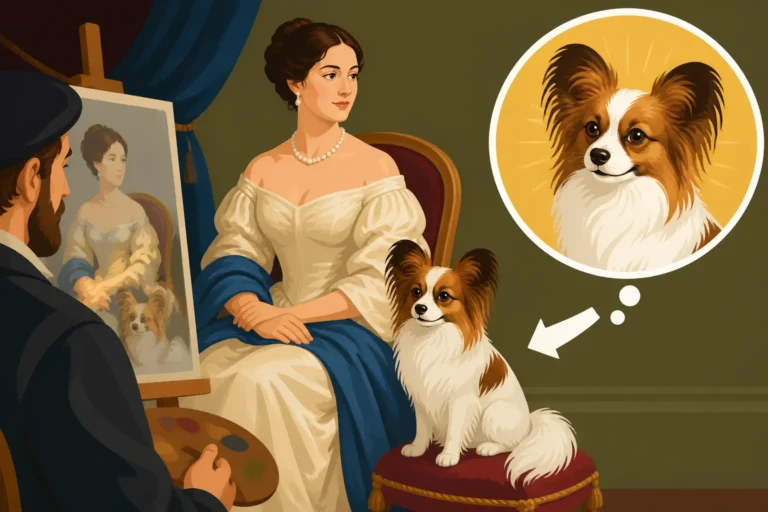
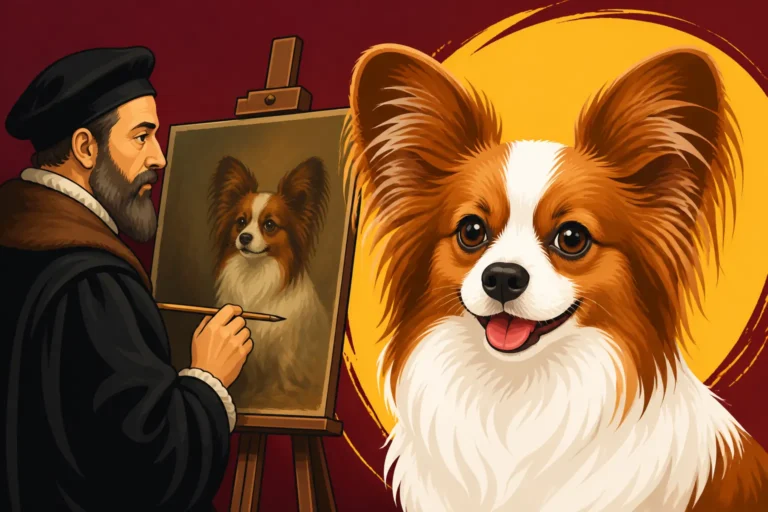
The breed's name, "Papillon," is French for "butterfly," and it’s a direct reference to those beautifully erect, wide-set ears that resemble a butterfly with its wings open in flight. It’s this striking appearance that has captivated art lovers and dog enthusiasts for centuries. Imagine seeing such an elegant creature, small in stature but grand in presentation, gracing the laps of European royalty. The ear shape isn't just a physical trait; it's a piece of living history, intimately tied to the breed's identity and its journey through time. When we talk about What the Name Papillon Refers To, it's almost always those ears that come to mind first.
Of course, not all puppies in a Papillon litter will develop these signature upright ears. Some are born with what are known as "Phalene" ears. The name "Phalene" means "moth" in French, referring to their lovely dropped or pendent ears, which still have the beautiful fringing but simply lie flat. It's quite common for Why a Papillon and a Phalene Are Born in the Same Litter, and both ear types are equally charming, even if the erect ears tend to get more attention in popular culture. Understanding What the Name Phalene Refers To helps appreciate the full spectrum of this delightful breed.
The Genetics Behind Erect Ears
The way a Papillon's ears are carried, whether erect or dropped, is entirely determined by genetics. It's not something you can influence with special foods or massages, despite what some old wives' tales might suggest. Think of it like eye color in humans – it's programmed in their DNA from the moment of conception. The genes responsible for ear carriage dictate the strength and development of the cartilage in the ear, which ultimately decides if they'll stand proudly or lie softly.
This genetic lottery means that even within the same litter, you might have puppies with varying ear sets. One might have both ears up early, another might have one up and one down for a while, and yet another might be a beautiful Phalene with permanently dropped ears. Responsible breeders understand these genetics deeply and can often give you an idea of what to expect based on the parent dogs' lineage and previous litters, although there are always delightful surprises. It’s a fascinating aspect of breeding that ensures the genetic diversity and beauty of both ear types continue within the breed.
The Ear-Rising Timeline: What to Expect
Watching a Papillon puppy's ears go up is a journey, not a sudden event. It can be a slow, sometimes comical process, often leaving new owners with a mix of anticipation and mild anxiety. But don't worry, patience is truly a virtue here.
Early Weeks: Floppy and Adorable
When a Papillon puppy is first born, their ears are, without exception, floppy and soft. They're tiny, delicate, and often completely covered by their fluffy baby fur. During these initial weeks, their bodies are focused on rapid growth and development – gaining weight, opening their eyes, learning to walk, and figuring out the basics of being a puppy. The cartilage in their ears is still very soft and immature, simply not strong enough to support the weight of the ear leather and the growing fringe.
As they transition from wobbly newborns to adventurous little explorers, their ears will remain delightfully droopy. This is the stage where many owners capture those unbelievably cute "puppy ear" photos, before the architectural transformation begins. Cherish these moments, because soon enough, you'll start to see subtle changes as their little bodies prepare for the next big step in ear development.
The Tipping Point: When Ears Start to "Pop"
For most Papillon puppies, the process of their ears starting to stand typically begins between 8 and 16 weeks of age. However, this is a guideline, not a strict deadline! Some eager beaver puppies might have their ears perked up a bit earlier, perhaps around 7 weeks, while others can take their sweet time, even pushing past 4 or 5 months before you see significant movement. It's not uncommon for one ear to "pop" up first, leading to a charmingly lopsided look that can last for days or even weeks before the other one follows suit. This asymmetrical phase can be both endearing and, for the anxious owner, a source of mild concern – but rest assured, it’s a very normal part of the process.
This period coincides with a lot of other developmental milestones, including teething, which can sometimes play a role (more on that later!). It's a time of rapid skeletal and cartilage development, and the ear structure is simply getting strong enough to defy gravity. Providing your puppy with good nutrition and a safe environment supports this natural development.
Full Erection and Beyond: The Maturation Process
Once the ears begin to rise, it's not always a one-and-done affair. Some Papillon ears will go straight up and stay there, solid as a rock. Others might fluctuate, sometimes standing tall, then perhaps flopping back down a bit when the puppy is tired, excited, or concentrating intensely on something. This "up-and-down" dance can continue for several weeks, or even a couple of months, as the cartilage fully hardens and strengthens. It's like building a scaffold – sometimes it needs a little reinforcement before it's completely stable.
It's relatively rare for a Papillon's ears to change dramatically after their first year of life, but minor adjustments can sometimes occur. Owners often ask Whether a Papillon's Ears Can Change After a Year, and while major shifts are unlikely, the cartilage can continue to firm up a bit. For those ears that remain partially up or that continue to flop, it's important to remember that these are perfectly acceptable and beautiful variations within the breed standard for the Phalene type. The key is to appreciate the natural development of your individual puppy.
Factors Influencing Ear Development
While genetics are the ultimate decider of ear carriage, several other factors can temporarily influence the timing and stability of your Papillon puppy's ears. Understanding these can help ease any worries you might have.
Teething: The Great Ear Mystery
Ah, teething! It's not just about sharp puppy teeth and chewed furniture; it's often cited as a major influence on ear development, and for good reason. Around 3 to 6 months of age, your puppy will be vigorously losing their baby teeth and growing their adult set. This intense period of bone and cartilage development in the jaw and skull requires a significant amount of the body's resources, including calcium.
The theory goes that during teething, the body temporarily diverts calcium and other minerals away from less critical areas, like ear cartilage, to support the development of strong adult teeth. This can sometimes cause ears that had started to stand to suddenly flop back down, or it might delay the standing process for puppies whose ears haven't yet risen. It's usually a temporary phenomenon, and once teething is complete, the ears often make their triumphant return. This is why many owners will ask Whether Teething Drops a Papillon Puppy's Ears, and the answer is, it can, but it's usually not permanent.
Nutrition and Overall Health
While no special supplement can make ears stand if they're not genetically programmed to, excellent nutrition plays a vital role in supporting healthy development overall. A growing puppy needs a balanced diet rich in appropriate proteins, fats, vitamins, and minerals to build strong bones, healthy cartilage, and a robust immune system. Feeding a high-quality puppy food, appropriate for small breeds, ensures your Papillon puppy has all the building blocks they need. Brands like Chewy offer a wide range of premium puppy foods designed for small breeds, which can be easily ordered and delivered right to your door.
Conversely, a puppy suffering from poor nutrition, illness, or parasite infestations might have their energy and resources diverted to fighting off these issues, potentially delaying or impacting ear development. Ensuring your puppy is healthy, dewormed, and free from illness is crucial for all aspects of their growth, not just their ears. Regular vet check-ups during the puppy stage are essential to monitor their overall health and address any concerns promptly.
Play, Handling, and Environmental Factors
The way your Papillon puppy plays and is handled can also have a minor, though usually temporary, impact on ear carriage. Rough play, especially with other puppies or dogs that might nip or tug at ears, could potentially cause temporary damage or irritation. Similarly, if you or others in the household are constantly petting, rubbing, or bending the ears, it could theoretically impede the cartilage from firming up. However, this is rarely a significant factor in genetically programmed erect ears.
It's more about being mindful and gentle. While you don't need to treat your puppy's ears like fragile porcelain, it's wise to avoid rough handling or situations where the ears could be repeatedly bent or injured. Gentle handling and grooming are always recommended for these delicate structures, especially with their beautiful, fine fringing.
When Ears Don't Go Up: Understanding the Phalene Variant
It's easy to get fixated on the "butterfly" ears, but it's crucial to remember that the Papillon breed actually has two recognized ear types: the erect-eared Papillon and the drop-eared Phalene. Both are equally beautiful and cherished.
The Beauty of the Drop-Eared Papillon Phalene
If your Papillon puppy's ears don't stand up, or if they only partially stand, congratulations! You likely have a beautiful Phalene, the "moth" eared variant of the breed. Phalenes are not a separate breed; they are simply Papillons with drop ears, and they are born in the same litters and share all the same wonderful qualities of temperament, intelligence, and grace. Their ears, while not erect, are still large, fringed, and set high on the head, giving them a softer, often more wistful expression. Many people find the Phalene's look incredibly endearing, a gentle contrast to the bolder butterfly ears.
In many kennel clubs and show rings, the Phalene is recognized and can even compete against Papillons, often in the same ring but sometimes judged for their specific ear carriage. This means that a Phalene is a perfectly standard and legitimate representation of the breed, not a "fault" or an "unsuccessful" Papillon. You might be interested to know Whether a Phalene Can Be Shown Against a Papillon, and indeed, they are celebrated in their own right.
Born from the Same Litter: A Genetic Connection
As mentioned earlier, it's fascinating that Papillons and Phalenes can originate from the same litter. This isn't a fluke; it's a clear demonstration of recessive genetics at play. Both parents could have erect ears, but if they both carry the recessive gene for dropped ears, then statistically, some of their puppies will inherit two copies of that recessive gene and become Phalenes. This means that even if you choose a puppy from parents with beautiful butterfly ears, there's always a possibility that a Phalene puppy could be among their offspring.
This genetic interplay is a testament to the breed's rich history, as the dropped-ear type was actually the original form before the erect-eared variant became popular. So, a Phalene isn't just a variant; it's a living link to the Papillon's ancestral roots, carrying the charm of its forebears. Embracing this natural variation is part of appreciating the breed's full genetic tapestry.
Is Taping an Option and Why it's Not Recommended
It’s a natural impulse to want to "fix" something that doesn't quite meet expectations, especially when you have a specific image in mind for your puppy's appearance. Many owners, hoping to encourage their Papillon's ears to stand, will ask about taping them. However, for Papillons, taping is generally not recommended by reputable breeders or the breed standard. Unlike some other breeds where ear taping is a common practice (like Dobermans or Great Danes, where it's part of a specific aesthetic), it's not a recognized or encouraged practice for Papillons.
Taping a Papillon's ears is unlikely to work if the underlying genetics for erect ears aren't present. If the cartilage isn't strong enough naturally, taping can at best offer temporary support, and at worst, cause discomfort, skin irritation, or even damage to the delicate ear leather. It's more about trying to force a genetic outcome rather than supporting natural development. Most breed enthusiasts strongly advise against it, emphasizing that the natural ear carriage, whether erect or dropped, is what makes each Papillon unique and beautiful. So, if you're wondering Whether a Papillon's Ears Can Be Taped Up, the general consensus is to let nature take its course.
Common Concerns and When to Consult Your Vet
While most ear development is a normal, if sometimes slow, process, it's natural to have questions and occasionally concerns. Knowing when to simply be patient and when to seek professional advice is key.
Asymmetrical Ears: A Common Phase
One of the most common anxieties for new Papillon owners is the "one ear up, one ear down" look. Your puppy might have one ear proudly standing tall, while the other remains stubbornly flopped over, or perhaps both are halfway up, giving them a perpetually surprised expression. This asymmetrical phase is incredibly common and, in the vast majority of cases, entirely normal. It's just part of the cartilage in each ear developing at its own pace. Think of it like a child's teeth coming in – rarely do they all emerge perfectly symmetrically at the same time.
This phase can last for days, weeks, or even a couple of months. As the cartilage continues to strengthen and mature, the other ear usually catches up. It's part of the charming awkwardness of puppyhood! Unless you notice signs of pain, redness, swelling, or discharge, there's usually no need for concern. Just enjoy the quirky cuteness while it lasts. You might often hear people refer to this stage when they ask Whether Half Up Ears Ever Finish Rising.
What if the Ears Never Fully Stand?
After months of watching and waiting, if your Papillon puppy's ears still haven't fully stood, or if they've settled into a charming drop-eared Phalene style, it's time to simply embrace it. As we've discussed, this is a genetic predisposition, and your puppy is simply expressing their natural heritage. A Papillon with dropped ears is just as much a Papillon (or Phalene!) as one with erect ears. Their health, intelligence, and loving personality are completely unaffected by their ear carriage.
Trying to force the ears to stand beyond this point is usually futile and unnecessary. Instead, celebrate their unique look. Many people find Phalenes exceptionally beautiful and gentle. What truly matters is the bond you share, their overall health, and their happiness. After all, the "butterfly" ears are just one aspect of this incredible breed; their vibrant spirit is what truly shines through.
Seeking Veterinary Advice for Ear Health
While ear carriage is mostly a cosmetic or genetic matter, true ear health is always a priority. You should consult your veterinarian if you notice any of the following, regardless of whether the ears are up or down:
- Pain or sensitivity: If your puppy flinches, cries, or acts defensive when you touch their ears.
- Redness or swelling: Signs of inflammation.
- Discharge or foul odor: Indicative of an infection.
- Excessive scratching or head shaking: Common signs of ear mites, infection, or irritation.
- Heat coming from the ears: Another sign of inflammation or infection.
- Any obvious injury or trauma to the ear.
These symptoms point to a potential health issue that needs professional attention. Your vet can diagnose problems like ear infections, mites, or allergies, and provide appropriate treatment. Regular wellness exams, which can be found at local veterinary clinics, will include a thorough check of your Papillon's ears, helping to catch any issues early. You might even want to ask your vet Whether a Papillon's Eyes Should Be CERF Checked if you have concerns about their eye health, as ear and eye health are often linked in comprehensive breed-specific checks.
Living with Papillon Ears: Care and Maintenance
Whether your Papillon puppy's ears stand tall like butterflies or gently fall like moths, those ears are still a prominent and beautiful feature that requires proper care.
Gentle Grooming for Healthy Ear Fringe
The Papillon's ears are renowned for their magnificent, silky fringe. This beautiful feathering can grow quite long, adding to the breed's elegant appearance. However, that long, fine hair can also be prone to tangles and mats if not cared for regularly. Daily or every-other-day brushing is ideal for the ear fringe. Use a small, soft slicker brush or a metal comb with fine teeth to gently work through the hair, starting from the tips and working your way towards the base of the ear. Be especially careful around the delicate skin of the ear itself.
Regular grooming not only keeps the fringe looking pristine but also prevents painful mats that can pull on the skin. If you encounter a tangle, don't yank! Use a detangling spray (some good options are available through Chewy's grooming section) and gently work it out with your fingers or a wide-toothed comb. Keeping the ear fringe clean and mat-free is essential for comfort and aesthetics. For more detailed tips, you might find How to Keep a Papillon's Ear Fringe Full very helpful.
Protecting Those Delicate Ears
A Papillon's ears, especially the erect ones, are delicate structures. While they are surprisingly resilient, a little mindful care can go a long way in preventing accidental injury.
- During Play: If your Papillon plays roughly with other dogs, especially larger ones, keep an eye on their ears. A playful nip or tug can happen accidentally.
- In Cold Weather: Those large, thinly furred ears can get cold surprisingly quickly in freezing temperatures. In very cold or windy conditions, a sweater or coat with a hood might offer some protection during short outdoor excursions, though most Papillons prefer to be indoors when it's truly frigid.
- Avoiding Obstacles: When walking through dense brush or thorny areas, be aware that the long ear fringe can easily catch and snag. Sticking to clear paths is usually best.
- Cleaning: Beyond brushing, a quick check of the inner ear canal once a week for redness, debris, or wax buildup is a good habit. Use a veterinarian-approved ear cleaner and cotton balls (never Q-tips, which can push debris deeper) to gently wipe the visible parts of the ear. This helps prevent infections, especially in Phalenes where the dropped ear can sometimes trap more moisture. You might also want to read Whether a Papillon's Ears Should Be Brushed Separately for tips on maintaining their distinctive look.
By being attentive to both the aesthetic and health needs of your Papillon's ears, you'll ensure they remain a source of joy and beauty for many years to come, regardless of whether they stand up like a butterfly or lie softly like a moth.
| Factor | Typical Impact on Ear Development | Duration of Impact | When to Be Concerned |
|---|---|---|---|
| Genetics | Determines whether ears will be erect (Papillon) or dropped (Phalene). | Permanent | Not applicable; it's a natural genetic outcome. |
| Age | Ears typically start to rise between 8-16 weeks. Can fluctuate up to 5-6 months. | Temporary (during puppyhood) | If ears show no movement past 6 months and were expected to rise. |
| Teething | Can cause temporary floppiness or delay due to calcium diversion for tooth development. | Temporary (during teething) | If ears remain down after teething is complete. |
| Nutrition | Good diet supports strong cartilage; poor nutrition can hinder overall development. | Ongoing | If accompanied by other signs of illness or poor growth. |
| Rough Handling | Can cause temporary irritation or injury, rarely permanent changes to carriage. | Short-term | If pain, swelling, or obvious injury occurs. |
| Infection/Injury | Can cause floppiness, pain, swelling, discharge, or reluctance to hold ears up. | Ongoing until treated | Immediately consult a vet for any signs of infection or injury. |
Disclaimer
This article is for general informational purposes only and does not constitute professional advice. Laws, prices and regulations vary by location and change over time. Consult a qualified professional for guidance on your specific situation.