Whether the Guillotine Story Is True
For anyone who loves Papillons, there's often a particular legend that crops up, one steeped in royal drama and a touch of the macabre: the story of Marie Antoinette's Papillon purportedly accompanying her to the guillotine. It's a tale that tugs at the heartstrings, painting a vivid, almost cinematic picture of loyalty even in the face of doom. But how much of this captivating narrative is actually true? Let's dive deep into the annals of history and separate the charming myth from the verifiable facts about our beloved butterfly dogs and their noble past.
The Allure of Royal Legends and Our Beloved Papillons
There's something incredibly romantic about connecting our furry friends to historical figures, especially those as iconic and tragic as Marie Antoinette. It adds a layer of mystique and grandeur to a breed already known for its delicate beauty and spirited personality. For many Papillon owners, these stories aren't just anecdotes; they're part of the breed's very fabric, helping us feel a connection to a long, illustrious past.
Why We Love a Good Story (Especially About Our Dogs)
As humans, we're hardwired for stories. They help us understand the world, connect with emotions, and often, idealize the things we love. When it comes to our dogs, these narratives take on an even more personal resonance. We project our own feelings of loyalty, companionship, and unconditional love onto their historical counterparts. A story like Marie Antoinette's Papillon not only elevates the breed but also highlights the timeless bond between humans and their pets, a bond that transcends social status, political upheaval, and even the threat of the guillotine. It makes us feel like our modern-day companion, curled up on the sofa next to us, is part of a grander lineage, a legacy of devoted friendship.
The Whispers of History and the Papillon's Past
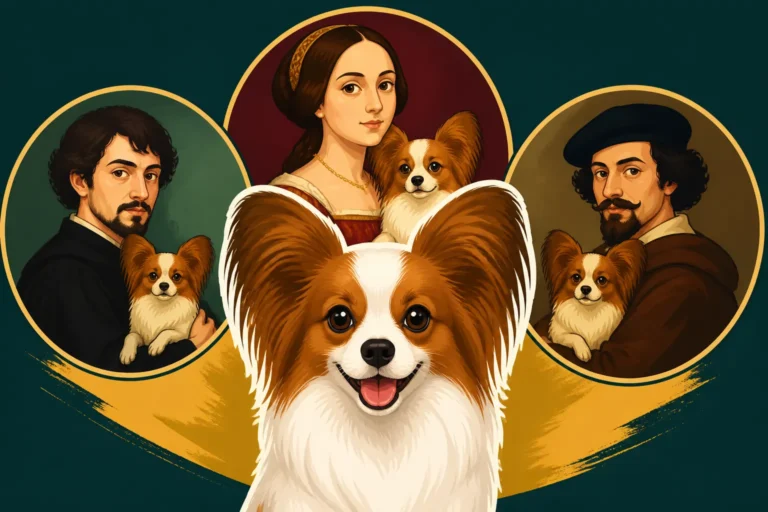
The Papillon, or "butterfly dog," with its distinctive fringed ears, has indeed graced the laps of royalty and nobility for centuries. Its ancestors, often referred to as "Dwarf Spaniels" or "Continental Toy Spaniels," were beloved fixtures in European courts long before the French Revolution. These tiny dogs were bred for companionship, a luxury afforded by the wealthy, and were frequently depicted in paintings alongside their aristocratic owners. This long, undeniable connection to royalty makes the Marie Antoinette story particularly plausible at first glance. It taps into an existing historical truth about the breed's prominence among the elite, making it easier for us to believe that such a dramatic event could also be true. The lineage of these exquisite animals is truly something to behold, stretching back hundreds of years, making them living pieces of history. The Papillon Has Seven Hundred Years of Portraits Behind It
Unpacking the Marie Antoinette and Papillon Guillotine Story
The specific legend regarding Marie Antoinette and her Papillon is quite detailed and often recounted with a mix of sorrow and admiration. It paints a picture of unwavering devotion that captivates anyone who hears it.
The Enduring Tale: What the Legend Claims
The story goes that as Marie Antoinette was being transported through the streets of Paris to her execution, her beloved Papillon sat on her lap or, in some versions, was carried by a loyal attendant. Upon reaching the scaffold, the dog was said to have been gently set aside, only to remain faithfully at the execution site, weeping for its mistress, until it was eventually taken in by a compassionate local. Some versions even claim the dog ran after the carriage, or waited for her return at the Tuileries Palace, never truly leaving her side in spirit. This particular narrative element of the dog's presence right up to the final moments is what makes it so emotionally powerful and memorable. It’s the ultimate expression of loyalty, and it’s no wonder it’s repeated so often.
Tracing the Historical Roots of the Dwarf Spaniel
Before the Papillon was officially known by its current name, its ancestors, the small "Dwarf Spaniels," were a staple in the homes of European nobility. These charming little dogs were highly prized, not just for their beauty but for their engaging personalities. Originating likely in Spain or Italy, they quickly spread through the royal courts of Europe, becoming fashion accessories and cherished companions. Painters like Titian captured these elegant creatures alongside their wealthy owners as early as the 16th century, showcasing their long history as aristocratic pets. Titian Painted the Dog the Papillon Came From Their presence in art underscores their status and integration into the lives of the upper echelons of society. These dogs weren't just pets; they were symbols of wealth and status, often passed down through generations, making their connections to historical figures entirely natural.
Separating Fact from Fiction: What History Tells Us
While the legend is undeniably moving, historical research requires a clear distinction between cherished anecdotes and verifiable facts. When we delve into the records of the French Revolution and Marie Antoinette's final days, a different picture emerges.
Marie Antoinette's Canine Companions: Beyond the Legend
Marie Antoinette did indeed own dogs, as was common among royalty. She was known to have several canine companions during her life, including a Spaniel named Thisbe, who was reputedly her favorite. However, historical accounts place Thisbe's fate differently. When the royal family was arrested and imprisoned in the Tuileries Palace, their pets were initially kept with them. As their situation worsened and they were moved to the Temple Tower, conditions became more austere. It's generally accepted that Thisbe, and any other dogs, would have been separated from the Queen long before her final journey to the guillotine. The idea of a dog being present at such a public and brutal execution, in the highly controlled and chaotic environment of revolutionary Paris, is not supported by any credible historical documentation. The focus of the revolutionaries was on public spectacle and political statements, not on accommodating the Queen's pets.
The French Revolution: A Time of Turmoil, Not Canine Escapes
The French Revolution was a period of intense political upheaval, violence, and strict security measures, particularly for high-profile prisoners like Marie Antoinette. The journey from her prison cell in the Conciergerie to the Place de la Révolution (now Place de la Concorde) was a heavily guarded procession designed to showcase the fall of the monarchy. Every detail of her journey and execution was meticulously recorded and observed by vast, often hostile, crowds and revolutionary officials. There are extensive eyewitness accounts, official records, and artistic depictions of this pivotal moment, and none of them mention a dog, Papillon or otherwise, accompanying her.
It's a testament to the emotional power of the story that it has endured despite the lack of evidence. The harsh realities of the revolution meant that personal comforts and beloved pets were stripped away from prisoners, not permitted to accompany them to their demise. Imagine the logistical nightmare, and the political optics, of allowing a pet to be present. It simply wouldn't have happened during such a heavily orchestrated event.
Why the Guillotine Story Persists
So, if there's no historical proof, why does the story persist with such tenacity? There are several reasons. Firstly, as mentioned, the Papillon (or its ancestors) did have a long-standing association with European royalty and nobility. This kernel of truth makes the story feel more believable. Secondly, the narrative fulfills a deep human desire for stories of ultimate loyalty and devotion, especially in the face of tragedy. It provides a poignant, almost redemptive, element to an otherwise bleak historical event. Thirdly, the story may be an example of "folk history" or oral tradition, where elements are embellished or entirely invented over time to create a more compelling narrative. It's not uncommon for breeds with long, aristocratic histories to acquire such romantic, albeit unverified, tales. The emotional impact often trumps the need for factual accuracy in the realm of storytelling.
Consider how we often wish our dogs could be with us through anything; this legend reflects that sentiment. It's a wishful thought woven into history.
| Aspect of Story | Factual Basis | Legendary Claim |
|---|---|---|
| Marie Antoinette | Yes, existed, Queen of France, executed in French Revolution. | Yes, central figure. |
| Papillon/Dwarf Spaniels | Yes, breed ancestors were popular with European nobility for centuries. | Yes, specifically her dog. |
| Dog's Name | Marie Antoinette owned a Spaniel named Thisbe, among others. | Often unnamed, or sometimes incorrectly identified as a Papillon, not explicitly Thisbe in the guillotine tale. |
| Dog at Execution | No credible historical records, eyewitness accounts, or official documents support a dog's presence. Pets were separated from royal prisoners early in their confinement. | Dog sat on her lap, ran alongside, or waited at the execution site, showing profound grief. |
| Dog's Fate | Thisbe's fate after separation is unclear, but likely did not involve the execution site. | Dog was adopted by a kind Parisian citizen after witnessing the execution. |
| Historical Accuracy | Zero evidence for this specific event. | A widely repeated, emotionally resonant myth. |
The True Royal Legacy of the Papillon (and its Ancestors)
While the guillotine story may be a myth, it doesn't diminish the Papillon's incredibly rich and verifiable royal history. These little dogs truly did live lives of luxury and companionship alongside some of Europe's most influential figures.
A Rich History Far Older Than the Revolution
The Papillon's story isn't just about Marie Antoinette; it predates her by centuries. Long before the French Revolution, these exquisite little dogs were already firmly established in the courts of Spain, Italy, and France. They were depicted in Renaissance paintings, nestled on velvet cushions or held delicately by noble ladies, showcasing their status as cherished companions. Which Italian Painters Put a Papillon Ancestor in a Portrait This lineage gives the breed a tangible connection to history that is far more expansive and fascinating than any single, unsubstantiated anecdote. They were not just pets, but often warmers for cold laps and confidantes for lonely royals.
Even the evolution of their ears, from the dropped ears of the Phalene ("moth") to the upright "butterfly" ears of the Papillon, is a documented historical development, reflecting changing aesthetic preferences among the elite. Papillon Means Butterfly and Phalene Means Moth This rich, documented history is far more compelling than any single dramatic tale.
From Renaissance Palaces to Modern Homes
Today's Papillon still carries that aristocratic charm, but they thrive in homes of all kinds. From the opulent halls of Versailles (or rather, its predecessors) to a cozy apartment in the city, the essence of the Papillon remains: intelligent, lively, and utterly devoted. Their past as companions to royalty means they are inherently social dogs, eager to be part of family life. Modern Papillons may not be posing for oil portraits, but they are still Instagram stars and beloved family members.
When you're looking for toys or food for your modern-day monarch, stores like Chewy offer a vast array of options that would have been unimaginable to Marie Antoinette. Think plush beds, interactive puzzle toys, and gourmet kibble — a far cry from the scraps these dogs might have received centuries ago. They've transitioned from symbols of status to cherished family members, and their ancient history is a beautiful backdrop to their contemporary lives.
Appreciating the Papillon's Story, Factual or Not
Ultimately, the goal isn't to debunk a beloved story and diminish its charm, but rather to understand the full, nuanced history of the Papillon. The myths and legends that surround a breed often say as much about us, and our relationship with our dogs, as they do about the historical figures themselves.
The Impact of Legends on Breed Perception
Legends, even those without strict historical backing, can deeply influence how a breed is perceived. The Marie Antoinette story contributes to the Papillon's image as a delicate, elegant, and fiercely loyal companion. It reinforces the idea that these small dogs possess a strong spirit and an unwavering heart, qualities that many Papillon owners readily recognize and adore in their own pets. This perception can draw people to the breed, fostering a sense of connection to a romanticized past. It's a testament to the breed's enduring appeal that such a dramatic story found a home within its narrative.
However, it's also important to remember that such legends shouldn't overshadow the practical realities of owning a Papillon. While they are delicate, they are also robust and active dogs, deserving of proper training, exercise, and care, whether it's finding the right harness or choosing a nutritious food from a retailer like Chewy. What a Papillon Needs Every Day
Embracing the Papillon for Who They Are Today
Whether or not a Papillon accompanied Marie Antoinette to the scaffold, the breed itself stands on its own merits. These are highly intelligent, agile, and affectionate dogs that excel in various canine sports and make wonderful companions. Their history as royal lapdogs is a fascinating part of their heritage, but their true value lies in the joy and companionship they bring to our lives today.
Understanding their historical context, both the facts and the charming fictions, allows us to appreciate the Papillon more deeply. It helps us understand why they are so eager to be by our side, why they thrive on companionship, and why their spirited nature has allowed them to endure for centuries, from the laps of kings and queens to the heart of our homes. They are, quite simply, magnificent creatures with a truly regal past, and an even brighter present.
Disclaimer
This article is for general informational purposes only and does not constitute professional advice. Laws, prices and regulations vary by location and change over time. Consult a qualified professional for guidance on your specific situation.