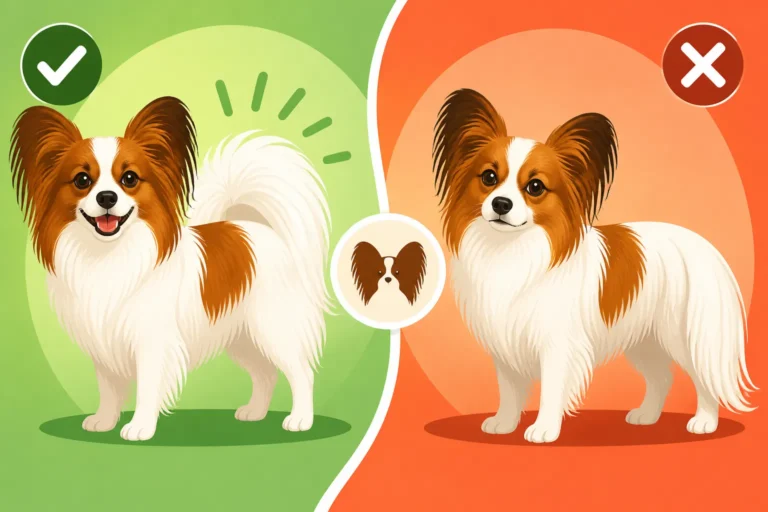
How Rare the Papillon Is
It’s a common experience for those of us who adore Papillons: you mention your beautiful butterfly-eared companion to someone, and their first reaction is often, "A Papi-what now?" Or, perhaps, "Oh, I've never seen one of those before!" It can certainly feel like Papillons are a rare gem in a sea of more ubiquitous breeds, leading many prospective owners to wonder just how uncommon they really are and what that means for finding one. This guide will dive deep into the Papillon's standing in the dog world, exploring its true popularity, why it might seem less common, and what this means for anyone hoping to welcome one into their home.
Understanding the Concept of "Rarity" in Dog Breeds
When we talk about a dog breed being "rare," it can mean a few different things to different people. For some, it's about seeing them infrequently in everyday life. For others, it's a matter of official statistics, like breed registration numbers. And sometimes, it's about the difficulty in actually acquiring a puppy. It’s important to untangle these perceptions to truly understand where the charming Papillon fits into the picture.
Perception Versus Reality: What Does "Rare" Really Mean?
From a casual observer's perspective, a breed might seem rare simply because it's not featured prominently in movies, commercials, or the neighborhood dog park. You're far more likely to spot a Golden Retriever, a Labrador, or even a French Bulldog on your daily stroll than you are a Papillon. This visual scarcity often leads people to label them as "rare." It's not necessarily a judgment on their inherent value or even their official numbers, but simply a reflection of what people encounter in their immediate environment.
However, this perception can be a bit misleading. A breed might be incredibly popular within specific circles, like dog sports enthusiasts or toy breed fanciers, but still fly under the radar for the general public. The Papillon, for instance, has a very devoted following and is highly regarded in performance venues, which might not translate to widespread public recognition.
Statistical Measures of Breed Popularity
When we look at concrete data, "rarity" is usually measured by breed registration numbers with major kennel clubs, such as the American Kennel Club (AKC) in the United States or The Kennel Club in the UK. These organizations track how many purebred puppies of each recognized breed are registered each year. A higher ranking indicates a more popular, and thus less "rare," breed. Conversely, breeds at the bottom of the list are indeed statistically rare.
While these numbers provide a quantifiable metric, they don't tell the whole story. They reflect the number of registered puppies, not necessarily every single dog of that breed born in a year, and they certainly don't account for mixed breeds. Nevertheless, they offer the best available snapshot of a breed's relative popularity among those who seek out purebred dogs. You can definitely gauge Where the Papillon Ranks in AKC Registrations by looking at these lists.
The Papillon's Standing in Popularity Rankings
So, where does our beloved Papillon stand when the numbers are tallied? Compared to some of the mega-popular breeds that consistently hold top spots, the Papillon hovers in a comfortable, albeit less spotlighted, position. It's certainly not a breed teetering on the brink of extinction, but it's also not one you'll find on every street corner.
AKC Ranking and Trend Over Time
Historically, the Papillon has enjoyed a steady presence in the AKC's rankings, often residing in the middle to upper-middle tiers of popularity. It rarely breaks into the top 10 or even the top 20, which are typically dominated by larger, more family-oriented breeds or incredibly fashionable small dogs. Instead, you'll find the Papillon holding its own, usually somewhere in the top 50 to 70 range, sometimes dipping a bit, sometimes rising.
This consistent, moderate popularity suggests a dedicated fan base rather than a fleeting trend. Owners who fall in love with Papillons tend to be deeply committed to the breed's unique qualities, from their intelligence to their vivacious spirit. It speaks to the breed's enduring appeal to those who seek out its specific charm, rather than just choosing the most widely recognized option. It’s a good sign that the breed maintains a stable presence without falling victim to over-breeding or extreme fads.
Comparing Papillons to Other Toy Breeds
To truly understand the Papillon's rarity, it's helpful to compare it to its peers in the Toy Group. When you look at the top-ranked toy breeds, you'll often find French Bulldogs (which have exploded in popularity), Poodles (toy varieties), Yorkshire Terriers, Shih Tzus, and Chihuahuas. These breeds tend to have much higher registration numbers and are far more frequently seen in public.
The Papillon generally ranks lower than these top-tier toy breeds. For instance, while a Chihuahua might be in the top 10-15, and a Pomeranian often in the top 20-30, the Papillon is usually a bit further down the list. This is why many people perceive them as "rare"—they simply aren't as prevalent in everyday life as some of their small-dog counterparts. Despite this, it's important to remember that lower registration numbers don't equate to lesser quality or charm. In fact, many Papillon enthusiasts appreciate that the breed hasn't become overly commercialized. If you're wondering how they stack up, you might find The Papillon Against the Pomeranian and the Chihuahua sheds more light on the comparison.
| Breed | Typical AKC Popularity Rank (General Range) | Common Perception | Reasons for Popularity/Rarity |
|---|---|---|---|
| Labrador Retriever | Top 1-5 | Very Common | Versatility, family-friendly |
| French Bulldog | Top 1-5 | Very Common | Fashionable, compact |
| Golden Retriever | Top 5-10 | Very Common | Family-friendly, biddable |
| Poodle (Toy) | Top 10-20 | Common | Intelligence, low-shedding |
| Yorkshire Terrier | Top 10-20 | Common | Small size, portability |
| Chihuahua | Top 10-25 | Common | Tiny size, distinctive look |
| Pomeranian | Top 20-35 | Common | Fluffy, spirited |
| Papillon | Top 50-70 | Moderately Rare | Unique look, intelligence, active |
| Irish Wolfhound | Bottom 10% | Very Rare | Large size, specialized care |
Note: Rankings fluctuate annually, these are general ranges.
Why Papillons Aren't as Common as Other Breeds
There are several contributing factors that keep the Papillon from reaching the mass appeal of some other breeds. It's not a single reason, but a combination of characteristics and historical trajectories that have shaped its current standing.
Breed-Specific Traits and Care Requirements
While absolutely charming, Papillons aren't for everyone, and their specific traits can influence their wider popularity. They are incredibly intelligent, often ranking as The Papillon Is the Smartest Toy Breed There Is, which means they thrive on mental stimulation and can become mischievous if bored. They also possess a surprising amount of energy for their size, enjoying walks and dog sports like agility. This contrasts with the perception of some toy breeds as purely lap dogs. While they certainly enjoy cuddles, a Papillon is not content to be a couch potato all day.
Their delicate appearance can also be a factor. While beautiful, their fine bones and tiny size make them more susceptible to injury if not handled carefully, especially around rambunctious children or larger pets. Patellar Luxation Is the Papillon Problem You Will Actually Meet is a good example of a health concern that requires careful management and can be influenced by rough play. This means they often suit homes with older, respectful children or adults who understand their needs. Furthermore, their long, silky coat, while stunning, requires regular grooming, though perhaps not as much as some might assume; Why a Papillon's Long Coat Takes Twenty Minutes a Week can be a pleasant surprise for prospective owners. These specific care requirements and temperamental nuances mean they attract a particular type of owner, rather than appealing to the broadest possible market.
Historical Context and Popularity Cycles
Many breeds experience cycles of popularity. Some breeds surge to fame after appearing in a popular movie, or becoming a celebrity accessory, only to decline as trends shift. The Papillon, while historically significant and depicted in royal portraits for centuries, hasn't had the same kind of modern-day media saturation that propelled other breeds into the public consciousness. They were once the darlings of European royalty, known as Continental Toy Spaniels, but their rise to global mass appeal never quite mirrored that of, say, the Pug or the French Bulldog in recent decades.
Instead, the Papillon's popularity has remained more niche, sustained by word-of-mouth among enthusiasts and their success in performance events. This lack of "flash-in-the-pan" popularity has likely prevented mass breeding operations that prioritize quantity over quality, which can sometimes plague overly popular breeds. This steady, more modest demand means that reputable breeders can focus on health, temperament, and preserving breed standards without feeling pressure to churn out puppies to meet an insatiable public demand.
Limited Breeder Base and Availability
Because Papillons aren't in the top tier of popular breeds, the number of dedicated, reputable breeders is naturally smaller. This isn't a bad thing at all; in fact, it often means that breeders are deeply committed to the breed's welfare, health testing, and genetic diversity. However, it does mean that finding a Papillon puppy can take more effort and patience than finding a puppy of a more common breed.
You won't find Papillon puppies advertised widely in general pet stores or on casual online marketplaces (and frankly, you shouldn't be looking for a reputable breeder in those places anyway!). Instead, you'll need to seek out breeders through national breed clubs, dog show circuits, or trusted referrals. Why Papillon Puppies Are Hard to Find is a common frustration for potential owners. This limited availability naturally keeps the overall numbers lower in the general pet population.
The Impact of Papillon's Popularity on Owners and Breeders
While the Papillon isn't statistically "rare" in the sense of being endangered, its moderate popularity has distinct implications for both those who own them and those who breed them. These factors can influence everything from puppy availability to the breed's long-term health.
What It Means for Prospective Papillon Owners
For you, as a prospective Papillon owner, the breed's moderate popularity means a few things. First, you're less likely to stumble upon a Papillon puppy by chance. You'll need to be proactive in your search, which often involves researching reputable breeders, reaching out to the national breed club, and potentially getting on a waiting list. How Long the Waitlist for a Papillon Runs can vary greatly depending on the breeder and your location, but patience is usually a virtue.
Second, the price point for a well-bred Papillon puppy tends to reflect the care, health testing, and dedication of reputable breeders. While you won't typically find them as expensive as some truly rare or highly sought-after show breeds, they also won't be as inexpensive as puppies from less scrupulous sources. If you're wondering What a Papillon Puppy Costs From a Breeder, be prepared for a range that reflects quality and responsible practices.
On the upside, owning a Papillon means you're part of a more exclusive, dedicated community. You'll often find that Papillon owners are passionate and knowledgeable about the breed, eager to share their experiences and offer support. And because the breed isn't overbred, you generally have a better chance of finding a puppy from health-tested parents with sound temperaments. When you're stocking up on essentials for your new arrival, remember that even for breeds that are less common in local stores, online retailers like Chewy offer a vast selection of small-breed specific items, from kibble to tiny harnesses.
Implications for Papillon Breeders
For Papillon breeders, the breed's stable, moderate popularity allows them to operate with a focus on quality over quantity. They aren't pressured by overwhelming demand to compromise on health testing, careful breeding selections, or proper puppy socialization. This often translates to healthier, better-adjusted puppies for future owners. Whether Papillon Breeders Are Hard to Find is a relevant concern, but the scarcity often means the ones you do find are top-notch.
Breeders who are passionate about Papillons often participate in dog sports and conformation shows, constantly striving to improve the breed's health, temperament, and adherence to the breed standard. This commitment ensures the breed's long-term vitality. They also spend a lot of time educating prospective owners, making sure that a Papillon is truly the right fit for their lifestyle. They understand that What a Papillon Does All Day involves a fair bit of activity and mental engagement, and they want to ensure their puppies go to homes that appreciate this. This selective process is crucial for preventing puppies from ending up in unsuitable homes, which is a common problem for overly popular breeds.
Is a "Rare" Breed Harder to Find or Care For?
The perception of a breed's rarity often comes with assumptions about how difficult it might be to acquire and, indeed, to care for. With the Papillon, these assumptions are often a mix of truth and misconception.
Finding a Reputable Papillon Breeder
Yes, finding a reputable Papillon breeder generally requires more effort than finding a breeder for a top-ten popular breed. You won't typically find them listed in newspaper ads or by simply searching "puppies for sale" on a general search engine. Instead, you'll need to dig a little deeper. Start with the national Papillon breed club's website, which usually has a breeder directory or referral service. Attending dog shows, especially those with Toy Group competitions, is another excellent way to meet breeders in person and see their dogs.
Expect to engage in a thorough interview process with potential breeders. They'll want to know about your lifestyle, your experience with dogs, and your home environment, as they are committed to finding the best homes for their puppies. Similarly, you should have a list of questions for them, particularly about health testing. A good breeder will be transparent about their dogs' health clearances, including patella, eye, and cardiac exams, and any relevant genetic testing. They might even recommend you visit a site like Chewy to research the best food options for small, active breeds ahead of time.
Daily Care and Living with a Papillon
The "rarity" of a breed doesn't automatically mean it's difficult to care for. In the Papillon's case, while they have specific needs, they are generally a robust and adaptable little dog for the right owner. Their relatively small size means they don't require vast amounts of space, making them Whether a Papillon Suits an Apartment living perfectly well, as long as their exercise and mental stimulation needs are met.
They are relatively easy to groom compared to some other long-haired breeds, and their dietary needs are standard for a small dog, often quite affordable given their tiny appetites. You can easily find suitable food options on platforms like Chewy, even specialty small-breed kibbles. While their intelligence can make them prone to boredom, it also makes them incredibly trainable and fun to live with. What a Papillon Needs Every Day largely revolves around consistent mental engagement, social interaction, and regular short bursts of physical activity. They thrive on being part of the family and are not content to be isolated outdoors. While they may not be as common as some other breeds, their moderate popularity ensures a community of dedicated resources and support for new owners.
Conclusion: A Treasured Companion, Not a Unicorn
In summary, the Papillon isn't truly "rare" in the sense of being an endangered species, but it is certainly less common than many of the breeds you see every day. Its consistent, moderate popularity reflects a dedicated following of enthusiasts who appreciate its unique blend of beauty, intelligence, and athleticism.
This means that while you might not find a Papillon puppy as easily as a Labrador, the effort you put into finding a reputable breeder will likely lead you to a well-bred, healthy, and delightful companion. The Papillon's status as a cherished, rather than ubiquitous, breed ensures that quality remains a priority for its dedicated breeders and owners. If you're looking for a small dog with a big personality, a sharp mind, and a truly engaging spirit, the Papillon is absolutely worth seeking out. Many owners will tell you that How Long a Papillon Lives means you get many years to enjoy their wonderful company!
Disclaimer
This article is for general informational purposes only and does not constitute professional advice. Laws, prices and regulations vary by location and change over time. Consult a qualified professional for guidance on your specific situation.