The Papillon Against the Pomeranian and the Chihuahua
Deciding which small dog breed will join your family can feel like an impossible task when you're faced with so many charming options. You've probably spent hours admiring the elegant Papillon, the fluffy Pomeranian, and the feisty Chihuahua, maybe even feeling a little overwhelmed by their distinct personalities and needs. This guide is here to untangle that delightful dilemma, offering a deep dive into the unique traits of each breed so you can confidently choose the perfect canine companion for your home and heart.
A Brief Introduction to Each Butterfly, Pom-Pom, and Tiny Titan
Before we dive into the nitty-gritty of temperament and health, let's get acquainted with these three wonderful toy breeds. Each one brings a rich history and a unique set of characteristics to the table, making them beloved companions worldwide. Understanding their fundamental differences is the first step in finding your perfect match.
The Elegant Papillon: Beyond the Butterfly Ears
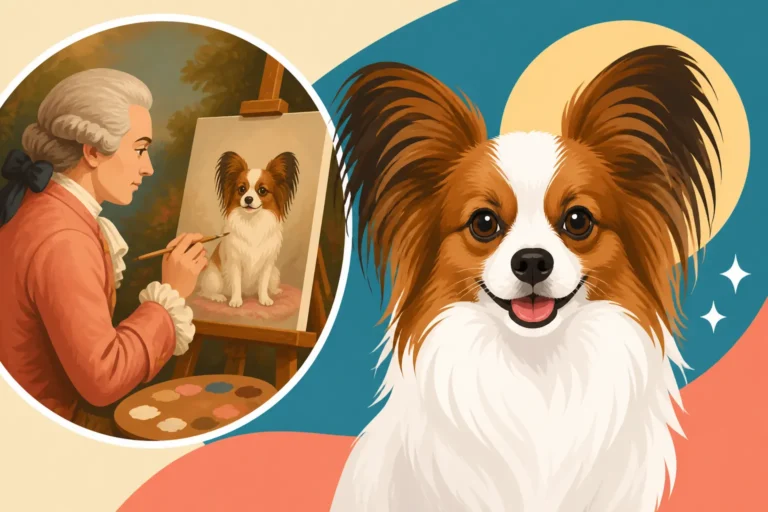
Ah, the Papillon! You know them by those magnificent, butterfly-like ears that truly give them their name. But there's so much more to these graceful little dogs than their striking appearance. Originating in Europe, specifically from the dwarf spaniels often seen in Renaissance paintings, Papillons were cherished companions of nobility for centuries. They're typically fine-boned, delicate-looking dogs, but don't let that fool you into thinking they're fragile porcelain dolls.
Beneath that elegant exterior lies a highly intelligent and surprisingly robust spirit. Papillons are known for being incredibly active and athletic, often excelling in dog sports like agility. They carry themselves with an air of self-importance that is both endearing and a little comical, always ready to be the center of attention. They bond fiercely with their families and often thrive in homes where they can be included in daily activities, whether that's a quiet evening on the sofa or an adventurous hike.
The Fluffy Pomeranian: A Ball of Spunk
Next up, we have the Pomeranian, a true "pom-pom" of a dog with a personality that's far bigger than its diminutive size. Descended from large Spitz-type sled dogs, it's almost unbelievable how much they've been downsized over generations. Poms are instantly recognizable by their luxurious double coat, often described as a fluffy mane, and their foxy faces. They come in a dazzling array of colors and patterns, making each one a unique living sculpture.
Pomeranians are renowned for their lively and inquisitive nature. They possess an undeniable charm and often have a mischievous glint in their eyes. These dogs are intelligent and quick to learn, but sometimes their independent streak can make training a fun challenge. They adore their human families and thrive on interaction, often demanding to be involved in whatever you're doing. Many Pom owners will tell you that while they look like cuddly toys, they have the heart of a much larger dog, often unaware of their small stature.
The Bold Chihuahua: Small Dog, Big Personality
And then there's the Chihuahua, the smallest dog breed in the world, yet one that consistently proves size has absolutely nothing to do with personality. Whether you envision a long-coated diva or a smooth-coated minimalist, Chihuahuas are captivating. They hail from Mexico, with a history stretching back to ancient civilizations, making them one of the oldest breeds in the Americas. Their large, expressive eyes and erect ears give them an alert and often intensely curious expression.
Chihuahuas are famous for their fierce loyalty and often form an incredibly strong bond with one primary person, though they can be affectionate with the whole family. They are incredibly courageous, sometimes to their own detriment, and won't hesitate to stand up to much larger dogs if they feel threatened or protective. This breed is known for its "big dog in a small body" attitude, which makes them endlessly entertaining. They thrive on companionship and enjoy being close to their humans, whether snuggled under a blanket or perched proudly on a lap.
Temperament: Who's the Best Fit for Your Lifestyle?
When choosing a dog, temperament is arguably the most crucial factor. A dog's personality and how it fits with your daily life will dictate the happiness of both you and your new companion. These three breeds, while all members of the toy group, have distinct temperamental quirks that are important to consider.
Energy Levels and Exercise Needs
You might think all small dogs are content to be lap warmers, but that's really not the case. The Papillon, for instance, is surprisingly athletic. These little dogs absolutely adore activity. They thrive on brisk walks, engaging play sessions in the yard, and are often seen flying over agility obstacles with remarkable grace. A bored Papillon can become a mischievous Papillon, so mental and physical stimulation are key. Don't underestimate their need to run and play; a good half-hour walk morning and evening, plus some dedicated play, is often ideal. How Far a Papillon Should Walk Daily delves into this more deeply.
Pomeranians, while not quite as high-octane as many Papillons, still have a good amount of energy to burn. They love to trot alongside their owners, explore new scents, and engage in playful antics. Daily walks and regular playtime are essential to keep them happy and prevent boredom. They might not need to run a marathon, but a couple of shorter, brisk walks or a good play session in a fenced yard each day will go a long way. They enjoy exploring and can be quite curious, so varied environments keep them engaged.
Chihuahuas, on the other hand, are generally on the lower end of the energy spectrum among these three. Their tiny legs can only go so far, and they tire out relatively quickly. Short walks around the block, some indoor playtime, or chasing a toy in the living room are often enough to satisfy their exercise needs. However, don't mistake low exercise needs for low mental stimulation needs! Chihuahuas are clever and appreciate puzzle toys and interactive games to keep their minds sharp. They might be small, but they still need purpose.
Trainability and Intelligence
This is where the Papillon really shines. Often ranked as one of the most intelligent dog breeds overall, not just in the toy group, Papillons are incredibly quick learners. They pick up new commands with astonishing speed, sometimes seeming to anticipate what you want before you even ask. This intelligence makes them a joy to train, whether for basic obedience, advanced tricks, or competitive dog sports. They respond best to positive reinforcement and enjoy the challenge of learning. If you're looking for a dog to impress your friends with tricks, a Papillon might be your champion. The Papillon Is the Smartest Toy Breed There Is explores this in detail.
Pomeranians are also intelligent dogs, but their independence can sometimes make them a bit more challenging to train than a Papillon. They understand commands quickly but may choose whether or not to obey, especially if there's something more interesting happening. Consistency, patience, and high-value rewards are key to successful Pomeranian training. They excel when training is made fun and engaging, often thriving in environments where they feel like they're collaborating rather than just obeying. Their smarts make them adept at problem-solving, which can sometimes extend to figuring out how to get into mischief!
Chihuahuas are intelligent in their own right, capable of learning a wide array of commands and tricks. However, their strong-willed nature and tendency to be a bit pampered can sometimes make house training or obedience a longer process. They respond very well to positive reinforcement and clear, consistent boundaries. Because they can be so devoted to their owners, they often genuinely want to please, which can be a strong motivator. The challenge often lies in convincing them that your agenda is more appealing than their own.
Socialization with People and Other Pets
A well-socialized Papillon is a confident, outgoing dog that enjoys meeting new people and is generally polite with other dogs. They tend to be friendly and approachable, though some can be a little reserved initially. Early and consistent socialization is crucial to ensure they grow into well-adjusted adults, especially given their tendency to be active and engaged with their surroundings. They can live happily with other dogs and even cats if introduced properly. A Papillon Has No Idea It Is Small highlights their confident nature, which aids in socialization.
Pomeranians can be a mixed bag when it comes to strangers and other pets. Some are gregarious and love everyone, while others can be quite wary, even prone to barking at newcomers. They often have a "big dog" mentality and won't back down from larger dogs, which can sometimes lead to trouble if not managed carefully. Early socialization is vital for Poms to ensure they are comfortable and confident in various situations. With proper introductions, they can coexist peacefully with other animals, but their strong personality means they often prefer to be the center of attention.
Chihuahuas are often stereotyped as nippy or aggressive, but this is usually a result of poor socialization and over-pampering, not an inherent trait. A well-socialized Chihuahua can be a charming companion, though they often retain a preference for their immediate family. They can be wary of strangers and may react defensively if they feel threatened. With other dogs, Chihuahuas can be selective; they often prefer other Chihuahuas or small, gentle dogs. Introducing them to children and other pets requires careful supervision and a slow, positive approach to build trust and ensure safety.
Physical Characteristics: More Than Just Size
While their size instantly places them in the toy group, the physical attributes of Papillons, Pomeranians, and Chihuahuas extend far beyond their compact frames. From their distinctive coats to their unique facial structures, these traits play a significant role in their care requirements and how they interact with the world around them.
Size and Weight Comparisons
These are all small dogs, no doubt, but there are subtle differences in their typical size ranges. Papillons generally stand between 8 to 11 inches tall at the shoulder and usually weigh between 5 to 10 pounds. They have a delicate, elegant bone structure that contributes to their graceful appearance. You’ll find them to be surprisingly sturdy for their fine build, capable of bursts of speed and impressive jumps.
Pomeranians are typically a bit shorter and more compact than Papillons. They usually stand between 6 to 7 inches tall and weigh 3 to 7 pounds. Their dense double coat can make them appear larger and fluffier than they actually are, often creating a round, ball-like silhouette. Underneath all that fluff, they are quite sturdy little dogs.
Chihuahuas are the smallest of the three, with a standard weight ranging from 2 to 6 pounds, though some can be a little larger. Their height can vary, but they are generally proportionally smaller than the other two breeds. Despite their delicate appearance, many Chihuahuas are surprisingly hardy, though their tiny size does necessitate careful handling to avoid accidental injury. Their petite frame means they can easily be scooped up and carried, fitting into almost any bag or carrier.
Coat Type, Grooming Requirements, and Shedding
The Papillon boasts a single, silky coat that is fine and flowing, often described as having an elegant fringe around the ears, chest, and tail. A Papillon's Coat Is All Fringe and No Undercoat captures this perfectly. Because they lack an undercoat, Papillons shed moderately, typically less than breeds with thick double coats. Regular brushing, about 2-3 times a week, is usually sufficient to prevent mats and keep their coat looking its best. The primary areas for potential tangles are behind the ears, under the "culottes" (the feathering on their hind legs), and their beautiful tail plume. While it looks high-maintenance, grooming a Papillon is surprisingly manageable. Why a Papillon's Long Coat Takes Twenty Minutes a Week discusses this more.
Pomeranians are famous for their profuse double coat, consisting of a soft, dense undercoat and a longer, harsh outer coat. This magnificent coat requires more diligent grooming to prevent matting and keep it healthy. Daily brushing is often recommended, or at least every other day, to work through both layers and remove loose hair. Poms do shed, particularly during seasonal coat blows, which can be quite noticeable. While they don't require professional trimming often, their coat does need consistent attention at home to maintain its signature fluffy look.
Chihuahuas come in two distinct coat varieties: smooth-coat and long-coat. Smooth-coated Chihuahuas have short, close-lying hair that is very easy to care for, requiring minimal brushing (once a week) and shedding moderately. Long-coated Chihuahuas have soft, slightly wavy or flat long hair with feathering on the ears, legs, and tail, similar in texture to a Papillon but without the undercoat. These need brushing a few times a week to prevent tangles. Both varieties shed, but their small size means the amount of hair is generally less impactful than with larger or double-coated breeds.
Distinctive Features: Ears, Faces, and Tails
The Papillon's defining feature is, of course, its ears. Large, erect, and fringed with long, flowing hair, they resemble the wings of a butterfly, giving the breed its French name. Their faces are delicate with dark, expressive eyes and a refined muzzle. Their tails are carried high over the back, forming a beautiful, graceful plume. These features contribute to their overall elegant and alert appearance.
Pomeranians have a distinctive foxy face with almond-shaped, dark eyes and small, erect ears that are barely visible beneath their abundant mane. Their short, compact bodies are complemented by a high-set, heavily plumed tail that curls up and lies flat over their back. This combination gives them their characteristic bouncy, cheerful look.
Chihuahuas have a distinctive "apple head" (a rounded skull) or "deer head" (a more elongated skull, though apple heads are preferred in the show ring), with large, round, expressive eyes that are often dark, though lighter colors can occur. Their ears are prominent, erect, and relatively large for their head size, giving them an inquisitive, alert expression. Their tails are typically carried high and can either curve over the back or be held in a "sickle" position.
Health and Lifespan: What to Expect Down the Road
While all three of these breeds generally enjoy long lifespans, they are not immune to certain hereditary conditions. Understanding these potential health concerns is crucial for responsible ownership, helping you prepare for potential challenges and choose a puppy from a reputable breeder who prioritizes health.
Common Health Concerns in Each Breed
Papillons, despite their delicate appearance, are a generally healthy breed. However, they are prone to certain genetic conditions. The most commonly discussed orthopedic issue is patellar luxation, where the kneecap slips out of place. This can range from mild (Grade 1) to severe (Grade 4) and may require surgical correction in some cases. What Patellar Luxation Does to a Papillon offers a more in-depth look. Another concern is Progressive Retinal Atrophy (PRA), an inherited eye disease that causes eventual blindness. Responsible breeders screen for both these conditions. They can also be susceptible to dental issues due to their small jaws.
Pomeranians share some common health concerns with Papillons, including patellar luxation. They are also prone to tracheal collapse, a condition where the windpipe weakens and can partially close, leading to a characteristic cough. Hypoglycemia (low blood sugar) can be a concern, especially in puppies, and proper feeding schedules are crucial. Alopecia X (black skin disease), a genetic condition causing hair loss, is also seen in the breed. Like many small breeds, dental disease is a prevalent issue if not addressed with regular care.
Chihuahuas, due to their very small size, have unique health considerations. Patellar luxation is common, as are dental problems due to their tiny mouths crowding their teeth. They can also be prone to hypoglycemia, particularly as puppies, and often need frequent, small meals to maintain blood sugar levels. Hydrocephalus, a condition involving excess fluid in the brain, can occur, especially in those with very pronounced "apple heads." Chihuahuas can also be susceptible to collapsing trachea, heart problems like patent ductus arteriosus (PDA), and sometimes suffer from luxating atlantoaxial joint, which can cause neck pain or neurological issues.
Average Lifespan and Senior Care
One of the most wonderful things about these toy breeds is their impressive longevity! Papillons typically live a long and healthy life, often reaching 12 to 16 years, with many living even longer. How Long a Papillon Lives delves into this. As they age, you might notice some common senior dog issues such as hearing or vision loss, arthritis, or a general slowing down. Providing comfortable beds, ensuring easy access to favorite spots (perhaps with ramps), and regular vet check-ups become even more important.
Pomeranians generally have a similar lifespan, averaging 12 to 16 years. As Poms enter their senior years, maintaining their dental health becomes paramount, as does managing any developing orthopedic issues. Their thick coats can also hide weight fluctuations, so regular body condition checks are important to prevent obesity which strains joints. Senior Poms benefit from a warm, cozy environment and gentle exercise.
Chihuahuas are also renowned for their long lifespans, often living 14 to 18 years, with some reaching into their early twenties! Because of their extreme longevity, proactive care throughout their lives is incredibly important. As they age, monitoring for heart disease, kidney issues, and maintaining excellent dental hygiene are key. Due to their small size, they can get chilled easily, so keeping them warm and cozy is a must in their golden years.
Importance of Responsible Breeding and Health Testing
For all three breeds, choosing a puppy from a responsible breeder is paramount. A reputable breeder will prioritize the health and temperament of their dogs above all else. This means they will conduct appropriate health screenings on their breeding stock for conditions known to affect the breed. For Papillons, this includes OFA certification for patellas and eye exams (CERF/OFA Eye Certification Registry) to screen for PRA.
For Pomeranians, breeders should screen for patellar luxation, eye conditions, and often have cardiac evaluations. Chihuahuas should also have patellar and eye exams, and sometimes cardiac screenings. A good breeder will be transparent about these test results, be willing to answer all your questions, and provide a health guarantee. They won't breed dogs just for profit or without regard for potential genetic issues. While no breeder can guarantee a dog will never have a health issue, good health testing significantly reduces the risk of inherited conditions. This is an area where investing upfront with a reputable breeder can save you significant heartache and vet bills down the line.
Living with Each Breed: Daily Life Considerations
Bringing any dog into your home requires adjusting your daily routine and environment. For small breeds like Papillons, Pomeranians, and Chihuahuas, their size, personalities, and needs shape distinct daily living considerations. From how they navigate your home to their vocal tendencies, it's important to understand what each breed will truly bring to your household.
Suitability for Apartments vs. Houses
All three of these breeds are generally excellent choices for apartment living due to their small size. They don't require vast amounts of space to thrive, as long as their exercise and mental stimulation needs are met. However, there are nuances. A Papillon, with its higher energy levels and love for activity, would appreciate a home that either has a small, secure yard or, more importantly, owners committed to daily walks and outings to a park. They adapt very well to apartments, but their active minds and bodies need an outlet. Whether a Papillon Suits an Apartment explores this further.
Pomeranians also do very well in apartments. Their exercise needs are moderate, easily met with daily walks. The primary consideration for apartment dwellers with a Pom might be their vocal nature, which we'll discuss next. As long as they have enough mental engagement and regular opportunities to stretch their legs, they'll be happy in a smaller space. They often enjoy watching the world from a window, which can also be an apartment-friendly activity.
Chihuahuas are arguably the kings and queens of apartment living. Their minimal exercise requirements and tiny stature mean they can be perfectly content in even the smallest of living spaces. They often enjoy burrowing in blankets and napping in cozy spots, which are plentiful in an apartment. The main concern, again, might be their alert barking, especially in close quarters with neighbors. For Chihuahuas, a small apartment can feel like a grand palace as long as they are with their beloved human.
Handling Barking Tendencies
Ah, barking! This is often a hot topic with toy breeds, and for good reason. Papillons can be prone to barking, especially if they are not properly socialized or if they are bored. They are alert little dogs and will often "announce" new arrivals or unusual sounds. However, with consistent training and redirection from a young age, their barking can be managed. They are intelligent enough to learn a "quiet" cue. Providing plenty of mental stimulation helps to reduce nuisance barking. How Much a Papillon Barks dives deeper into their vocal nature.
Pomeranians are notorious for their barking. They often see themselves as valiant watchdogs, and they will alert you to every squirrel, leaf, and passerby they deem suspicious. Their sharp, clear barks can be quite loud for their size. Training a "quiet" command is absolutely essential for a Pomeranian owner, especially if you have close neighbors. Early socialization to various sights and sounds can help, but a Pom's natural inclination to be vocal is something to be prepared for.
Chihuahuas are also very vocal and are often described as "yappy." They use their barks to express everything from excitement to fear to territorial warnings. Similar to Pomeranians, they make excellent alarm systems, but their constant alerts can become a nuisance if not managed. Like with all these breeds, early training, desensitization to triggers, and ensuring they feel secure (rather than constantly threatened) can help mitigate excessive barking. Because they bond so closely, separation anxiety can also manifest as barking when left alone.
Compatibility with Children and Other Household Members
This is where careful consideration is crucial, especially regarding small children. Papillons, when properly socialized and raised, can be wonderful family dogs. They are generally good with older, respectful children who understand how to interact gently with a small dog. Their playful nature can make them great companions for kids who know how to play appropriately. However, their delicate bone structure means they can easily be injured by clumsy toddlers or rough play, so constant supervision is a must with very young children.
Pomeranians can also be good family dogs, but their "big dog" attitude means they might not tolerate rough handling from young children. They can be prone to nipping if they feel threatened or cornered. For this reason, Poms are often better suited for homes with older, considerate children or adults. They thrive on attention from their family members and can be very affectionate, but their interactions with kids should always be supervised to ensure safety for both dog and child.
Chihuahuas, more than the other two, often do best in adult-only homes or homes with older, well-behaved children. Their tiny size makes them incredibly vulnerable to accidental injury, and their sometimes-sassy temperament means they are quick to defend themselves if they feel overwhelmed or mishandled. They bond intensely with their primary caregiver and can sometimes be possessive, which can be an issue with young children trying to interact. If a Chihuahua is to live with children, it requires extensive socialization from a young age and strict supervision, teaching both the dog and the children how to safely interact.
Cost of Ownership: Beyond the Initial Price Tag
When you welcome a dog into your life, the initial purchase price is just the tip of the iceberg. The ongoing costs of food, grooming, veterinary care, and unexpected expenses can add up significantly over a dog's long lifespan. Being prepared for these financial realities is a crucial part of responsible pet ownership.
Initial Purchase or Adoption Costs
The initial cost for a Papillon puppy from a reputable breeder can vary widely based on location, pedigree, and the breeder's reputation, but generally, it's a significant investment reflecting the care, health testing, and time invested. You might also consider adoption, which typically involves a lower fee covering spay/neuter, vaccinations, and microchipping. What a Papillon Costs to Buy in 2026 gives more detail on current market rates.
Pomeranian puppies from reputable breeders also come with a notable price tag, similar to Papillons, reflecting the breeder's commitment to health and breed standards. As with Papillons, adoption from a rescue organization is a wonderful alternative, often with a more modest fee that includes essential veterinary care.
Chihuahua puppies, especially those from well-vetted lines, also represent a significant initial investment. Due to their popularity, there can be a wide range of prices, but beware of extremely low prices, which can often signal backyard breeders who do not conduct proper health screening. Adopting a Chihuahua from a breed-specific rescue or a general shelter is a fantastic way to give a deserving dog a loving home, with adoption fees typically covering initial vet care.
Ongoing Expenses: Food, Grooming, and Vet Care
Once you bring your furry friend home, the ongoing expenses begin. For all three breeds, food costs are relatively low compared to larger dogs because they eat so little. A high-quality small-breed kibble will last a surprisingly long time. You might find great options for their specific needs at places like Chewy, which offers a vast selection of premium small-dog foods.
Grooming expenses will differ based on coat type. Papillons require regular brushing at home, but professional grooming is usually only needed for baths and nail trims, or perhaps a tidy-up of feathering, rather than extensive cuts. Pomeranians, with their dense double coats, may benefit from professional grooming every few months to maintain their coat and manage shedding, especially if you're not consistent with daily brushing yourself. Chihuahuas, especially smooth-coats, have minimal grooming needs. Long-coat Chihuahuas will need more frequent brushing, but generally less than a Pom.
Veterinary care is a critical ongoing cost. Annual wellness exams, vaccinations, and parasite prevention (heartworm, flea, and tick) are standard for all dogs. Due to their predisposition to dental issues, all three breeds will likely require professional dental cleanings under anesthesia at some point in their lives, sometimes even yearly, which can be a significant expense. Dental Work Over a Papillon's Long Life provides a realistic look at this. These costs should be budgeted for, as proactive dental care can prevent more serious health problems.
Insurance and Emergency Fund Considerations
Given the potential for breed-specific health issues like patellar luxation, tracheal collapse, or heart conditions, pet insurance can be a wise investment for a Papillon, Pomeranian, or Chihuahua owner. Insurance can help cover unexpected veterinary bills for accidents, illnesses, and sometimes even hereditary conditions if purchased before diagnosis. It's worth researching different plans and understanding what they cover and what their deductibles and reimbursement rates are. Many pet insurance providers have options tailored to different budgets.
Alternatively, some owners prefer to set up a dedicated emergency fund, saving money each month specifically for their pet's potential health crises. Whether you choose insurance or an emergency fund, having a financial safety net is crucial. These breeds are known for their longevity, which means more years for potential health issues to arise. Considering Whether a Papillon Is Worth the Knee Risk or other breed-specific concerns, having financial preparedness in place provides immense peace of mind. Both options mean you won't have to make difficult choices based solely on cost if your beloved companion needs significant medical attention.
Making Your Decision: A Side-by-Side Look
Choosing between a Papillon, a Pomeranian, and a Chihuahua is a delightful but significant decision. Each breed offers a unique set of traits and requires a specific kind of environment and commitment. Let's summarize the ideal owner for each and provide a quick comparison to help solidify your choice.
Ideal Owners for Each Breed
The Papillon is perfect for active individuals or families who appreciate a smart, engaged companion. They thrive with owners who enjoy training, perhaps even dabbling in dog sports like agility, and who can provide consistent mental and physical stimulation. They fit well with those who desire a smaller dog but don't want a purely "lap dog." Owners should be prepared for their intelligent antics and a dog that wants to be involved in everything. If you love a dog with a playful spirit and a brain that's always working, a Papillon could be your perfect match.
The Pomeranian suits owners who adore a fluffy, spirited, and often sassy companion. They thrive with individuals or families who are home often, as Poms love to be the center of attention and can get lonely. They need owners who are consistent with training and socialization to manage their vocal tendencies and confident attitude. If you're looking for a bold little dog with a luxurious coat and a fun-loving personality, the Pomeranian might be calling your name. They're great for those who appreciate a dog with a strong sense of self.
The Chihuahua is an excellent choice for individuals or families who prefer a tiny, devoted companion and are prepared for a dog with a huge personality in a small package. They do best with owners who are patient, gentle, and committed to early socialization to prevent shyness or fearfulness. Chihuahuas often bond strongly with one person and enjoy being close to their human, making them ideal for someone seeking a constant shadow. If you appreciate a loyal, courageous, and affectionate lap dog who will tell you exactly what's on their mind, a Chihuahua could be your soulmate.
Key Differences at a Glance
To help you visualize the distinctions, here's a quick comparison of the key traits we've discussed.
| Feature | Papillon | Pomeranian | Chihuahua |
|---|---|---|---|
| Size/Weight | 8-11 in, 5-10 lbs | 6-7 in, 3-7 lbs | 2-6 lbs |
| Coat Type | Single, silky, fringed; moderate shedding | Double, profuse, fluffy; moderate-heavy shedding | Smooth or long-coat; light-moderate shedding |
| Grooming | Moderate: 2-3x/week brushing | High: daily brushing, potential professional | Low-Moderate: 1-3x/week brushing |
| Energy Level | High: very active, athletic | Moderate: playful, inquisitive | Low: short bursts, loves to snuggle |
| Trainability | Very High: highly intelligent, eager to learn | High: intelligent but can be independent | Moderate: intelligent but strong-willed |
| Barking Tendency | Moderate: alert, can be managed | High: very vocal, natural watchdog | High: very vocal, alert, can be yappy |
| Socialization | Generally friendly, good with respectful kids | Can be wary of strangers, best with older kids | Can be reserved/fearful, often one-person dog |
| Common Health Issues | Patellar luxation, PRA, dental disease | Patellar luxation, tracheal collapse, dental | Patellar luxation, dental, hypoglycemia, hydrocephalus |
| Average Lifespan | 12-16 years | 12-16 years | 14-18 years |
| Ideal Owner | Active, wants a smart, engaged companion | Wants a spirited, fluffy, confident dog | Wants a tiny, devoted, bold lap companion |
Final Thoughts on Choosing Your Companion
Ultimately, the "best" breed is entirely subjective and depends on what you're looking for in a dog. There's no wrong answer here, only the right fit for your life. Are you an avid dog sports enthusiast who wants a smart, agile partner for adventures? The Papillon might be your perfect match. Perhaps you dream of a fluffy, charismatic dog who's always up for fun and cuddles, and you don't mind a bit of a vocal personality? A Pomeranian could be ideal. Or maybe you're seeking a fiercely loyal, tiny companion who will be your constant shadow and confidant, perfectly content with indoor games and cozy naps? The Chihuahua awaits.
Think about your home environment, your daily schedule, your experience with dog training, and how much time and energy you realistically have to dedicate to grooming and socialization. Consider visiting breed-specific rescues or meeting adult dogs of each breed if possible – sometimes seeing them in person can tell you more than any written description. Regardless of which breed you choose, providing them with love, proper training, early socialization, and consistent veterinary care will ensure they thrive and bring immense joy to your life for many years to come.
Disclaimer
This article is for general informational purposes only and does not constitute professional advice. Laws, prices and regulations vary by location and change over time. Consult a qualified professional for guidance on your specific situation.