Whether a Papillon’s Face Markings Should Be Symmetrical
It's completely natural to pore over every detail of your Papillon, especially those beautiful, distinctive face markings. You might find yourself wondering if those splashes of color over their eyes and ears are supposed to be perfectly mirrored, or if that sweet little blaze running up their forehead is meant to be perfectly centered. The truth is, while certain aesthetics are certainly admired, expecting absolute, laser-precision symmetry in a living creature, especially a dog, is often setting ourselves up for a bit of a disappointment! We're going to dive deep into what the Papillon breed standard really says about face markings, explore why some variation is not only normal but also adds to their unique charm, and what truly matters when it comes to your beloved butterfly dog.
Understanding the Papillon Breed Standard and Markings
When you look at a Papillon, those magnificent ears and expressive eyes are often the first thing that captures your attention. The breed standard, which is essentially the blueprint for what an ideal Papillon should look like, does provide guidelines for markings, but it's important to understand that "ideal" rarely means "flawless perfection" in every single aspect. It's more about the overall impression and the placement of key features that give the Papillon its characteristic charm.
The Ideal Papillon Face: A Breeder's Perspective
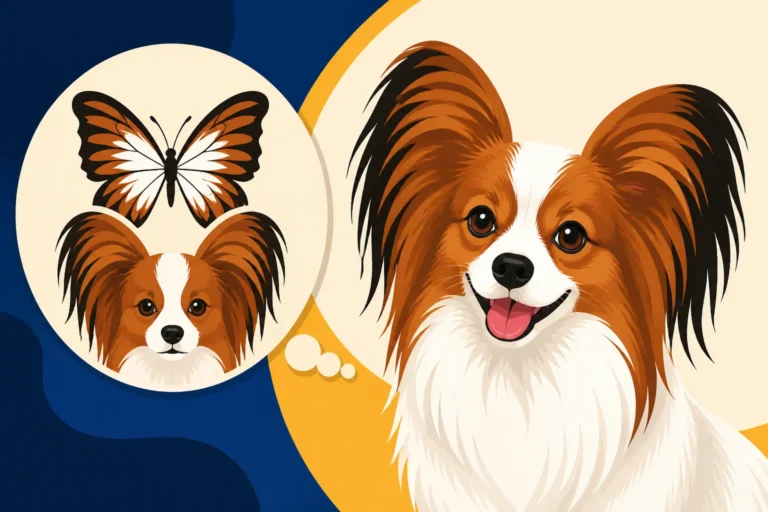
From a breeder's standpoint, the goal is often to produce dogs that conform as closely as possible to the written breed standard. For Papillons, this standard typically describes a white blaze, or strip of white, running between the eyes and extending up the forehead. The ears, which are usually colored, should ideally have color extending from the base of the ear over the eye. This creates the beautiful 'butterfly' appearance for which the breed is named – the erect, fringed ears resembling the spread wings of a butterfly, and the head markings forming the body.
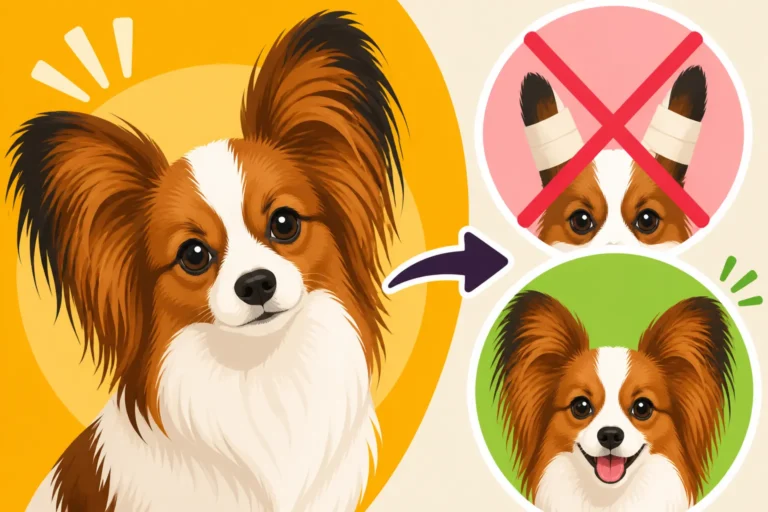
While a clear blaze and well-defined colored patches over the ears are highly desired, the emphasis is more on the presence and definition of these markings rather than their exact, millimeter-perfect symmetry. A striking, well-balanced face is always a plus, and often, what looks "balanced" to the human eye isn't a mirror image but rather a pleasing distribution of color that enhances the dog's expression. Think of it like a beautiful painting – the artist isn't necessarily striving for exact mathematical symmetry, but for an aesthetic harmony that draws you in.
Why Symmetry Matters (or Doesn't) in Show Rings
In the highly competitive world of dog shows, judges evaluate Papillons against that breed standard. While a perfectly symmetrical face might catch a judge's eye and be considered a bonus, it's rarely a make-or-break factor on its own. Judges are looking at the whole package: structure, gait, temperament, coat quality, and overall breed type. A slightly asymmetrical marking is far less of a concern than, say, a poor bite, incorrect ear set, or a faulty gait.
What they are looking for is color that covers both ears, extending onto the head. They want a clear, clean blaze that doesn't fade into the colored patches or disappear entirely. If a dog has a strong, defined blaze and beautifully colored ears, a minor difference in the size or shape of the color patch over one eye versus the other is unlikely to result in a lower placement. The overall effect is paramount. For instance, a Papillon with an otherwise exemplary conformation and lively, confident temperament will almost certainly do better than a perfectly symmetrical dog that is poorly put together or nervous in the ring. You can learn more about what judges look for in What a Correct Papillon's Outline Looks Like.
The Difference Between Beauty Marks and Disqualifying Faults
It’s really important to distinguish between minor variations that add character and genuine faults that could impact a dog's show career or even its health. When it comes to face markings, a slight asymmetry is definitely in the "beauty mark" category. It's what makes your particular Papillon unique! For example, one of my Papillons has a blaze that drifts ever so slightly to the left, and a little more white on the bridge of her nose on one side than the other. Does it make her less beautiful? Absolutely not! If anything, it makes her more endearing because it's uniquely her.
On the other hand, a "disqualifying fault" related to color or markings would be something significant that goes against the core definition of the breed. For Papillons, this typically means a solid white head (lacking the characteristic colored patches over the ears and eyes), or a solid colored head without the white blaze. Some standards might also penalize excessive white on the body if it's considered to diminish the overall color pattern. However, a little more color on one ear than the other, or a blaze that isn't perfectly straight, is generally not considered a disqualifying fault, nor should it deter a loving pet owner in the slightest. What matters more is the health and wellbeing, which is why a good breeder will always prioritize testing over superficial appearances. You might wonder, Whether a Papillon Breeder Certifies Knees, as that's far more critical than a perfectly symmetrical blaze.
Common Papillon Face Markings and Variations
Papillons come in a breathtaking array of colors and patterns, all of which contribute to their charm. While the general expectation is for distinct patches of color on the head, often over the ears and eyes, and a white blaze, the exact execution of these markings can vary quite a bit from one dog to another, even within the same litter. These variations are part of what makes each Papillon truly an individual work of art.
The Blaze: Its Shape and Significance
The blaze on a Papillon refers to the strip of white fur that typically runs up the center of their forehead, between their eyes. It’s meant to break up the colored areas of the head, enhancing the 'butterfly' effect of their ears. An ideal blaze is often described as narrow and distinct, clearly separating the color over each eye and ear. It helps frame their expressive dark eyes and gives their face a bright, alert look.
However, the blaze is rarely a ruler-straight, perfectly uniform stripe. Some Papillons have a blaze that widens slightly as it reaches the forehead, creating a charming "hour-glass" shape. Others might have a very fine, pencil-thin blaze. You might see one that veers slightly off-center, or one that has a tiny "island" of color within it, rather than being pure white throughout. These are all common and accepted variations that simply add character. The important thing is that the blaze is present and generally discernible, rather than completely absent or so wide that it makes the head appear predominantly white. If you're curious about other aspects of their markings, you might find Whether a Papillon Must Have a White Blaze helpful.
Masking and Patches: What to Expect
Beyond the blaze, the main facial markings consist of the colored patches over the eyes and ears, sometimes referred to as 'masking'. These patches usually cover the ears entirely and extend down around the eyes, sometimes meeting under the chin or jawline, but often with a clean break around the muzzle. The color itself can be black, red, sable, lemon, or any combination of accepted Papillon colors, creating a stunning contrast with the white areas of their face and body. Which Colors a Papillon Comes In covers the full spectrum.
Again, perfect symmetry in these patches is rare. You might have a Papillon with a slightly larger colored patch over one eye than the other, or one ear might have color that extends further down the cheek than its counterpart. These minor differences are part of their genetic lottery. Sometimes, a tiny white "star" might appear within a colored patch on the forehead, or a small white spot on an otherwise colored cheek. These are not considered faults; in fact, many owners find them incredibly endearing. What's generally looked for is that both ears are colored, and the color frames the eyes effectively, avoiding a "half-masked" appearance where one side is significantly different or missing color.
"Butterfly Ears" and Their Influence on Markings
The iconic "butterfly ears" are, of course, what gives the Papillon its name. These large, erect ears are heavily fringed, resembling a butterfly with its wings spread wide. The colored patches on the head usually encompass these ears, making the ears appear as the vibrant wings of the butterfly. The way these ears are set and carried naturally influences how the facial markings appear.
If a Papillon's ears are perfectly symmetrical in their set and carriage, the markings often appear more balanced as well. However, slight variations in ear carriage – one ear might tilt ever so slightly differently, or the fringe might grow a little more profusely on one side – can create the illusion of asymmetry in the markings, even if the underlying color pattern is quite similar. This is simply a natural anatomical variation, not a flaw in the marking itself. These beautiful ears, with their delicate fringe, require a little attention, and you'll often find special grooming combs and gentle detangling sprays at places like Chewy that can help keep them looking their best. The development of these ears is a fascinating journey, and sometimes, even in the same litter, you can see a mix of ear types. This is why you might see Why a Papillon and a Phalene Are Born in the Same Litter.
Genetics of Papillon Markings: A Simplified Look
Understanding Papillon markings is a bit like looking at a complex painting where each brushstroke is influenced by a different gene. While we aren't talking about genes specifically for "perfect symmetry," we are dealing with a fascinating interplay of genetics that determines where white and color appear, and how those patterns manifest on your dog's adorable face.
How Genes Influence Color and Pattern Placement
The base coat color in Papillons is determined by a few primary gene series, but the pattern of white and color, which includes the facial markings, is controlled by a separate set of genes, often referred to as the "piebald" or "spotting" genes. These genes dictate where pigment cells develop and where they don't, resulting in the patches of color and white that we see. Think of it like a stencil that gets laid over the dog; some stencils are more precise than others.
A dog receives two copies of each gene, one from each parent. The combination of these genes will influence the extent of white spotting. Dogs with less white spotting tend to have larger, more continuous patches of color, while those with more white might have smaller, more broken up patches, or even a predominantly white face with just a hint of color over the ears. It's a complex dance, and even littermates can show surprising variations in their white patterning, even if their base colors are the same. This genetic lottery explains why exact symmetry is so rare; it would require an almost perfect distribution of these pigment-determining cells across the developing embryo.
Predicting Markings in Papillon Puppies
For breeders, predicting the exact markings of a Papillon puppy can be a bit of an art and a science. While they can have a good general idea based on the parent dogs' patterns and their genetic history (what patterns their ancestors carried and produced), the precise details are often a delightful surprise. Two parents with beautifully symmetrical blazes and ear patches might produce a puppy with a slightly uneven blaze, or vice-versa.
Experienced breeders often know the tendencies of their lines. If certain parents consistently produce puppies with strong blazes and well-defined ear patches, they can reasonably expect similar outcomes. However, the exact nuances of shading, the precise lines of the blaze, or the exact dimensions of the colored patches are often left to chance within the genetic framework. It’s a bit like predicting exactly where a paint splash will land – you can control the general direction, but the precise pattern is unique every time. Puppy markings can also change slightly as they grow, with color sometimes spreading or receding a little, or fringe growing in to alter the visual effect.
The Role of Breeding for Desired Aesthetics
Responsible Papillon breeders strive for healthy dogs with excellent temperaments and conformation, as these are the cornerstones of a good representative of the breed. While attractive markings are certainly a goal, they typically come after health and temperament on the priority list. A breeder would never choose a dog with a significant health issue, like severe patellar luxation, over a healthier dog, simply because the former had perfectly symmetrical face markings. In fact, a good breeder will make sure their breeding dogs have all the appropriate health clearances. What a Papillon Breeder Should Have Tested gives insight into the critical health checks.
That being said, breeders do select for overall breed type, and that includes pleasing aesthetics. They'll aim for dogs whose markings contribute to the classic 'butterfly' look: clear, expressive eyes, well-set, fringed ears, and a distinct blaze. Over generations, by carefully selecting breeding pairs, they can reinforce lines that consistently produce these desirable patterns. However, they understand that some natural variation is inherent, and they cherish each puppy for its individual beauty, symmetrical or not. You might notice that dogs in the show ring often have very clear, balanced markings, but that's the result of years of selective breeding and a bit of luck, not a guarantee for every puppy.
Living with a Papillon: Beyond the Markings
Once you bring a Papillon into your home, whether they're a show dog or a beloved companion, the exact symmetry of their facial markings quickly fades into the background compared to their vibrant personality, their boundless energy, and the unconditional love they offer. These little dogs are so much more than their coat patterns!
Health and Temperament Over Appearance
Any responsible dog owner will tell you that a dog's health and temperament are far, far more important than its appearance. While a beautifully marked Papillon is certainly lovely to behold, a healthy, happy Papillon with a slightly asymmetrical face will always be preferable to a perfectly symmetrical one plagued by health issues or behavioral problems. Papillons are generally a healthy breed with a good lifespan, but like all breeds, they have some predispositions. Ensuring your Papillon comes from health-tested parents and receives regular veterinary care is paramount. You can delve into specific health concerns like The Papillon Type of Progressive Retinal Atrophy and the CNGB1 Gene or Patellar Luxation Is the Papillon Problem You Will Actually Meet, which are far more critical than how symmetrical their blaze is.
Their intelligence and spirited nature are what truly define the Papillon. They are known for being bright, eager to please, and incredibly affectionate. Their mischievous antics and their desire to be involved in everything you do will quickly overshadow any minor "imperfection" in their markings. As long as your Papillon is thriving, exploring, learning new tricks (and believe me, they learn them fast – The Papillon Is the Smartest Toy Breed There Is!), and showering you with love, a slightly uneven pattern on their face will be nothing but a unique identifier that makes them even more special to you.
Grooming to Highlight (or Downplay) Markings
The Papillon's glorious single coat and impressive ear fringing are a huge part of their appeal. While their markings are fixed by genetics, how you groom them can certainly influence how those markings appear. Regular grooming keeps their coat healthy and allows their natural patterns to shine. You might be interested to know Why a Papillon's Coat Is Called Silky.
Keeping the fur around their face clean and free of tangles is key. If your Papillon has particularly long facial fringe, or if they tend to get wet food stuck around their muzzle, a little gentle trimming of these "whispers" can help define their facial features and make their blaze appear clearer. Similarly, ensuring their ear fringe is well-brushed and free of mats (which can happen, especially behind the ears!) will ensure their iconic 'butterfly' ears look their best, which in turn enhances the overall appearance of their head markings. Products like gentle detangling sprays and small, fine-toothed combs, readily available from retailers like Chewy, are indispensable for keeping those lovely ears in pristine condition.
Embracing the Uniqueness of Your Papillon
Ultimately, every single Papillon is an individual, and their unique markings are part of what makes them so special. Just like human fingerprints, no two Papillons will have identical patterns, even if they share similar colors and general layouts. It's these subtle variations that give them character and make them instantly recognizable to their adoring families.
Instead of focusing on whether their markings are "perfectly" symmetrical, embrace the little quirks that make your Papillon your Papillon. Maybe one ear has a slightly more prominent patch of color, or their blaze has a charming little wobble. These aren't flaws; they're unique signatures. The bond you share with your Papillon, their happy tail wags, their enthusiastic greetings, and their comforting presence are what truly matters. Their personality and spirit are far more captivating than any cosmetic detail. Whether you live in a sprawling house or a cozy apartment, your Papillon will adjust, provided they get enough mental stimulation and attention – Whether a Papillon Suits an Apartment Dweller is a common question that emphasizes personality over looks. Celebrate their individual beauty, inside and out!
Disclaimer
This article is for general informational purposes only and does not constitute professional advice. Laws, prices and regulations vary by location and change over time. Consult a qualified professional for guidance on your specific situation.