How a Papillon Differs From a Pomeranian
It’s a common scenario: you’re at the dog park, admiring a tiny, fluffy dog with a proud tail, and you whisper to your friend, "Is that a Papillon or a Pomeranian?" Or perhaps you’re looking to bring a small companion into your home and find yourself absolutely smitten with both breeds, but utterly confused about their differences. While both are undeniably adorable, compact, and brimming with personality, they are distinctly different breeds with unique needs and characteristics. This guide is here to untangle that fluffy knot for you, breaking down everything that sets these two wonderful toy breeds apart so you can make an informed decision for your family.
Distinctive Physical Traits: Ears, Coat, and Build
When you first glance at a Papillon and a Pomeranian, they might seem similar – small, long-haired, and undeniably cute. But upon closer inspection, their physical characteristics tell a very different story, especially concerning their most iconic features. Understanding these physical nuances is key to identifying each breed and appreciating their unique beauty.
Distinguishing Ear Shapes
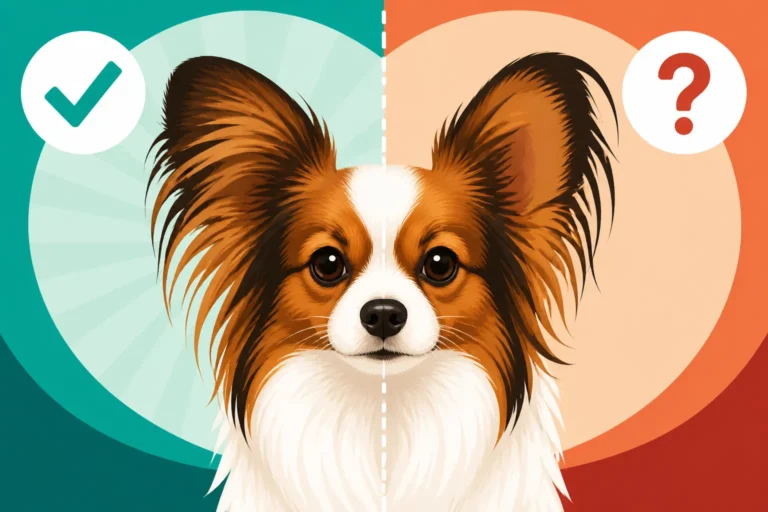
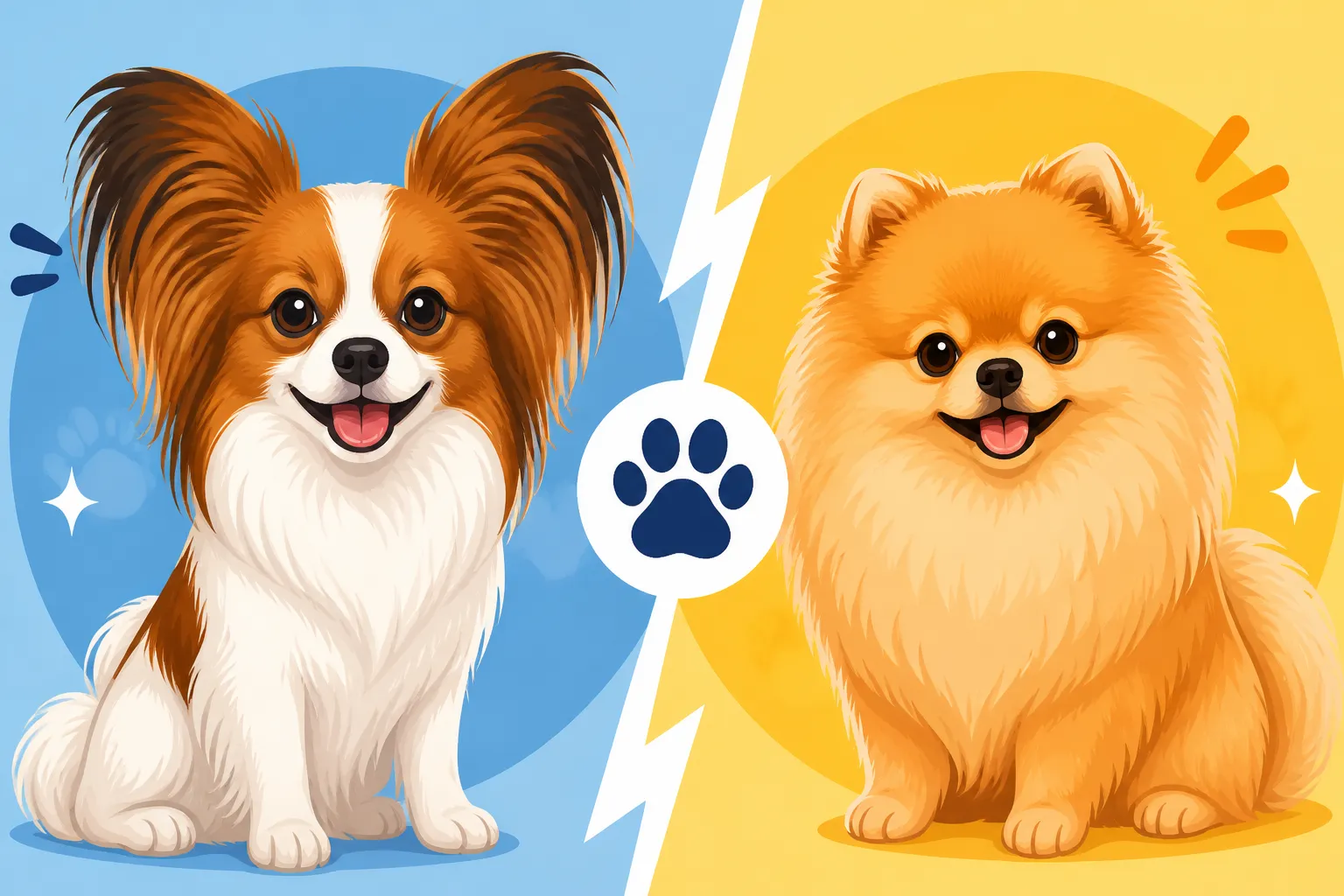
The most immediate and striking difference between a Papillon and a Pomeranian lies in their ears. It’s right there in the Papillon's name, which is French for "butterfly," referring to its large, erect, fringed ears that spread out like a butterfly's wings. These ears are typically set high on the head, giving them an elegant, alert, and almost ethereal appearance. Occasionally, you'll encounter a Phalene, which is essentially the drop-eared version of the Papillon, and sometimes both ear types can even appear in the same litter! However, the classic Papillon look is all about those magnificent, upright ears.
Pomeranians, on the other hand, sport small, erect ears that are usually rounded at the tips and set high on their head. Their ears don't have the same dramatic fringing as a Papillon's; instead, they are often almost hidden within the profuse, fluffy double coat that is so characteristic of the breed. This gives them a softer, more rounded head shape, contrasting sharply with the Papillon's more angular, expressive face. If you see a dog with ears that truly look like a butterfly in flight, you're almost certainly looking at a Papillon.
Coat Texture and Maintenance Impressions
Both breeds boast luxurious long coats, but their texture, density, and therefore their grooming requirements, are quite different. A Papillon’s coat is single-layered, fine, silky, and flows beautifully. It's often described as being like "spun glass" or silk, with abundant fringing on the ears, tail, and hind legs (often called "culottes"). Despite its length, a Papillon’s coat doesn’t have an undercoat, which means it tends to shed less profusely than many double-coated breeds, and it's less prone to matting if brushed regularly. You might be surprised to learn that this elegant coat, while needing attention, isn't as high-maintenance as its appearance might suggest. A Papillon's Coat Is All Fringe and No Undercoat can give you more insight into this unique coat type.
The Pomeranian's coat is a whole different ballgame. They are known for their incredibly dense, fluffy double coat, which consists of a soft, thick undercoat and a longer, harsher outer coat. This combination gives them that iconic "fluffed-up" look, almost like a little cloud or a miniature lion’s mane around their neck and chest. While stunning, this double coat requires significant grooming to prevent matting and to manage shedding. It traps air, providing insulation in both cold and warm weather, but it also means loose hair needs to be brushed out frequently to prevent knots from forming deep within the coat. When you're looking at brushes and grooming supplies on sites like Chewy, you'll notice different recommendations for single versus double coats, which really highlights this fundamental difference.
Size, Weight, and General Build
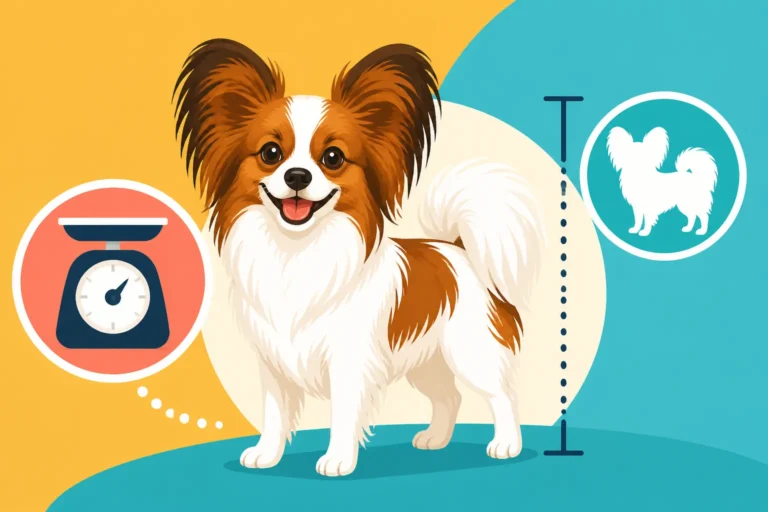
While both are firmly in the "toy breed" category, there are subtle differences in their build and typical size. Papillons are known for being dainty and fine-boned, giving them an agile and elegant appearance. They typically stand about 8 to 11 inches tall at the shoulder and generally weigh between 5 to 10 pounds. Their body is slightly longer than it is tall, and they have a lively, light-footed gait. They're built for speed and agility, which is evident in their lean yet sturdy frame. How Much a Papillon Weighs often surprises people who assume all small dogs are built the same.
Pomeranians, conversely, are more compact and sturdily built, often described as having a "square" body outline. They usually stand between 6 to 7 inches tall and weigh 3 to 7 pounds, making them, on average, a tad smaller and lighter than Papillons. Their abundant double coat can sometimes make them appear larger than they are, giving them a more robust and rounded silhouette. They have a proud, foxy expression and a characteristic high-set, plumed tail that curls over their back. Both breeds are tiny, but the Papillon tends to be slightly taller and leaner, while the Pomeranian is a bit smaller and more heavily coated, giving it a rounder, fluffier impression.
Temperament and Personality: The Heart of the Matter
Beyond their looks, the true essence of a dog lies in its personality. Both Papillons and Pomeranians are beloved for their vibrant temperaments, but they express themselves in distinct ways that can significantly influence their suitability for different households and lifestyles.
General Disposition and Friendliness
Papillons are often described as exceptionally intelligent, alert, and outgoing dogs. They are generally very friendly and enjoy being at the center of attention. They tend to be quite confident and fearless, often acting much bigger than their small size suggests. A Papillon typically greets new people and situations with enthusiasm and curiosity, rather than shyness or apprehension. They thrive on interaction with their human families and love to be involved in whatever is happening. They are known for their happy, eager-to-please nature, which makes them wonderful companions who bond deeply with their owners.
Pomeranians, while also friendly and affectionate, often have a more independent and sometimes sassy streak. They are bold, spirited, and can be quite mischievous. While they adore their families, some Poms might be a little more reserved or suspicious of strangers at first, preferring to observe before engaging. They have a big dog personality in a small package and are not afraid to voice their opinions. They can be incredibly devoted and loving, forming strong attachments, but they might also assert their independence or test boundaries a bit more than a Papillon. Their exuberance is infectious, but their spirited nature often requires consistent guidance.
Interaction with Family and Strangers
Papillons generally integrate well into family life and are known for their adaptability. They are typically good with respectful children, though their delicate size always warrants supervision. They often enjoy the company of other dogs and can even coexist happily with cats, especially if introduced properly. Their natural curiosity and amiable disposition mean they usually enjoy meeting new people and aren't overly prone to being "one-person dogs." They thrive on social interaction and are typically eager to make friends, whether with a new visitor or a dog met on a walk. This openness makes them excellent candidates for therapy work or for families who enjoy frequent social gatherings.
Pomeranians, with their bold personalities, can sometimes be more particular about their companions. While many Poms are perfectly delightful with children and other pets, their assertive nature can sometimes lead them to challenge larger dogs or be a bit bossy with smaller ones if not properly socialized. They can be fiercely loyal to their immediate family but might view strangers with a watchful eye. It's not uncommon for a Pomeranian to have a favorite person, though they will usually extend affection to the whole family. Early and consistent socialization is particularly important for Pomeranians to ensure they grow into well-adjusted, confident adults who are comfortable in a variety of situations.
Prey Drive and Other Instincts
Both breeds possess some level of prey drive, though it manifests differently. Papillons, with their history as small companion dogs, often retain a keen interest in chasing small, fast-moving objects. They might eagerly pursue squirrels in the park or enjoy a good game of fetch with a toy. Their natural athleticism and intelligence mean they are quick to react and can be quite adept at tracking. However, their prey drive is generally manageable and can be channeled into appropriate play and training. They are not typically known for being relentless hunters but rather for their playful chase instincts.
Pomeranians, while not hunting dogs, also have a noticeable prey drive. They can be quite focused on small, darting creatures, and their independent spirit might make them more inclined to give chase if given the opportunity. This means a secure yard and reliable recall are essential for both breeds, but perhaps even more so for a Pomeranian who might decide to follow an interesting scent or a scurrying critter with determined focus. Furthermore, Pomeranians are known for their watch dog instincts. They are excellent alert barkers, quick to let you know if someone is at the door or even just walking past the window. This makes them good little guardians, but also means their barking tendencies need to be managed, which we’ll discuss further in the training section.
Training and Intelligence: Brains and Barks
Both Papillons and Pomeranians are incredibly intelligent dogs, eager to learn, and can excel in various training pursuits. However, their personalities influence their approach to learning and their common behavioral quirks, particularly when it comes to vocalization.
Learning Ability and Trainability
Papillons are renowned for their exceptional intelligence, often ranking among the smartest of all dog breeds, not just toy breeds. They are quick learners, pick up new commands with very few repetitions, and truly enjoy the mental stimulation that training provides. They thrive on positive reinforcement and love to please their owners. Their eagerness and focus make them highly trainable for obedience, tricks, and even complex dog sports. They often seem to anticipate what you want before you even ask. Where the Papillon Ranks for Obedience Intelligence isn't just hype; these little dogs genuinely excel.
Pomeranians are also very intelligent, but their learning style can be a bit different. While they grasp concepts quickly, their independent and sometimes mischievous nature means they might choose to exercise that intelligence by trying to outsmart you or by deciding if a command is worth their effort at that particular moment. They respond best to consistent, positive training methods and can become resistant or stubborn if training is harsh or boring. For a Pom, making training fun and rewarding is paramount. They excel in activities that engage their minds, but their strong will means patience and consistency are key.
Problem-Solving and Mental Stimulation Needs
A Papillon’s sharp mind means they need plenty of mental stimulation to stay happy and well-behaved. Without it, they can become bored, which might lead to undesirable behaviors. Puzzle toys, interactive games, and learning new tricks are excellent ways to keep their brains engaged. They absolutely love challenges and are often very adept at problem-solving, like figuring out how to get to a coveted toy or treat. This need for mental exercise is just as important as physical exercise for a Papillon, if not more so. A well-exercised Papillon that hasn't had its brain worked out can still be a handful!
Pomeranians also require significant mental stimulation, perhaps even more so due to their independent and sometimes "big dog" attitude. They enjoy figuring things out and can be quite clever in achieving their goals, whether that's getting into a forbidden snack cupboard or orchestrating a play session. Enrichment toys, regular training sessions, and opportunities for exploration will help prevent boredom and destructive behaviors. Because of their sometimes strong-willed nature, mental stimulation can also be a fantastic way to reinforce good behavior and deepen your bond. Offering a variety of activities from Chewy's puzzle toy selection can be a great starting point for both breeds.
Barking Tendencies
Ah, the topic of barking! Both toy breeds are known to be vocal, but their reasons and frequency can differ. Papillons, being alert and intelligent, can be prone to barking as a form of communication or to alert their owners. They might bark at strangers passing by, new sounds, or to express excitement. However, with consistent training and redirection, their barking can often be managed. They are sensitive dogs who respond well to a "quiet" command if taught early on. Their barking is typically sharp and clear, a good alert, but not usually incessant. How Much a Papillon Barks can be a concern for apartment dwellers, but it's often more about management than an inherent flaw.
Pomeranians, on the other hand, are often considered prolific barkers. They have a strong protective instinct and see themselves as guardians of their home and family, despite their small size. They will typically bark at anything and everything they deem suspicious – the mailman, a leaf blowing by, a dog across the street, or even an unfamiliar shadow. Their barking can be quite persistent and high-pitched. While this makes them excellent watchdogs, it can also be a challenge for owners, especially those with close neighbors. Training to manage barking is crucial for a Pomeranian, focusing on teaching them when not to bark and rewarding silence. Their natural assertiveness means this trait often requires diligent and ongoing effort.
Exercise Needs and Activity Levels: Tiny Athletes vs. Spirited Companions
Don't let their small size fool you; neither a Papillon nor a Pomeranian is a couch potato. Both breeds are energetic and enjoy being active, but the type and intensity of exercise they need vary.
Daily Activity Requirements
Papillons are surprisingly athletic and possess a good amount of energy. They need daily exercise to stay happy and healthy, which typically includes a brisk walk or two (around 20-30 minutes each) and plenty of playtime in a secure area. They absolutely love to run, chase, and explore. Because of their intelligence, simply walking isn't always enough; they need opportunities for mental engagement during their physical activities. They excel in activities like fetch, hide-and-seek, and even short bursts of agility practice in the backyard. What a Papillon Needs Every Day involves a blend of physical and mental stimulation.
Pomeranians also have a good energy level, but their dense coat and slightly shorter legs mean they might tire out a bit faster than a Papillon. They typically enjoy a couple of short walks a day (15-20 minutes each) and interactive playtime. They thrive on indoor games and zooming around a secure yard. While they can enjoy a good run, their exercise needs are generally a bit less intense than a Papillon's, focusing more on consistent moderate activity rather than high-impact sports. It's crucial to remember that their double coat can make them prone to overheating in hot weather, so outdoor exercise needs to be monitored carefully during warmer months.
Suitability for Different Lifestyles
Given their exercise needs, Papillons are quite adaptable but truly shine in active homes where their humans enjoy engaging with them. They're excellent companions for hikers who enjoy taking their small dog along (perhaps in a carrier for longer treks), or for families who want a dog to participate in active games. They can certainly live happily in an apartment, provided their daily exercise requirements are met through walks and indoor play. Their fine bones mean caution is always needed, so preventing them from Whether a Papillon Should Be Stopped From Jumping Off Furniture is a real consideration.
Pomeranians also adapt well to various living situations, including apartments, as long as they receive their daily walks and playtime. They are generally content with moderate activity but appreciate mental stimulation. They can be excellent companions for individuals or families who enjoy regular, but not necessarily strenuous, activity. Their love for indoor play makes them great for those who prefer to exercise their dog in a controlled environment. Due to their barking tendencies, apartment living might require extra effort in training to manage their vocalizations to avoid disturbing neighbors.
Sporting Prowess
This is where the Papillon truly shines! Despite their delicate appearance, Papillons are phenomenal athletes. They dominate in dog sports like agility, obedience, and rally. Their speed, agility, and intelligence make them incredibly competitive. They love having a "job" to do and excel at quickly learning courses and commands. Many Papillons can achieve high titles in various dog sports, often outperforming much larger breeds. If you dream of a small dog that can zoom through an agility course with grace and precision, a Papillon is an outstanding choice.
Pomeranians, while energetic and smart, are generally not as prominent in high-impact dog sports like agility as Papillons. Their build and coat are less suited for the extreme quick turns and jumps. However, Poms can absolutely excel in other dog sports that rely more on precision, focus, and showmanship, such as obedience, rally, and even trick training. They are eager to please and enjoy showing off their learned behaviors. So, while they might not be flying over jumps quite like a Papillon, a Pomeranian can still be a formidable competitor in the right arena.
Grooming Requirements: Taming the Tresses
Both breeds are known for their beautiful, flowing coats, but the amount and type of grooming required to keep them looking their best are quite different. This is a crucial distinction for prospective owners, as grooming can be a significant time commitment.
Brushing Frequency and Tools
A Papillon’s single, silky coat requires regular brushing, typically 2-3 times a week, to prevent tangles and remove loose hair. While they don't have an undercoat to blow, their long fringes can still catch debris and develop mats if neglected, particularly behind the ears, in their "culottes," and on their tail. A pin brush and a metal comb are usually sufficient to keep their coat in top condition. The key is consistent, gentle brushing down to the skin to ensure the entire coat remains free of tangles. How Often a Papillon Needs Brushing is less than you might think for such a glamorous coat!
Pomeranians, with their dense double coat, require more frequent and thorough brushing. Daily or every-other-day brushing is often recommended to prevent matting, especially in the thick undercoat, and to remove dead hair. A slicker brush and a long-toothed comb are essential tools to penetrate the thick fur down to the skin. Neglecting a Pom's coat can quickly lead to painful mats that may require professional shaving. The shedding can be considerable, especially during seasonal coat blows, and regular brushing helps to minimize the amount of fur around your home. Keeping a well-stocked grooming kit from Chewy is a must for Pomeranian owners.
Shedding Expectations
Despite their long, delicate appearance, Papillons are surprisingly light to moderate shed-
ders. Because they lack an undercoat, they don't experience the heavy "blowing" of coat that double-coated breeds do. You'll find some loose hairs around the house, but it's generally manageable with regular brushing. Many people who are sensitive to dog hair find the Papillon to be more tolerable than other breeds, though no dog is truly hypoallergenic.
Pomeranians, with their dense double coat, are moderate to heavy shed-
ders. They "blow" their undercoat seasonally, typically twice a year, during which time the shedding can be quite substantial. During these periods, daily brushing is crucial to remove the copious amounts of dead hair and prevent mats. Even outside of seasonal sheds, they will consistently shed a fair amount of hair, particularly the soft undercoat. If you're looking for a dog that won't leave much hair around, a Pomeranian might not be the best fit unless you're committed to rigorous grooming.
Professional Grooming Needs
For Papillons, professional grooming is typically not a necessity unless you prefer it. Most owners can maintain their Papillon's coat at home with regular brushing, occasional bathing, and perhaps a sanitary trim. Some owners choose to have a groomer trim their feet, tidy up their culottes, or maintain their ear fringes, but it's largely for aesthetic preference rather than a strict requirement for coat health. Over-trimming a Papillon's coat, especially its fringes, is generally discouraged as it can take a long time to grow back and alters their distinctive look.
Pomeranians, while many owners do maintain them at home, can often benefit from professional grooming. A professional groomer can expertly de-shed their dense undercoat, trim their feet, and give them a tidy, well-groomed appearance. While some owners opt for a "teddy bear cut" or other trims, it's important to discuss this with a groomer experienced with double-coated breeds, as improper shaving can damage the coat and lead to problems like "post-clipping alopecia." A professional groomer can also assist with nail trims and anal gland expression, which are routine care items for all small breeds.
Health and Lifespan: Longevity and Common Concerns
Both Papillons and Pomeranians are generally healthy breeds with impressive lifespans, but like all purebred dogs, they have certain predispositions to specific health conditions that prospective owners should be aware of.
Common Health Concerns
For Papillons, one of the most common orthopedic issues is Patellar Luxation, where the kneecap slips out of place. This can range from mild to severe and may sometimes require surgical correction. Patellar Luxation Is the Papillon Problem You Will Actually Meet details just how common this can be. They are also prone to Progressive Retinal Atrophy (PRA1), an inherited eye condition that can lead to blindness, and Neuroaxonal Dystrophy (NAD), a neurological disorder, though reputable breeders screen for these with DNA tests. Other concerns include dental disease due to their small jaws and sensitivity to anesthesia.
Pomeranians can also be prone to Patellar Luxation, similar to Papillons. Another common orthopedic issue is Legg-Calvé-Perthes Disease, a condition affecting the hip joint. They are also predisposed to Tracheal Collapse, a weakness in the windpipe that can cause a distinctive cough, and Alopecia X (also known as Black Skin Disease), a genetic condition that causes hair loss. Like Papillons, their compact jaws make them prone to dental issues, and their small size makes them more sensitive to anesthesia. Hypoglycemia (low blood sugar) can also be a concern in very young or small puppies of both breeds.
Lifespan Expectations
Both Papillons and Pomeranians are known for their remarkable longevity, often living well into their senior years. Papillons typically enjoy a lifespan of 12 to 16 years, with many individuals living even longer, sometimes reaching 17 or 18 years with good care. Their generally robust health for a toy breed contributes to their impressive lifespans. How Long a Papillon Lives is one of the many reasons these dogs are so cherished.
Pomeranians also boast an excellent lifespan, typically living between 12 to 16 years. With proper nutrition, regular veterinary care, and a loving environment, many Poms can live full, healthy lives well into their teens. The commitment to caring for such a long-lived companion is something potential owners should certainly consider. Ensuring a good diet, consistent exercise, and regular vet check-ups are key to maximizing the health and longevity of both breeds.
Dental Health Differences
Due to their small mouths and closely set teeth, both Papillons and Pomeranians are highly susceptible to dental disease, but there are subtle distinctions. Papillons tend to have very tiny, sometimes crowded teeth that can easily accumulate plaque and tartar. This often necessitates diligent home dental care, including daily brushing, and regular professional dental cleanings. The Teeth in a Papillon's Small Jaw are a constant concern for owners, and prevention is key.
Pomeranians also suffer from crowded teeth in their small mouths, making them equally prone to periodontal disease. Their propensity for retained puppy teeth can exacerbate this crowding, leading to further dental issues if not addressed. Like Papillons, daily brushing with dog-specific toothpaste and a small toothbrush, along with routine veterinary dental cleanings, are critical for maintaining their oral health and preventing early tooth loss. Neglecting dental care can lead to serious health problems for both breeds.
Here's a quick comparison table to summarize some key differences:
| Feature | Papillon (Butterfly Dog) | Pomeranian (Pom) |
|---|---|---|
| Ears | Large, erect, butterfly-like with long fringes | Small, erect, rounded, often hidden in fluff |
| Coat Type | Single-layered, silky, fine, no undercoat | Double-layered, dense, harsh outer coat, soft undercoat |
| Shedding | Light to moderate | Moderate to heavy, especially seasonally |
| Average Size | 8-11 inches tall, 5-10 lbs, dainty build | 6-7 inches tall, 3-7 lbs, compact, sturdy build |
| Temperament | Intelligent, alert, outgoing, eager to please, confident | Bold, spirited, sometimes independent, loyal, sassy |
| Trainability | Highly intelligent, quick learner, excels in sports | Intelligent, but can be stubborn; needs consistent fun |
| Barking | Can be alert barkers, manageable | Often prolific barkers, strong watchdog instinct |
| Exercise Needs | Moderate to high, athletic, loves active play/sports | Moderate, enjoys walks and indoor play |
| Grooming | Regular brushing (2-3x/week), minimal professional need | Frequent brushing (daily/every other day), professional beneficial |
| Common Health | Patellar Luxation, PRA1, Neuroaxonal Dystrophy, Dental | Patellar Luxation, Tracheal Collapse, Alopecia X, Dental |
| Lifespan | 12-16 years | 12-16 years |
Choosing between a Papillon and a Pomeranian isn't about one being "better" than the other; it's about finding the perfect fit for your lifestyle and preferences. Both are charming, intelligent, and deeply loving companions. Understanding these key differences in their physical traits, temperament, training needs, activity levels, grooming requirements, and health predispositions will help you decide which one will best thrive in your home and heart.
Disclaimer
This article is for general informational purposes only and does not constitute professional advice. Laws, prices and regulations vary by location and change over time. Consult a qualified professional for guidance on your specific situation.