Why Painters Put a Small Spaniel Beside a Sitter
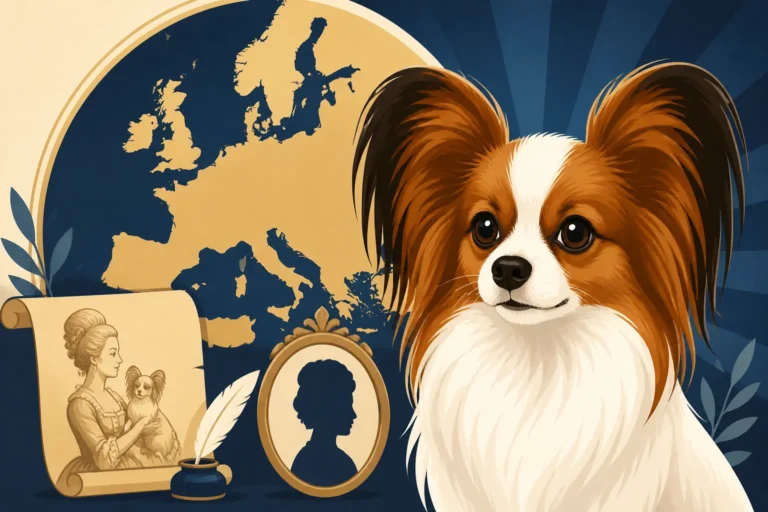
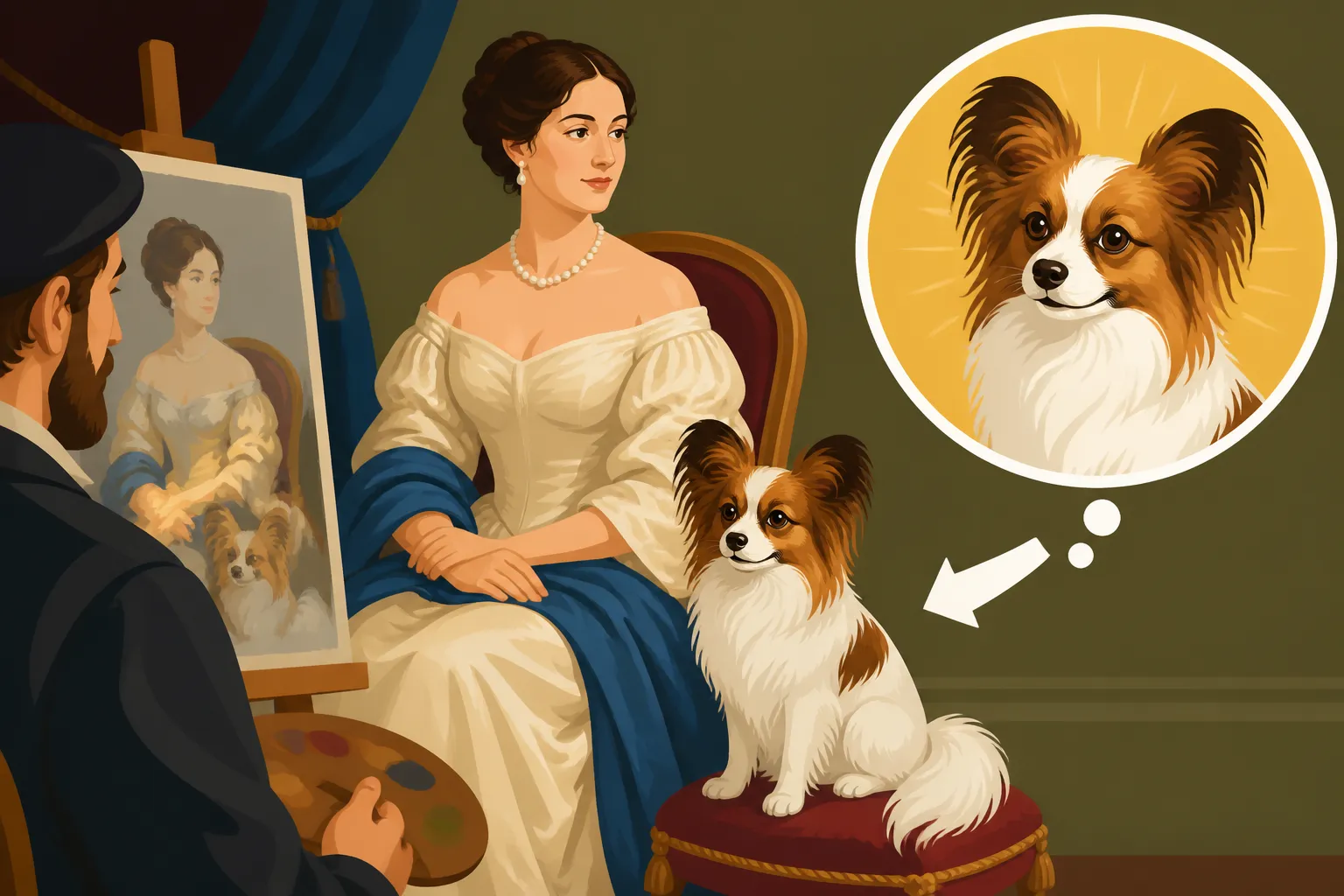
Have you ever looked at those old master paintings, the ones with the grand ladies in their silk gowns and powdered wigs, and noticed a tiny, fluffy dog nestled in their lap or at their feet? It’s a recurring motif that often sparks curiosity: why were these small spaniels, the ancestors of our beloved Papillons, so consistently featured alongside their human companions? This guide will delve into the fascinating reasons behind this artistic trend, exploring how these charming canine muses served as more than just cute additions, but as powerful symbols and integral parts of the sitter's story.
The Royal and Aristocratic Canine Companion
From the European Renaissance through the Rococo era, small dogs were undeniably fashionable accessories for the elite. These weren't just any dogs; they were often highly prized, specially bred animals, many of whom were the direct forebears of the Papillon breed we cherish today. Having a tiny, well-groomed dog by your side or in your arms in a portrait wasn't just a casual choice; it was a deliberate statement, packed with layers of meaning and social signaling.
A Display of Wealth and Leisure
Imagine a time when the common person struggled for daily sustenance, when luxury was reserved for a privileged few. In such an era, owning a small, non-working dog was the ultimate status symbol. These little canines didn't herd sheep, hunt game, or guard property; their sole purpose was companionship and aesthetic pleasure. Therefore, their presence in a portrait immediately communicated to the viewer that the sitter was a person of considerable wealth, who could afford to keep an animal purely for enjoyment. This was a direct testament to their financial security and abundance.
Beyond mere ownership, the dog's upkeep also spoke volumes. These delicate creatures required constant care, expensive food, and often, personal attendants. Their silky coats, often depicted with painstaking detail by the artists, needed regular grooming. It wasn't uncommon for these dogs to wear collars studded with jewels or ribbons made of the finest silk, further emphasizing the sitter's extravagant lifestyle. The very act of portraying such a dog demonstrated an excess of leisure time – time that could be spent doting on a pet rather than engaging in manual labor or pressing societal duties. In a world where every possession was scrutinized, a pampered pet loudly declared one's elevated position.
Fashion Accessory for the Elite
Beyond a symbol of wealth, these small dogs also functioned as living, breathing fashion accessories. Think of them as the ultimate handbag or a perfectly matched piece of jewelry for their era. Their size made them portable, allowing noblewomen to carry them from room to room, carriage to court. Their soft fur and delicate features complemented the opulent fabrics and intricate lace of the period's attire. Many artists took great pains to match the dog's coloring or collar to the sitter's garments, creating a harmonious and aesthetically pleasing composition.
It wasn't just about matching colors; it was about completing an image. A demure lady holding a tiny dog conveyed softness, gentility, and a nurturing spirit – qualities highly valued in women of the upper classes. The dog's presence softened the often-stiff formality of portraiture, adding a touch of warmth and intimacy. These dogs, with their expressive eyes and often playful demeanor, could also inject a sense of movement and life into an otherwise static scene, making the sitter appear more approachable and human. The Papillon's ancestors, with their large, expressive ears and delicate features, were particularly suited for this role, often appearing in the arms of famous figures. Titian Painted the Dog the Papillon Came From is a perfect example of how these early dogs were integrated into high art.
Deeper Meanings: Companionship and Symbolism
While status and fashion were certainly driving factors, the inclusion of small spaniels in portraits often hinted at much deeper connections and symbolic interpretations. These weren't just inanimate props; they were beloved members of the household, and their depiction could convey a range of personal and allegorical messages.
More Than Just a Prop
For many individuals, especially women, these small dogs were genuine companions. In an era where marriages were often arranged for political or economic reasons, and emotional intimacy could be hard to find, a devoted pet offered unconditional affection and comfort. Their small size made them perfect lapdogs, providing warmth and a constant, non-judgmental presence. In a society with rigid social hierarchies, a dog offered a form of emotional freedom and uncomplicated love.
Artists were adept at capturing this bond. Often, the dog is shown looking up adoringly at its owner, or nestled contentedly in their lap, eyes closed in trust. The sitter's hand might be gently resting on the dog's head, or they might be sharing a quiet moment, their expressions softened by the interaction. These subtle cues transformed the portrait from a mere likeness into a window into the sitter's emotional world, revealing a genuine affection that transcended the superficial. The bond between human and dog has been a constant throughout history, and these paintings provide beautiful testament to it. Even today, our Papillons provide that same loyal, loving companionship, and finding ways to enrich their lives is important, whether it's through engaging toys or nutritious food.
Symbolic Meanings in Canine Companions
Beyond personal affection, dogs in portraits frequently carried symbolic weight. Their presence could subtly communicate virtues or characteristics about the sitter that might otherwise be difficult to portray directly.
Let's look at some common symbolic interpretations:
- Loyalty and Fidelity: Perhaps the most enduring symbol associated with dogs is their unwavering loyalty. Including a dog in a portrait, especially one sitting attentively at the sitter's feet, could symbolize the sitter's own fidelity in marriage, to their family, or even to their sovereign. This was particularly significant in marital portraits or those commissioned to celebrate unions.
- Protection and Vigilance: While a tiny lapdog might not deter a human intruder, their presence could still symbolize protection. Even the smallest dog would bark to alert its owner to an approaching stranger, making them a literal "watchdog." In a symbolic sense, they might represent the sitter's vigilance, their careful guardianship of their home or family.
- Purity and Innocence: Small, white dogs were sometimes associated with purity and innocence, especially when depicted alongside children or young, unmarried women. Their unspoiled nature could reflect the moral uprightness of the sitter.
- Worldly Pleasures vs. Spiritual Devotion: In some religious allegorical paintings, a dog might represent earthly pleasures or even base instincts, contrasting with more spiritual elements. However, in personal portraits, the positive associations of loyalty and companionship generally took precedence.
The precise meaning often depended on the context of the painting, the era, and the prevailing cultural norms, but it’s clear that these canine additions were rarely accidental. For instance, knowing that a dog represented fidelity gives a whole new layer of meaning to portraits of wives awaiting their soldier husbands. Which Italian Painters Put a Papillon Ancestor in a Portrait highlights how widespread this practice was across different regions and artistic movements.
Artistic Composition and Narrative
Painters were not just documentarians; they were artists concerned with composition, balance, and telling a story within the frame. The small spaniel, with its expressive form and lively nature, offered a versatile tool for achieving these artistic goals.
Adding Life and Movement
One of the challenges of portraiture is to prevent the image from feeling stiff or lifeless, particularly when the subject is posed formally. A small dog, with its natural curiosity and potential for dynamic posture, could inject much-needed vitality into a scene. Imagine a grand lady seated rigidly in her chair; the addition of a lively little dog peering out from beneath her skirt, or playfully tugging at a ribbon, instantly introduces movement and a focal point that draws the eye.
The dog's presence could also break up large expanses of fabric or empty space, adding visual interest without distracting from the main subject. The artist could use the dog's gaze to direct the viewer's eye back to the sitter, creating a subtle, engaging loop within the composition. Furthermore, the varying textures of the dog's fur, the shine in its eyes, and the delicate curl of its tail provided an opportunity for painters to showcase their technical skill and mastery of detail, adding richness and depth to the artwork. The specific details, like the characteristic "butterfly" ears of the Papillon's ancestors, were often rendered with exquisite precision.
Crafting a Narrative and Personal Touch
Every portrait tells a story, and the inclusion of a pet could greatly enrich that narrative. It added a personal, intimate touch, helping to convey aspects of the sitter's personality or lifestyle that a formal pose alone might miss. A dog at a lady's feet might imply domesticity and a love for home. A dog looking alertly into the distance could suggest the sitter's own watchfulness or a connection to the outdoors, even if depicted indoors.
The interaction between the sitter and the dog could reveal nuances of character. A gentle hand stroking a dog might suggest kindness and compassion, while a more detached pose could imply formality. These details allowed the portrait to become a more complex and engaging representation of the individual, moving beyond mere physical resemblance to capture something of their inner world and their place within society. The little spaniels were silent co-conspirators in this visual storytelling. For those interested in the historical context of our breed, How Far Back the Papillon Appears in European Records offers a fascinating look into their long lineage in art.
The Papillon's Ancestry in the Art World
Our beloved Papillons have a rich and storied history, intertwined with the very portraits we've been discussing. Their ancestors, often referred to as "Dwarf Spaniels" or "Continental Toy Spaniels," were the favored companions of European royalty and nobility for centuries, ensuring their frequent appearance in masterpieces.
From Dwarf Spaniel to Butterfly Dog
The journey of the Papillon from its earliest depictions to the breed we recognize today is a testament to selective breeding and changing fashions. Originally, many of these small spaniels had dropped ears, resembling the modern-day Phalene (which means "moth" in French). These were the dogs often seen in portraits by artists like Titian, Rubens, and Fragonard, nestled in the laps of their aristocratic owners. These dogs were cherished for their diminutive size, luxurious coats, and affectionate temperaments. What a Titian Spaniel Looked Like gives us a glimpse into these early renditions.
Over time, a genetic mutation began to appear, resulting in the distinctive erect, butterfly-like ears that give the Papillon its name (meaning "butterfly" in French). This striking new ear type gained immense popularity, particularly in the 17th and 18th centuries, and gradually became the dominant characteristic of the breed. However, it's important to remember that Papillons and Phalenes can still be born in the same litter, reflecting their shared heritage. The evolution of their ear type, captured in paintings across different centuries, provides a visual timeline of this fascinating breed development.
The Courtly Companion's Legacy
The Papillon's ancestors were not just pets; they were an integral part of courtly life across Europe. From the French courts of Louis XIV to the Spanish nobility, and particularly among the mistresses and queens who graced these palaces, these little dogs were constant companions. Stories, perhaps embellished, even connect them to historical figures like Marie Antoinette and the Papillon She Is Said to Have Carried, though the exact details of that particular tale remain shrouded in myth.
Their presence in countless portraits from these periods solidifies their status as cherished members of the aristocracy. They were bred for temperament, beauty, and small size, perfectly suited for the indoor, opulent lifestyles of their owners. This legacy of companionship, charm, and intelligence is still evident in the Papillon breed today. While we may not live in castles, the devotion and joy they bring to our homes is just as profound.
Table: Reasons for Including Small Dogs in Historical Portraits
| Reason | Explanation | Example/Impact |
|---|---|---|
| Status Symbol | Demonstrated wealth, leisure, and aristocratic standing. | Costly upkeep, jeweled collars, rarity reinforced elite status. |
| Fashion Accessory | Complemented attire, added gentility, completed the sitter's image. | Often matched colors, softened formal poses, conveyed femininity. |
| Companionship | Provided emotional comfort and unconditional affection. | Depicted looking adoringly at owner, nestled in laps, conveying genuine bond. |
| Symbolism (Loyalty) | Represented fidelity in marriage, family, or to a sovereign. | Dog at feet, attentive gaze; common in marital or familial portraits. |
| Symbolism (Purity) | Associated with innocence, especially for young or unmarried women. | Small, often white dogs depicted with children or virtuous ladies. |
| Artistic Composition | Added life, movement, and visual interest to the painting. | Broke up rigid poses, directed viewer's eye, showcased painter's skill. |
| Narrative Tool | Enriched the sitter's story, revealing personality or lifestyle. | Gentle interaction implying kindness, alert dog suggesting vigilance. |
Understanding these various facets helps us appreciate not just the beauty of these historical paintings, but also the enduring connection between humans and their canine companions, a bond that the Papillon embodies so perfectly to this day. Why Renaissance Ladies Carried a Dwarf Spaniel further expands on their integration into daily noble life. Even with all the resources available today, from veterinary care to specialty food from retailers, the core of what makes these dogs special hasn't changed.
Disclaimer
This article is for general informational purposes only and does not constitute professional advice. Laws, prices and regulations vary by location and change over time. Consult a qualified professional for guidance on your specific situation.