How Far Back the Papillon Appears in European Records
Many Papillon owners look at their tiny, elegant companions and wonder just how far back their lineage stretches. It's easy to assume such a delicate-looking breed is a relatively modern creation, but you might be surprised to learn that the Papillon's ancestors have been charming European nobility for centuries. This guide will take you on a journey through history, exploring the deep roots of the Papillon in European records and revealing their fascinating past.
Tracing the Papillon's Lineage to the Dwarf Spaniels of Europe
The Papillon, with its distinctive butterfly ears, is a breed steeped in history, far more ancient than many realize. To truly understand its origins, we need to travel back several centuries, long before the modern breed registries, to an era when small companion dogs, often referred to as "Dwarf Spaniels" or "Continental Toy Spaniels," were beloved fixtures in European courts and aristocratic households. How Old the Papillon Breed Is is a question that reveals just how deep these roots go. These delightful little dogs weren't just pets; they were living accessories, symbols of status, and cherished companions during a time when life could be quite harsh. Their presence in historical documents and, perhaps even more tellingly, in art, provides a clear roadmap to the Papillon we know and love today.
The Early Ancestors and Their Royal Connections
The earliest appearances of dogs resembling the Papillon's ancestors can be found in 16th-century European records and, more vividly, in the portraits of the period. These were not yet called "Papillons" – that name, meaning "butterfly" in French, came much later with the development of the erect ear type. Instead, they were broadly known as "Dwarf Spaniels" or "Toy Spaniels," often characterized by their long, flowing coats and large, expressive drop ears. What a Dwarf Spaniel Was gives us a clearer picture of these early companions. They were particularly favored by the nobility of Italy, Spain, and France.
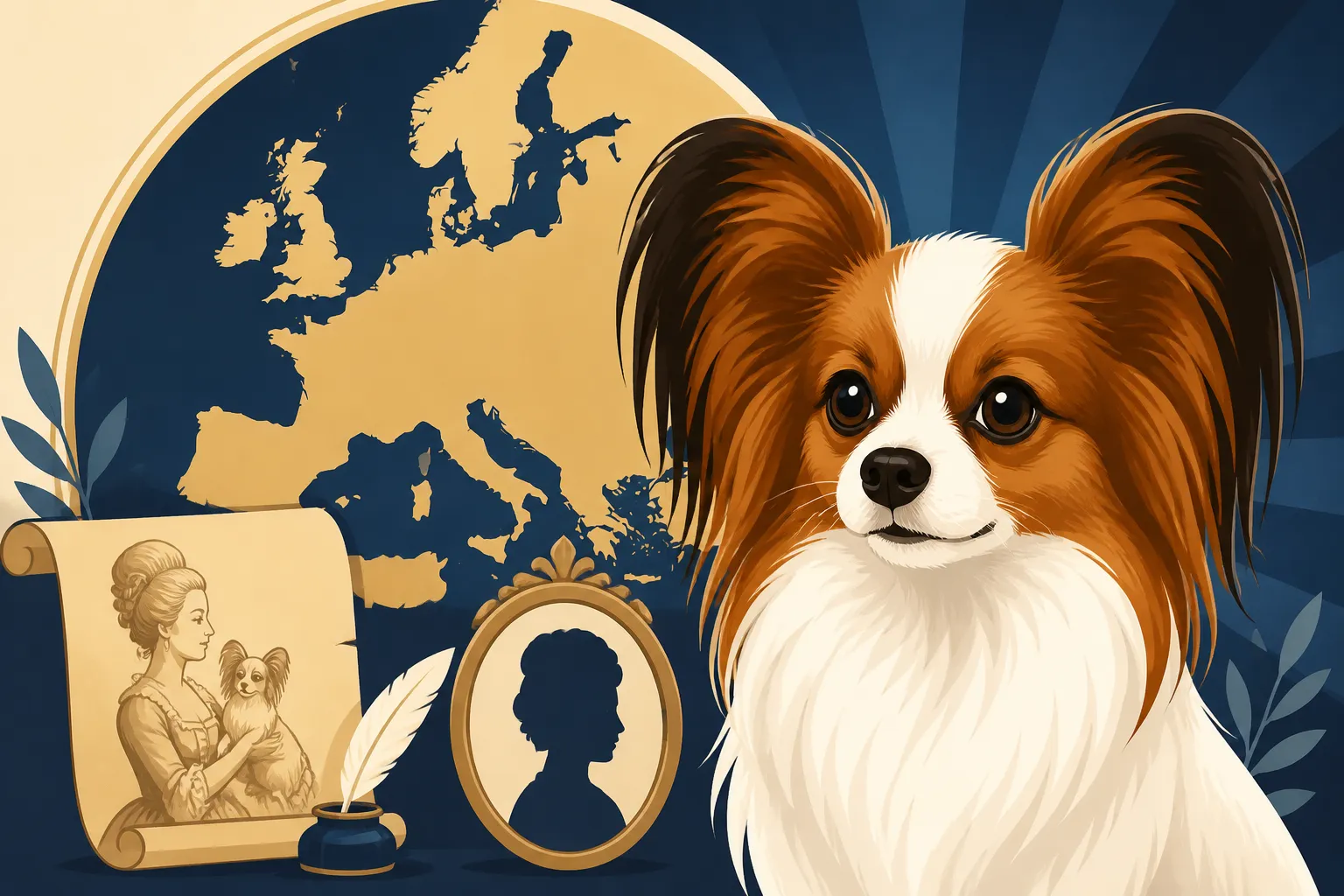
Imagine a Renaissance lady, adorned in sumptuous silks, with a tiny, elegant dog nestled in her lap or by her feet. This wasn't just an artistic flourish; it was a snapshot of reality. These dogs were present in the courts of figures like Catherine de' Medici in France, having made their way from Italy. Their small size made them perfect for carrying, and their affectionate nature ensured they were treasured companions, often kept warm under heavy cloaks or in sleeves. They were a luxurious commodity, often exchanged as diplomatic gifts between royal families, further cementing their status in the upper echelons of society. Indeed, the lineage of the Papillon strongly suggests that Whether the Papillon Descends From a Spaniel is a resounding yes.
Visual Evidence: Art Through the Centuries
Perhaps the most compelling evidence of the Papillon's ancient lineage comes from European art. Painters throughout the 16th, 17th, and 18th centuries frequently included these delightful little dogs in their works, offering us a window into their appearance and popularity. The famed Venetian painter Titian, for example, is credited with depicting some of the earliest known ancestors of the Papillon in his portraits. Titian Painted the Dog the Papillon Came From is a fascinating read on this topic. His "Venus of Urbino" and other works often feature small, long-haired spaniel-type dogs that bear a striking resemblance to the Phalene, the drop-eared variant of the Papillon.
As the centuries progressed, other notable artists continued this tradition. Rubens, Rembrandt, Goya, and Fragonard all depicted these charming "toy spaniels" in their paintings, often showcasing their rich, silken coats and intelligent eyes. These artistic representations show a gradual evolution, from the slightly heavier-boned dogs of the Renaissance to the more refined, delicate figures seen in later Baroque and Rococo periods. The prevalence of these dogs in such high-status artwork underscores their consistent presence and esteemed position within European aristocratic life, proving they were not a fleeting fad but a consistent, beloved part of human society.
From Companion to Courtier: The Role of the Early Papillon
These early dwarf spaniels weren't just passive companions; they played an active, albeit pampered, role in the lives of their aristocratic owners. Their very presence spoke volumes about their owner's wealth and status, as maintaining such delicate creatures required resources and leisure. Beyond their symbolic value, they offered genuine companionship and affection, a welcome relief from the strictures of court etiquette.
More Than Just a Pretty Face: Early Functions
While we certainly don't see historical Papillon ancestors herding sheep or guarding castles, they did serve important, if subtle, functions. In an era before central heating, these small dogs were sometimes kept as "comforters" or "lap warmers," providing a small, living source of warmth. This practical benefit was coupled with their primary role as affectionate companions, offering solace and entertainment. They were often showered with attention and treated with immense care, reflecting their owners' devotion.
There's even a historical anecdote that speaks to their protective nature, albeit in a different way. It's said that some noblewomen would tuck these dogs into their voluminous sleeves, not just for warmth but also to attract fleas away from themselves, sacrificing the dog to the pests. While a grim thought by modern standards, it highlights the perceived value of these dogs in a very different world. Why Renaissance Ladies Carried a Dwarf Spaniel delves deeper into these roles. They were also excellent listeners, offering silent, unwavering loyalty in a world often filled with intrigue and fickle allegiances. And of course, one famous historical figure often associated with the breed is Marie Antoinette. Whether Marie Antoinette Owned a Papillon explores that popular theory.
The Evolution of the "Butterfly Ear"
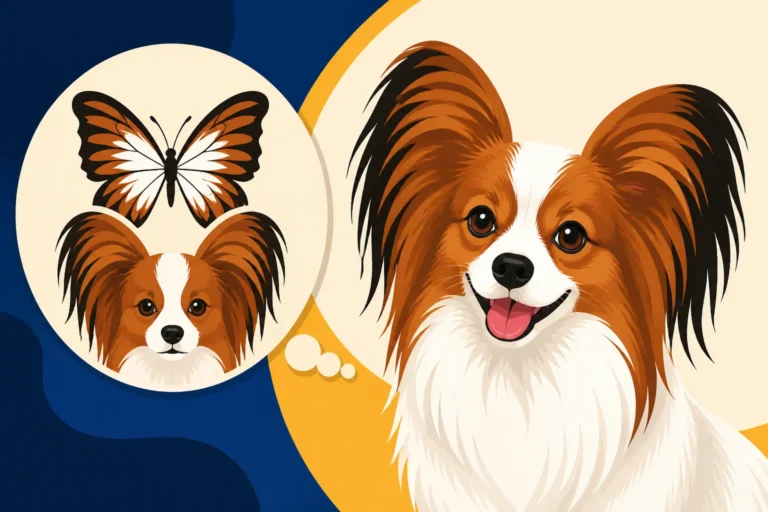
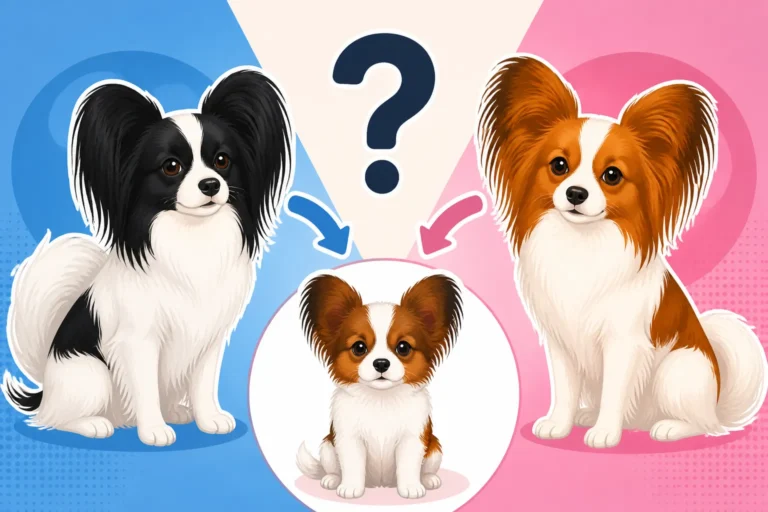
The most defining characteristic of the modern Papillon, its large, erect, fringed ears resembling butterfly wings, didn't emerge until much later in the breed's history, likely in the 17th or 18th century. Before this, the prevailing ear type was the drop ear, now known as the Phalene, meaning "moth" in French. What the Name Phalene Refers To offers more detail on this variant. Both ear types can still be born in the same litter today, a testament to their shared ancestry. Why a Papillon and a Phalene Are Born in the Same Litter explains this fascinating genetic link.
The development of the erect ear was a significant shift, likely a deliberate breeding choice that became fashionable. It's believed to have originated in the courts of France and Belgium. Whether France or Belgium Owns the Papillon is a question with deep historical roots, as both countries played a significant role in the breed's development. This new "butterfly" look quickly gained immense popularity, eventually lending its name to the entire breed. The Phalene, while still recognized, became less common as the Papillon soared in favor. This evolution highlights a turning point in the breed's development, moving from a general "toy spaniel" type to the distinct Papillon we recognize instantly today, with its elegant ears framing an alert, intelligent face.
Understanding the Historical Significance for Today's Papillon Owners
Knowing the Papillon's ancient history isn't just a fun trivia fact; it offers valuable insights into the breed's temperament, health, and why they are the way they are today. The traits that made them cherished companions for European royalty centuries ago are often the same qualities that draw us to them now.
The Enduring Legacy in Temperament and Type
The historical role of the Papillon's ancestors as pampered companions meant they were bred for sociability, intelligence, and an engaging personality. These traits are deeply ingrained in the modern Papillon. They are known for their lively, affectionate nature, their keen intelligence, and their surprising courage for such a small dog. They were always meant to be close to people, observant and interactive, which is why they thrive in family environments and often form strong bonds with their human companions. What a Papillon Does All Day often involves being near their people, whether it's following you from room to room or curling up for a nap nearby.
Furthermore, their history as delicate, indoor companions has contributed to their physical refinement. While robust for a toy breed, their small stature and fine bones reflect centuries of living lives of relative comfort indoors, rather than enduring the rigors of outdoor work. This historical context helps us understand why they are sensitive to harsh weather and why they need careful handling to protect their delicate structure. It's a connection directly from the grand salons of old Europe to your living room, showing how deeply their past defines their present.
Appreciating the Breed's Rich Tapestry
For those of us who share our lives with a Papillon, understanding their history adds another layer of appreciation for these wonderful dogs. It connects our modern pets to a grand lineage of beloved companions who witnessed centuries of European history unfold. Each time you groom your Papillon's silky coat, you're echoing the care bestowed upon their ancestors in royal courts. When your Papillon gazes up at you with those intelligent, dark eyes, you're seeing a reflection of the same loyal devotion that captivated nobles of old. The breed's very name, Papillon, meaning "butterfly," perfectly captures their iconic ears. What the Name Papillon Refers To explores the origin of this lovely designation.
The longevity of the Papillon as a breed, spanning hundreds of years and numerous historical shifts, speaks to the enduring appeal of their particular blend of elegance, intelligence, and affectionate charm. It's a breed that has adapted through changing times, retaining its core identity as a delightful and cherished companion. This deep historical grounding confirms that the Papillon is not just a dog; it's a living piece of art and history, a testament to the powerful bond between humans and their canine friends. How Long a Papillon Lives is another testament to their enduring nature, a testament to how well-suited they are to companionship through the ages.
Here's a quick look at the Papillon's journey through European history:
| Century | Historical Context / Location | Dog Type Mentioned / Seen | Key Characteristics | Significance |
|---|---|---|---|---|
| 16th | Italian / Spanish / French Courts | Dwarf Spaniel / Toy Spaniel (Phalene-like) | Drop ears, long silky coats, small size, elegant | Earliest clear artistic depictions (e.g., Titian) |
| 17th | French / Belgian Courts | Dwarf Spaniel / Emergence of erect-eared type (Papillon) | Drop and erect ears, refined features, long coat | "Butterfly" ears become fashionable, breed name forms |
| 18th | European Aristocracy | Papillon / Phalene | Both ear types present, distinct "butterfly" appearance | Widespread popularity in aristocratic portraits (e.g., Fragonard) |
| 19th | Continued popularity, breed refinement | Papillon / Phalene | Further standardization, emphasis on distinct features | Establishment of modern breed clubs and standards |
This journey shows how deeply entwined these little dogs have been with European culture and society, remaining steadfast companions through centuries of change.
Disclaimer
This article is for general informational purposes only and does not constitute professional advice. Laws, prices and regulations vary by location and change over time. Consult a qualified professional for guidance on your specific situation.