Whether Titian Painted the Papillon’s Ancestor
Many Papillon owners find themselves captivated by the breed's rich history, especially when they stumble upon old master paintings featuring small, elegant dogs that bear a striking resemblance to our modern-day companions. It sparks a natural curiosity: could these be the very ancestors of our beloved butterfly-eared friends? This guide dives deep into the fascinating question of whether the renowned Renaissance painter Titian, and others of his era, truly depicted the earliest forms of the Papillon, exploring the historical evidence, artistic interpretations, and the evolution of this charming breed from the canvas to our homes.
The Dwarf Spaniel in Renaissance Art
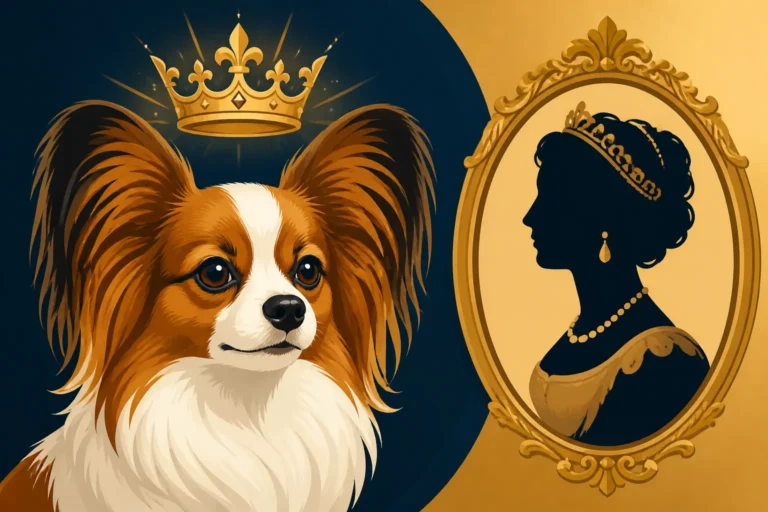
Before the name "Papillon" (French for "butterfly") came into widespread use, the tiny, aristocratic dogs gracing European courts and canvases were often referred to simply as "dwarf spaniels" or "toy spaniels." These were not yet the distinct breed we recognize today, but rather a type of small companion dog, selectively bred for their diminutive size and charming disposition. The Renaissance era, with its focus on humanism and celebrating individual lives, provided the perfect stage for these little dogs to shine, often appearing alongside their noble owners in portraits.
Identifying the Early Ancestors
When we talk about Titian painting the "Papillon's ancestor," we're essentially looking at the earliest known depictions of these continental toy spaniels. These aren't just random small dogs; they possess many characteristics that resonate with the Papillon's lineage. Their delicate features, expressive eyes, and often long, flowing coats made them ideal subjects for artists keen to capture beauty and status. It's truly incredible to think that the same type of loyal, intelligent companion that might be curled on your lap today once graced the laps of dukes and duchesses.
The dogs portrayed in these paintings were highly valued members of the household, often seen as symbols of fidelity and companionship. They were not merely pets in the modern sense but were intertwined with the lives of the wealthy and powerful, offering comfort and a touch of aristocratic flair. This enduring appeal across centuries highlights the unique bond humans have always shared with these charming creatures. If you've ever wondered about The Papillon Has Seven Hundred Years of Portraits Behind It, you'll see just how far back this tradition goes.
Titian's Canine Subjects
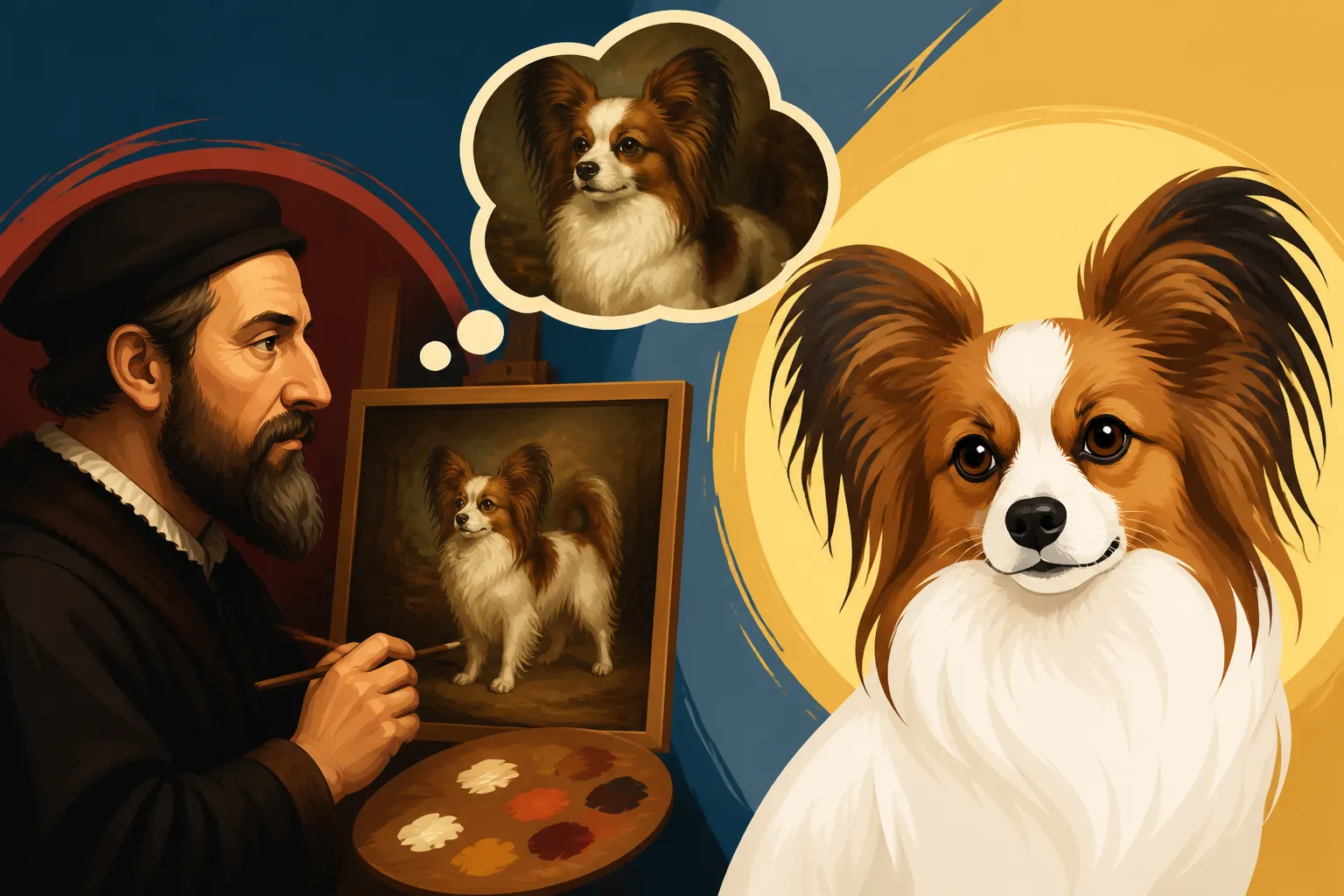
Titian, a master of the Venetian School, was renowned for his vibrant colors and psychological portraits. His works often included animals, and small dogs frequently appeared in his commissions, nestled in the laps or at the feet of his subjects. While he didn't explicitly label these dogs as "Papillons"—the breed name hadn't been coined yet—his depictions of small, long-haired spaniels are strikingly similar to what we understand as the Papillon's direct forebears. Think of his painting "Venus of Urbino," where a small white dog with brown patches lies curled on the bed, its long ears somewhat reminiscent of a Phalene, the drop-eared variant of the Papillon.
These aren't just background details; they are carefully placed elements that add to the narrative and symbolism of the painting. The presence of a dog often signified loyalty, domesticity, and the tender nature of the sitter. Titian's ability to capture the texture of their fur and the gentle gaze in their eyes brings these historical dogs to life, allowing us a glimpse into their past. It’s a wonderful way to connect with the long, storied history of these intelligent little dogs, a history that predates even the concept of ordering modern dog supplies from a store like Chewy!
Comparing Historical Depictions to Modern Papillons
The "dwarf spaniels" of Titian's era share a remarkable number of traits with our contemporary Papillons, even if there are some clear distinctions. Examining these artistic representations allows us to trace the physical evolution of the breed and appreciate how selective breeding, over centuries, has refined its iconic features.
Physical Characteristics in Early Art
The dogs in Renaissance paintings, often called "Titian Spaniels," typically featured elegant, fine bones, a relatively flat head, and delicate muzzles. Their coats were long and silky, frequently white with colored patches—a common coloration in today's Papillons. What’s particularly noticeable is the ear set. While many of these early spaniels had dropped ears, similar to the modern Phalene, they were already quite large and feathered. This characteristic ear feathering is a hallmark of the breed, giving it that distinctive look. It's fascinating to ponder What a Dwarf Spaniel Was and how their appearance transitioned over time.
| Feature | Titian's Dwarf Spaniel (Ancestral) | Modern Papillon (Erect Ears) | Modern Phalene (Drop Ears) |
|---|---|---|---|
| Ear Set | Often dropped (Phalene-like) | Large, erect, butterfly-like | Large, dropped, moth-like |
| Ear Feathering | Prominent and long | Very prominent, silky fringe | Very prominent, silky fringe |
| Coat Texture | Long, silky, single coat | Long, silky, single coat | Long, silky, single coat |
| Body Build | Fine-boned, delicate | Fine-boned, elegant | Fine-boned, elegant |
| Size | Small toy dog | Small toy dog (5-10 lbs) | Small toy dog (5-10 lbs) |
| Coloration | White with various colored patches | White with various colored patches | White with various colored patches |
It's clear from these artworks that the foundation for the Papillon was already well-established. The emphasis on beautiful, flowing coats and an aristocratic air was already present, showing that these dogs were bred for beauty and companionship. This careful attention to aesthetics is something we still see in the breed standard today.
The Evolution of the Papillon Ear
One of the most defining characteristics of the modern Papillon is its large, erect, butterfly-like ears. However, as noted, the dogs in Titian's paintings predominantly had dropped ears, which is the hallmark of the Phalene. So, how did the erect ear come about? This fascinating development is believed to have emerged through selective breeding sometime in the 17th or 18th century, likely in France or Belgium. It wasn't a sudden mutation but a gradual preference that breeders cultivated.
The appearance of the erect ear was a significant moment in the breed's history, giving it the distinctive "butterfly" appearance that eventually led to its modern name. Interestingly, both ear types can still be born in the same litter, proving their shared ancestry. It highlights the dynamic nature of breed development and how human preference can shape physical traits over generations. To learn more about this, you might find When the Erect Ear First Appeared an interesting read.
The Broader Artistic and Historical Context
Titian wasn't the only artist to immortalize these charming dwarf spaniels. Many painters across Europe included them in their works, providing a rich visual record of the Papillon's ancestors and their role in society.
Other Painters of Dwarf Spaniels
Beyond Titian, a host of other notable artists captured these small dogs. Paolo Veronese, another Venetian master, often included lively little dogs in his grand historical and mythological scenes, frequently depicting white and parti-colored toy spaniels. Later, Dutch and Flemish painters like Rubens and Van Dyck continued this tradition, showcasing similar small dogs in their portraits of royalty and aristocracy. These paintings offer valuable insight into Which Other Painters Included Dwarf Spaniels and how widespread the affection for these dogs was among the European elite.
For instance, you might see small spaniels with elegant plumes of fur adorning their ears and tails in works by artists such as Fragonard during the Rococo period, or even Goya in Spain. These dogs were truly international symbols of luxury and companionship, adaptable to the artistic styles of various regions and eras. Their consistent presence in art across centuries underscores their enduring appeal and importance.
The Role of Toy Dogs in European Courts
These dwarf spaniels weren't just decorative items; they played a tangible role in the lives of courtly ladies and gentlemen. They were companions, comforters, and even status symbols. In an age before central heating, a small dog could offer a surprising amount of warmth on a cold lap! They were also seen as symbols of purity and loyalty, often given as gifts between royal families. The affection showered upon these dogs is palpable in many portraits, where they are held tenderly or gaze adoringly at their owners.
The care and attention given to these dogs were often elaborate. They wore collars adorned with jewels, slept on luxurious cushions, and were fed the choicest morsels from the table. This level of indulgence shows just how deeply integrated these little dogs were into the aristocratic lifestyle. It’s not so different from how we spoil our modern Papillons today, perhaps with a gourmet treat from Chewy or a plush new bed.
Why This History Matters to Papillon Owners Today
Understanding the historical lineage of the Papillon, particularly its appearance in famous artworks, isn't just a fun fact; it enriches our appreciation for the breed and connects us to a centuries-old tradition of canine companionship.
Connecting to a Royal Legacy
Owning a Papillon is, in a sense, participating in a living history. When you look at your Papillon, you're gazing upon the descendant of dogs cherished by European royalty and immortalized by master painters. This lineage gives the breed a unique sense of dignity and historical weight, reminding us that these aren't just pretty faces but dogs with a profound cultural heritage. It deepens the bond you feel with your pet when you realize the long line of affectionate and intelligent companions they come from. It’s part of How Long a Papillon Lives, not just in years but in historical impact.
This connection to nobility isn't about snobbery; it's about appreciating the long and fascinating journey the breed has taken. It’s about recognizing the consistent qualities that have made these dogs so beloved: their elegance, intelligence, and unwavering devotion.
Appreciating the Breed's Enduring Qualities
The qualities that made the dwarf spaniels so popular in Renaissance courts are the same ones that endear modern Papillons to us today. Their intelligence, often ranking very high among dog breeds, made them trainable and engaging companions. Their cheerful and affectionate nature made them ideal lap dogs, eager to please and always ready for a cuddle. Even their dainty size, which made them easy to carry and care for in grand estates, is a cherished trait in today's world of smaller living spaces.
The Papillon’s elegance and lively spirit have stood the test of time, proving that true charm is timeless. From the opulent halls of a Renaissance palace to a cozy apartment, the Papillon continues to be a delightful and sophisticated companion. And while their diet and exercise might look a little different now than in Titian's time, the fundamental joy they bring to our lives remains unchanged. You might find everything you need for your modern Papillon on Chewy, but the essence of the dog remains centuries old.
Tracing the Papillon's European Roots
The journey from the "dwarf spaniel" to the distinct Papillon breed we know today is a story deeply intertwined with European history and culture. Understanding these roots helps us appreciate the careful selection and evolution that shaped this unique companion.
French and Belgian Influence on the Breed
While Titian was an Italian painter, the "dwarf spaniels" he depicted were popular across Europe, including in France and Belgium, which are widely considered the countries most instrumental in developing the modern Papillon. It was in these regions that the breed truly began to take its more defined form, leading to the development of both the erect-eared Papillon and the drop-eared Phalene. The French influence is particularly strong, given the breed's very name.
The breeders in these countries focused on refining the delicate features, the opulent ear fringe, and the lively temperament that are characteristic of the breed. This dedication to specific traits gradually solidified the "dwarf spaniel" type into what we now recognize as the Papillon. It's a testament to the passionate breeders who saw something special in these dogs and worked to preserve and enhance their unique qualities. The breed's journey from a general "type" to a recognized breed is a fascinating aspect of Where the Papillon Comes From.
The Continental Toy Spaniel Legacy
The Papillon is officially recognized as a "Continental Toy Spaniel," a name that perfectly encapsulates its European heritage and its spaniel ancestry. This classification reminds us that while the Papillon has its own distinct identity, it shares a common lineage with other small spaniel breeds found across the continent. These dogs were often bred for companionship and to sit on laps, rather than for hunting or retrieving, which distinguishes them from their larger spaniel cousins.
This lineage also explains why the Papillon possesses such a keen intelligence and eagerness to please. These traits are common among spaniel breeds, and in the toy version, they were refined to create a highly adaptable and affectionate house dog. It truly is a remarkable journey from the brushstrokes of Titian to the vibrant, active companions we cherish today, a journey that spans centuries and continents, all leading to the delightful little dog that might be eyeing your dinner plate right now.
Conclusion
So, did Titian paint the Papillon's ancestor? The answer is a resounding yes! While the specific name "Papillon" had not yet been coined, the small, long-haired dwarf spaniels featured in his magnificent Renaissance portraits are unequivocally the forebears of our modern Papillons. These artistic masterpieces offer a precious window into the breed's past, showcasing its enduring elegance, charm, and status as a beloved companion across the centuries. From the laps of Venetian nobility to our own homes, the Papillon continues its long and illustrious journey, a tiny dog with an immense history.
Disclaimer
This article is for general informational purposes only and does not constitute professional advice. Laws, prices and regulations vary by location and change over time. Consult a qualified professional for guidance on your specific situation.