Whether an Aging Papillon Needs a Warmer Bed
As our beloved Papillons gracefully transition into their golden years, many of us start noticing subtle shifts in their behavior and needs. One common worry that often creeps in is whether they're truly comfortable, especially when it comes to their sleeping arrangements. You might see your older Papillon curling up tighter than usual, seeking out sunbeams more intensely, or even shivering slightly on a chilly morning, and it immediately sparks the question: does my aging Papillon need a warmer bed? This guide is here to delve deep into why this might be the case, what signs to look for, and how to create the coziest, warmest haven for your cherished senior companion.
The Subtle Signs Your Senior Papillon Is Feeling the Cold
It's heartbreaking to think our furry family members might be uncomfortable, but older dogs, especially smaller breeds like Papillons, often struggle with regulating their body temperature as effectively as they once did. Their bodies simply aren't as robust as they used to be, and what felt perfectly fine to them as a spry youngster might now be quite a chill. Identifying these subtle signs early is key to ensuring their comfort.
Why Older Dogs Get Colder
As Papillons age, a few physiological changes occur that make them more susceptible to the cold. Their metabolism can slow down, meaning their bodies generate less internal heat. Think of it like an old furnace that's not quite as efficient anymore; it just doesn't put out the warmth it used to. Beyond that, many senior dogs experience a loss of muscle mass. Muscles not only help with mobility but also provide insulation and warmth. If you feel your senior Papillon's back, you might notice they're bonier than they once were, especially over the hips and spine. This reduction in natural padding means they have less of a buffer against cold surfaces or chilly air. They might also develop conditions like arthritis, which can make them less active, further reducing their internal heat generation. It's all interconnected, leading to a general increased sensitivity to lower temperatures. The Age a Papillon Is Considered Senior often marks the period when these subtle changes begin to become noticeable, making us re-evaluate their care needs.
Reading Your Papillon's Cues
Our Papillons are masters at communicating, even without words, but sometimes their signs of discomfort are incredibly subtle. You might notice them seeking out warm spots around the house more frequently, like snoozing directly in a patch of sunlight on the floor, even if they used to prefer their bed. Shivering, even indoors, is a clear indicator, but watch for less obvious signs too. Is your Papillon constantly burrowing under blankets or pillows, even on a moderately cool day? Are they less willing to go outside for potty breaks when it's brisk, even for a moment? Perhaps they're just generally less keen to move from their sleeping spot, trying to conserve warmth. Pay attention to how they position themselves when they sleep; a dog tightly curled into a ball is often trying to minimize heat loss, whereas a more comfortable dog might stretch out. Sometimes, these signs can also be masked by a Papillon's natural tendency to hide pain or discomfort, so owners need to be extra vigilant. How a Papillon Hides Pain is something every owner of an aging dog should understand.
Understanding the Specific Needs of an Aging Papillon's Bed
It’s not just about throwing an extra blanket on their existing bed. An aging Papillon's bed needs to address multiple factors, not least of which is providing consistent warmth. Their smaller size means they lose heat faster, and lying on a cold floor, even through a thin bed, can zap their body temperature. But beyond warmth, orthopedic support becomes paramount for their comfort and overall well-being.
Orthopedic Support Beyond Just Warmth
Warmth is crucial, but for a senior Papillon, the foundation of a good bed is often its orthopedic support. Many older dogs, including Papillons, start to experience joint stiffness, arthritis, or a worsening of conditions like luxating patellas. Lying on a firm or unsupportive surface can exacerbate these issues, leading to more pain and discomfort. An orthopedic bed, typically made of dense memory foam, conforms to your dog's body, distributing their weight evenly and relieving pressure points on their joints. This cushioning is vital for aching hips, knees, and spines. Imagine trying to sleep on a hard floor yourself when your joints ache – it’s just not comfortable. A quality orthopedic bed allows their muscles to relax completely, reducing morning stiffness and making it easier for them to get up after a long nap. While Patellar Luxation Is the Papillon Problem You Will Actually Meet, even Papillons without this condition can develop age-related joint issues, making orthopedic support a non-negotiable feature for a truly comfortable senior bed.
Insulating Materials and Draft Protection
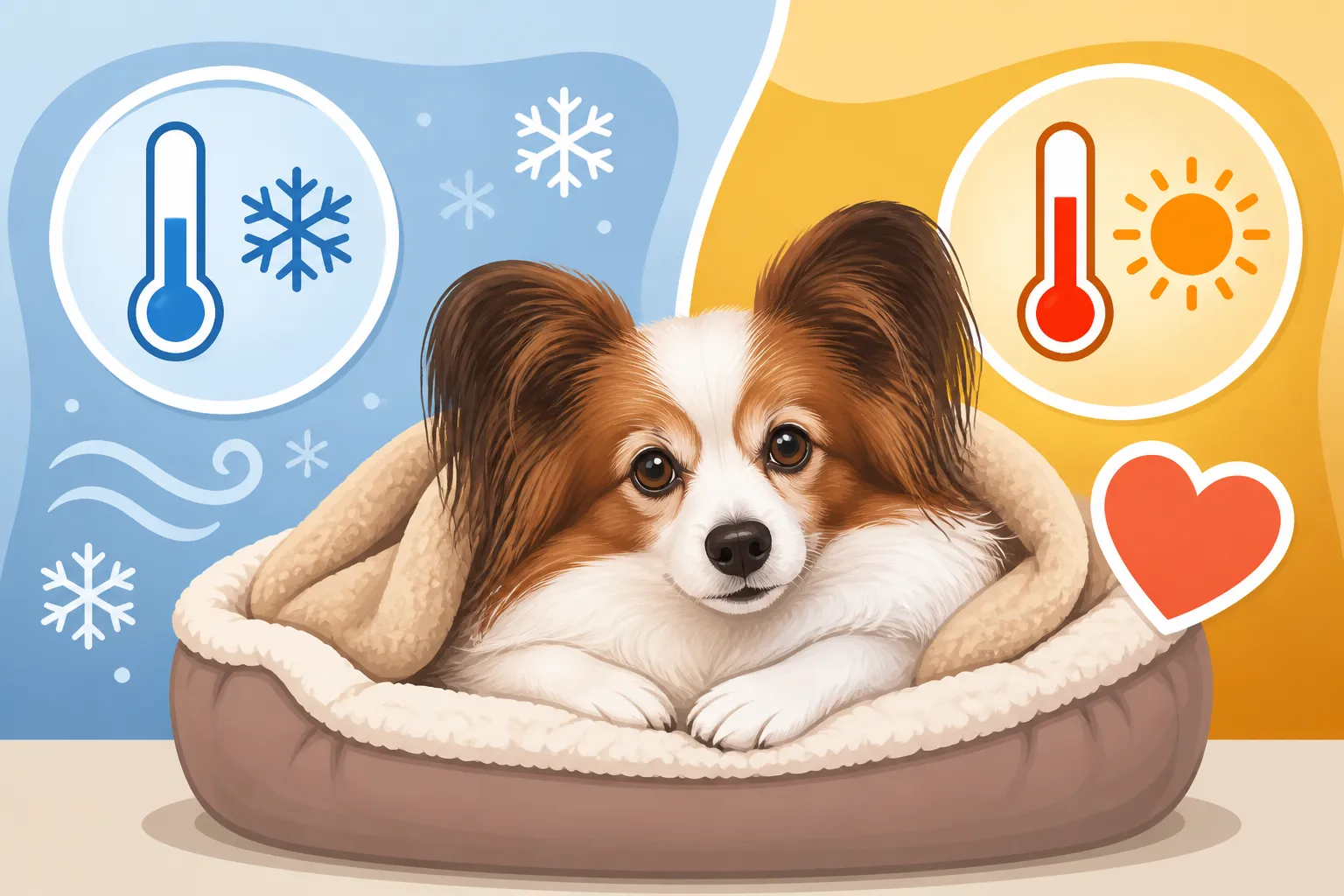
The materials used in a bed play a huge role in its insulating properties. For an aging Papillon, you want materials that trap heat effectively and prevent cold air from seeping through. High-density foam, especially memory foam, offers excellent insulation from cold floors. The outer fabric matters too; fleeces, faux fur, or thick, plush materials feel soft against their bodies and add an extra layer of warmth. When considering bed types, think about how well they protect against drafts. A low-lying bed might feel cozy, but if it's placed near a door or a leaky window, cold air currents can easily reach your Papillon. Beds with raised bolsters or even a "cave" or hooded design can provide a crucial barrier against these drafts, creating a snug microclimate for your dog. For those chilly nights, imagine how much more comfortable you would be if your sleeping space was truly enclosed and insulated. This is the comfort we aim for our little ones. Whether a Papillon Feels the Cold is a question easily answered by how quickly they seek out warmth.
Exploring Different Types of Warm Beds for Your Senior Papillon
With so many options out there, choosing the right warm bed can feel a bit overwhelming. But focusing on the unique needs of an aging Papillon can help narrow it down. We're looking for warmth, support, and security, often rolled into one perfect package. Let's break down some popular choices and what they offer.
Heated Beds and Mats
Heated beds and mats can be an absolute godsend for older Papillons, especially those with arthritis or a general intolerance to cold. These beds typically have a low-wattage heating element that provides gentle, consistent warmth, often thermostatically controlled to prevent overheating. It's not about making them sweat, but about providing a soothing, therapeutic heat that can penetrate aching joints and relax stiff muscles. You’ll find options from simple warming pads that slip under a regular bed to full-fledged heated orthopedic beds. When choosing one, always prioritize safety. Look for products designed specifically for pets, with chew-resistant cords and automatic shut-off features. Brands like K&H Pet Products, often available on Amazon or Chewy, are well-regarded for their safety and effectiveness in this category. Make sure the heat level isn't too high; a warm, cozy feel is the goal, not a hot surface. These can make a huge difference, particularly on cold winter nights or during damp weather that aggravates joint pain.
Bolster and Cave Beds
Papillons, being small dogs, often have a natural instinct to burrow and feel secure. Bolster beds, with their raised sides, provide a wonderful sense of security and a comfortable place for them to rest their heads. These bolsters also act as a shield against drafts and help trap their body heat, creating a warmer, more insulated space. For the ultimate in coziness, consider a cave bed or hooded bed. These fully enclose your Papillon, offering a dark, den-like environment that many small dogs adore. The enclosed space is fantastic for trapping warmth and making them feel incredibly safe, which can be particularly comforting for senior dogs who might be experiencing Night Confusion in an Old Papillon or increased anxiety. Look for models with soft, plush linings and sturdy structures that won't collapse on them. Many popular pet retailers, including Chewy, offer a wide variety of these styles, allowing you to find one that matches your home decor while providing maximum comfort.
Elevated Beds and Their Role in Warmth
While not immediately obvious as "warm" beds, elevated beds can actually be a great solution for an aging Papillon, especially if your home has cold, hard floors or experiences drafts. By lifting your Papillon a few inches or more off the ground, these beds prevent the direct transfer of cold from the floor to their body. The air circulating underneath the bed helps to insulate them. Often, elevated beds feature a mesh or fabric sleeping surface, which, while not plush, can be combined with blankets or a soft, warm mat for added comfort. Some designs even have a bolster around the edges to give that sense of security. These are particularly useful if your Papillon enjoys a cooler top surface but still needs to avoid lying directly on a cold floor. They are also incredibly easy to keep clean, which is a bonus for older dogs who might have occasional accidents. Consider combining an elevated bed with a plush, machine-washable blanket for the best of both worlds – off-the-floor warmth with soft, snuggable comfort.
Here's a quick comparison of bed types:
| Bed Type | Key Feature | Primary Benefit for Seniors | Potential Drawbacks | Ideal For |
|---|---|---|---|---|
| Heated Bed | Electric warming pad | Therapeutic warmth, joint pain | Electricity use, potential chewing | Arthritic, very cold-sensitive Papillons |
| Orthopedic Bed | Memory foam | Joint support, pressure relief | Can be expensive, may not be warm | Papillons with joint issues; combine with blankets |
| Bolster Bed | Raised padded sides | Security, draft protection | Less warmth than cave, less orthopedic | Papillons seeking security and moderate warmth |
| Cave/Hooded Bed | Enclosed design | Maximum warmth, deep security | Some dogs dislike enclosure, harder to clean | Papillons who burrow, very cold-sensitive, anxious |
| Elevated Bed | Lifts off floor | Eliminates floor drafts | Needs additional padding for warmth | Homes with cold floors, dogs who overheat easily |
Integrating a Warmer Bed into Your Home and Routine
Getting a warmer bed is just the first step. To truly make a difference for your aging Papillon, you need to think about where it goes, how you maintain it, and what other steps you can take to ensure their overall comfort and warmth. It’s about creating an environment that caters to their evolving needs.
Optimal Placement for Maximum Comfort
Where you place your Papillon’s new warm bed is just as important as the bed itself. Avoid placing it in high-traffic areas where they might be disturbed, or near exterior doors or windows that can let in drafts. A quiet corner in a regularly heated room, away from direct air vents or chilly hallways, is usually ideal. Many older Papillons enjoy being close to their human companions, so placing the bed in your bedroom or a frequently used living area allows them to feel included while benefiting from the room's warmth. Observe your Papillon: where do they naturally gravitate for naps? That spot, if free from drafts, is probably a good starting point. Consider accessibility too; if the bed has high sides, make sure your senior Papillon can easily step in and out without straining their joints. You might even consider having a couple of warm beds around the house – one for daytime lounging in a sunny spot and another for sleeping at night. Whether an Old Papillon Sleeps More is a definite yes, so having multiple comfy spots is a real boon.
Maintaining Hygiene and Longevity
Even the warmest, most supportive bed won't be truly comfortable if it's not clean. Senior dogs, like senior people, can sometimes have accidents or simply shed more. Regular cleaning is essential for hygiene and to prolong the life of the bed. Look for beds with removable, machine-washable covers. If the entire bed isn't washable, spot clean any accidents immediately and air it out regularly. For heated beds, always follow the manufacturer's specific cleaning instructions to avoid damaging the electrical components. Vacuuming the bed surface frequently will help remove loose fur and dander, keeping it fresh. Consider having a few extra blankets or throws that you can easily toss in the wash, allowing you to layer up the warmth and keep the main bed cleaner for longer. Maintaining cleanliness not only keeps their bed inviting but also prevents skin irritations and keeps your home smelling fresh.
Beyond the Bed: Holistic Warmth Strategies
While a warm bed is fantastic, it's part of a larger picture of caring for an aging Papillon. There are several other things you can do to ensure they stay cozy. Consider adding a dog sweater or coat, especially for outdoor potty breaks or if your home tends to be on the cooler side. Whether a Papillon Needs a Coat in Winter is often a resounding yes for seniors! Keep your home at a comfortable, consistent temperature, especially overnight. Raised food and water bowls can also help, as they reduce the strain on your Papillon's neck and joints, making mealtime more comfortable, which indirectly contributes to their overall well-being. Ensuring their diet is appropriate for their age and activity level can also help maintain a healthy weight, which is important for joint health and metabolic function. Brands like Ollie, offering fresh, prepared meals, can be a great option for senior dogs who might need softer, more palatable food. Lastly, regular, gentle exercise helps keep their blood circulating and muscles strong, but always adjust intensity to their comfort level. It’s about creating a holistic approach to keeping your senior Papillon happy, healthy, and wonderfully warm.
Disclaimer
This article is for general informational purposes only and does not constitute professional advice. Laws, prices and regulations vary by location and change over time. Consult a qualified professional for guidance on your specific situation.