What Agility Equipment Costs a Papillon Owner
It’s easy to look at those graceful, high-flying Papillons on an agility course and think, "My little butterfly can do that!" And they absolutely can! But before you dive headfirst into building a mini obstacle course in your backyard, you're probably wondering what kind of financial commitment you're looking at. From simple DIY projects to competition-grade equipment, the costs of agility gear for your Papillon can range from pocket change to a serious investment. This guide aims to break down the different price points and considerations for equipping your home for agility training.
Getting Started with Backyard Agility Equipment
Many Papillon owners, myself included, start with the idea of just having a little fun in the backyard. You don't need a full-blown competition course to introduce your Papillon to the joy of agility. The initial investment for basic backyard equipment is often much lower, focusing on DIY solutions or entry-level commercial sets. It's a fantastic way to gauge your dog's interest and build foundational skills without breaking the bank. Remember, the goal here is engagement and fun, not perfection or regulation standards. This initial phase is all about learning and bonding, fostering that incredible connection with your smart little dog.
Jumps for Your Papillon
Jumps are typically the first thing people think of when it comes to dog agility. For a Papillon, whose jump height in competition can be quite low, a simple set of jumps is relatively easy and inexpensive to acquire or build. You're not looking for heavy, formal standards, but rather something safe and adjustable for their small size. Safety is always paramount, especially for a dog as delicately built as a Papillon.
When you're just starting out, PVC pipe is your best friend. It’s lightweight, easy to cut, and relatively cheap. You can find all the components at any local hardware store. A few long pieces of PVC, some T-connectors, and maybe some end caps can be assembled into simple winged or wingless jumps. The bars can be easily raised or lowered, which is crucial for a growing Papillon puppy or for gradually increasing the challenge. The beauty of DIY is that if a piece breaks, it's a quick and inexpensive fix. For those less inclined to DIY, many online retailers offer starter jump sets designed for small dogs. These typically feature lightweight plastic construction and are often brightly colored, making them appealing and easy to see for your dog. They are also usually quite portable, which is great if you want to set them up in different areas or take them to a park. Just ensure any bought set is stable enough not to tip over easily, especially for an enthusiastic little Papillon. The goal is to build confidence, not fear of flimsy equipment.
Tunnels for Backyard Fun
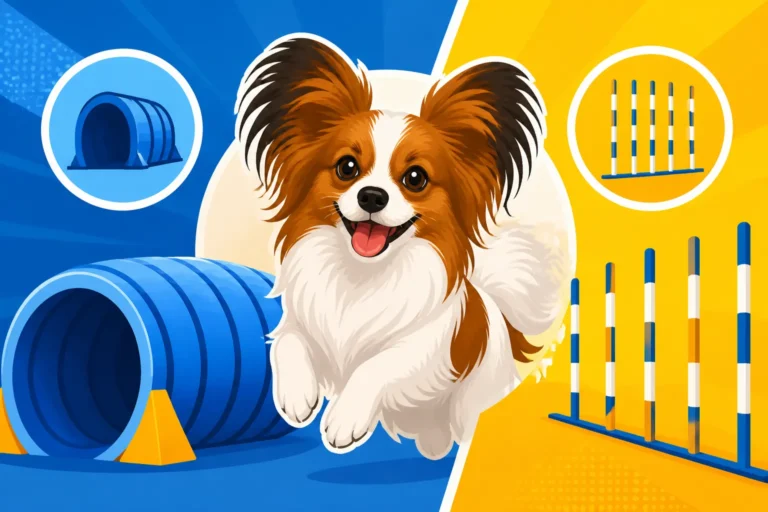
Tunnels are another excellent addition to a backyard agility setup and are often a huge hit with Papillons. There’s something inherently exciting for a small dog about dashing through a tunnel, and their compact size makes them perfectly suited for it. For backyard use, you don't necessarily need the heavy, weather-resistant fabric of competition tunnels. Lighter, more flexible versions work perfectly well for training and play.
You can often find collapsible tunnels marketed for children's play or even cat tunnels that work wonderfully for a Papillon's size. These are usually made of polyester or similar lightweight fabric stretched over a wire frame. They fold down easily for storage and are light enough to move around. While they might not be as durable as professional agility tunnels, they are significantly less expensive and perfectly adequate for casual practice. The key is to find one that's wide enough for your Papillon to run through comfortably without feeling cramped, and long enough to provide a good challenge. Introducing your Papillon to a short, straight tunnel first, then gradually increasing its length or adding a gentle curve, can build their confidence. Don't worry about the exact diameter or length initially; focus on making it a positive, fun experience. Remember to secure the tunnel so it doesn't roll or collapse while your Papillon is inside, which can be easily done with some sandbags or stakes.
Crafting Weave Poles at Home
Weave poles are often considered one of the most challenging agility obstacles to teach, but they are incredibly rewarding once your Papillon masters them. For backyard training, you have quite a bit of flexibility in how you set them up. The initial goal is to teach the motion, not necessarily perfect competition-level execution. This is where patience and consistency truly pay off.
Many Papillon owners start with simple, spaced-out poles to introduce the concept. You can use anything from spare garden stakes, tall PVC pipes, or even broomsticks stuck into the ground or held in a sturdy base. The critical aspect for early training is adjustability. You'll want to be able to vary the spacing between the poles initially to make it easier for your Papillon to learn the "channel" or "2×2" methods. As your dog progresses, you can gradually bring the poles closer together, mimicking the standard competition spacing. Dedicated backyard weave pole sets are also available from various suppliers. These often come as a series of individual poles with stakes, or a fixed base with multiple poles. They are designed to be sturdy enough for repeated use and weather exposure. While perhaps a bit more of an investment than purely DIY, they save you the construction time and often offer better stability. No matter your choice, ensure the poles are clearly visible against your lawn or practice area.
Stepping Up to Competition-Grade Agility Equipment
Once your Papillon has mastered the basics in the backyard and you're both bitten by the agility bug, you might start looking towards actual competition. This is where the equipment costs can take a significant leap. Competition-grade equipment is built to meet specific standards for safety, dimensions, and durability, often using materials like aluminum, heavy-duty plastic, or treated wood. It needs to withstand rigorous use by dogs of all sizes and various weather conditions, and it needs to be consistent from trial to trial.
The investment here is substantial, but it's often seen as necessary for serious competitors who want to train their Papillon on obstacles that precisely mimic what they'll encounter at a trial. This consistency helps prevent confusion and builds confidence, which is invaluable when your tiny dog is facing a complex course. When considering this level of equipment, you're not just buying obstacles; you're investing in precision, safety, and longevity. Finding a reputable manufacturer that specializes in agility equipment is key, as they understand the sport's demands. Many handlers start by acquiring a few key pieces that are hard to replicate with DIY methods, like contact obstacles, before slowly building a more complete course. This journey is often shared within agility clubs, where members might pool resources or buy equipment collectively for shared training spaces.
Contact Obstacles: A Major Investment
Contact obstacles — the A-frame, dog walk, and teeter-totter (or seesaw) — are the most expensive pieces of agility equipment you'll likely purchase. These are not just about jumping; they require your Papillon to touch a specific colored "contact zone" with at least one paw on the ascent and descent, ensuring safety and control. The construction needs to be incredibly robust to safely support dogs of all sizes, despite your Papillon being on the smaller end. A slip or fall from these heights can be very dangerous.
A full-sized, regulation A-frame or dog walk is typically constructed from aluminum or treated plywood, with a non-slip rubberized surface. These are heavy, often requiring two people to move, and they're built to withstand years of outdoor exposure. The cost reflects the materials, the precision engineering required for stability and safety, and the specialized non-slip coating. For a Papillon owner, the good news is that while the standards for these obstacles are set for all dogs, you can often find "mini" or "practice" versions that are slightly smaller, lower, or lighter, which might be a bit more manageable and potentially less expensive. However, they still need to meet certain safety and performance criteria to be truly useful for competition training. The teeter-totter also falls into this category, requiring careful balance and a quiet, smooth pivot mechanism. The surface must be perfectly balanced, and the contact zones clearly defined. It's a testament to the dedication of agility enthusiasts that they invest in these complex pieces for their beloved Papillons.
Advanced Weave Poles and Chute Tunnels
While backyard weave poles can get you started, competition weave poles have specific requirements that make them a more significant investment. They must be precisely spaced (typically 24 inches center-to-center in North America, but this can vary by organization), perfectly vertical, and sturdy enough not to wobble. Many advanced weave pole sets come with channel guides or weave pole trainers that help your Papillon learn the correct path, which can be invaluable for consistent performance.
These competition-grade weave poles often feature heavy bases, like those made from metal or heavy-duty plastic, ensuring they stand rigidly even with an enthusiastic Papillon zipping through them. Some even have hinged bases that allow you to adjust the channel width during training, providing structured assistance that can be gradually faded. Similarly, while a children's tunnel works for casual play, competition tunnels are made of much heavier, more durable vinyl-coated fabric that can withstand significant wear and tear and is weather-resistant. They come in specific lengths and diameters, and require heavy-duty sandbags to hold them firmly in place on various surfaces. The chute, which is a solid barrel entrance leading to a collapsed fabric tube, is another piece that requires specialized construction to be both safe and challenging for competition. Investing in these specialized versions ensures your Papillon is training on equipment that mirrors trial conditions, reducing any surprises on competition day.
Start Lines and Specialty Obstacles
Beyond the core obstacles, there are other pieces of equipment that competition handlers find essential for home training. A proper start line, for instance, might seem simple, but having a clear, consistent place for your Papillon to wait before being released is crucial for teaching a strong start. This could be a simple mat or a dedicated start-line chute, helping your dog understand the boundaries of the course.
Specialty obstacles, while not always required, can also creep into the budget. For example, some organizations include specific jump types like panel jumps, tire jumps (though these are often being phased out or redesigned for safety), or broad jumps. These require different construction and can add to your overall equipment costs. Cone markers, jump numbers, and timing devices (even simple stopwatches or apps) also play a role in setting up a realistic training environment at home. Think about a simple chalk line for a start, or even a small mat. For a Papillon owner, having these subtle elements helps integrate the "game" aspect of agility into home practice. Moreover, having a consistent system for numbering jumps and marking courses, even if it's just index cards laminated and placed on stands, will elevate your training significantly and help you prepare for actual trials.
Ongoing Costs for Agility Equipment Maintenance and Upgrades
Buying agility equipment isn't a one-and-done expense, especially if you're serious about the sport. Just like any investment, there are ongoing costs associated with maintenance, repairs, and eventually, upgrades or replacements. These aren't always immediately obvious when you're caught up in the excitement of setting up your first course, but they are an integral part of long-term ownership. Ignoring these aspects can lead to equipment degrading faster or even becoming unsafe, which is certainly not what you want when your energetic Papillon is flying through it.
Think of it this way: your agility equipment is constantly exposed to the elements, to enthusiastic paws and teeth, and to repeated assembly and disassembly. Over time, components wear out, surfaces can get damaged, and even the best-built items will show signs of age. Budgeting for this ongoing care will not only extend the life of your equipment but also ensure that your training environment remains safe and effective for your Papillon. This is especially true for items with moving parts or contact surfaces that are crucial for both performance and safety.
Repairs and Replacements
Even the most durable agility equipment will eventually need repairs. Jump bars might crack, rubberized contact surfaces can peel, and tunnel fabric can tear. Having a budget set aside for these eventualities is wise. Replacement parts, like new jump cups, PVC connectors, or even sections of tunnel, might be available from the original manufacturer or general agility supply stores.
For contact obstacles, the non-slip surface is crucial. If it wears down or gets damaged, it can become a safety hazard for your Papillon, leading to slips and potential injuries. Re-surfacing a contact obstacle can be a significant repair cost, often requiring specialized materials and application. Similarly, for weave poles, bases might crack, or the poles themselves could bend. Regular inspection of your equipment will help you catch small issues before they become major problems. For example, checking the integrity of your tunnel's wire frame and fabric before each use can prevent a small tear from becoming a large, unusable rip. Sometimes, a full replacement of an obstacle is more cost-effective than attempting a complex repair, especially for older or heavily used pieces. This is where you might consider the initial quality of the equipment you purchased – a cheaper, less robust item might need replacing sooner, ultimately costing more in the long run.
Storage and Weather Protection
Proper storage is paramount for extending the life of your agility equipment, especially if it's stored outdoors. Exposure to sun, rain, snow, and extreme temperatures can significantly degrade materials, leading to fading, cracking, rust, and rot. Investing in protective covers or a dedicated storage solution is an essential ongoing cost. A little prevention goes a long way.
Waterproof tarps, heavy-duty covers specifically designed for outdoor furniture or equipment, or even a small shed can make a huge difference. Tunnels, in particular, benefit from being stored indoors or at least in a cool, dry place when not in use, as their fabric can become brittle or moldy. Jumps and weave poles might be more weather-resistant, but protecting their metal components from rust and their plastic/wood from UV damage is still a good idea. For larger contact obstacles, which are often too big to easily move indoors, covers are even more critical. Consider the climate you live in; a mild climate might allow for simpler covers, while harsh winters or intense summers demand more robust protection. This proactive approach to care can save you considerable money on repairs and replacements down the line, ensuring your Papillon always has safe, ready-to-use equipment.
Upgrades and Add-ons
As you and your Papillon progress in agility, you might find yourself wanting to upgrade certain pieces of equipment or add new ones to your collection. What worked for basic backyard fun might not meet the demands of advanced training or specific competition rules. The sport is always evolving, and so too might your equipment needs.
For instance, you might start with simple winged jumps but later decide you need formal broad jumps or double jumps to prepare for specific trial elements. Or perhaps you initially bought a lightweight tunnel, but now you need a heavy-duty, longer tunnel that mimics those found in a competition ring. You might also want to invest in specialty items like a specific type of pause table or starting box. As rules and techniques evolve, you might even find that certain older pieces of equipment become less suitable or require modification to stay current. This is a common progression for many agility enthusiasts, driven by a desire to continually improve and provide the best possible training environment for their Papillon. Additionally, small accessories like timing gates or a better quality clicker can enhance training precision. These upgrades, while not strictly necessary, often contribute to improved performance and a more satisfying training experience for both handler and dog.
Smart Strategies for Saving Money on Agility Equipment
Let's be real, the costs associated with agility, especially when you start looking at competition-grade equipment, can add up quickly. But don't let that deter you! There are plenty of clever ways to get your Papillon involved in agility and practice at home without draining your bank account. As a veteran lifestyle blogger, I've seen firsthand how creative and resourceful dog owners can be. It's all about being savvy and knowing where to look for value, allowing you to focus more on the fun with your furry friend.
From embracing your inner DIY enthusiast to tapping into community resources, there are many avenues to explore. The key is to prioritize what you really need versus what would be nice to have, especially in the early stages of your Papillon's agility journey. Remember, the bond and the training are more important than having the fanciest equipment right out of the gate. Your Papillon doesn't care if the jumps are PVC or aluminum, as long as they get to play!
DIY Agility Equipment Projects
One of the most effective ways to save money is to make your own agility equipment. As mentioned earlier, PVC pipe is a fantastic, versatile material for jumps and weave poles. It’s affordable, easy to work with, and light enough for a Papillon. You can find detailed plans and tutorials online for constructing various obstacles, ranging from simple jumps to A-frames and even pause tables. Many Papillon owners have created impressive setups with minimal cost.
For jumps, you can get creative with household items. Think about using laundry baskets, sturdy cardboard boxes, or even pool noodles for jump bars if you're on a very tight budget. While these won't be competition-grade, they're excellent for introducing the concept of jumping safely. Tunnels can sometimes be fashioned from large appliance boxes taped together, or even by draping blankets over chairs. The key here is always safety first. Ensure any DIY obstacle is stable, won't collapse on your Papillon, and doesn't have sharp edges. For weave poles, digging small holes and inserting wooden dowels or even sturdy branches can work for temporary practice. The satisfaction of building something for your Papillon to enjoy is a bonus!
Buying Used or Sharing Equipment
Another excellent strategy for cost savings is to look for used agility equipment. The agility community is often a vibrant and supportive one, and people frequently sell their equipment when they upgrade, move, or step away from the sport. This can be a goldmine for finding good quality, competition-grade obstacles at a fraction of the new price.
Check online marketplaces, local agility club forums, or even ask trainers if they know of anyone selling equipment. Sometimes, a club might be upgrading its own equipment and selling off older but still perfectly functional pieces. Before purchasing used equipment, always inspect it thoroughly for damage, wear, and safety. Ensure all parts are present and functional, especially for contact obstacles where stability is critical. Additionally, if you're part of an agility club or have friends with Papillons who are also interested in agility, consider sharing equipment. You could pool resources to buy a few key pieces and take turns using them, or set up a shared training space. This not only spreads the cost but also fosters a sense of community. When sharing, having pet insurance like Healthy Paws can give you peace of mind, knowing that if an accident happens during shared training, your Papillon's vet bills might be covered, though be sure to check what their policies specifically cover for pre-existing or congenital conditions.
Leveraging Sales and Discounts
Just like with any hobby, timing your purchases can lead to significant savings. Keep an eye out for sales, promotions, and clearance events from agility equipment suppliers. Many companies will have seasonal sales or discounts around major holidays or during large agility events. This is especially true after major national competitions when manufacturers might offer discounts to clear inventory or promote new lines.
Signing up for newsletters from major pet supply retailers or specialized agility equipment manufacturers can ensure you're notified of these deals. Sometimes, stores like Chewy will have sales on various pet supplies, including training gear that can be adapted for agility or even specific agility items. While dedicated agility equipment might not be their primary focus, it's always worth checking. You might also find discounts on bundles of equipment rather than buying individual pieces, which can be a good way to get a starter course for your Papillon at a reduced price. Don't forget to factor in shipping costs, especially for large, heavy items, as these can sometimes negate a discount. Comparing prices from different vendors is crucial to ensure you're getting the best deal.
Beyond Equipment: Other Agility-Related Expenses for Papillon Owners
While the cost of agility equipment is a significant consideration, it's just one piece of the financial puzzle for Papillon owners involved in the sport. There are many other expenses that contribute to the overall cost of competing or even just participating in agility. Understanding these broader costs will give you a much clearer picture of the financial commitment involved. From formal training to competition fees and even specialized nutrition, these elements are crucial to your Papillon's success and well-being in agility.
It's easy to get tunnel vision on the big-ticket items like contact obstacles, but often, the cumulative effect of smaller, recurring expenses is what truly impacts your budget. Budgeting for these elements from the outset will prevent surprises down the road and allow you to enjoy the journey with your Papillon without undue financial stress. A well-rounded approach ensures both handler and dog are prepared.
Agility Classes and Workshops
Formal training is almost always a necessity for both you and your Papillon, especially if you plan to compete. While your Papillon is undeniably smart – they are often lauded as The Papillon Is the Smartest Toy Breed There Is – learning the nuances of agility handling requires skilled instruction. What a Beginner Agility Course Costs for a Papillon can vary significantly depending on your location, the instructor's experience, and the format of the class (group vs. private).
Most Papillon owners start with basic obedience and then move into foundation agility classes, which teach obstacle performance and handler skills. These are often structured as weekly sessions over several weeks, with costs per session or per course. Workshops, which are typically shorter, more intensive sessions focused on a specific skill (e.g., weave pole entries, distance work, or a particular contact obstacle), also add to the expense. These classes are invaluable for teaching your Papillon how to safely and effectively navigate obstacles, but just as importantly, they teach you how to handle your dog on a course, read their body language, and communicate effectively. As your Papillon progresses, you might find yourself enrolling in more advanced classes or seeking out specialized coaching to fine-tune your team's performance. Remember, a good instructor is worth their weight in gold for helping you and your Papillon achieve your agility goals.
Competition Entry Fees and Travel
Once you're ready to put your Papillon's skills to the test, you'll be faced with competition entry fees. Each "run" or event at an agility trial typically has its own fee. If you enter multiple classes (e.g., Standard, Jumpers with Weaves, Tunnellers) or multiple runs within a class over a weekend, these fees can quickly accumulate. What Trial Entries Cost a Papillon Owner adds up, especially if you're campaigning your dog regularly and trying to earn titles.
Beyond the entry fees, there are significant travel costs. Agility trials often take place outside of your immediate area, requiring travel to different venues. This means factoring in fuel costs, and potentially accommodation if the trial is a multi-day event or far from home. Many Papillon owners, including myself, will travel quite a distance for a good trial or a specific judge. What Trial Travel Costs a Papillon Owner can become one of the most substantial ongoing costs for competitive agility. You'll also need to consider food for yourself and your Papillon, and any incidental expenses that arise during travel. Packing smart, bringing your own meals, and sharing rides or accommodation with fellow competitors can help mitigate some of these costs. This community aspect of agility can be incredibly rewarding.
Proper Nutrition and Health Care
An active agility Papillon needs top-notch nutrition to maintain their energy levels, muscle mass, and overall health. While Papillons are generally "cheap to feed" due to their small size, ensuring they get high-quality food is paramount. This isn't just about weight; it's about supporting their athletic performance and recovery, giving them the fuel they need to perform at their best.
Look for dog foods formulated for active breeds, which typically have higher protein and fat content to fuel their endeavors. Brands like Ollie offer fresh, customized meal plans that can be excellent for highly active dogs, ensuring they get all the necessary nutrients without excess fillers. Just be sure to check their current pricing and plans directly on their website. Good nutrition can also help with recovery after intense training or trials. Beyond food, regular veterinary care is crucial. This includes annual check-ups, vaccinations, and potentially more frequent exams to monitor for any stress-related injuries or conditions common in active dogs. For example, What Patellar Luxation Does to a Papillon is a concern for many owners, and agility can put extra strain on joints. Ensuring your Papillon's joints are healthy and well-supported through diet and supplements, if recommended by your vet, is a smart investment. Pet insurance, such as Healthy Paws, can also be a lifesaver here, helping to cover unexpected vet bills from injuries or illnesses that can arise during an active agility career.
Miscellaneous Gear and Safety Items
Finally, there's a host of smaller, but necessary, items that contribute to the overall cost of agility. These are often overlooked but are essential for your Papillon's comfort, safety, and your convenience. Being well-prepared makes the entire experience more enjoyable for both of you.
This can include a sturdy, comfortable harness (rather than a collar, especially if your Papillon gets excited and pulls, which can impact their delicate trachea—Whether a Papillon Should Wear a Harness Instead of a Collar), a long line for practicing recall in open spaces, leashes, and treat pouches for motivation. For trials, you might need a crate or ex-pen to keep your Papillon safe and contained between runs, a cooling mat for warmer weather, or a warm coat for cold outdoor events. Training treats, which are consumed in large quantities, are also an ongoing expense. High-value treats are often key to motivating a Papillon, so having a good supply is essential. Brands like Chewy often have a wide selection of training treats suitable for various dog sizes and dietary needs. Don't forget first-aid supplies for both you and your dog, a water bowl, and plenty of fresh water, especially during long training sessions or trial days. All these smaller items add up, but they create a well-equipped, comfortable, and safe environment for you and your Papillon to thrive in the exhilarating world of dog agility.
Agility Equipment Cost Comparison
To give you a clearer idea of the investment, here's a general comparison of costs for different types of agility equipment. Remember, these are broad ranges, and actual prices will vary based on brand, materials, supplier, and whether you choose to DIY.
| Equipment Type | DIY / Budget Backyard Cost Range | Mid-Range Practice Equipment Cost Range | Competition-Grade Equipment Cost Range | Key Features |
|---|---|---|---|---|
| Jumps | Low | Moderate | High | Adjustable height, stable bases, safety bars |
| Tunnels | Low | Moderate | High | Durable fabric, proper length/diameter, requires sandbags |
| Weave Poles | Low | Moderate | High | Correct spacing, stability, training guides available |
| A-Frame | Not Recommended for DIY | High | Very High | Sturdy construction, contact zones, anti-slip surface |
| Dog Walk | Not Recommended for DIY | High | Very High | Sturdy construction, contact zones, proper height/length |
| Teeter-Totter | Not Recommended for DIY | High | Very High | Stable pivot, balance, contact zones, safe descent |
| Pause Table | Low | Moderate | High | Consistent surface, stable legs, proper height |
| Start Line/Numbers | Very Low | Low | Moderate | Clear markers, visual cues, official numbering |
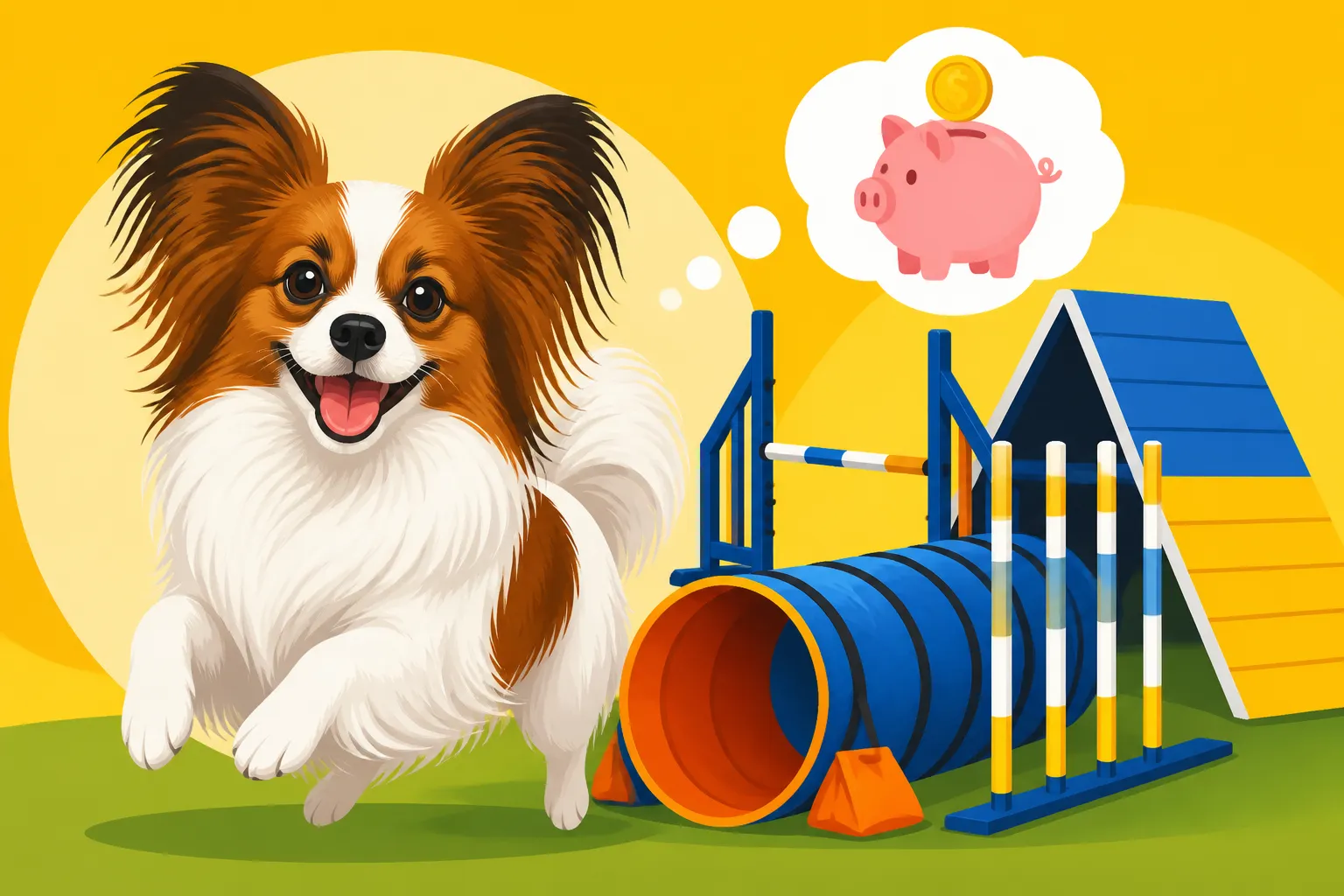
This table highlights that while you can start very affordably, the costs escalate significantly as you move towards equipment designed for serious competition. It's a journey, and most Papillon owners gradually invest as their skills and commitment grow. Whether you're just enjoying a casual game in the yard or aiming for national titles, the joy of working with your Papillon makes every penny (and every DIY effort) worth it.
Disclaimer
This article is for general informational purposes only and does not constitute professional advice. Laws, prices and regulations vary by location and change over time. Consult a qualified professional for guidance on your specific situation.