Whether Neuroaxonal Dystrophy Is Common in Papillons
It’s truly disheartening when you bring a new puppy home, full of dreams and expectations, only to start noticing subtle, unsettling neurological signs that hint at something deeper than clumsy puppy antics. The fear that your beloved Papillon might be battling a debilitating genetic condition, especially one as complex as Neuroaxonal Dystrophy (NAD), can be overwhelming. This guide aims to shed light on whether Neuroaxonal Dystrophy is common in Papillons, helping you understand this rare but serious condition and what it means for the breed.
Understanding Neuroaxonal Dystrophy in Papillons
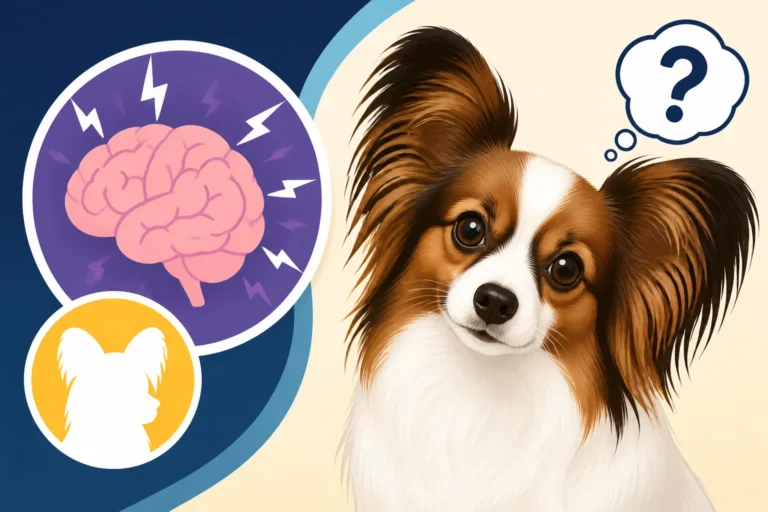
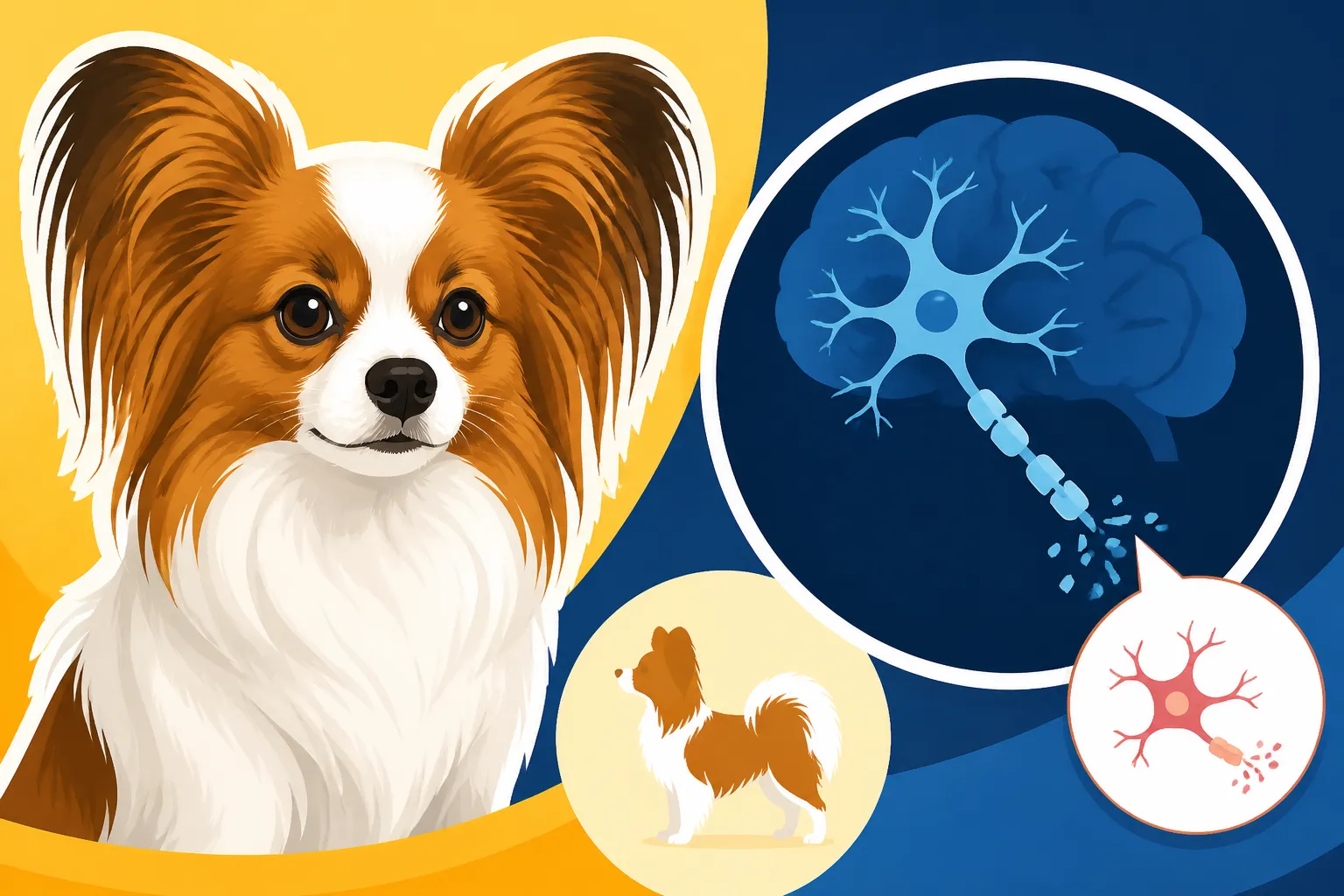
Neuroaxonal Dystrophy (NAD) sounds incredibly complex, and in truth, it is. It's a severe, progressive neurological disorder that impacts the central nervous system, particularly affecting the axons – the long, slender projections of nerve cells that conduct electrical impulses away from the neuron's cell body. Think of axons as the wiring of your dog's brain and spinal cord; when this wiring starts to degenerate, the messages simply can't get through properly. This leads to a cascade of observable symptoms that can be profoundly distressing for both the dog and their human family.
The Neurological Impact
At its core, NAD is a degenerative disease. This means that once symptoms begin, they typically worsen over time as more and more axons become damaged. The impact isn't just on one specific function; it's widespread because nerve cells are involved in everything from movement and coordination to balance and even cognitive function. The specific areas of the brain and spinal cord most affected can influence the primary symptoms you observe in your Papillon. It’s a silent battle happening within their tiny, brilliant minds, slowly eroding their ability to function normally.
This condition is an inherited genetic disorder, meaning it's passed down from the parents. For a Papillon to be affected by NAD, it must inherit two copies of the faulty gene – one from each parent. Dogs with only one copy of the faulty gene are considered carriers; they won't show symptoms themselves but can pass the gene on to their offspring. This is a crucial point for breeders and really highlights the importance of genetic testing within the breed, which we'll delve into a bit later. Without proper genetic screening, the disease can silently spread through generations, only to manifest tragically in affected puppies.
Symptoms and Progression
The clinical signs of Neuroaxonal Dystrophy in Papillons usually become apparent when puppies are quite young, typically between 5 to 10 months of age. This early onset is particularly heartbreaking because it strikes during what should be the most playful and carefree stage of a dog's life. Initially, the signs might be subtle, easily mistaken for general puppy clumsiness or a slight awkwardness in their gait. You might notice them tripping more often, struggling with stairs, or just not moving with the fluid grace you expect from a Papillon.
As the disease progresses, these symptoms become more pronounced and debilitating. Affected puppies often develop ataxia, which is a severe lack of coordination. They might walk with a wide-based stance, struggle with balance, and have difficulty judging distances. Their head might bob or tremor, and their overall movements can become jerky and uncontrolled. It's heartbreaking to watch a dog, especially a small, agile breed like a Papillon, lose its physical capabilities. Many owners describe seeing their once vibrant puppy struggle just to stand or walk. To understand more about the specific physical manifestations, you might want to read our detailed article on How a Papillon With Neuroaxonal Dystrophy Moves. The progressive nature means that these puppies typically don't have a long lifespan, often succumbing to the disease within their first few years.
How Common is Neuroaxonal Dystrophy in Papillons?
This is the burning question for many Papillon enthusiasts and prospective owners. While Neuroaxonal Dystrophy is undoubtedly a serious condition that has been identified in the Papillon breed, it is not considered a common disease in the general Papillon population. This might come as a relief, but it doesn't mean it's something to ignore. Its rarity is largely a testament to the diligent efforts of responsible breeders who prioritize health testing and make informed breeding decisions.
Breed-Specific Concerns vs. General Prevalence
When we talk about whether a genetic disease is "common," it's important to distinguish between its general prevalence in the breed and the potential for it to occur in specific breeding lines if testing isn't done. For the average pet owner who acquires a Papillon from a reputable source, the chances of encountering NAD are quite low. However, because the Papillon is one of the breeds specifically identified as being susceptible to NAD, it remains a significant concern within the dedicated breeding community.
The fact that it is a known breed-specific condition means that any Papillon breeder worth their salt should be aware of it and take steps to prevent it. It's not like a widespread ailment that affects dogs across the board; it's a particular genetic glitch that Papillons, among a few other breeds, can carry. This is why when you're looking for a puppy, the health tests performed by the breeder become paramount. If a breeder isn't testing for these known breed-specific issues, even rare ones, it's a serious red flag.
Genetic Inheritance and Breeding Strategies
Neuroaxonal Dystrophy in Papillons is inherited in an autosomal recessive pattern. This means that for a puppy to develop the disease, it must inherit a copy of the affected gene from both its mother and its father. If a puppy inherits one affected gene and one normal gene, it will be a "carrier." Carriers do not show symptoms of NAD themselves, but they can pass the affected gene to their offspring. This is the insidious nature of recessive genetic diseases – they can hide for generations, only to surface when two carriers are bred together.
Consider this scenario:
- Clear (N/N) x Clear (N/N) = All Clear (No carriers, no affected puppies)
- Clear (N/N) x Carrier (N/NAD) = 50% Clear, 50% Carrier (No affected puppies, but carriers can be produced)
- Clear (N/N) x Affected (NAD/NAD) = All Carrier (Affected dogs are rarely bred, but theoretically, all offspring would be carriers)
- Carrier (N/NAD) x Carrier (N/NAD) = 25% Clear, 50% Carrier, 25% Affected (This is where affected puppies are born)
- Carrier (N/NAD) x Affected (NAD/NAD) = 50% Carrier, 50% Affected
- Affected (NAD/NAD) x Affected (NAD/NAD) = All Affected
As you can see, the critical pairing is between two carriers. This is why comprehensive genetic testing is so vital. Reputable breeders will test their breeding stock for NAD to ensure they never make a "carrier x carrier" breeding. While it's possible to breed a carrier to a clear dog, producing carrier offspring that would then need to be tested themselves before breeding, the safest practice is often to avoid breeding carriers entirely, or at least ensure they are only ever bred to clear dogs. You can learn more about the specifics of genetic pairing in Whether Two Carrier Papillons Can Produce an Affected Puppy.
The Role of Genetic Testing
The reason NAD is not common, despite being a known genetic issue, is largely due to the availability and widespread use of DNA testing. Genetic tests can identify whether a dog is clear, a carrier, or affected by Neuroaxonal Dystrophy, even before symptoms appear. This is a game-changer for preventing the disease. Thanks to companies like Optimal Selection (part of Wisdom Panel) and Embark, breeders can screen their dogs with relative ease and confidence.
The DNA test involves a simple cheek swab, which is then sent to a specialized laboratory. The results provide definitive information about the dog's NAD status. This allows breeders to make informed decisions to eliminate the disease from their lines. For instance, if a breeder discovers they have a carrier, they can choose to breed that dog only to a clear mate, or simply remove the carrier from their breeding program altogether, depending on the value of that dog's other traits and overall health. Knowing which gene causes this issue allows us to manage it proactively. If you're curious about the process, our article on The DNA Test for Papillon Neuroaxonal Dystrophy offers more detail.
Identifying and Diagnosing Neuroaxonal Dystrophy
Even though NAD is rare, understanding how it's identified and diagnosed is crucial for any Papillon owner. Early detection, while not leading to a cure, can help you provide supportive care sooner and make informed decisions about your puppy's quality of life. The journey from noticing the first subtle signs to receiving a definitive diagnosis can be emotionally taxing, but having information can empower you.
Early Warning Signs
The initial signs of NAD can be quite subtle, often manifesting as developmental delays or unusual clumsiness in a puppy. These aren't just your typical puppy tumbles; they tend to be persistent and worsen over time. A puppy might struggle with tasks that littermates find easy, like navigating steps, running smoothly, or maintaining balance during play. You might notice a tremor, especially in their head, or an unsteady gait that looks like they're walking on eggshells or are slightly inebriated.
Other signs can include:
- Ataxia: Incoordinated movements, wobbly gait.
- Dysmetria: Inability to judge distance, leading to overreaching or underreaching steps.
- Head tremors: A rhythmic shaking of the head, particularly noticeable when the puppy is focused or stressed.
- Paresis: Weakness, especially in the hind limbs, which might progress to paralysis.
- Abnormal reflexes: The vet might observe unusual responses during a neurological exam.
It’s easy to dismiss these early signs, especially in a boisterous puppy, but if you have any lingering concerns, always consult your veterinarian. They might recommend recording your puppy's movements at home to provide a clearer picture of their symptoms over time. These observations, coupled with a thorough physical and neurological exam, are the first steps toward uncovering what's truly going on.
Veterinary Diagnosis
If your veterinarian suspects a neurological issue, they will perform a comprehensive physical and neurological examination. This involves checking reflexes, muscle tone, gait, and coordination. Because NAD presents with non-specific neurological symptoms that can mimic other conditions, a definitive diagnosis often requires ruling out other possibilities.
Diagnostic steps typically include:
- Blood work and urinalysis: To rule out metabolic or infectious causes for the neurological signs.
- Imaging (MRI or CT scan): These can help visualize the brain and spinal cord, looking for structural abnormalities, tumors, or inflammation. While NAD doesn't typically show gross structural changes, these scans are important to exclude other neurological diseases.
- Cerebrospinal fluid (CSF) analysis: A sample of fluid surrounding the brain and spinal cord can be collected and analyzed for signs of inflammation or infection.
- Genetic testing: This is the most definitive way to diagnose NAD. As mentioned earlier, a simple DNA test (usually a cheek swab) can confirm whether a dog is genetically affected. If a puppy is showing symptoms consistent with NAD and tests positive for the affected gene pair (NAD/NAD), then the diagnosis is confirmed. This test is invaluable because it provides a clear answer, removing the guesswork that can accompany many neurological conditions.
Here's a quick overview of the diagnostic process:
| Step | Purpose | What it involves | Key Outcome |
|---|---|---|---|
| Observation & History | Owner's detailed report of symptoms | Recording behavior, onset, progression | Helps vet narrow down possibilities |
| Physical/Neuro Exam | Assess reflexes, coordination, muscle strength | Hands-on examination by veterinarian | Identifies neurological deficits |
| Blood/Urine Tests | Rule out metabolic, infectious, or toxic causes | Lab analysis of samples | Excludes common diseases |
| Advanced Imaging (MRI/CT) | Visualize brain/spinal cord for structural issues | Specialized scans under sedation | Rules out tumors, hydrocephalus, structural damage |
| Cerebrospinal Fluid (CSF) | Detect inflammation, infection in CNS | Fluid collection from spine or neck | Rules out inflammatory conditions |
| Genetic Test | Confirm presence of specific NAD gene mutation | Cheek swab or blood sample to specialized lab | Definitive diagnosis for inherited NAD |
Getting a diagnosis of a genetic condition like NAD can be a heavy blow for owners. The financial burden of all these tests can also be substantial. This is where having pet insurance, such as a plan from Healthy Paws, can make a real difference, helping to cover a significant portion of diagnostic and veterinary care costs, allowing you to focus on your pet's well-being without added financial stress.
What Papillon Owners Can Do
Facing a rare genetic disease like Neuroaxonal Dystrophy can feel isolating and overwhelming, whether you're a breeder striving for healthy lines or an owner with an affected puppy. However, there are concrete steps that both groups can take to mitigate the impact of NAD and contribute to the overall health of the Papillon breed. Knowledge and proactive measures are your most powerful tools.
Responsible Breeding Practices
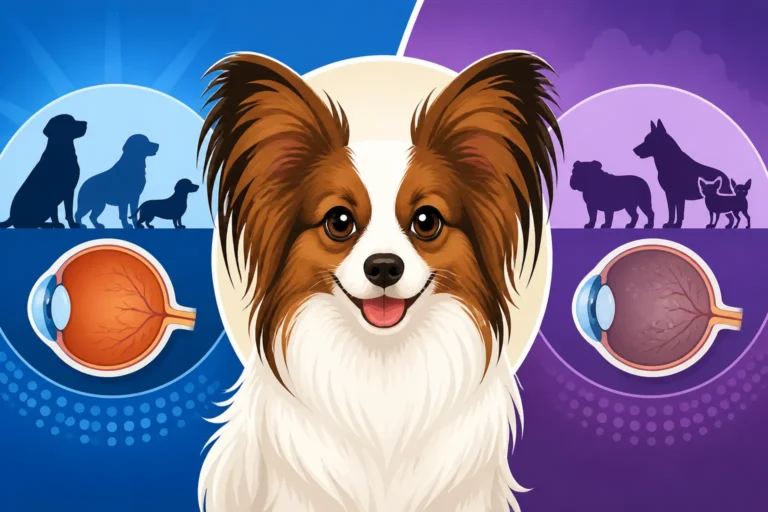
For breeders, preventing NAD means a steadfast commitment to genetic health testing. This isn't just a suggestion; it's an ethical responsibility. Every Papillon intended for breeding should be tested for NAD, as well as other known breed-specific genetic conditions like Progressive Retinal Atrophy (PRA1). A transparent breeder will openly share the health testing results of their breeding stock, typically through public databases or direct documentation. If a breeder is evasive or claims testing isn't necessary because "they've never had an affected puppy," that's a major red flag.
The goal of responsible breeding is to reduce or eliminate the presence of genetic diseases in future generations. This means that carrier dogs, while not affected themselves, should only ever be bred to clear dogs, or ideally, removed from the breeding program to ensure future generations are consistently clear. By doing so, breeders play a crucial role in safeguarding the breed's health. You might find our article on What a Papillon Breeder Should Have Tested invaluable when looking for a puppy, as it outlines all the essential screenings. It is through these dedicated efforts that the breed as a whole becomes healthier, and diseases like NAD become truly rare, rather than just less common. We've seen significant progress in addressing genetic conditions, and this effort is key to Whether Neuroaxonal Dystrophy Can Be Bred Out of Papillons.
Supporting an Affected Dog
If your Papillon puppy receives an NAD diagnosis, it's natural to feel devastated. Currently, there is no cure for Neuroaxonal Dystrophy, and treatments are focused on supportive and palliative care to maintain the best possible quality of life for as long as possible. This means working closely with your veterinarian to manage symptoms and provide comfort. This can involve medication to address tremors or pain, physical therapy to maintain mobility, and creating a safe, easy-to-navigate environment at home.
Supportive care might include:
- Environmental modifications: Ramps for furniture, non-slip rugs on hard floors, and padding for hard surfaces can help prevent injuries from falls.
- Nutritional support: Ensuring easy access to food and water, potentially using elevated bowls.
- Regular veterinary check-ups: To monitor the progression of the disease and adjust care as needed.
- Pain management: If your dog experiences any discomfort, your vet can prescribe appropriate pain relief.
The emotional toll on owners is immense. It's a journey that requires incredible strength, patience, and compassion. While there's no way to reverse the damage, focusing on your dog's comfort and happiness can bring a measure of peace. Understanding the limitations and focusing on the positive aspects of their personality can help. Our article on Why Neuroaxonal Dystrophy Has No Treatment in a Papillon offers further insight into the challenges of treatment. While the outlook is challenging, companies like Healthy Paws can often offer some financial relief for the extensive supportive care and veterinary visits that an affected dog may require, easing at least one burden during a difficult time.
Seeking and Providing Support
Living with or being a part of the Papillon community means engaging with resources that support breed health. The Papillon Club of America (PCA) and other national breed clubs often maintain health committees and funds dedicated to researching and mitigating genetic diseases. They are excellent resources for finding reputable breeders who adhere to health testing standards and for connecting with others who may have experience with NAD.
Online forums and social media groups dedicated to Papillons or rare dog diseases can also provide a sense of community and shared experience. While not a substitute for veterinary advice, these platforms can offer emotional support and practical tips from other owners who understand your specific challenges. Advocating for genetic testing within the broader dog community helps to raise awareness and ensures that fewer puppies suffer from preventable conditions. Ultimately, the health of the Papillon breed rests on the collective commitment of breeders and owners to prioritize responsible practices and open communication. This commitment contributes to the overall health reputation of the breed and helps ensure Whether the Papillon Is a Healthy Breed.
Disclaimer
This article is for general informational purposes only and does not constitute professional advice. Laws, prices and regulations vary by location and change over time. Consult a qualified professional for guidance on your specific situation.