Whether a Papillon Tolerates Sedation for Nails
It’s a scenario many Papillon owners know all too well: the dreaded nail trim. You try to hold your tiny, wriggling companion, clippers in hand, only for them to turn into a furry, four-legged tornado, making what should be a simple grooming task an absolute nightmare. The thought of sedation pops up—a quick, stress-free fix. But is it truly safe for such a delicate breed? This guide dives deep into whether a Papillon can tolerate sedation for nails, exploring the risks, benefits, and viable alternatives to help you make the best decision for your beloved pet.
Why Nail Trims Are Such a Struggle for Many Papillons
Let's be honest, getting those tiny nails clipped can feel like an Olympic sport when you own a Papillon. It’s not just you; many owners face this challenge, and there are very real reasons why our little butterfly dogs often put up such a fuss. Understanding these reasons is the first step toward finding a solution that works.
The Sensitivity of a Tiny Dog's Nails
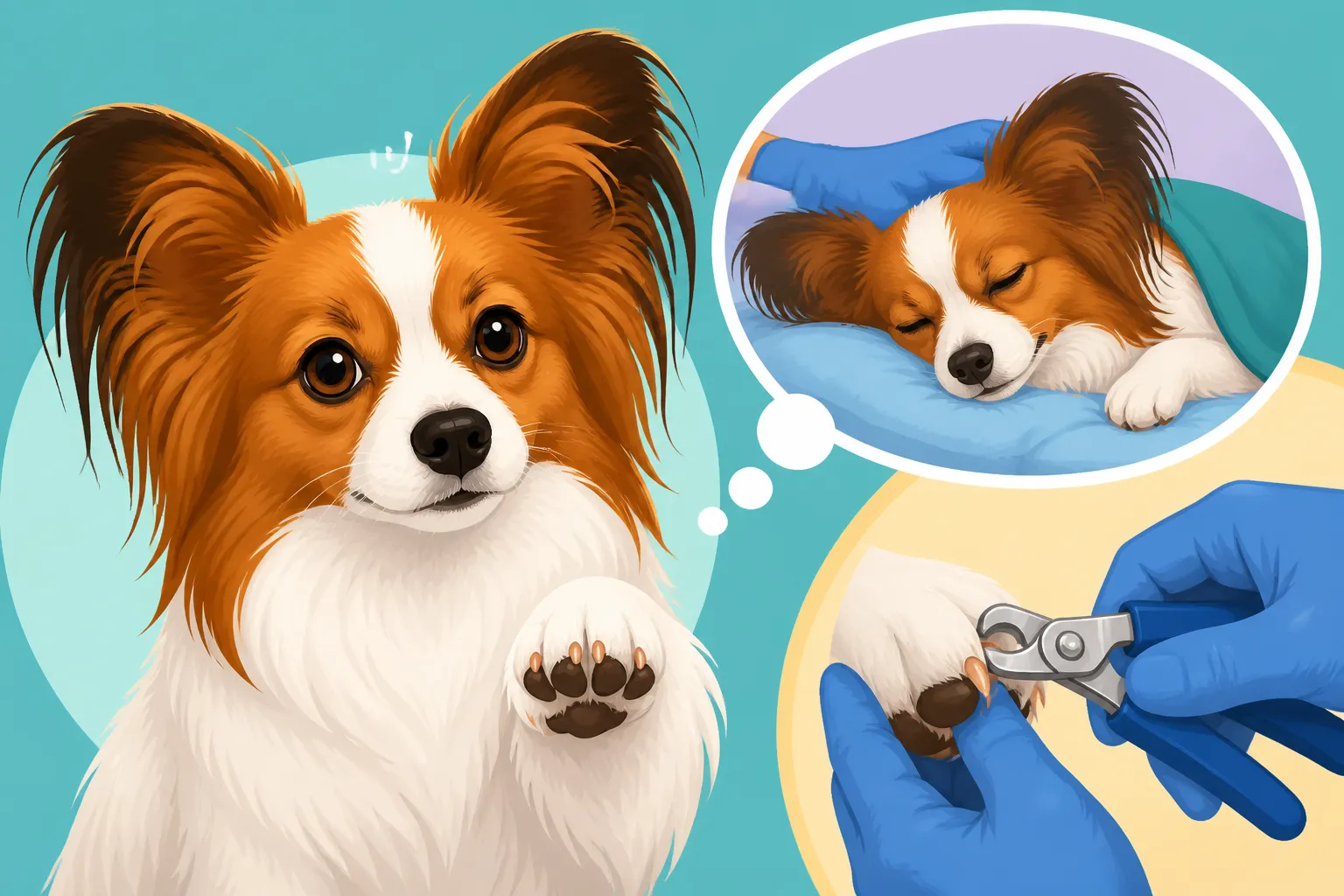
Papillons are small, and their nails are, in proportion, also quite small and delicate. This means the quick—the living part of the nail that contains blood vessels and nerves—is very close to the surface. It's incredibly easy to cut into it, causing pain and bleeding. Once a dog has experienced this, even once, they often develop a strong aversion to clippers. Imagine having a bad experience at the dentist; you'd probably be pretty wary about going back, right? It's the same for our Papillons. Their finely tuned nervous systems and sensitive paws make them acutely aware of any discomfort, and a quicked nail can be a traumatic event. Furthermore, a Papillon's nails grow surprisingly fast, meaning these stressful trims are a regular occurrence. You can learn more about How Often a Papillon's Nails Grow to understand the frequency of this task.
Fear and Anxiety: More Than Just Being "Naughty"
It’s easy to think a Papillon is being stubborn or naughty when they fight a nail trim, but often it’s pure fear and anxiety. They don't understand that you're trying to help them. Instead, they perceive the restraint, the strange metal objects, and the sensation of clipping as a threat. This is especially true if they haven't been properly socialized to nail trims from a young age. Their small size can also make them feel vulnerable, and being held firmly can trigger a panic response. Some Papillons also struggle with general handling, which can make any grooming task, including a nail trim, feel overwhelming. This is why early and positive training, like Teaching a Papillon Puppy to Be Handled All Over, is so crucial. The anxiety isn't just unpleasant; it can be downright dangerous if they thrash and injure themselves or you.
The Difficulty for Owners
Let's not forget the human element here. Clipping a small, dark nail on a tiny, squirming dog is incredibly difficult. Many owners are terrified of hurting their Papillon, and this fear can translate into hesitation, making the process longer and more stressful for both parties. The physical mechanics of holding a wriggling 5-pound dog, manipulating their paw, and precisely clipping a nail without hitting the quick is a skill that takes practice and a steady hand. For some, it feels impossible, leading them to seek professional help or consider options like sedation, just to avoid the weekly battle. The emotional toll of a struggling Papillon can be significant, leaving owners feeling frustrated and guilty.
Understanding Sedation for Small Breeds
When all else fails, and the stress of nail trims becomes unbearable for both you and your Papillon, sedation might seem like a viable option. However, it's not a decision to be taken lightly, especially for a delicate breed like the Papillon. There are various types of sedation, each with its own considerations.
Types of Sedation and How They Affect Papillons
Sedation for dogs generally falls into a few categories: oral sedatives, injectable sedatives, and inhalant (gas) anesthesia. Each has a different impact and level of risk for a small dog.
-
Oral Sedatives: These are usually given at home prior to a vet visit. Medications like Trazodone or Gabapentin can help take the edge off anxiety. They're often prescribed for situations like car rides or vet visits to reduce stress. For a nail trim, an oral sedative might make your Papillon drowsy and less reactive, but it doesn't typically provide deep sedation where they're completely unresponsive. The effectiveness can vary greatly from dog to dog, and it's essential to follow your vet's precise dosing instructions, as even a small overdose for a tiny dog can have significant consequences. These are generally considered the safest "sedation" option, as they merely reduce anxiety rather than inducing unconsciousness.
-
Injectable Sedatives: Administered at the veterinary clinic, these medications offer a more profound level of sedation. They can range from light tranquilizers to deeper sedatives that allow for minor procedures without the need for full general anesthesia. With injectables, your Papillon might be very drowsy, unable to stand, and largely unaware of what's happening. The vet can often adjust the dose based on the dog's response. The effects are usually reversible with another injection once the procedure is complete.
-
Inhalant Anesthesia (Gas): While less common for just a nail trim unless combined with other procedures, full general anesthesia involves an intubation tube and gas administered to keep the dog unconscious. This is the deepest form of sedation and carries the most significant risks, which we'll discuss next. It's usually reserved for surgeries or extensive dental work, not typically a routine nail trim on its own. It's important to understand Anesthesia and a Five Pound Papillon is a serious consideration.
Specific Risks for Papillons Under Sedation
Papillons, being toy-breed dogs, have unique physiological characteristics that make them more sensitive to anesthetic agents and sedation than larger breeds. This isn't to say sedation is always out of the question, but it highlights the need for extreme caution and meticulous veterinary care.
-
Hypothermia: Small dogs lose body heat much faster than larger dogs. Under sedation, their body temperature can drop dangerously, which can lead to complications. Vets must take extra precautions to keep them warm, such as using heated tables, warm blankets, or forced-air warming systems.
-
Respiratory and Cardiovascular Depression: Sedatives can depress the respiratory and cardiovascular systems, meaning slower breathing and a drop in blood pressure. For a tiny dog with a smaller lung capacity and delicate heart, this can be more pronounced. Careful monitoring of heart rate, respiration, and oxygen levels is absolutely crucial. A pre-anesthetic exam and blood work, which you can read about in Whether a Papillon Needs Bloodwork Before a Dental, are vital to assess any underlying risks.
-
Delayed Recovery: Metabolizing drugs can take longer in smaller dogs, leading to a slower and sometimes more complicated recovery from sedation. They may remain groggy and disoriented for an extended period.
-
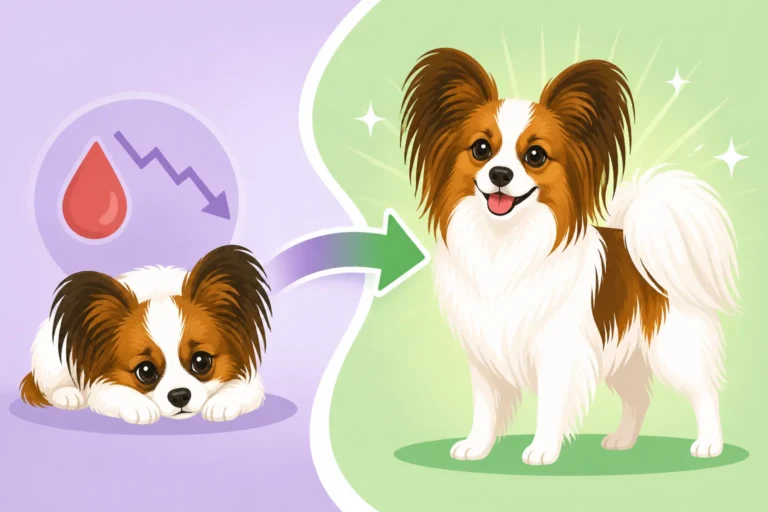
Hypoglycemia (Low Blood Sugar): Especially for young or very tiny Papillons, sedation can sometimes lead to a drop in blood sugar. Vets will often ensure the dog has eaten a small meal a few hours prior (unless full anesthesia requires fasting) or provide IV fluids containing dextrose to prevent this.
-
Breed-Specific Sensitivities: While not universally true for all Papillons, some individual dogs might have heightened sensitivities to certain medications. This is why a thorough veterinary history and pre-sedation screening are paramount. You might want to consider Whether a Papillon Is Sensitive to Anesthesia more broadly.
Table: Sedation Options for Papillon Nail Trims
| Sedation Type | How It Works | Pros | Cons | Vet Oversight Required | Recovery Time |
|---|---|---|---|---|---|
| Oral Sedatives | Taken at home, reduces anxiety | Less invasive, lower risk, dog less stressed | Variable effectiveness, dog still conscious/aware, potential for improper dosing if not careful | Prescription needed | Few hours |
| Injectable Sedatives | Administered at clinic, induces drowsiness | More reliable, effective for severe fear | Higher risk than oral, requires vet monitoring, potential for respiratory/cardiac depression, longer recovery | Full vet supervision | Several hours |
| Inhalant Anesthesia | Gas administered via intubation (full unconsciousness) | Complete unconsciousness, pain-free | Highest risk, intensive monitoring, not typically for nail trims alone, significant recovery | Full vet supervision | Full day/overnight |
The Vet's Role and Safety Protocols
When considering sedation for your Papillon, your veterinarian is your most important resource. A reputable vet will always prioritize your dog's safety. They will conduct a thorough physical exam and may recommend blood work to ensure there are no underlying health issues that could increase the risks of sedation. They'll discuss the different options with you, explain the monitoring procedures they'll use, and outline the recovery process.
During sedation, especially injectable, your Papillon will be monitored closely. This includes checking heart rate, respiratory rate, blood pressure, oxygen saturation, and body temperature. Many clinics use advanced monitoring equipment to ensure the dog's vital signs remain stable. Post-procedure, they'll provide clear instructions for at-home care and what to watch out for during recovery. Never hesitate to ask your vet any questions or express your concerns, no matter how small they seem.
Safer Alternatives to Full Sedation for Papillon Nail Care
While sedation can be a necessary evil for some Papillons, it's not the only path. Many owners successfully manage nail trims without it, employing patience, positive reinforcement, and the right tools. The key is often starting early and building positive associations.
Positive Reinforcement and Desensitization
This is the gold standard for managing any difficult grooming task. The goal is to gradually introduce your Papillon to the clippers and the act of having their paws handled, associating it with positive experiences.
- Start Small: Begin by simply touching your Papillon's paws gently, giving a treat and praise. Do this repeatedly, several times a day, for short durations. Don't even bring out the clippers yet.
- Introduce the Clippers: Place the clippers (or grinder) on the floor near your dog. Let them sniff it. Treat. Repeat. The goal is for them to see the clippers as a neutral or even positive object.
- Mimic the Sound/Feel: Without clipping, gently touch the clippers to one nail. Treat. If using a grinder, turn it on in another room, then closer, always pairing with treats. Get them used to the vibration or sound.
- One Nail at a Time: Once your Papillon tolerates the above, try clipping just one nail. Immediately reward with a high-value treat and enthusiastic praise. Then stop. The next day, do one or two more. The key is to keep sessions short and always end on a positive note.
- Consistency is Key: This isn't a one-and-done process. It requires daily, consistent effort. Over time, your Papillon will learn that nail trims aren't scary, and they lead to yummy treats and affection. Remember, The Papillon Is the Smartest Toy Breed There Is, so they are highly capable of learning new associations.
Using tools like lick mats with peanut butter or cream cheese can be incredibly helpful. Your Papillon will be distracted by the delicious treat, making them more amenable to handling. For more general training tips, consider reading about How Fast a Papillon Learns a New Cue.
Grooming Tools and Techniques
The right tools can make a world of difference. Traditional clippers, dremels, and even specialized files each have their pros and cons.
- Guillotine Clippers: These are common but can be intimidating and easy to quick if not used correctly. For very small Papillon nails, ensure you have clippers designed for small breeds.
- Scissor-Style Clippers: Often preferred for tiny nails as they give you more precision and control. You can see exactly what you're cutting.
- Dremel/Grinder: Many owners find a dremel-style nail grinder to be less stressful than clippers. Instead of a sudden snip, it gradually grinds the nail down. This reduces the risk of quicking and can make the process smoother, though some dogs are sensitive to the sound and vibration. If you opt for a dremel, introduce it slowly and positively, as described in the desensitization steps.
- Nail Files: While slow, consistent filing can keep nails short, especially if your Papillon is extremely sensitive to clippers or grinders. It's a very low-stress option if you have the patience.
No matter the tool, proper technique is essential. Only take off small amounts at a time, especially if your Papillon has dark nails where the quick isn't visible. When in doubt, trim less, more often. If you're unsure, ask your vet or a professional groomer to demonstrate the correct technique.
Professional Groomers or Vet Techs
Sometimes, despite your best efforts, doing it yourself just isn't working, and that's okay! Many professional groomers and vet technicians are absolute wizards with difficult dogs. They have specialized training, experience, and tools to handle anxious Papillons. They can often get the job done quickly and efficiently, minimizing stress. They may even be able to offer tips and tricks for how you can continue the positive reinforcement training at home.
It's worth the investment to see a professional if home trims are too difficult. While What a Papillon's Nail Trim Costs might seem like an extra expense, it's often far less than the cost and stress of sedation or treating an injury caused by a botched home trim. They may even suggest using a muzzle for safety, not as punishment, to protect themselves and your dog.
Making the Decision: When Sedation Might Be Necessary
Even with the best intentions and consistent training, some Papillons simply cannot tolerate nail trims without significant distress. In these rare cases, sedation, carefully managed by a veterinary professional, can be the most humane option.
Quality of Life vs. Risk Assessment
This is the ultimate balancing act. If every nail trim (which happens every few weeks) sends your Papillon into a panic attack, causes excessive drooling, trembling, or aggression, it's severely impacting their quality of life. Chronic stress can have negative health repercussions. In such situations, a controlled, professionally administered sedation might be the kinder choice.
You have to weigh the known risks of sedation against the ongoing, severe stress your dog experiences without it. A conversation with your vet about this balance is paramount. They can help you assess the specific risks for your individual Papillon, considering their age, overall health, and temperament. For example, a senior Papillon might have different considerations than a young adult, and you can learn more about Caring for a Papillon Past Eleven.
Discussing Options with Your Veterinarian
If you're at the point where sedation seems like the only option, schedule a consultation with your veterinarian. Don't just show up expecting them to sedate your dog. This appointment is crucial for a comprehensive discussion.
- Full Health Check: Your vet will likely perform a thorough physical exam to ensure your Papillon is healthy enough for sedation. This might include checking their heart, lungs, and overall body condition.
- Blood Work: Pre-sedation blood tests are often recommended, especially for older dogs or those with suspected underlying health conditions. These tests can reveal issues with organs like the liver or kidneys that might affect how your dog processes sedatives. What a Papillon's Yearly Bloodwork Should Cover is a good resource to understand these tests.
- Discussing Sedative Choices: Your vet will explain the different types of sedatives, the potential risks, and the monitoring protocols they employ. They might suggest starting with an oral sedative to see if that's enough before moving to injectables.
- Cost Implications: Be prepared to discuss the costs involved. Sedation, monitoring, and recovery care will add to the price of a standard nail trim. Reputable pet insurance providers like Healthy Paws might cover some of these veterinary expenses, depending on your policy and whether the procedure is deemed medically necessary due to extreme anxiety or aggression. It’s always wise to check your coverage before any procedure.
It's a collaborative decision between you and your vet. Your goal is to ensure your Papillon lives a happy, comfortable life, and sometimes that means making difficult choices guided by professional expertise.
Post-Sedation Care and Monitoring
If you do proceed with sedation, be prepared for post-procedure care. Your Papillon will likely be groggy and disoriented for several hours, possibly even the rest of the day.
- Warmth and Comfort: Keep them in a quiet, warm, and safe space. They may not be able to regulate their body temperature well.
- Limited Activity: Prevent jumping or climbing, as they might be unsteady.
- Food and Water: Offer small amounts of water once they are more awake and can swallow safely. A small, bland meal can be offered later if they're not nauseous.
- Observation: Monitor them closely for any unusual symptoms, like prolonged lethargy, vomiting, or difficulty breathing. If anything concerns you, contact your vet immediately.
Remember, the aim is always to reduce stress and pain for your cherished Papillon. Whether through diligent training, expert grooming, or, as a last resort, veterinary-guided sedation, ensuring their comfort during necessary grooming is a priority.
Disclaimer
This article is intended for informational purposes only and is not a substitute for professional veterinary advice. Always consult with a qualified veterinarian regarding your Papillon's health, treatment options, and any specific concerns you may have, especially when considering sedation or any medical procedure.